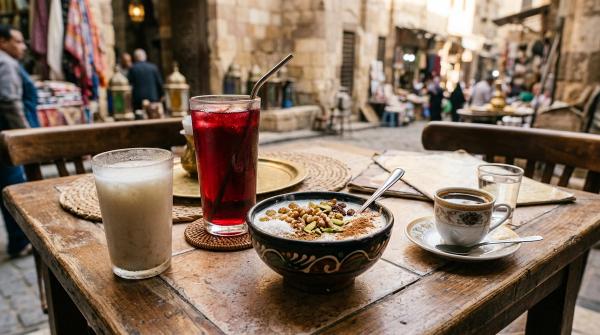
I’ll be honest, before I started poking around Eastern Europe for a budget food trip, I had this dumb stereotype in my head that it was gonna be all grilled meat, sausage, more sausage, and then maybe potatoes looking sad in the corner. Which, okay, yes, there is plenty of meat. A lot. But wow, I was so wrong about the rest of it. If you travel with even a little curiosity, and if you're willing to eat in milk bars, market canteens, train station bakeries, family-run places with weird menus, and those vegan cafes that seem to appear in every cool neighborhood now, Eastern Europe is actually fantastic for vegetarian eating. And pretty affordable still, even in 2026, if you play it smart.
This wasn’t one neat, polished itinerary either. It was more like a string of overnight trains, budget buses, one slightly tragic hostel kitchen in Kraków, a rented room in Sofia where the landlady kept trying to feed me tomatoes from her cousin’s garden, and lots of meals where I was basically pointing at other people’s plates and hoping for the best. Some of my favorite food memories from the whole thing cost less than a fancy coffee back home. That’s not me being dramatic. I ate ridiculously well for like €5 to €12 a meal in a bunch of places, and street food or bakery breakfasts were often way less.
Why Eastern Europe works weirdly well for vegetarian budget travel
#There are a few reasons. First, traditional cuisine in a lot of the region leans hard on vegetables, grains, dairy, mushrooms, beans, dumplings, breads, soups, and seasonal pickles anyway, even if many menus present them beside meat. A lot of old peasant food was built around whatever was cheap and filling, so once you start noticing that, a whole vegetarian universe opens up. Second, the vegan and vegetarian scene has really grown fast in cities like Warsaw, Kraków, Budapest, Prague, Bucharest, Belgrade, Ljubljana, and Sofia. By 2026, plant-based menus aren’t just a hipster side note anymore. In bigger cities especially, it’s normal to see vegan lunch specials, oat milk everywhere, clearly marked allergen menus, and even updated versions of local classics like meatless goulash, vegan burek, or mushroom-filled pierogi. Not every town is easy, but the region overall is way friendlier than people assume.
And third, the current travel trend that’s helped a lot is this whole local-first, low-cost food exploration thing. More travelers are skipping expensive tasting menus and going for market halls, bakery hopping, vegetarian lunch menus, and neighborhood canteens. You see it all over now. In 2026, food tourism is less about showing off and more about finding the place where office workers eat at 1 pm and grandmas buy cheese pastries at 8 in the morning. Honestly, good. That’s where the flavor is anyway.
Poland surprised me the most, no question
#Poland was maybe the place where my old assumptions got completely wrecked. Kraków especially. I arrived on a rainy afternoon, dropped my bag, and walked straight into a bar mleczny, one of those old-school milk bars that are still kind of amazing for budget meals. Historically they were cheap cafeterias, and now they’re this beautiful mix of nostalgia, workers’ lunch spot, student refuge, and accidental tourist discovery. The menu was all soups, pancakes, dumplings, cabbage things, beetroot things, mashed things... basically my dream. I had pierogi ruskie, which are usually filled with potato and twaróg cheese, plus a bowl of barszcz and a kompot. It was filling, hot, deeply comforting, and absurdly cheap.
Warsaw was more modern about it. Lots of vegan spots, lots of specialty coffee, lots of younger travelers and remote workers hovering around plant-filled cafes pretending not to work. But even there, the budget move wasn’t always to go full trendy. The cheapest good meals were often lunch specials, bakery chains with decent savory options, and market food. Hala Mirowska area and neighborhood bars had plenty if you looked. And if you’re vegetarian-not-vegan, Poland is a gift because cheese, sour cream, eggs, and dough are doing a lot of heavy lifting. Maybe too much heavy lifting, honestly. I ate like six beige meals in two days and was weirdly happy about it.
- Best cheap vegetarian things I kept ordering in Poland: pierogi ruskie, naleśniki with cheese or spinach, tomato soup, żurek without sausage if they’d do it, placki ziemniaczane, and all the bakery stuff with mushrooms or cabbage
- Budget reality in 2026: in many Polish cities, a canteen-style lunch can still come in around 25 to 40 PLN, with bakeries and snacks much less
- Tiny warning... ask about broth. A “vegetable” soup sometimes has surprise meat stock hiding in there
The Balkans are heaven if you like pastry, salad, and being fed too much
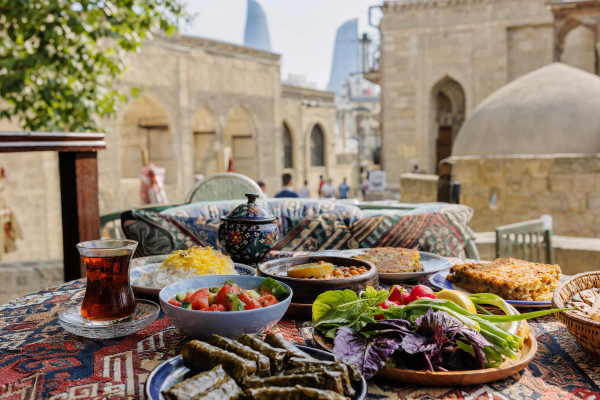
#I think I had my most joyful cheap-eating days in the Balkans. Serbia, Bosnia and Herzegovina, North Macedonia, Bulgaria... these places just understand how to make a simple meal feel abundant. There’s this beautiful thing that happens where tomatoes actually taste like tomatoes, white cheese is salty and perfect, bread is still warm, and someone brings ajvar to the table like it’s no big deal even though it improves everything. In Belgrade I kept living on bakeries in the morning, sit-down lunches in the afternoon, and one giant salad at night because I was trying to convince myself I was being balanced. Was I? Debatable.
Burek is a whole topic. Purists will argue forever about what burek really is, and honestly I was just trying to eat. In practice, across the region, you’ll find flaky pastries filled with cheese, spinach, potato, mushrooms, or combinations of those. Some are called pita, some zeljanica, some sirnica, some shops label them in ways that made zero sense to me. Didn’t matter. If it was hot, flaky, and cost a couple euros, I was in. Sofia was especially good for this. Also banitsa for breakfast with yogurt? Kinda elite. A little greasy, yes. A lot satisfying, also yes.
One of the best budget travel rules I accidentally learned was this: if a bakery has construction workers, old ladies, and teenagers all queueing together, just get in line and stop overthinking it.
Budapest, Prague, and Ljubljana are easier... but you gotta dodge the tourist prices
#These cities are gorgeous and pretty vegetarian-friendly now, but wow they can empty your wallet fast if you only eat in the center. Budapest has no shortage of meat-heavy menus, sure, but it also has excellent hummus spots, modern Hungarian places doing seasonal vegetable dishes, market stalls, and cheap self-service lunch places. I had a mushroom paprikash in Budapest that I still think about. Proper comfort food, silky sauce, dumplings catching all of it. I also found that Indian, Middle Eastern, Georgian, and Vietnamese places were a nice budget reset after days of heavy regional food. Not traditional tourism advice maybe, but real life is real life.
Prague is a bit trickier because the old town can make you feel like every bowl of soup should cost twelve euros for the priviledge of existing near an astronomical clock. Walk a bit. Seriously. In neighborhoods outside the main tourist swirl, vegetarian lunch menus are much saner. Czech food actually has solid vegetarian potential too: fried cheese, potato pancakes, dumplings with cabbage, garlic soup, mushroom dishes, open-faced sandwiches, and lots of desserts if things go emotionally sideways. Which they did once, after I missed a train, and I ended up eating koláče on a station bench while telling myself this was “cultural immersion.”
Ljubljana felt maybe the most polished and eco-minded. Slovenia has leaned hard into sustainable tourism for years, and in 2026 that vibe is still very visible. Farm-to-table isn’t just a buzzword there. Seasonal menus, less food waste, local ingredients, and vegetarian tasting options all feel pretty normal. The thing is, Slovenia isn’t always the cheapest country in the region, so to keep it budget I relied on lunch deals, market snacks, supermarket picnics, and one very good plate of štruklji that I’m still annoyed I can’t replicate at home.
What I actually ate, over and over, without getting bored
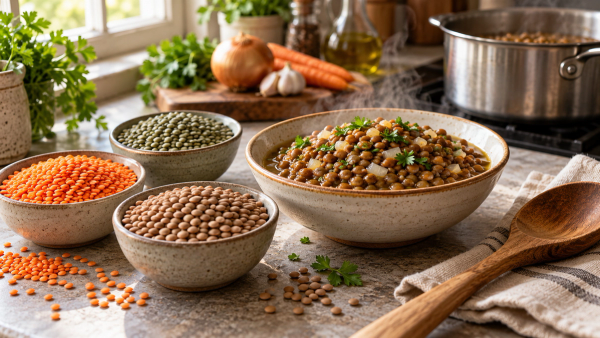
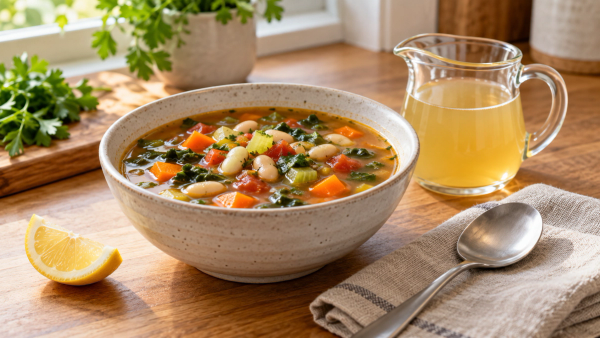
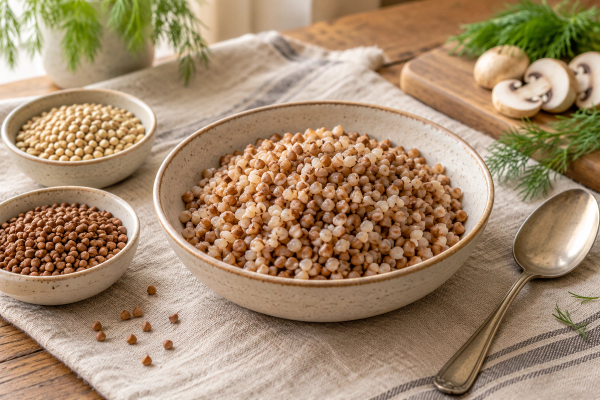
#People ask if vegetarian eating gets repetitive on longer trips and... yes and no. If you only order “the vegetarian option” in tourist restaurants, then yes, eventually you’ll be staring at another grilled vegetable plate wondering what you did wrong. But if you eat what locals actually eat, minus the meat, the range is better than you’d think. I had sour soups, cold yogurt soups, buckwheat dishes, cabbage rolls without meat, mushroom stews, bean casseroles, cheese pancakes, eggplant spreads, potato dumplings, lentil soups, stuffed peppers, poppy seed pastries, plum dumplings, fresh market strawberries with farmer’s cheese, and enough pickled things to become spiritually brined.
- Breakfast was usually bakery food, yogurt, fruit, or something involving cheese and dough
- Lunch was the budget hero meal almost everywhere, especially where daily menus target local workers
- Dinner got expensive only when I got lazy and stayed in tourist zones
- Markets saved me constantly, not just for produce but for prepared salads, pastries, breads, and little regional snacks
A few places and food scenes that felt especially current in 2026
#One thing that’s changed since my earlier trips to the region is how visible plant-based dining has become, even beyond the capitals. It’s not universal, don’t get me wrong, but there’s momentum. In cities like Warsaw and Budapest, vegan restaurants are established enough now that they’re not trying so hard to imitate Western trends, they’re doing local flavors instead. That matters. In Bucharest, I noticed more casual spots with clearly labeled fasting food too, which can be super useful because Orthodox fasting traditions often translate into accidentally vegan dishes. In Bulgaria and Romania, I got into the habit of checking whether a place offered fasting menu items, because that often unlocked bean stews, stuffed peppers, vegetable soups, and spreads for very little money.
Another 2026 thing is the rise of app-led food discovery for budget travelers, but in a less annoying way than before. It’s not just glossy influencers hunting neon lattes anymore. More people are using maps, local review apps, and short-form videos to find old bakeries, weekly farmers markets, and tiny lunch spots before they get overrun. I did this in Cluj-Napoca and in Plovdiv and it helped a ton. Also, food halls are still trendy, but I’d say they’re hit-or-miss for budgets. Some are great for sampling, some are basically Instagram traps with industrial lighting and ten-euro lemonade. You can usually tell within thirty seconds which is which.
My favorite budget strategy was honestly pretty boring, but it worked
#I’d do one proper sit-down local meal a day, then keep the rest simple. Coffee and pastry in the morning. Big lunch special somewhere with actual napkins. Fruit, kefir, bakery snack, or supermarket picnic later. Then maybe a beer or ayran or compote depending on the country and my mood. This kept costs low and also meant I wasn’t chasing restaurant reservations all the time. Eastern Europe is really good for this style of eating because the casual food culture is strong. You don’t need every meal to be an event.
- Look for words like postno, fasting, vegetarian, wege, bez mesa, zeleninové, or just ask directly if there’s no meat or broth
- Bakeries are your friend, but go earlier for the good stuff
- Lunch menus are often the sweet spot for value, especially on weekdays
- At markets, don’t just buy ingredients. Check the back corners for cooked food counters and aunties serving soup
- If a restaurant has laminated photos of every dish in three languages right beside the main square... maybe keep walking
A couple places where I messed up, because obviously I did
#Not every meal was a triumph. In rural areas, I definitely had moments where “vegetarian” translated to “you can remove the ham yourself.” In one town in Romania, I confidently ordered stuffed cabbage after seeing it listed under a section I thought was meat-free. Reader, it was not. In another place, I asked if the bean soup had meat and the waiter said no, but then seemed to remember halfway through my bowl that the stock came from smoked something-or-other. These things happen. I’m not saying it’s impossible outside cities, just that flexibility helps, and learning a few key phrases helps even more.
Also, I sometimes overcorrected and ended up in ultra-modern vegan places paying capital-city prices for tiny artful plates when ten minutes away there was almost certainly a grandmother-powered kitchen making giant potato pancakes for half the cost. I like the modern places too, to be clear. Some were excellent. But if your goal is budget travel, the trick is balance. A cool vegan brunch one day, a canteen tray lunch the next. Otherwise your wallet starts making these sad little noises.
So... is Eastern Europe good for vegetarian travelers on a budget? Yeah, actually, very
#I’d go further than that. I think it’s one of the most underrated regions for this exact style of travel. You get deep food traditions, strong bakery culture, beautiful produce in season, lots of comforting carb-based dishes, and a plant-based scene that’s grown up a lot by 2026 without becoming totally soulless. It still feels connected to place. That’s what I loved. You’re not just eating generic avocado toast with a different currency. You’re eating cheese pies in Sarajevo, mushroom dumplings in Kraków, tomato salad in Sofia, market soup in Budapest, plum pastries on a train somewhere between two towns you can’t pronounce properly. That’s the good stuff.
If I was planning the trip again, I’d probably build it around a few anchor cities with easy vegetarian scenes, then add smaller towns in between for bakeries, markets, and everyday food. Poland for dumplings and milk bars. Bulgaria for banitsa, shopska salad, and summer produce. Serbia and Bosnia for pastries, spreads, and bakery breakfasts. Hungary for soups and paprika comfort. Romania for fasting dishes and market eating. Slovenia if you want a greener, more polished stop and don’t mind budgeting carefully. And I’d still leave room to wander, because some of the best meals happened when I was just hungry and a little lost, which, now that I think about it, is basically my travel personality in one sentence.
Anyway, if you’ve been avoiding Eastern Europe because you thought vegetarian food would be hard or expensive, I really think you should reconsider. Go hungry, ask questions, learn the local words for cheese, mushrooms, beans, and no meat, and trust the bakeries. Always trust the bakeries. And if you want more rambling food-and-travel stories like this, poke around AllBlogs.in, there’s some fun stuff there too.