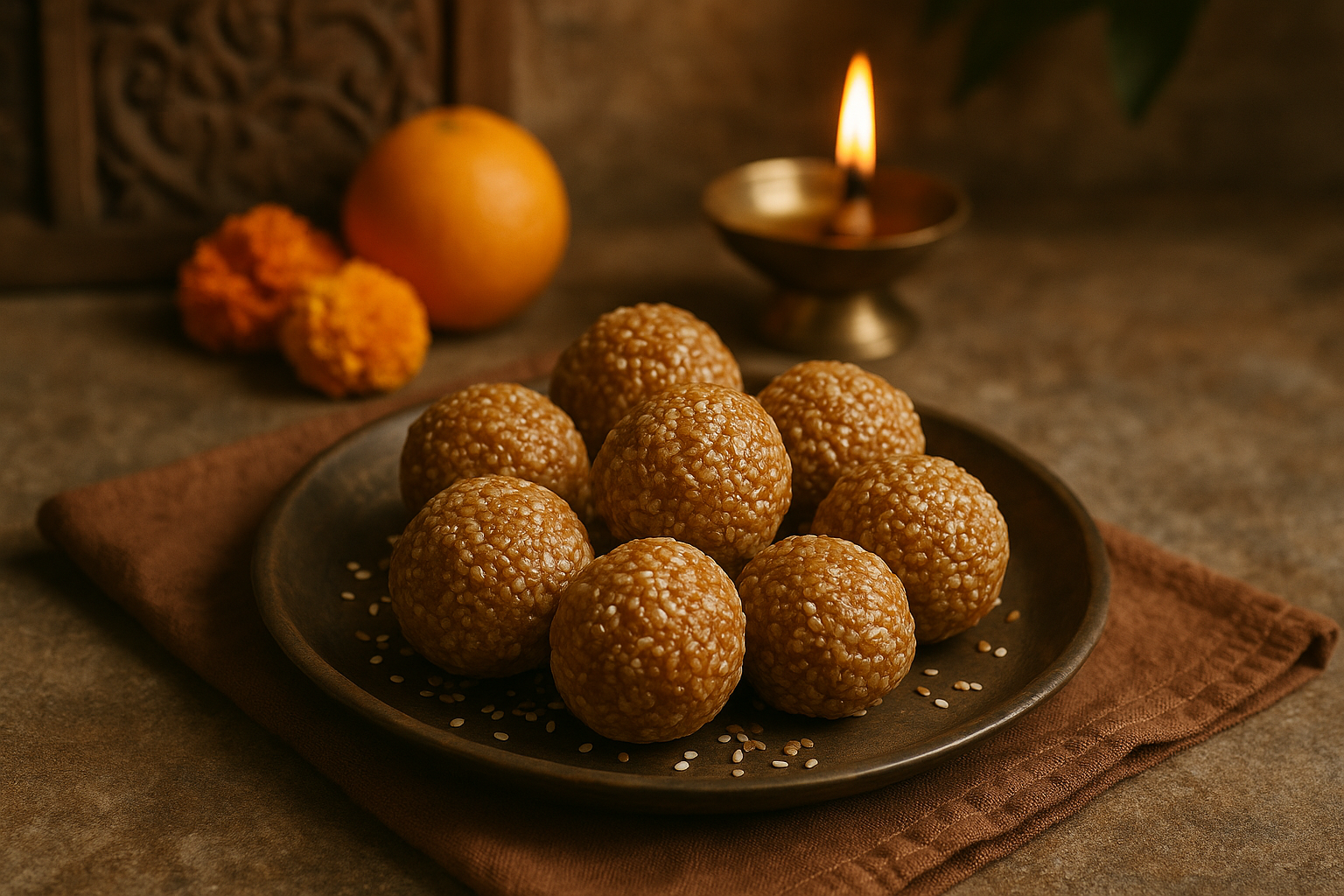
Every year Hanuman Jayanti sneaks up on me in this very specific way. First somebody in the family asks if I bought jaggery. Then my mother starts talking about boondi like it is a matter of national importance. Then I remember, oh right, this is not just another festival day, this is Hanuman Jayanti, and food on this day carries that mix of bhakti, simplicity, strength, and childhood memory that honestly gets me a little emotional. In 2026, Hanuman Jayanti will be observed in many parts of India on Thursday, April 2, especially for the Chaitra Purnima celebration, though some regions follow different calendars and mark it on other dates too. That regional variation is very India, very normal, and kinda beautiful actually.
I should say this up top, I am not writing as some grand authority sitting on a pile of scriptures and stainless steel thalis. I’m writing as that person who has hovered over a kadai checking if the besan laddoo smell right, who has broken a fast badly with way too many fried potatoes, who has stood outside a Hanuman temple at sunrise holding a small dabba of boondi and trying not to cry for reasons I cant totally explain. Food and faith do that. They hit weirdly deep.
Why Hanuman Jayanti food feels different, at least to me
#Hanuman ji is associated with strength, discipline, devotion, and sattvic simplicity, so the bhog traditions around the day usually reflect that. Not flashy, not over-complicated, but deeply comforting. Across homes and temples, the most common offerings people talk about are boondi, besan laddoo, churma, jaggery, bananas, tulsi where appropriate in devotional settings, and simple fruit-based or vrat-friendly preparations depending on family custom. In North India I’ve most often seen boondi or laddoo as the emotional center of the plate. In Maharashtra, some homes keep it super simple with fruits and naivedya that doesn’t feel heavy at all. Down South and in parts of Karnataka and Andhra, the observance style can shift with local temple traditions, and the food does too. There isn’t one single menu, which honestly makes the whole thing more interesting.
The best festival bhog isn’t the fanciest one. It’s the one made with clean hands, a calm-ish mind, and at least a little patience, which I do not always have lol.
The bhog I grew up waiting for: boondi, always boondi
#If you ask me what Hanuman Jayanti smells like, I’ll say hot ghee and fried gram flour droplets. Boondi was the thing in our house. Not the neon orange halwai-shop kind, though I’m not above eating that either, but softer home-style boondi with cardamom and just enough syrup to make it glisten. My nani used to say Hanuman ji likes simple sweet offerings made with shraddha, and for her that meant boondi done right. No shortcuts. Besan had to be whisked till smooth, the syrup could not be too thick, and someone always messed up the first batch. Usually me.
These days, I still make it, but with tiny updates I’ve picked up from modern kitchens in 2026. A lot of home cooks are using temperature clips or induction control to fry more evenly, and honestly? useful. I’ve also noticed a current trend toward smaller-batch festival sweets because people want freshness over quantity. Less waste, better taste. A few boutique mithai brands in metro cities are doing jaggery boondi and millet besan laddoo versions too, which I was skeptical about, not gonna lie. Some are gimmicky. But one jaggery boondi I tasted this year in Bengaluru was actually lovely, deeper flavor, less cloying, a little earthy. I stand corrected.
Popular Hanuman Jayanti bhog traditions you’ll see in 2026 homes and temples
#A lot of this depends on region, family, and sampradaya, but these are the foods I keep seeing again and again when talking to friends, visiting temples, and basically poking my nose into everybody’s festive kitchen.
- Boondi or boondi laddoo, especially at Hanuman temples where prasad distribution is a big part of the day
- Besan laddoo made with ghee, cardamom, and sometimes edible gum in some homes for a more rich, old-school texture
- Churma or atta-based sweet crumble in families that prefer wheat-based bhog
- Bananas, guava, seasonal fruit, and coconut as simple sattvic offering items
- Jaggery and roasted chana, which feels humble and perfect for the day
- Sabudana khichdi, vrat aloo, sama rice khichdi, kuttu or singhare atta dishes for those observing a fast
- Milk, mishri, makhana kheer, or peanut-curd vrat bowls in more health-conscious urban homes
That last one, by the way, is where 2026 has really changed things. Fasting food is no longer automatically code for oily and beige. People are making genuinely thoughtful vrat menus now. High-protein vrat thalis are all over food reels, with makhana, peanuts, amaranth, coconut yogurt, and even air-fried sweet potato chaat showing up. Some of it is trend-chasing, sure, but some of it is a very practical correction to the old mistake of fasting all day and then eating a mountain of fried sabudana vada at 8 pm. Been there. Regret that.
My ideal Hanuman Jayanti plate, if I’m cooking at home
#This changes every year because I am moody and also because summer hits differently now, but my favorite balanced setup is pretty simple. First, the bhog plate itself: boondi, banana, jaggery, roasted chana, and water. If I’m making an extended family meal after puja, then I’ll usually do a small vrat-friendly spread for those fasting and a regular sattvic meal for others. So maybe sabudana khichdi with peanut crunch, dahi aloo with sendha namak, cucumber, chilled chaas for non-fasters depending on family custom, and a tiny bowl of makhana kheer. Tiny bowl. In theory. I always refill it.
One thing I learnt the hard way is that fasting food still needs contrast. Soft plus crunchy, sweet plus lightly salty, cooling plus filling. Otherwise everything starts tasting flat by afternoon and people get cranky. Festival cooking is spirituality, yes, but also crowd management if your relatives are involved.
Fasting tips that are actually useful, not preachy
#Okay so, obvious disclaimer, if you’ve got diabetes, acidity issues, are pregnant, dealing with medical stuff, or on medication, please adapt the fast properly and ask a doctor if needed. Devotion doesn’t require you to feel awful. I wish more people said that openly.
- Start hydrating the night before. Not in a dramatic 4-liters-at-once way. Just normal steady water, maybe coconut water if it suits you.
- Don’t begin the day with only tea. I know, I know. But if you do that and then stand in a crowded temple queue, things can go sideways fast.
- Use peanut, coconut, curd, milk, or makhana strategically so your vrat meal has some staying power.
- If you’re doing sabudana, soak it properly. Soggy sabudana is tragic and weirdly exhausting to eat.
- Go easy on deep-fried vrat snacks till evening. You think they’ll help. They mostly make you sleepy and thirsty.
- Break the fast slowly with fruit or a light preparation first, then move to richer food. Your stomach will bless you.
Also, sendha namak matters more than people think for flavor. If your vrat food tastes sad, it’s usually not because fasting food is boring, it’s because the balance is off. Add lemon if your family tradition allows. Add roasted peanut powder. Add black pepper. Wake it up a bit.
A quick note on what’s trending in 2026 fasting kitchens
#I was scrolling way too much this season and noticed a few clear things. One, cold-set makhana parfaits have become weirdly popular among younger home cooks, layered with hung curd, fruit, and a little jaggery. Two, amaranth pops are replacing plain fried farali namkeen in some homes because they’re lighter and honestly kinda fun. Three, small-batch stone-ground flours from regional brands are having a moment, especially kuttu and rajgira, because people suddenly care about texture again. And four, temple-inspired prasad boxes are a thing now in cities like Delhi, Mumbai, and Hyderabad, where sweet shops do curated festive packs with boondi, dry fruit, and vrat snacks in cleaner, less over-designed packaging. About time.
I have mixed feelings about all this innovation. Sometimes I love it. Sometimes I’m like please stop turning every devotional food into a wellness startup. But if a better technique helps younger people cook festival food at home instead of only ordering, I’m for it. Mostly.
Restaurants, sweet shops, and the eternal question: should you buy or make the bhog?
#My answer is annoying: depends. For bhog, home-made has an emotional pull that store-bought can’t really copy. Even slightly uneven laddoos feel more alive to me. But not everybody has time, energy, or the confidence to fry boondi before work on a weekday festival, and that’s fine. In 2026, mithai shops have gotten much better at smaller premium batches, cleaner ghee profiles, and clearer ingredient labeling, especially in big cities. I’ve had very good boondi laddoos recently from legacy sweet shops that still roast besan patiently instead of just blasting sugar at you.
I’m not going to invent fake restaurant stories here, but I will say this: if you’re buying for prasad, choose a trusted local mithai place with high turnover, ask when the batch was made, and avoid overly perfumed sweets. Freshness matters more than fancy boxing. And if your neighborhood halwai is still doing warm boondi in the morning, support that person. We are losing too many of those old-school food anchors.
Simple bhog ideas if you’re short on time, energy, or patience
#Not every Hanuman Jayanti has to look like a magazine spread. Some years life is messy. Some years you are working, commuting, managing kids, caring for someone, or just tired in your bones. On those days, a meaningful offering can still be very simple.
- Banana + jaggery + roasted chana + clean water on a small plate
- Ready boondi from a trusted shop, transferred respectfully and offered fresh
- A quick atta churma with ghee and powdered jaggery
- Fruit bowl with coconut pieces and a few tulsi-free devotional flowers nearby depending on your custom
- Makhana roasted in ghee with a little crushed mishri on the side
I know some people get nervous that simple means inadequate. I really don’t think so. Festival food should come from sincerity, not performance. Instagram has done enough damage already lol.
My most embarrassing fasting mistake, since we’re being honest
#A few years ago I decided I was going to do a very disciplined fast and also somehow deep-clean the kitchen before guests arrived. Great plan, genius. By 2 pm I had consumed one cup of tea, half a banana, and pure overconfidence. Then I made sabudana khichdi too spicy, got dehydrated, and ended up lying under the fan dramatically while my aunt finished the tempering. Since then I’ve become extremely boring about practical fasting. Prep ahead. Keep fruit washed. Soak sabudana correctly. Roast peanuts in advance. Don’t martyr yourself for no reason. Hanuman ji, of all deities, represents strength with service, not pointless self-destruction.
If you want one really good home recipe idea, make this easy boondi-style prasad shortcut
#Purists, pls don’t come for me. This is for busy people. Make a smooth besan batter with water, a tiny pinch of cardamom later, and fry small droplets through a perforated spoon into medium-hot ghee or oil. Keep the boondi soft, not super crisp. Toss it in a light one-string-ish syrup flavored with cardamom. Add a few crushed melon seeds if you like, though my nani would call that showing off. Rest it just enough so it absorbs but doesn’t collapse. Offer warm or room temp. It’s not temple-scale boondi, but it has heart.
What I think matters most on Hanuman Jayanti 2026
#Not whether your laddoo is perfectly round. Not whether your vrat spread has the latest millet hack. Not whether you bought from a famous sweet shop or made everything from scratch while listening to the Hanuman Chalisa on loop. What matters is that the food feels clean, intentional, and shared. Share with family, neighbors, temple volunteers, delivery staff if you can, kids who show up at the gate, whoever crosses your path kindly. Prasad is not content. It’s connection.
So yeah, that’s my very food-lover, very slightly chaotic guide to Hanuman Jayanti 2026. Make the boondi if you can. Keep the fast sensible. Don’t overcomplicate the bhog. And if all else fails, banana, jaggery, devotion, done. If you like reading this sort of festive-food rambling, wander over to AllBlogs.in sometime, there’s always something tasty or thoughtful there.