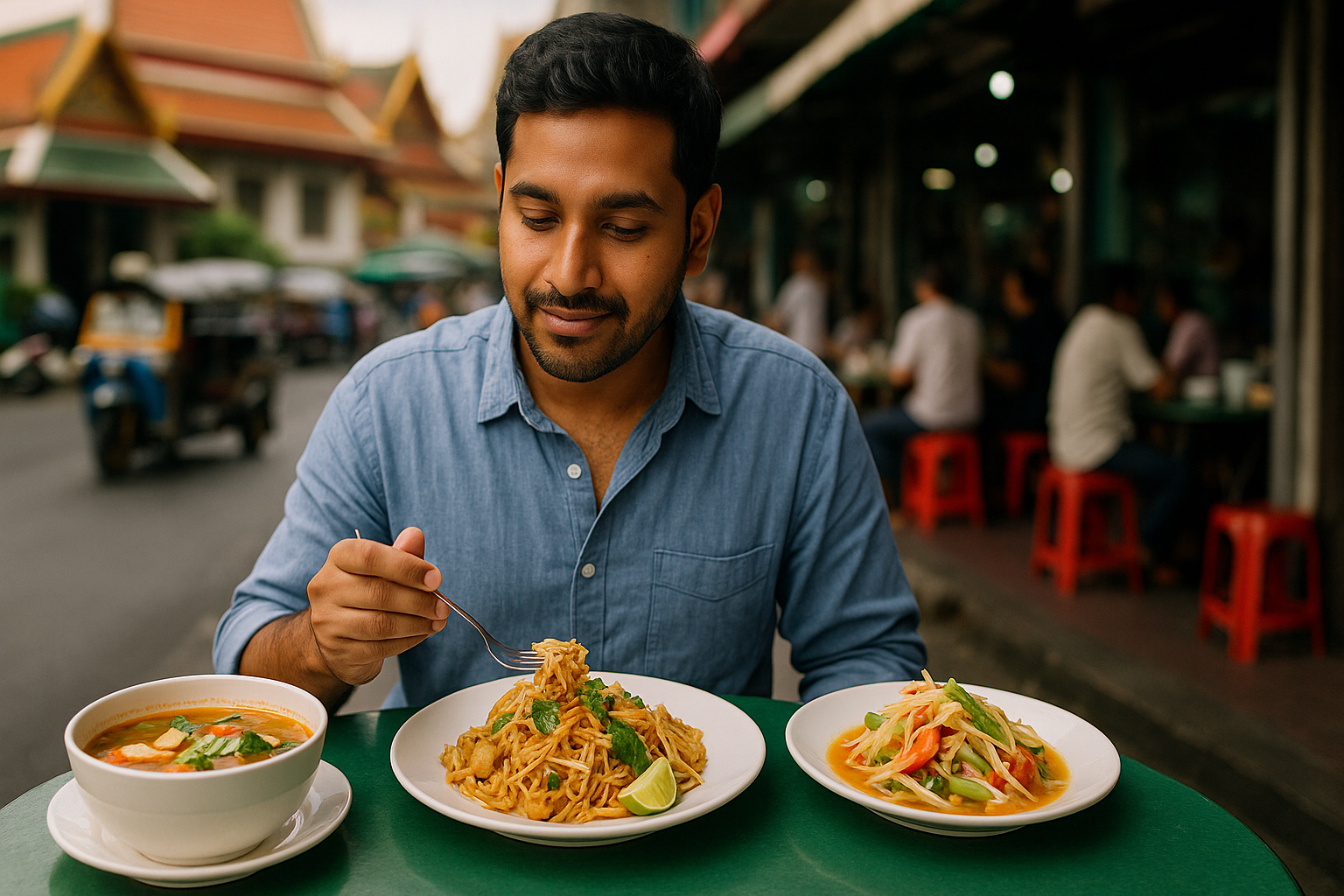
I’m gonna be honest, Bangkok used to intimidate me a bit. Not because of the traffic, though yeah, the traffic is bonkers, but because I’m vegetarian and Indian and I had this old-school fear that every Thai dish would secretly have fish sauce, shrimp paste, oyster sauce, or some mysterious stock lurking in it. And, um, that fear is not totally irrational. Thai food can be amazing for vegetarians, but only if you know how to ask, where to go, and when to just walk away from the very suspicious “veg” stir-fry. I spent a recent trip basically eating my way across Bangkok with this exact mission, and wow... turns out the city is way more vegetarian-friendly than people assume, especially now. Between Bangkok’s long-standing jay food culture, modern plant-based cafes, Indian restaurants that don’t feel like sad backup plans, and food courts where customization is actually possible, it’s become one of the easiest Southeast Asian cities for Indian vegetarians if you do a tiny bit of homework.
Also, quick thing before we get into the food. Bangkok in 2026 feels very food-travel savvy. Lots of places have QR menus with allergen icons now, some newer cafes are leaning into plant-based tasting menus, and even regular restaurants are more used to hearing words like vegan, no fish sauce, no egg, no oyster sauce. Not everywhere, obviously. You still gotta ask twice sometimes. But compared to even a few years back, the city feels easier to navigate for anyone with dietary preferences. I noticed more English labeling in malls and lifestyle food halls too, especially around Sukhumvit, Siam, Ari, and Charoenkrung. So if you’ve been putting off Bangkok because you think you’ll survive only on mango sticky rice and fries... nah, you can eat really, really well here.
First thing I learned the hard way — “vegetarian” and “actually vegetarian” are not always the same thing
#My first evening, I was exhausted and overconfident. Deadly combo. I walked into a cute local place near my hotel, saw a dish labeled vegetable noodles, smiled like I had life figured out, and ordered it. The bowl arrived smelling amazing. Then I took one sip and immediately got that deep, funky seafood note. Fish sauce. Classic. The server was nice about it, but that was my welcome-to-Bangkok lesson. In Thailand, a dish can look meatless and still have fish sauce, shrimp paste, oyster sauce, or broth made with meat. If you’re Indian vegetarian, especially if you’re strict about onion-garlic on some days or completely avoid egg too, it matters to be really specific.
The magic phrase that saved me again and again was basically: “gin jay” for strict vegan-style Buddhist vegetarian food, or “mai sai nam pla, mai sai khai, mai sai nam man hoy” — no fish sauce, no egg, no oyster sauce. My accent was probably terrible, but people understood the effort.
If you can, save these in your phone in Thai script before you go. Seriously. It saves confusion and awkward smiling. And if you happen to travel during the Bangkok Vegetarian Festival period connected with the wider Nine Emperor Gods celebrations later in the year, then the city gets even more fun because jay stalls pop up in more places, with yellow flags marking strict vegetarian food. Not every trip lines up with that, mine didn’t, but the influence of that culture is there year-round in parts of the city, especially in older Thai-Chinese neighborhoods.
Where I found the easiest vegetarian meals — neighborhood by neighborhood, not just random “top 10” fluff
#This is where Bangkok gets interesting. Different areas have totally different food personalities, and as an Indian traveler you’ll probably enjoy some more than others. Sukhumvit is the easy landing pad. It has loads of Indian restaurants, international vegan cafes, malls, and transport links. It’s not the most romantic version of Bangkok, maybe, but if you’re arriving late and just want a guaranteed dal-chawal situation or dosa after a long flight, it’s a lifesaver. Around Asok, Nana, and Phrom Phong I found plenty of Indian food, plus healthy cafes with tofu bowls, smoothie breakfasts, vegan desserts, all that 2026 wellness-city stuff Bangkok does so well now.
Then there’s Ari, which I kind of loved more than I expected. It’s got this leafy, slightly hipster-but-not-annoying energy, and a lot of coffee shops and brunch spots now take plant-based food pretty seriously. You can find sourdough toasts with mushroom pâté, Thai-inspired vegan rice bowls, coconut ice cream, and some excellent specialty coffee if you care about that sort of thing, which I do maybe too much. Charoenkrung and Talat Noi felt more old-meets-new. I spent one afternoon there temple-hopping, peeking into galleries, then ending with vegetarian Thai food in a restored shophouse cafe. That area has become one of Bangkok’s more interesting culinary zones lately, especially if you like food with atmosphere, not just convenience.
Yaowarat, Bangkok’s Chinatown, is a little trickier but very rewarding. You have to be alert because lots of things contain hidden animal products, but there are Thai-Chinese vegetarian eateries and jay stalls if you look carefully. I found some fake-meat dishes there that were weirdly convincing, in a good way, and some not-convincing-at-all ones that I still enjoyed because the sauces and wok hei were fantastic. And then malls — yes, malls, hear me out — are brilliant for vegetarians in Bangkok. Places like EmQuartier, Terminal 21, CentralWorld, Siam Paragon food halls, ICONSIAM... they’re not exactly backpacker romance, but if your family has mixed food preferences or someone wants AC and reliable menus, these places are gold.
The Thai vegetarian dishes I kept chasing, and what Indian travelers usually end up loving
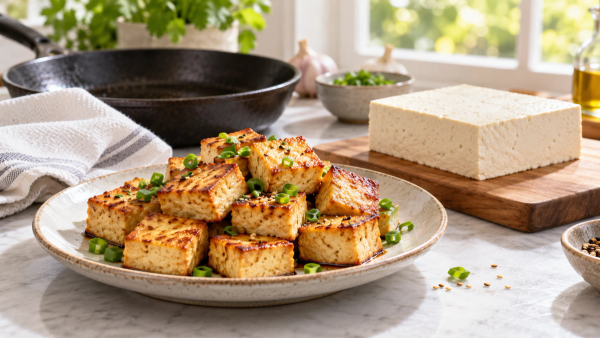
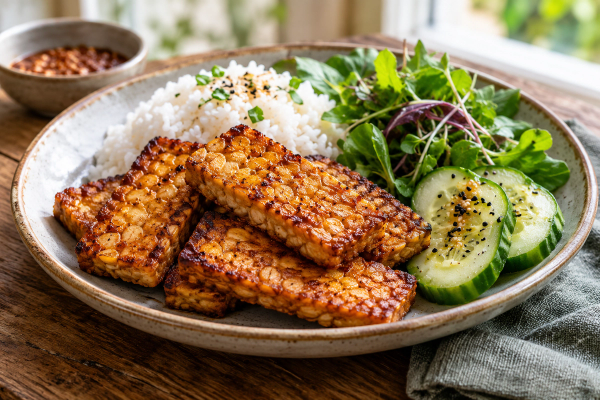
#People always ask, “But what can we actually eat?” Quite a lot, actually, though some dishes need modification. Pad Thai can be made vegetarian if you clearly ask for no fish sauce and no dried shrimp, and preferably no egg if that matters to you. Stir-fried morning glory, basil tofu, green curry with tofu, red curry with vegetables, fried rice with veggies, papaya salad without fish sauce or dried shrimp, tom yum made vegetarian, and simple rice-and-three-dish places with tofu options can all work. There’s also this whole world of Thai Buddhist vegetarian food where mock duck, mock pork, mushroom proteins, tofu skin, and soy-based meats are used in surprisingly creative ways. Some of it reminded me of Indian temple-town meals in the sense that food there wasn’t trying to imitate meat for trendiness, it had its own old cultural logic.
- Mango sticky rice — obvious, yes, but still one of the great joy-bringing desserts of the world
- Som tam if made properly vegetarian — punchy, spicy, fresh, kinda addictive
- Vegetarian yellow curry with jasmine rice — comforting and easy for less adventurous eaters
- Boat-noodle style vegetarian noodle soups from vegan shops — not traditional maybe, but insanely satisfying
- Thai roti with banana or condensed milk — not healthy, not sorry
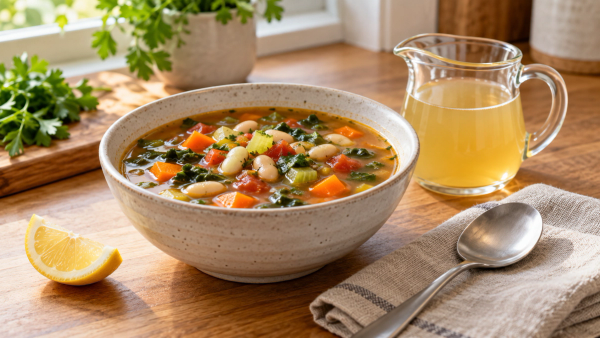
For Indian travelers specifically, I think the easiest crossover flavors are curries, stir-fries with jasmine rice, chili-basil tofu, and noodle dishes with lots of lime and peanuts. If you enjoy bold flavors at home, Bangkok won’t bore you. What did surprise me was how much I loved the lighter stuff — herbal soups, grilled mushrooms with nam jim-style vegetarian dipping sauces, fresh tropical fruit with chili salt. In the heat, heavy food every meal gets tiring, and Bangkok’s balance of sour, spicy, sweet, salty just works. Well, unless you accidentally ask for Thai spicy. Then you may briefly leave your body.
A few places and food styles that genuinely worked for me
#I’m not gonna pretend every meal was some cinematic revelation, but a few spots and formats really delivered. One of the safest bets is seeking out dedicated vegan or jay restaurants rather than endlessly negotiating at regular places. In central Bangkok, there are fully plant-based cafes doing modern Thai plates, smoothie bowls, pastries, and coffee, which is great for breakfast or work-friendly afternoons. Around Sukhumvit, I found Indian restaurants serving proper North Indian and South Indian food — the kind where you can get paneer tikka, dal tadka, masala dosa, chole bhature, and leave feeling emotionally repaired. Some are a bit pricey compared to India obviously, but for families or anyone nervous about local menus, they’re worth it. And yes, many of these places also handle Jain-style requests better than random street stalls do.
For more local vegetarian experiences, I had really good luck with Thai-Chinese vegetarian eateries that display the yellow-red jay sign. These places often have trays of curries, stir-fried greens, tofu dishes, mock meats, soups, and rice. You point, you pay, you eat, and suddenly you’re having one of the cheapest and most filling lunches in the city. I remember one meal near a market where I got rice, a rich tofu curry, stir-fried long beans, and a fake roast duck thing that looked ridiculous but tasted smoky and delicious. Cost me less than a fancy coffee back home. That’s another thing people don’t tell you enough — vegetarian food in Bangkok doesn’t have to be expensive at all if you move beyond curated Instagram cafes.
Street food... yes, but use your eyes and your instincts
#Street food is where everybody gets dreamy about Bangkok, and fair enough, the city still delivers. But if you’re vegetarian, this is the area where common sense matters most. Fresh fruit carts? Usually fantastic. Coconut ice cream? Great, just check toppings. Grilled corn, sweet potatoes, banana roti, mango sticky rice, some fried snacks, okay. Noodle carts and curry stalls are more complicated because broths and sauces are where the hidden stuff is. I’m not saying avoid street food, not at all, just choose vendors who understand your request or clearly specialize in jay items. One morning I found a tiny stall doing fresh soy milk, sesame buns, and steamed vegetarian dumplings and it was one of my favorite breakfasts of the whole trip. Another night I nearly bought spring rolls from a stall that also fried shrimp in the same oil and had fish sauce on basically everything. So... mixed bag.
The very Indian question — should you pack thepla, poha cups, and emergency snacks?
#Yes. Sorry, but yes. Even though Bangkok is much easier now, I still think Indian vegetarians should carry a backup kit, especially for flights, late-night arrivals, day trips, or weirdly timed temple visits. I had khakra, some protein bars, instant poha, and a tiny stash of masala peanuts in my bag, and I regret nothing. There was one long shopping-and-sightseeing day where I got so distracted at Wat Arun and then on the ferry and then at a flower market that by 4 pm I was starving in that angry, irrational way. My emergency snacks prevented me from making terrible food decisions. This is not glamorous travel advice, but it’s very real-world.
- Learn or screenshot a few Thai phrases for no fish sauce, no oyster sauce, no egg, vegetarian, vegan, and spicy less
- Use mall food courts on day one if you’re overwhelmed — easier menus, lots of choice, clean bathrooms too, which matters more than travel blogs admit
- Seek the yellow jay sign whenever you can for stricter vegetarian food
- If you’re Jain or very strict, Indian restaurants remain the safest option, especially in Sukhumvit
- Always ask again, even if the menu says vegetable or vegan. Annoying, but worth it
What Bangkok is doing right in 2026 for food travelers, beyond just “good restaurants”
#One thing I noticed this trip is that Bangkok’s food scene has become more experience-driven, but not in a fake way. There’s a stronger farm-to-table conversation now in some restaurants, more low-waste dining language, and more plant-based innovation that doesn’t feel like a copy of London or Singapore. You’ll see vegan croissants, cashew-based cheeses, mushroom kebabs, pandan desserts done in modern formats, and tasting menus where Thai vegetables are the stars instead of side characters. Delivery apps and map apps also make things easier, because reviews now often mention whether a place can do vegan or vegetarian adaptations. It sounds small, but for travelers it changes everything.
I also felt Bangkok is leaning harder into neighborhood food identity, which I love. Instead of just giant “must-eat” lists, people are exploring local communities through food walks, canal-side cafes, old market breakfasts, and chef-led reinterpretations of heritage dishes. For Indian travelers, that means you can build a trip around appetite as much as sightseeing. Spend one day around the river and old city with temple visits and Thai vegetarian lunch. Another in Ari for brunch and coffee. Another around Sukhumvit with Indian dinner and maybe a rooftop mocktail after. The city supports that kind of eating now. It feels less like you have to hunt desperately for vegetarian food and more like you can actually be choosy. Which, honestly, is the dream.
My favorite day of eating in Bangkok, the one I keep replaying in my head
#Okay, this was such a good day. I started in Ari with coffee and a plant-based breakfast that was half Thai, half international — grilled sourdough, herbed mushrooms, roasted tomatoes, and a spicy little side salad that woke me up better than the espresso did. Then I took the BTS, wandered with no real plan, ended up browsing shops way too long, and by lunch found a Thai vegetarian place with trays of curries. I pointed at three things, sat under a fan, and ate one of those simple meals that makes you stupidly happy. Later I crossed the river for sunset views, grabbed mango sticky rice from a vendor, and at night met friends for Indian food because suddenly all of us were craving dal, tandoori rotis, and something familiar. That’s what I loved about Bangkok. It never forced me into some pure-authenticity performance. I could eat local, modern, nostalgic, cheap, fancy, all in one day and none of it felt wrong.
And weirdly, that mix is why I’d recommend Bangkok to Indian vegetarians more strongly now than ever before. You don’t have to prove anything. If one meal is traditional Thai jay food and the next is paneer butter masala, who cares. Travel is supposed to be joyful, not a test. I used to feel slightly guilty ordering Indian food abroad, like I was missing out. Now I think that’s nonsense. Sometimes comfort food lets you be more adventurous the next day. Also after a brutal level-10 Thai chili hit, a calm plate of jeera rice can feel like spiritual healing lol.
A few honest cautions, because not every “veg-friendly” guide says this part
#Bangkok is vegetarian-friendly, yes, but not mindless. Don’t assume sauces are safe. Don’t assume soup bases are vegetable. Don’t assume curry paste is meat-free because there’s no visible meat. Watch for cross-contamination if that matters to you. If you have elderly parents traveling with you, maybe plan at least one dependable meal a day instead of winging every single thing. If you’re with kids, keep fruit, biscuits, or snacks handy because sightseeing distances can be long and Bangkok heat is draining. And if you’re the sort who gets homesick for chai, carry tea bags. I’m so serious. Good coffee is easy. Good masala chai in exactly the way your soul wants it... less guaranteed.
Also, season matters. Bangkok’s heat and sudden rain can shape what and where you eat. During heavy showers I was deeply grateful for indoor food halls and covered markets. During very hot afternoons, all I wanted was iced drinks, fruit, and quick meals rather than giant feasts. So leave a little flexibility in your plan. Some of the best food moments happened when I abandoned my list, ducked into somewhere because it looked busy and smelled nice, and then carefully asked my fish-sauce-prevention questions like a slightly paranoid but well-fed person.
So... is Bangkok worth it for Indian vegetarians? 100 percent, with a tiny asterisk
#Yes, absolutely yes. The asterisk is just that you need awareness, not fear. Bangkok won’t hand vegetarian food to you on autopilot, but it offers far more than people think — from affordable jay canteens and local tofu curries to polished vegan cafes and excellent Indian restaurants when you want familiar flavors. Add in temples, markets, ferries, malls, old neighborhoods, rooftop views, and that chaotic, addictive city energy, and it becomes one of those places where food and travel kinda fuse together. I came back with way too many photos of noodles, sticky rice, curry trays, fruit carts, and coffee cups. No regrets. If you’re an Indian traveler who plans around meals, same as me, Bangkok can be a delicious little obsession.
If I went again tomorrow, I’d still pack snacks, still save my Thai phrases, still double-check every sauce... but I’d go with way less anxiety and way more appetite. Which is maybe the whole point of a good food guide, right? To help you skip the rookie mistakes and get straight to the fun part. Anyway, if you’re into this kind of food-and-travel rambling, you should poke around AllBlogs.in too — lots of good stuff there for fellow hungry travelers.