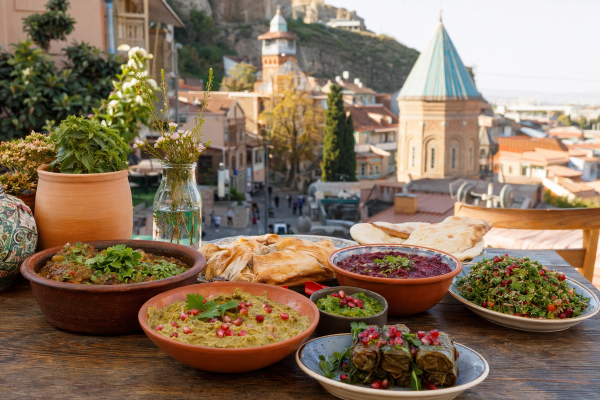
There is a very specific smell that hits you on an Indian highway in the monsoon. Wet mud, diesel, frying chillies, damp clothes, hot chai, and that slightly smoky tandoor smell coming from a dhaba that looks either like heaven or a stomachache waiting to happen. I love it. I really do. But after doing rainy road trips with kids, I’ve become that annoying person who scans the kitchen before scanning the menu. Not because I don’t trust dhabas. Some of my best meals in India have been at highway dhabas. But kids are different, yaar. A bad pakora for me is a ruined afternoon. A bad pakora for a child is tears, feverish worry, three emergency stops, and me questioning all my life choices somewhere near a toll plaza.
This guide is basically what I’ve learnt from Mumbai-Pune rainy runs, Delhi-Jaipur winter-meets-monsoon chaos, Konkan drives where the rain comes sideways, and one very memorable Andhra highway meal where my daughter announced she wanted “only white rice and crunchy papad” like she was a food critic. I’m not a doctor, obviously, just a food-and-road-trip person who has made mistakes and now has rules. Some are boring. Some are mildly obsessive. But they’ve saved us more than once.
First Thing: Monsoon Food Is Not Regular Road Trip Food
#In dry weather I’ll be more relaxed. I’ll eat the chutney, I’ll try the lassi, I’ll say yes to that mysterious pickle in the steel bowl. In monsoon, everything changes. Humidity keeps food damp, flies get bold, water logging messes with cleanliness, and places that are usually decent can suddenly feel a bit off. The World Health Organization’s basic food safety ideas are boring but useful here: clean hands, safe water, properly cooked food, keeping raw and cooked food separate, and not leaving cooked food sitting around at unsafe temperatures. FSSAI also keeps repeating the same kind of common-sense hygiene guidance for food businesses and consumers. Honestly, on highways, common sense is the whole game.
The biggest shift for me was realising that “famous dhaba” does not always mean “safe for kids today.” Maybe it was brilliant last summer. Maybe your cousin swears by it. But if the floor is muddy, the handwash tap is dry, the cook is handling raw chicken and then rotis, and the chutney has been sunbathing since morning, I don’t care how many reels were made there. We move on. Kids can eat a banana in the car and be dramatic for twenty minutes. Better than the alternative.
My 90-Second Dhaba Scan Before We Even Sit
#I do this little scan now, and yes my family teases me for it. I get out, stretch like I’m only checking the rain, then I look around. Is there running water? Are plates being washed properly or just dipped in one grey bucket? Is the food covered? Are flies partying near the counter? Is the kitchen visible enough to see what’s going on? Are families eating there, not just truck drivers who may have stronger stomachs than all of us combined? Is the washroom usable, especially for kids? Sometimes the answer is a quick yes. Sometimes it’s a no dressed up as “maybe.”
- A busy dhaba is good only if food is moving fast. Busy with old food sitting around is not good.
- I prefer places where rotis, parathas, dosas, dal, eggs, or rice are being made fresh and hot in front of you.
- If the washroom is unbearable, I get suspicious about the kitchen too. Not always fair, but usually fair enough.
- Covered drinking water doesn’t impress me much. For kids, we stick to sealed bottles or our own filled bottles from home.
What I Actually Order For Kids At Dhabas In The Rain
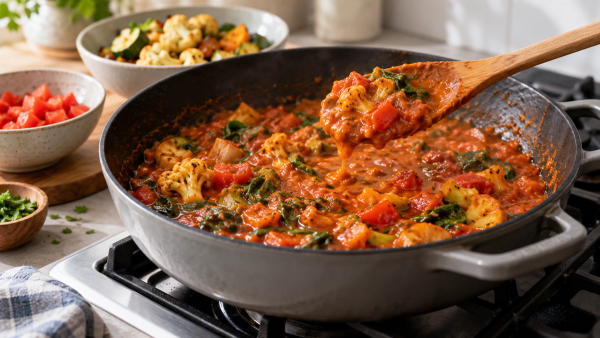
#My safe-food order is not glamorous, but it works. Hot dal. Steamed rice. Fresh roti with butter on the side. Plain dosa if we’re in the south and the tawa looks active. Idli only if it’s hot, not cold and sad from a box. Freshly cooked egg bhurji, if the eggs are cracked in front of us and cooked properly. Aloo paratha can be great, but I ask for it well-roasted and skip the curd if I’m not sure how long it has been out. For slightly older kids, hot veg pulao or freshly made lemon rice can be good, but again, the word is fresh. Fresh fresh fresh. I sound like a broken cassette.
Andhra-style highway meals are one of my personal weaknesses in the rain: hot rice, pappu, ghee, pickle, maybe a dry fry, and curd if it looks freshly served and properly chilled. But with children I don’t go wild with pickles or spicy podis, because nothing says “family vacation” like a child crying that their tongue is burning while rainwater is leaking through your car window. If you’re planning that kind of route, this piece on Andhra Meals on Rainy Highway Drives: What to Eat is a handy companion, especially for deciding what’s comforting versus what’s risky when the weather is messy.
Chai, Pakoras, Vada Pav: The Monsoon Trap I Keep Falling Into
#Let me be honest. I can give all the safe food advice in the world, and then I will still stand under a tin roof in Lonavala eating a hot vada pav while rain hammers the road. I am weak. Monsoon snacks are emotional food. Onion pakoras, mirchi bhajji, bread pakora, corn roasted over coal, masala chai in thick glasses, it all feels like the weather is personally feeding you. But with kids, I apply one rule: if it comes straight from hot oil to plate, it’s usually a better bet than something assembled with raw chutney, cut onions, and mystery sauce.
On the Mumbai-Pune Expressway, I’ve learnt to seperate my craving from the children’s food plan. We may stop for chai and hot snacks, but the kids get plain vada without chutney, maybe a fresh idli, or something packed from home if the stop is too chaotic. The expressway has many well-known food plazas and smaller stops, but monsoon crowds can turn a clean place messy very quickly. For that route, I liked this more specific guide to Mumbai-Pune Expressway Monsoon Food Stops & Safety, because it thinks about snacks and washrooms together, which is honestly how parents plan road trips.
Things I Usually Skip, Even If They Look Tempting
#This is where people argue with me. Someone will say, “But I ate roadside cut fruit my whole childhood and nothing happened.” Same. I did too. I also rode in cars without seatbelts and drank orange Rasna from steel tumblers at weddings. Doesn’t mean I want to test fate with my kids on a rainy highway. In monsoon, I skip cut fruit, raw salads, pani puri water, cold chutneys that are sitting out, open lassi, fresh juice with ice, and anything creamy that isn’t clearly chilled. I’m also careful with meat and fish at random stops, not because dhabas can’t cook them well, but because storage and temperature matter a lot more in wet weather.
One rainy evening near Kolhapur, we stopped at a place where the mutton smelled incredible. Like, stop-your-conversation incredible. The adults at the next table were demolishing it with bhakri and onion. My heart said yes. My parent brain said no, not for the kids, not here, not tonight. So we ordered hot dal, jeera rice, fresh rotis, and I took two bites of my husband’s mutton like a thief. Was I happy? Half. Was everyone fine the next day? Fully. That counts as victory.
A Simple Rainy Dhaba Food Table I Actually Use In My Head
#| Usually safer for kids | Think twice in monsoon | My annoying parent note |
|---|---|---|
| Hot dal, fresh rice, plain roti | Cold salads and sliced onions | Ask for onions separately, or skip them |
| Plain dosa, hot idli, fresh upma | Old coconut chutney | Sambar should be hot, not lukewarm |
| Fresh paratha cooked well | Curd sitting on the counter | Packed curd or clearly chilled curd is better |
| Boiled eggs or fresh egg bhurji | Half-cooked omelette | Eggs need proper cooking for kids |
| Hot chai for adults, warm milk only if trusted | Open lassi, juice with ice | Sealed drinks are less romantic but safer |
| Fresh fried pakora from hot oil | Pakora pile kept under a bulb | Hot and moving fast is the key |
Regional Dhaba Joys That Still Feel Kid-Friendly
#One of the best parts of highway travel in India is that the food changes before the signboards do. In Punjab and Haryana, kids usually survive happily on tandoori roti, dal tadka, paneer bhurji, and parathas. I ask for less chilli and butter separately, because some dhabas believe butter should be measured by emotional damage. In Rajasthan, we’ve had lovely simple meals of bajra roti, dal, rice, and curd, though again I check the curd situation. In Maharashtra, misal is my love language but too spicy for my younger one, so she gets batata vada without the fiery extras. In Karnataka and Tamil Nadu, tiffin stops are brilliant if the turnover is high: dosa, idli, pongal, upma, sambar. Hot, soft, predictable.
Coastal routes are trickier in monsoon. I adore fish thalis, especially on Konkan drives, where rice, sol kadhi, fried fish, and curry can make you forget every pothole. But for kids, I’m careful unless the place is very trusted and busy. Fish needs good handling. Also bones. Also one child saying “it smells like sea socks,” which happened once and ruined my mood for ten minutes.
Biryani, Leftovers, And The Car Boot Problem
#Biryani is dangerous because it feels like a complete solution. Buy one big box, feed everyone, carry leftovers, done. Except rice dishes can become risky if they sit too long without proper cooling, especially in warm humid weather. I don’t keep biryani leftovers for kids in the car for hours. If we buy biryani on a road trip, we eat it hot and soon, and leftovers are for adults only if timing still makes sense. Actually, most times we just don’t carry it forward. It hurts my soul, but I’ve thrown away good biryani because I didn’t want to gamble.
If your family does trains plus road trips, or you’re the type who packs food for “just in case,” this guide on Biryani on Indian Trips: How Long It Stays Safe is worth reading before you become emotionally attached to a container of leftovers. Food safety is not always about smell. Some food can smell fine and still be a bad idea. Very unfair, but there it is.
The Washroom Stop Is Part Of The Food Stop, Sorry
#Before kids, my dhaba rating system was taste, chai, view, and parking. After kids, washroom jumped to number one. A clean-enough washroom with water, soap, and dry-ish floor can decide where we eat. I carry tissues, wet wipes, a small soap sheet pack, sanitizer, extra underwear for the kids, and one plastic bag for wet disasters. Not glamorous travel writing, I know. But real.
I also make the kids wash hands before eating even if they complain. Especially if they’ve been touching car doors, muddy railings, stray cats, random pebbles, and that one sticky toy which has no known origin. Sanitizer helps, but if hands are visibly dirty, soap and water matters more. We do the whole routine: wash, dry, sit, don’t touch the table edge, don’t lick the spoon before food arrives. Do they listen? Hah. Maybe 62 percent of the time.
Our Monsoon Food Bag: The Boring Hero Of Every Trip
#I used to overpack snacks like we were crossing a desert. Now I pack smarter. The food bag is there so we don’t make desperate choices at bad stops. Desperation is when you buy that questionable cream roll because your child is melting down and the rain is too loud to think. Been there. Not proud.
- Bananas, because they come in their own clean packaging and kids rarely object to them.
- Roasted makhana, khakhra, plain biscuits, peanuts for older kids if allergy-safe, and dry fruits in small boxes.
- A thermos with hot water, especially useful for younger kids, instant porridge, or just warming the mood.
- ORS sachets, not as a snack obviously, but because travel stomach drama is easier when you are prepared.
- Steel spoons, small plates, tissues, wipes, sanitizer, and a tiny garbage bag. I sound like my mother now, but she was right.
How I Talk To Dhaba Staff Without Sounding Like A Food Inspector
#This part matters. Most dhaba people are working hard in rough conditions, especially in the rain. I don’t march in and interrogate them. I ask politely. “Bhaiya, dal abhi garam hai?” “Dosa fresh bana denge?” “Bachche ke liye mirchi kam karna.” “Curd fridge se milega?” If they answer easily, good. If they look irritated or vague, I simplify the order. A lot of places are happy to help when they know it’s for children. I’ve had cooks rinse a tawa again, make a no-chilli egg, give extra hot water, and wrap rotis separately just because we asked nicely.
One uncle near Satara once told my son, very seriously, “Beta, highway par hero mat bano, garam khana khao.” My son still repeats it. That uncle then made us the softest phulkas, dal with almost no chilli, and chai for us adults that tasted like rain had finally done something useful. These are the stops you remember. Not fancy, not Instagram-perfect, but kind.
My Sample Monsoon Dhaba Stop With Kids
#Here’s how our ideal stop goes, when the universe is behaving. We see a clean-ish busy dhaba with covered seating and decent parking, not right next to a flooded ditch. One adult checks washroom and handwash while the other keeps kids from running into puddles, which is apparently impossible because puddles are magnetic. We choose a table away from the open drain or the kitchen smoke. Order quickly: hot dal, rice, rotis, maybe one fresh dosa or omelette, chai for adults, sealed water. No raw salad. No chutney unless it’s hot sambar or cooked accompaniment. Kids eat first, because hungry children become tiny dictators. Then adults eat whatever slightly more interesting thing we can safely manage.
And yes, we still enjoy it. That’s the thing people misunderstand. Safe food doesn’t mean joyless food. A hot dal fry on a rainy road can be beautiful. A fresh aloo paratha with steam coming out when you tear it, eaten while trucks hiss past on wet asphalt, is peak travel food. Even plain rice with ghee tastes better when you’ve been driving through clouds for three hours. You don’t need to eat risky food to eat memorable food.
My monsoon dhaba rule is simple: be adventurous with places, weather, and stories, but be boring with children’s food safety. Boring keeps the trip going.
When To Just Not Stop For Food
#This is the least romantic advice in the whole piece, but sometimes you should skip the dhaba. If the rain is wild, visibility is poor, parking is unsafe, or the only available place looks unhygienic, keep driving until a better stop. Feed the kids from the snack bag. Pull into a fuel station with a cleaner store if needed. I know, I know, you wanted hot chai and pakoras. Me too. But road trips with kids require letting go of some cinematic moments. There will be another chai. There is always another chai.
Also, don’t force a child to try local food when they’re tired, wet, or carsick. I say this as someone who loves regional cuisine maybe too much. There are trips where my child ate curd rice and bananas while I ate a full thali, and that was fine. Food memories should not become pressure. Let them sniff the sambar, steal your papad, reject the pickle, then suddenly love poha at a random stop three days later. Kids discover food sideways.
Final Thoughts From A Rain-Soaked, Food-Obsessed Parent
#Monsoon dhaba stops with kids are a mix of caution and magic. You’re watching the sky, the road, the washroom door, the frying oil, the child who claims they’re not hungry and then eats half your roti. It’s not relaxed exactly. But it’s real travel. The kind where food is not just a meal, it’s shelter from rain, a pause between hills, a story you’ll retell later. Choose hot food, clean water, busy kitchens, and your gut feeling. Skip the risky stuff without guilt. And when you find that perfect dhaba where the dal is bubbling, the rotis are soft, the staff is kind, and the rain is making music on the roof, sit a little longer. Those stops are why we drive in the monsoon at all. For more food-road-trip rambling and practical desi travel ideas, I keep finding fun reads on AllBlogs.in.