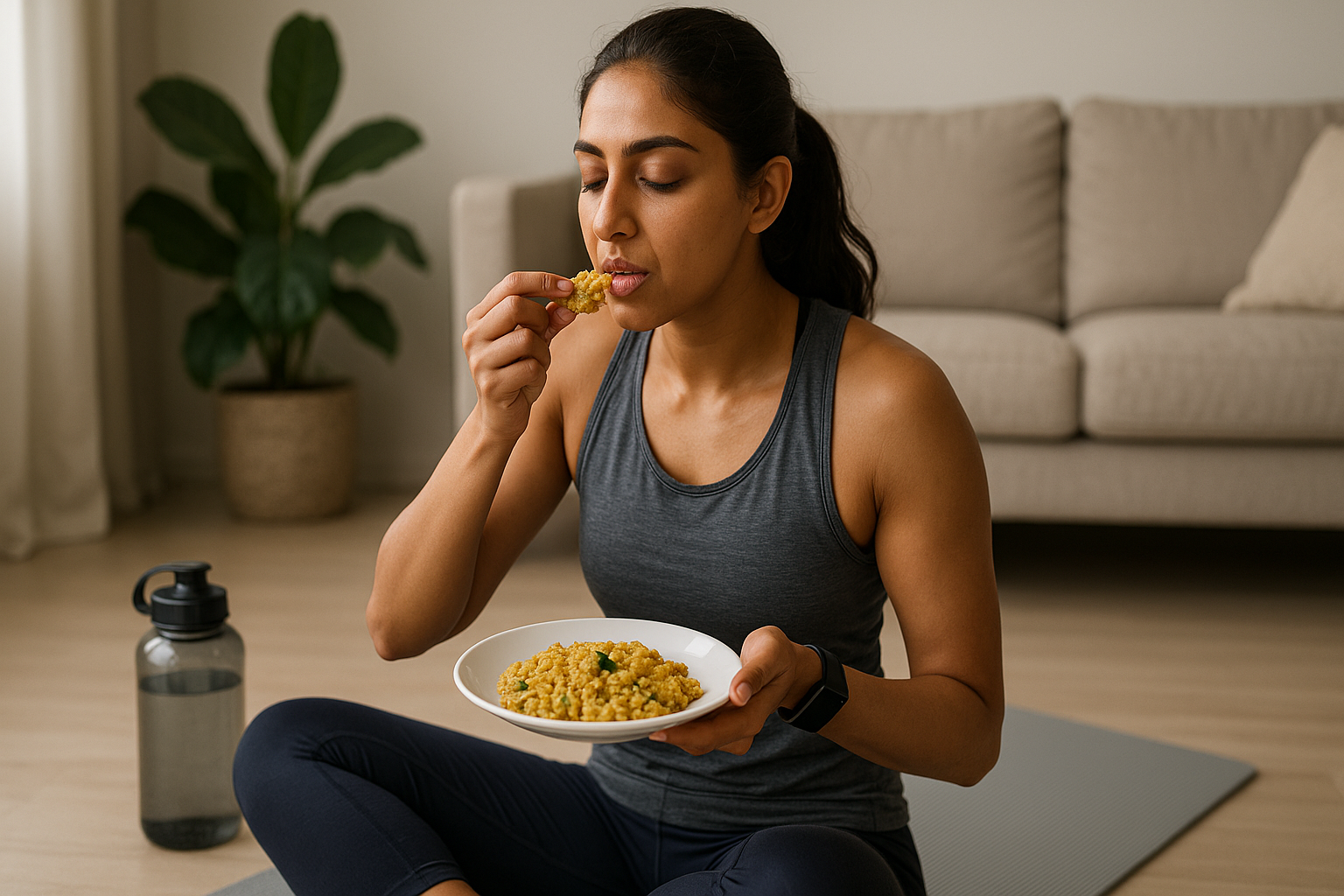
If you get that annoying burning in the chest, sour burps, bloated heavy feeling, or just wake up in summer and your stomach already seems mad at you... yeah, same. I’ve had phases where even one spicy paratha with too much chai would basically ruin my whole morning. And summer makes it worse for me, honestly. Hot weather, less appetite, random dehydration, weird sleep, late dinners. It all adds up. So this post is basically me sharing the Indian breakfasts that feel lighter on the stomach when acidity is acting up, especially in hot months.
Quick obvious-but-important thing, because I don’t wanna be irresponsible here: frequent acidity can be gastroesophageal reflux, gastritis, indigestion, sometimes ulcers, and sometimes not even “just acidity” at all. If you’ve got trouble swallowing, vomitting, black stools, unexplained weight loss, chest pain, or symptoms that keep happening, please see a doctor. Like, don’t just live on saunf and hope for the best. I learned that the hard way-ish. Also current digestive health guidance still basically agrees on the boring stuff that turns out not to be boring at all: smaller meals, less greasy food, not lying down right after eating, limiting trigger foods, and staying hydrated. That stuff really does matter.
Why summer breakfasts need to be different, at least for me
#I remember one May morning in Delhi, fan on full speed, already sweating, and I ate leftover chole with buttered toast because I didn’t wanna waste food. Big mistake. By 10:30 I had acidity, a gross bitter taste in my mouth, and zero productivity. Since then I’ve gotten a little less stubborn. In summer, I do much better with breakfasts that are lighter, lower in oil, not super spicy, and easy to digest. Not bland-bland necessarily, just gentler.
And there’s actually some logic behind that. Current gastro advice still says high-fat meals can slow stomach emptying in some people and worsen reflux symptoms. Big portions are often worse than moderate ones. Very spicy foods don’t trigger everyone, but they absolutely trigger some of us. Also hydration matters more than people think in summer, because dehydration can make digestion feel off and sometimes people compensate by guzzling tea on an empty stomach, which... whew, that has never gone well for me. Another thing that’s become more common in 2026 wellness conversations is “personal trigger mapping,” which sounds fancy but basically means stop copying random internet diet charts and notice what your body actually reacts to.
Before the 10 ideas, these are the breakfast rules I personally follow
#- I keep breakfast moderate, not huge. Stuffing myself first thing is almost always a bad idea
- Less oil, less red chilli, less garam masala in the morning. Flavor yes, punishment no
- I try not to have strong tea or coffee on a fully empty stomach anymore
- If I’m flaring, I skip citrus juices, deep fried things, and very tomato-heavy breakfasts
- I eat slowly. This one annoys me because my mom was right about it
- And if symptoms are frequent, I don’t self-diagnose forever. Been there, not smart
1) Soft idli with coconut chutney, but the mild version
#Idli is probably the safest Indian breakfast in my personal acidity hall of fame. It’s soft, steamed, not greasy, and usually easy on the stomach. Fermented foods can be a little tricky for some people, sure, but plain idli tends to sit well for me way better than dosa. Dosa is delicious obviously, but the oil and crispness and potato masala can get a bit much when I’m already acidic.
My summer version is 2 to 3 small idlis with a mild coconut chutney, not the crazy spicy one with loads of red chilli. Sometimes I do a very thin moong dal veg sambar, but on bad-acidity days I actually skip sambar if it’s too tangy from tamarind or tomato. That tiny tweak matters. One more thing, I don’t eat idlis piping hot-hot. Letting food cool a bit weirdly helps me eat slower and feel less irritated inside. Maybe that’s just me, but still.
2) Thin poha with peas, grated coconut, and almost no chilli
#Poha is such an underrated stomach-friendly breakfast when made properly. The issue is, a lot of us turn it into oily, spicy, sev-loaded poha and then wonder why our chest is on fire. Light poha with a little cumin, curry leaves if they suit you, a few peas, grated coconut, and coriander works beautifully in summer. I keep lemon very minimal or skip it if acidity is active. Again, personal triggers matter.
There’s also a nice practical thing about poha. It’s not too dry if made well, and not too rich either. That middle zone is perfect for me on sticky, humid mornings. Plus flattened rice is pretty easy to digest for a lot of people. If I know I’ve got a stressful day coming up, this is one of those breakfasts that doesn’t make me sleepy or overfull. Stress and acidity are besties unfortunately, so a calm breakfast helps more than we give it credit for.
3) Moong dal chilla, soft not crispy, with mint-curd dip
#Okay so moong dal chilla can go either way. If it’s loaded with green chillies, fried till dark brown, and served with pickle, then no thanks, my stomach will file a complaint. But a soft, lightly cooked moong chilla? Very solid. High in protein, not too heavy, and more filling than it looks. In 2026, higher-protein breakfasts are still all over wellness media for appetite control and blood sugar steadiness, and honestly I get why. A balanced breakfast stops me from grabbing random biscuits and tea two hours later, which usually starts the whole acid cycle again.
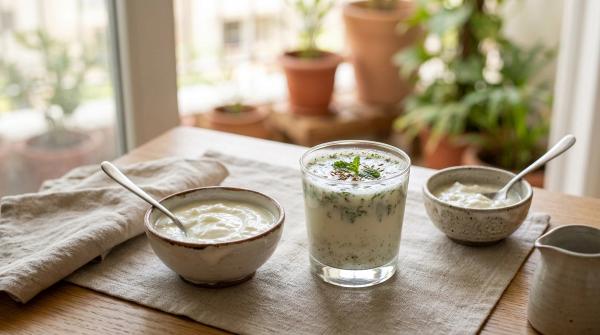
I soak yellow moong or use batter, add grated bottle gourd or a little carrot, and cook it with barely any oil. With acidity, I prefer a cooling side like plain curd with mint if dairy suits me. If curd bothers you, skip it. Some people tolerate yogurt fine, some don’t, especially if it’s sour. That’s the annoying thing about gut advice. It’s useful and also kinda inconsistant person to person.
4) Dalia porridge, savory or slightly sweet
#This is one of those breakfasts I ignored for years because I thought it was old-people food. Sorry. I was wrong. Dalia, especially broken wheat cooked soft with extra water, is weirdly comforting when your stomach feels scratchy and irritated. I make a savory version with bottle gourd, a little cumin, and maybe moong dal. Or a mild sweet-ish version with milk or plant milk, cardamom, and maybe a few soaked raisins if I’m tolerating sweet stuff okay.
Warm, soft, not oily, easy. That’s the vibe. Also there’s more talk now about soluble fiber and gentle whole grains for overall digestive health, though if you’re in an active reflux episode, too much fiber too fast can also feel rough. So I keep portions moderate. Not giant. That’s another thing wellness people online don’t say enough, by the way. A food can be healthy and still be too much in one sitting.
5) Curd rice, the breakfast version nobody talks about enough
#I know, I know, some people only think of curd rice as lunch or post-fever food, but hear me out. In brutal summer heat, a small bowl of room-temp or slightly cool curd rice can feel amazing. Especially if your stomach is burning and you need something plain. I make it with soft rice, fresh curd, a bit of grated cucumber sometimes, and a super light tempering if I’m up for it. No lots of chilli. No pickle on the side. Please don’t sabotage yourself.
Important caveat though: this one is not universal. If dairy increases your reflux, mucus, or bloating, curd rice may not be your hero food. Also very sour curd can trigger some people. Fresh curd is usually better. I’ve noticed that when I eat curd rice too cold from the fridge, my digestion feels slower, so I let it come closer to room temperature first. Little details, but they do make a diffrence.
6) Lauki-mung khichdi for breakfast, yes really
#This sounds boring enough to make people click away, lol, but a thin, soft khichdi with moong dal and lauki is one of the best things I eat when acidity is bad. It’s not glamorous. It’s not Instagram wellness-core. It just works. Rice and moong are a classic comfort combo for a reason. Lauki adds water content and softness without a ton of heaviness.
There’s a reason a lot of doctors and dietitians still suggest simple rice-dal combinations during gastritis or indigestion episodes. Low spice, lower fat, easier digestion. In 2026 a lot of gut-health content online is obsessed with microbiome diversity, and that matters over the long term, yes, but on a flare day I’m sorry, I’m not trying to eat twelve seeds and fermented kimchi for breakfast. I want peace. Khichdi gives peace.
7) Ragi porridge or ragi malt, made light
#Ragi works nicely for me in summer when I make it thin and simple. Not sugary, not super dense. Just enough to feel nourished. Some mornings I cook ragi flour with water and a bit of milk, then add cardamom. Sometimes savory with buttermilk if my stomach is doing okay and the buttermilk isn’t sour. Ragi is filling and has that grounded sort of feel to it, if that makes sense.
A lot of Indian wellness folks in the last year or two have leaned back into traditional grains, and not in a fake trendy way either. Millets are still getting attention for fiber and mineral content, though for acidity specifically, the preparation matters more than the hype. If you make ragi too thick, too spicy, or pair it with a lot of fried stuff, then obviously the benefit kind of disappears.
8) Steamed dhokla, but keep the tempering light
#This one surprised me. I used to avoid dhokla thinking fermented = risky. But soft steamed dhokla with a mild tempering and not much chilli actually sits okay for me most days. It’s airy, portion-friendly, and not greasy if homemade or from a decent place. The danger zone is when it’s drenched in spicy tadka or you eat five giant pieces because it feels “light.” Ask me how I know.
I’d pair it with plain coconut chutney or just eat it as is. No fried green chillies on the side. No extra sev. Some reflux guidance also mentions that carbonated drinks and fried snacks around meals can worsen symptoms in some people, so I definitely don’t do the whole dhokla-plus-soda thing anymore. College me would be offended, but adult me is less acidic, so...
9) Oats upma with vegetables that are actually gentle
#I know oats upma gets mocked a lot. People act like it’s punishment food. But if you make it well, it’s pretty good, and for summer acidity it can be really useful. I use rolled oats, a little ghee or oil, cumin, grated lauki or carrots, maybe beans if they don’t bloat me, and keep onion minimal on sensitive days. Tomatoes are where I’m careful. They’re healthy, yes, but acidic for some of us. So I don’t force it.
Current nutrition trends still push fiber-rich breakfasts, and fair enough. For many people, oats support satiety and regular bowel movements, both of which can indirectly help digestive comfort. But if your stomach is actively irritated, dry dense oats can feel heavy. So I cook them softer than most recipes recommend. Not glamorous, but much easier to handle.
10) Fruit and nut yogurt bowl... but only with low-acid fruits
#This is my modern-ish option for days when it’s too hot to even think about cooking. Plain yogurt or a plant yogurt that suits you, a little soaked chia or sabja if you tolerate it, and low-acid fruits like banana, muskmelon, papaya, or ripe pear. Maybe a few soaked almonds. Not a mountain of granola, not pineapple, not orange, not a random “detox” sprinkle from the internet. Just simple.
There’s been a huge 2026 wellness push toward gut-friendly breakfast bowls and blood-sugar-balanced mornings, and I think some of that is useful, some of it is just marketing with beige aesthetics. For acidity, the bowl only works if you keep it gentle. Too much raw fruit, too much seed mix, too much sour yogurt, and suddenly your “healthy” breakfast is chaos. Also if cold foods trigger you, skip this and choose something warm instead. I go back and forth depending on the day, because bodies are annoying like that.
A few breakfasts I personally avoid when acidity is bad
#- Aloo paratha with pickle and hot chai. Tasty, yes. Safe for me in peak summer, absolutely not
- Masala dosa with extra chutney and sambar if the sambar is tangy
- Bread pakora, kachori, poori bhaji... all iconic, all dangerous for my stomach
- Orange juice, pineapple juice, or strong coffee on an empty stomach. Nope nope nope
And weirdly, skipping breakfast can be just as bad. I used to think eating less would reduce acidity. Sometimes the exact opposite happened. Long gaps, then overeating, then reflux. Such a stupid cycle, honestly.
Little habits that help these breakfasts work better
#- Eat within a reasonable time after waking up, but not by force if you feel nauseous. I usually wait a bit, drink some water, then eat
- Keep tea and coffee lighter, and have them after food if they’re triggers for you
- Sit upright after breakfast. Don’t slouch into bed scrolling reels for 40 minutes like I definitely never do
- Watch the extras. Pickles, fried papad, extra chutney, too much lemon, all the “small” add-ons matter
- Track your own triggers for 2 weeks. It sounds nerdy but it’s actually super helpful
The best breakfast for acidity is not the most famous healthy breakfast. It’s the one your stomach can handle consistently, in the weather you’re in, with the stress you’re carrying, and with the sleep you got last night. That’s the real thing no one says enough.
One last honest note before you copy my list
#Please don’t take any “top 10” list, including mine, like it’s medical law. Acidity has overlap with reflux disease, IBS, gastritis, H. pylori issues, medication side effects, pregnancy, even anxiety. If symptoms keep recurring, get checked. Recent digestive care advice keeps emphasizing individualized treatment, and thank god, because one person’s soothing breakfast is another person’s trigger. For me, idli and poha are easy wins. For my cousin, curd rice works but idli doesn’t. For my friend, dairy is a total disaster. So yeah. Experiment gently.
Still, if you’re entering another scorcher of a summer and your stomach is already feeling dramatic, these 10 breakfast ideas are a pretty solid place to start. Go soft, go lighter, go less oily, and stop trying to prove you can handle breakfast like a warrior when your digestive system is clearly asking for mercy. That was my lesson anyway. Hope it helps a bit. And if you like this kind of practical wellness rambling, you can find more over at AllBlogs.in.