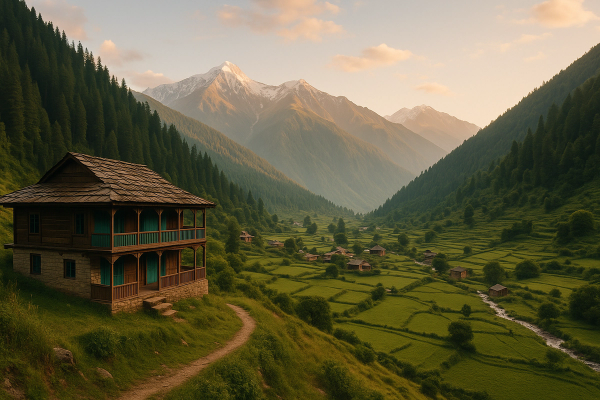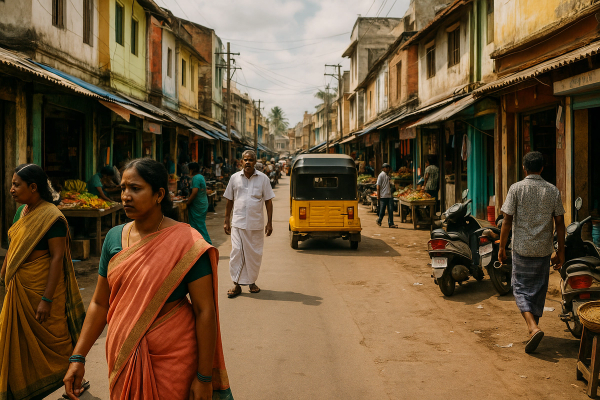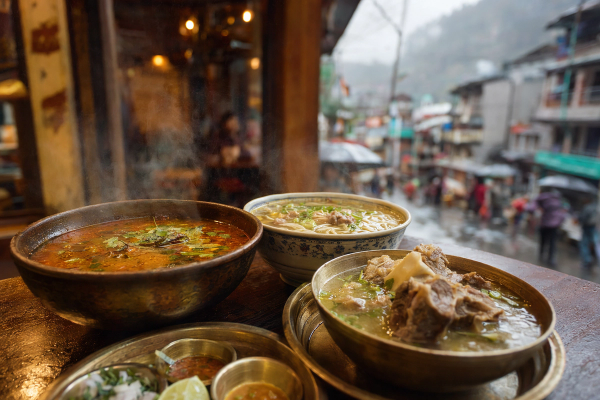
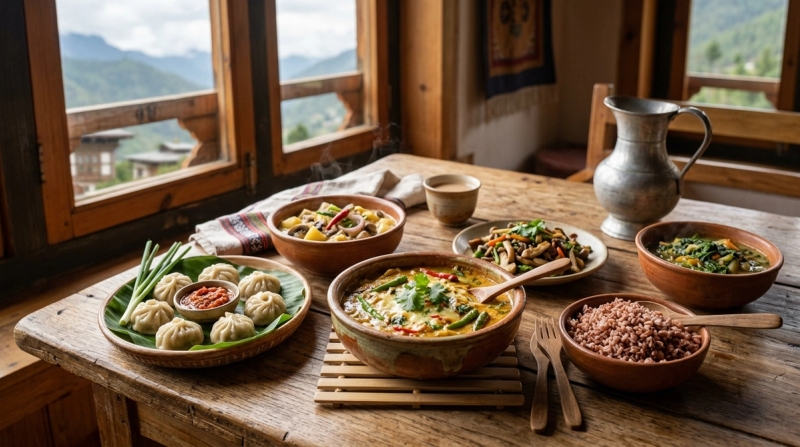
If you’re planning a Bhutan trip as a vegetarian, there’s a good chance one question is sitting quietly at the back of your mind:
Will I actually get enough to eat, or will I end up living on rice, potatoes and hotel bread?
Good news: vegetarian food in Bhutan is much easier than many travellers expect. You’ll find cheesy local dishes, red rice, potatoes, mushrooms, buckwheat noodles, veg momos, Indian vegetarian meals, and enough simple snacks or backup options to get through long travel days.
That said, Bhutan is vegetarian-friendly, but it is not automatically meat-free. It is a Buddhist country, and that does shape the culture in many ways, but meat is still eaten. So the trick is not just knowing what to order. It’s knowing what to ask before you order.
This guide is written with practical travel in mind, especially for Indian and South Asian vegetarians who want to enjoy Bhutan without turning every meal into a stressful investigation.
Why Bhutan Works Quite Well for Vegetarians
#A typical Bhutanese meal is often built around rice, vegetables, chilies, cheese-based stews, and sometimes meat on the side. For vegetarians, the biggest blessing is the number of dishes made with cheese.
The word you’ll hear again and again is datshi, which means cheese. Many classic Bhutanese dishes are made by cooking vegetables with local cheese. They’re warm, filling, simple, and honestly perfect for Bhutan’s cool mountain weather.
For Indian travellers, Bhutan can feel even easier because many hotels and tourist restaurants also serve familiar vegetarian food. In places like Thimphu, Paro, Punakha and other popular stops, you may find dal, paneer, rice, roti, aloo gobi, veg pulao, veg noodles and North Indian-style meals.
But it’s still worth being careful. Don’t assume every dish marked “veg” is vegetarian by your standards. Some kitchens may use meat stock, dried meat for flavour, egg in fried rice or noodles, or fish sauce in Asian-style dishes.
A few polite questions before ordering can save you from an awkward surprise later.
The Datshi Family: Bhutan’s Best Vegetarian Comfort Food
#If you want to try local Bhutanese vegetarian food, start with datshi dishes. They are simple, hearty and usually eaten with rice.
Ema Datshi
#Ema Datshi is Bhutan’s national dish and probably the country’s most famous food.
“Ema” means chili and “datshi” means cheese. So yes, this is basically chilies cooked in cheese. Not chilies used as a small spice in the background, but chilies as the main vegetable.
It is creamy, salty, sharp and very Bhutanese. It can also be extremely spicy.
If you love spicy food, you may really enjoy it. If you don’t handle heat well, try a small portion first instead of making it your full meal.
You can ask:
“Can you make the Ema Datshi less spicy, please?”
Just remember that “less spicy” in Bhutan may still be pretty spicy. Keep plenty of rice nearby.
Kewa Datshi
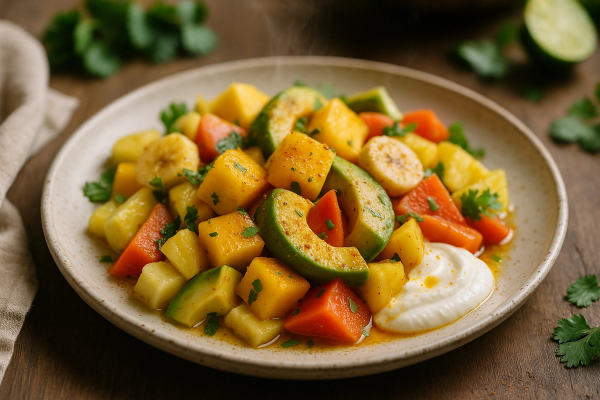
#Kewa Datshi is one of the best Bhutanese dishes for vegetarian travellers who want something comforting and safe.
“Kewa” means potato, so this is a potato and cheese stew. Compared to Ema Datshi, it is usually milder, creamier and much easier to eat. It may still have chilies, but the potatoes balance the heat.
For many vegetarians, Kewa Datshi becomes the go-to order after a long drive, a cold day, or any time your stomach wants something simple and filling.
Order it with red rice and you have a proper meal.
Shamu Datshi
#Shamu Datshi is the mushroom version.
This is a great option if you want something more earthy and flavourful without eating potatoes at every meal. The mushrooms add depth, and the cheese sauce makes it filling enough to work as a main dish.
If you enjoy mushroom curries, creamy gravies or umami-rich food, Shamu Datshi is worth trying.
If you are a strict vegetarian, it’s still a good idea to ask whether it is cooked separately and whether any meat stock or dried meat is used.
Vegetarian Momos in Bhutan
#Momos are popular across the Himalayan region, and Bhutan has plenty of them too.
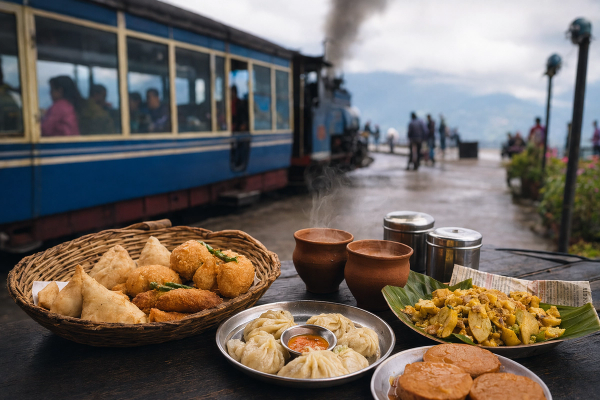
You’ll find meat momos everywhere, but vegetarian momos are also common. The filling may include cabbage, onion, cheese, potato, or mixed vegetables, depending on the place.
They can be steamed or fried and are usually served with a spicy chili dip. Taste the dip carefully before pouring it over everything. It may look harmless, but it can be very strong.
When ordering, don’t just say “momos.” Say it clearly:
“Vegetarian momos, please. No meat.”
If you don’t eat egg, also ask:
“Is there egg in the dough or filling?”
Most momo dough is usually simple, but if your diet is strict, it’s always better to check.
Other Vegetarian Foods to Try in Bhutan
#Datshi and momos get most of the attention, but they’re not the only things vegetarians can eat in Bhutan.
Red Rice
#Bhutanese red rice is a staple and comes with many meals. It has a nutty, earthy taste and a slightly chewy texture.
For vegetarians, it’s useful because it pairs well with datshi, dal, cooked vegetables and simple curries.
Puta
#Puta is a buckwheat noodle dish associated with the Bumthang region. It is often served dry rather than as a soup.
If you want a break from cheese-heavy meals, puta can be a nice change. Still, ask how it is prepared. Some versions may include butter, egg, or other additions depending on the kitchen.
You can ask:
“Is this vegetarian? Is there any egg, meat, or meat stock?”
Veg Fried Rice and Veg Noodles
#Veg fried rice and veg noodles are easy to find in hotels, cafes and roadside restaurants. But these are dishes where you should ask questions.
Vegetable fried rice or noodles may include egg by default. Some kitchens may also use sauces that are not vegetarian.
If you eat egg, this may not bother you. If you don’t, say it clearly while ordering.
A safe way to order is:
“Veg fried rice, no egg, no meat, no fish sauce, please.”
Or:
“Veg noodles, no egg, no meat, no fish sauce, please.”
Indian Vegetarian Food
#Indian vegetarian food is one of the easiest backups in Bhutan, especially in hotels and tourist areas.
You may find:
- Dal
- Rice
- Roti or chapati
- Paneer dishes
- Aloo gobi
- Mixed veg curry
- Veg biryani or pulao
- Curd rice or plain curd, depending on the kitchen
- Simple thali-style meals
This is especially helpful for South Asian travellers who want familiar flavours, less confusion, or just a break from cheese and chilies.
Hidden Ingredients Vegetarians Should Ask About
#This is probably the most important part of eating vegetarian in Bhutan.
Vegetarian food is available, but hidden ingredients can slip in. Be polite, be clear, and don’t feel shy about repeating yourself if needed. “Vegetarian” can mean different things in different kitchens, so explain exactly what you don’t eat.
1. Hidden Meat or Dried Meat
#Some dishes may look vegetable-based but include dried beef, pork, chicken, or small pieces of meat for flavour.
This is not something to panic about. It’s just something to ask.
Use a direct question:
“Does this have any meat, dried meat, beef, pork, chicken, or fish?”
This is useful for vegetable stews, soups and local mixed dishes.
2. Meat Broth or Bone Broth
#Soups are one of the main things to check.
A bowl of vegetable thukpa or noodle soup may still be made with meat broth. If you want a fully vegetarian meal, ask before ordering.
Say:
“Is the soup made with vegetable stock or meat stock?”
Or:
“No bone broth, please. Only vegetable broth.”
This matters for noodle soups, clear soups and “veg” soups in mixed kitchens.
3. Fish Sauce and Oyster Sauce
#In hotels, cafes and restaurants serving Chinese, Thai, or Pan-Asian-style food, vegetable dishes may include fish sauce or oyster sauce.
This is most relevant for stir-fried vegetables, noodles, fried rice and sauces.
Ask:
“Can you make it without fish sauce and oyster sauce?”
4. Egg in Rice, Noodles and Breakfast
#Egg is common in travel-friendly dishes like fried rice, noodles, omelettes and breakfast plates.
If you eat egg, no problem. If you don’t, be specific.
Say:
“No egg, please.”
For rice or noodles:
“Vegetable only, no egg, no meat.”
5. Shared Cooking Surfaces
#If you are very strict about cross-contact, smaller kitchens can be a little tricky. The same pans, oil, spoons, or cooking surfaces may be used for both vegetarian and non-vegetarian food.
If this matters to you, explain it calmly in advance, especially at hotels and homestays.
Hotel Breakfast Tips for Vegetarian Travellers
#Hotel breakfasts in Bhutan are usually one of the easier meals of the day, though the options depend on the hotel and location.
You may find a mix of Bhutanese, Indian and continental breakfast items. Vegetarian-friendly options can include bread, butter, jam, porridge, fruit, potatoes, paratha, poha-style dishes, upma-style dishes, dal, rice, or simple cooked vegetables.
If you avoid egg, don’t assume breakfast is automatically safe. Omelettes and egg fried rice may be common.
Useful breakfast requests include:
“Can I have a vegetarian breakfast without egg?”
“Can you arrange dal, rice, roti, or potatoes for breakfast?”
“Please keep my food without meat stock.”
If you are Indian vegetarian, Jain, vegan, or avoid onion and garlic, tell the hotel before arrival if possible. Tourist hotels and Indian restaurants may be able to help, but last-minute requests are not always easy.
Road-Trip Food Tips in Bhutan
#Bhutan’s road trips are beautiful, but food planning helps a lot.
Drives between valleys and towns can be slow. Roadside options may be basic, and you may not always find a proper vegetarian meal exactly when you’re hungry. Sometimes tea, biscuits, packaged snacks, instant noodles, or simple rice dishes are easier to find than a full meal.
Before a long drive, do three things:
- Eat a proper breakfast
- Carry snacks
- Ask your hotel, guide, or driver about lunch options on the route
If your hotel can pack something simple, ask in advance. Keep the request realistic.
Good packed meal requests include:
“Can you pack vegetarian sandwiches?”
“Can you pack roti and dry vegetables?”
“Can you pack plain rice and dal separately?”
“No egg and no meat, please.”
This is especially useful for early departures, long sightseeing days and hikes.
Homestay Meal Tips
#Homestays can be one of the loveliest ways to experience Bhutanese food, but communication is important.
Meals are usually home-cooked and based on what is available locally. You may get red rice, datshi, seasonal vegetables, potatoes, chilies, tea and simple side dishes. The food can be generous and comforting, but the kitchen may not work like a restaurant with a full menu.
Tell your host or guide about your diet before you arrive.
Say:
“I am vegetarian. I do not eat meat, chicken, fish, or meat stock.”
If you avoid egg:
“No egg also, please.”
If you cannot handle spice:
“Less chili, please. Very mild.”
Try not to wait until the food is already cooked. Advance notice makes things much easier for your host, and much better for you too.
Vegetarian Backup Snacks to Carry
#Even if you plan to eat local food, carry backups.
Not because Bhutan has no vegetarian food, but because travel days can be long, meal timings can shift, and mountain weather can change plans.
For Indian travellers, good vegetarian snacks include:
- Thepla
- Khakhra
- Roasted makhana
- Chivda or namkeen, packed properly
- Dry fruits
- Nuts
- Energy bars
- Peanut chikki
- Digestive biscuits
Other useful snacks:
- Granola bars
- Protein bars
- Trail mix
- Crackers
- Nut butter sachets
- Instant cup snacks, if you can get hot water
- Electrolyte sachets
If you have dietary restrictions, bring enough from home. This is especially true for vegan snacks, Jain-friendly snacks, gluten-free snacks, or food for children.
Useful Phrases for Ordering Vegetarian Food in Bhutan
#You can manage quite well with clear English in hotels and tourist restaurants. In smaller eateries, your guide or driver can help translate. Keep your phrases simple and direct.
Use these:
“I am vegetarian.”
“No meat, no chicken, no fish.”
“No beef, no pork.”
“No dried meat.”
“No meat stock or bone broth.”
“Vegetable broth only, please.”
“No egg, please.”
“No fish sauce or oyster sauce.”
“Less chili, please.”
“Very mild, please.”
“Can you cook it separately from meat?”
For Indian vegetarian travellers:
“Pure vegetarian, no egg.”
For Jain travellers:
“No onion, no garlic, no potato, no root vegetables.”
Only say this if it applies to you, and try to request it in advance.
For vegans:
“No meat, no egg, no milk, no butter, no cheese.”
Vegan travel in Bhutan needs more planning because many local vegetarian dishes depend on cheese and butter.
Food Safety Tips for Vegetarian Travellers
#Bhutan is not a place where you need to be scared of food, but it’s still smart to use normal travel caution, especially if you have a sensitive stomach.
Drink Safe Water
#Drink bottled, boiled, or properly filtered water. If you’re unsure, ask your hotel what is safe.
Avoid ice unless you know the water source is safe.
Be Careful With Raw Foods
#Raw salads can be risky for sensitive stomachs, especially if they have been washed in unsafe water. Cooked food is usually the safer choice.
Choose Hot, Fresh Food
#Try to eat food that is served hot and fresh. This matters more at small roadside places and buffets where food may have been sitting for a while.
Go Slowly With Spice
#Bhutanese food can be seriously spicy. If you’re not used to heavy chili, start slowly.
Ema Datshi may look creamy and harmless, but it can be very hot. If your stomach is sensitive, choose Kewa Datshi, plain rice, dal, potatoes, mild Indian food, or simple cooked vegetables.
Watch the Dairy
#Bhutanese vegetarian food can be dairy-heavy. Cheese and butter are common, especially in datshi dishes and tea.
If you are lactose intolerant, plan ahead. Ask for plain rice, vegetables, dal, puta, noodles without egg or dairy, and Indian-style dishes without paneer or butter.
What to Order When You’re Unsure
#Sometimes you’re tired, hungry, cold, or simply not in the mood to ask ten questions about one dish. On those days, keep it simple.
Good safer orders include:
- Kewa Datshi with rice
- Shamu Datshi with rice
- Veg momos, clearly confirmed
- Dal and rice
- Roti and vegetable curry
- Plain rice with cooked vegetables
- Veg noodles without egg and without fish sauce
- Veg fried rice without egg
- Puta, after checking the ingredients
If the menu feels confusing, ask:
“What vegetarian food can you make without meat stock and without egg?”
This often works better than guessing from the menu.
Final Thoughts: Vegetarian Food in Bhutan Is Manageable With a Little Clarity
#Bhutan is not a fully vegetarian country, but it is a very workable destination for vegetarian travellers.
Local food gives you Ema Datshi, Kewa Datshi, Shamu Datshi, red rice and veg momos. Hotels and tourist restaurants add familiar Indian vegetarian options. Homestays can usually help too, as long as you tell them in advance.
The main rule is simple: don’t assume, ask.
Ask about meat, dried meat, broth, fish sauce and egg. Carry snacks for long drives. Tell hotels and homestays early. Be patient with small kitchens and limited menus.
Do that, and vegetarian travel in Bhutan becomes much less stressful — and a lot more delicious.