I have this very specific memory from the Darjeeling Toy Train that still makes me hungry, which is slightly ridiculous because I was technically just sitting in a tiny blue carriage, knees almost touching someone else’s backpack, while the train huffed past houses, tea bushes, school kids, dogs, prayer flags, and those impossible bends where you can see the engine before you see the rest of yourself. But what I remember most is the smell. Coal smoke, wet pine, frying momos somewhere near a station, sweet milk tea in a paper cup, and that cold mountain air that makes every snack taste 35% better. If you’re doing the Darjeeling Himalayan Railway, especially the Darjeeling-Ghum joy ride or the longer route from New Jalpaiguri/Siliguri side up toward Darjeeling, please don’t treat food like an afterthought. The toy train is slow travel in the best possible way, and in 2026, when everyone is suddenly talking about rail journeys, hyperlocal food trails, tea experiences, low-waste travel kits and all that good stuff, this little UNESCO-listed railway still feels like it was doing the trend before the trend had a name.
Quick useful thing before I get dreamy and start talking about soup: the Darjeeling Himalayan Railway, or DHR, is a heritage mountain railway in West Bengal, and it’s famous for the narrow-gauge Toy Train that runs around hairpin bends, loops like Batasia Loop, and up to Ghum, one of the highest railway stations in India. The full NJP to Darjeeling run can be long and schedule-dependent, and the shorter joy rides from Darjeeling to Ghum and back are much more common for travelers with limited time. Steam rides exist, diesel rides too, and timings do change because hill weather, maintenance, landslides, tourist rush… basically, check the latest on IRCTC or the official railway updates before you build your whole day around lunch. I learnt this the slightly annoying way, standing with a cup of tea and a very confident plan that immediately became nonsense.
First, Don’t Board Hungry Like I Did
#My first toy train morning started at Darjeeling station, and I had made the classic mistake: I thought, oh it’s just a short ride, I’ll eat later. Bad idea. Darjeeling mornings are cold in that sneaky way where you don’t realise you’re starving until someone nearby opens a packet of chips and suddenly you’re emotionally involved. I grabbed a quick milk tea from a stall near the station, the kind that’s sweet and strong and served without any pretence, and a couple of biscuits that did absolutely nothing for me. Then, while the little engine was getting ready and people were taking photos like they were at a celebrity wedding, I saw a vendor with steaming momos and nearly abandoned my seat. That’s the thing about the Toy Train. It looks like a sightseeing ride, but really it’s a snack pilgrimage if you do it properly.
Darjeeling food is not one single thing, which is why I love it so much. It’s Nepali, Tibetan, Bengali, Lepcha, Bhutia, Marwari snack culture, old-school colonial bakery habits, tea garden food, street food, tourist comfort food, and nowadays a lot of new cafe culture layered on top. You can have aloo dum with wai wai, then thukpa, then a proper tea tasting, then cinnamon rolls at a bakery, then pork shapta if you eat meat, then a vegetarian thali, then more tea because apparently your body becomes 60% tea in Darjeeling. And around the train route, especially Darjeeling, Ghum, Sonada, Kurseong and Siliguri/NJP depending on your journey, there are small food moments that beat many fancy meals. Not always clean and curated, not always Instagram-pretty, but real. And hot. Hot matters in the hills.
Darjeeling Station: Tea, Momos, and the Pre-Ride Panic Snack
#If you’re starting from Darjeeling station for the joy ride, reach early. Not just because you should be a responsible traveller blah blah, but because it gives you time to eat. Around the station and the nearby market lanes you’ll find tea stalls, momo counters, small bakeries, and quick snack shops. My personal pre-train combo is simple: one cup of Darjeeling milk tea or lemon tea, a plate of veg or chicken momos if it’s not too early for you, and something dry to carry, like biscuits, banana, or a bun. I know steamed momos at 9 in the morning sounds intense to some people, but in the mountains it feels totally normal. The chutney wakes you up better than an alarm.
If you have more time before or after the ride, the classic Darjeeling food stops are not far. Keventer’s is still that nostalgic breakfast place people go to for sausages, bacon, eggs, hot chocolate, and the view from the terrace if the weather behaves. Glenary’s is the bakery-and-cafe institution where I always say I’ll just get coffee and one pastry, then somehow there’s a chicken pie, a lemon tart and a loaf of bread in my bag. Kunga and Dekevas, near the main town area, are loved for Tibetan food like momos, thukpa and shapta. Sonam’s Kitchen is the cozy breakfast favourite, especially if pancakes and eggs are your thing. Nathmulls and Golden Tips are good if you want to buy tea properly instead of grabbing random packets in a rush. Are these places touristy? Yes, some of them. Are they still worth it? Also yes, in my opinion, especially if it’s your first visit.
What to Eat at Ghum: Soup Weather, Always
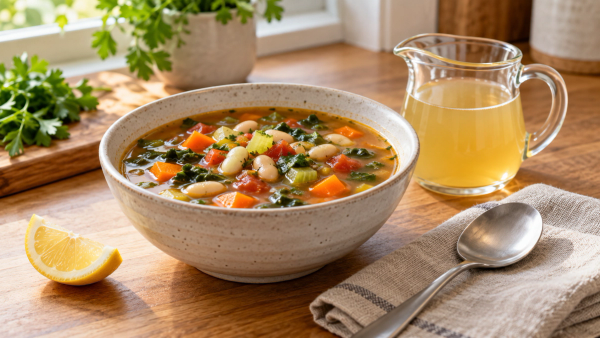
#Ghum is where the Toy Train joy ride usually gives you that high-altitude feeling, and depending on the ride you may stop around the station or visit the DHR museum. The air here has that damp chill, even when Darjeeling town feels manageable, and I swear your stomach starts asking for soup automatically. This is thukpa territory for me. Not necessarily at the station platform itself every time, because availability changes and some stalls open and shut depending on season, but in and around Ghum you can find small eateries serving thukpa, momos, tea, chowmein, and instant noodles. Thukpa after a smoky toy train ride is one of those simple travel pleasures that doesn’t need overexplaining. It’s broth, noodles, vegetables or meat, a bit of heat, and your cold fingers wrapped around the bowl. Done.
I once ducked into a tiny place near Ghum with fog pressing against the windows, and the owner served me a bowl of veg thukpa that looked plain at first. I added chilli, squeezed in a little lime, and suddenly it was exactly what I needed. Travel food isn’t always about the most complicated dish. Sometimes it’s about temperature and timing. Hot food in cold weather is a kind of magic, and the Toy Train sets you up for it perfectly because it moves slowly enough for hunger to build. If you’re on a tight joy ride schedule, don’t assume you’ll have loads of time at Ghum for a full meal though. Carry something, and treat Ghum food as a bonus unless you’ve planned a longer stop.
Batasia Loop: Eat Before or After, But Don’t Miss the View
#Batasia Loop is not exactly a food stop in the big restaurant sense, but it’s one of the most memorable parts of the ride. The train curls around the loop, Kanchenjunga appears if the sky is feeling generous, and everyone starts taking photos from every possible angle. Around the area you’ll usually find tea, corn, chips, sometimes small snacks depending on the time and season. I wouldn’t plan a full meal here, but I would absolutely sip tea if you get the chance. There’s something about drinking hot tea while watching the train curve around the garden and war memorial that feels very Darjeeling. Like, yes, this is why we came.
Also, a tiny request from someone who gets weirdly protective of hill places: don’t leave snack packets behind. The 2026 travel trend everyone keeps throwing around is “responsible slow travel,” but this is where it actually matters. Bring a small trash pouch. Carry your empty chips packet back. Don’t toss cups near the tracks. The toy train is cute, yes, but it’s also a working heritage line running through real neighbourhoods. People live there. Kids walk past those tracks. Dogs nap beside them. Your plastic spoon doesn’t need to become part of the landscape.
Kurseong: The Stop I Wish More People Took Seriously
#If you’re doing the longer route, or even if you’re travelling by road and meeting the Toy Train section by section, Kurseong deserves your appetite. People rush to Darjeeling and treat Kurseong like a blur outside the window, which is a mistake. It has tea gardens, old schools, misty roads, bakeries, local eateries, and a slower, less showy charm. Around Kurseong station and town, you can look for momos, thukpa, chowmein, aloo dum, puri-sabzi, tea, bakery snacks, and simple rice meals. Cochrane Place is a known heritage-style hotel near Kurseong where people go for tea experiences and old-world hill station vibes, and the tea estates around Kurseong, including the famous Makaibari side, have made the area a serious stop for tea lovers.
My Kurseong memory is embarrassingly food-focused. I got off expecting to just stretch my legs, then found a small place serving aloo dum with that spicy, tangy gravy and crunchy bits on top. Some versions come with wai wai or sel roti, some with puri, and every vendor has their own little twist. Darjeeling-style aloo dum is not shy. It’s red, spicy, a little oily sometimes, and very dangerous because you think you’ll just taste one spoon and then suddenly the plate is gone. Pair it with sweet tea and you get the full hill-snack emotional package: heat, sugar, carbs, spice, repeat.
Siliguri and NJP: Don’t Ignore the Start of the Journey
#A lot of travelers begin at New Jalpaiguri or Siliguri, especially if they’re coming by train or flight via Bagdogra. This part feels very different from Darjeeling: warmer, busier, flatter, more rushed. But food-wise, it’s useful. Stock up here if you’re doing a longer journey. You’ll find Bengali sweets, kachori-sabzi, rolls, fruit, packaged snacks, bottled water, and proper meals. Siliguri also has a growing cafe and restaurant scene because it’s a gateway town for North Bengal, Sikkim, Bhutan routes and Northeast travel. In the last couple years, I’ve noticed more travellers treating Siliguri as a food stop instead of just a transit headache, which honestly makes sense. Gateway towns always feed you well if you stop being grumpy for five minutes.
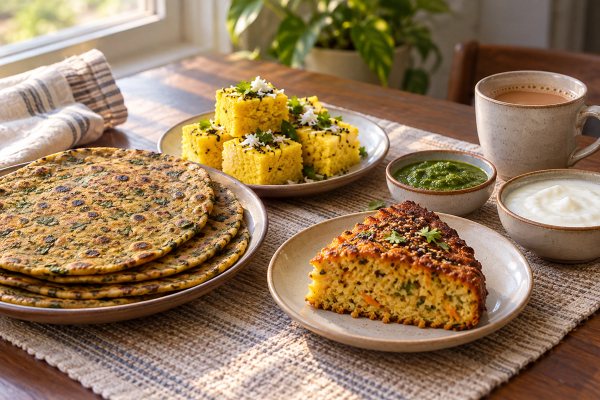
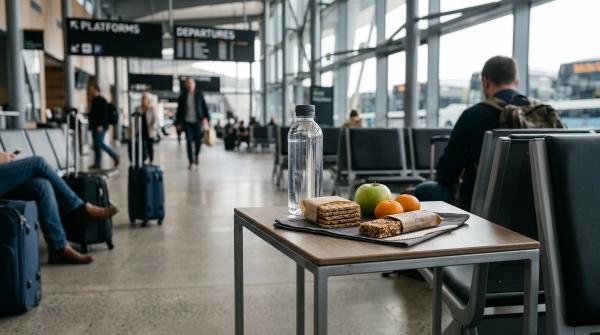
For the long toy train route, I’d buy water, fruit, something dry like thepla or paratha if you have access, roasted peanuts, dark chocolate, and maybe a local sweet. Avoid carrying super messy curries unless you enjoy balancing gravy on a narrow train seat while the carriage gently bullies you. Also don’t overpack food. I always do this and then feel like a travelling grocery shop. The whole point is to eat along the way, but the Toy Train can be delayed and hill weather is moody, so you need backup snacks. It’s a balance. A slightly chaotic balance, but still.
The Real Darjeeling Snack List: What I’d Actually Eat
#If you want the short version of what to taste around the Toy Train route, here’s my very opinionated list. Momos, obviously, but don’t stop there. Try thukpa on a cold day. Eat aloo dum from a local stall. Look for sel roti if you find it, that slightly sweet Nepali ring-shaped rice bread that goes beautifully with tea or aloo. Taste churpee if you’re curious, though the hard dried version is not for everyone and can make you question your teeth. Try kinema or gundruk dishes if you see them in a proper local meal, because fermented foods are having their big global moment in 2026, but hill communities have known their value forever. Have Tibetan bread or tingmo with a stew if available. Eat bakery food because Darjeeling’s old bakeries are part of the culture too. And drink tea. Not just one cup. Many cups.
- Best quick bite before boarding: steamed momos with spicy chutney, plus a hot cup of tea.
- Best cold-weather meal: thukpa, especially near Ghum or on a foggy Kurseong day.
- Best messy snack: Darjeeling aloo dum with wai wai or puri, eaten standing if necessary.
- Best edible souvenir: first-flush or second-flush Darjeeling tea from a reliable tea shop, not random mystery packets.
- Best comfort carry item: a banana and a small packet of salted nuts. Boring, yes. Useful, very.
What to Carry on the Toy Train, Because Hunger Is Not Romantic
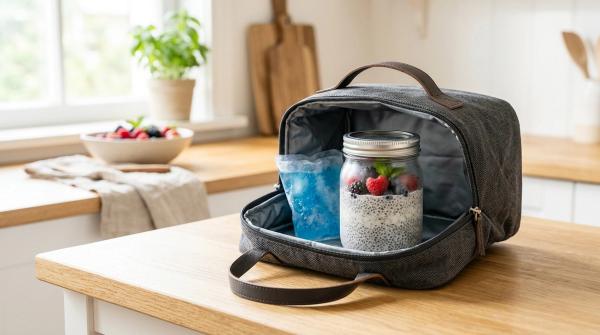
#Food carry strategy on the Toy Train is different from a normal train journey. Space is limited, the ride can be bumpy in places, and if you’re in a steam service, soot and smoke are part of the charm. I say charm now, but the first time a tiny black speck landed on my pastry I was less philosophical about it. Carry food that doesn’t spill, doesn’t smell too aggressive, and doesn’t require a full dining table situation. A reusable water bottle is non-negotiable. A small thermos with tea or hot water is brilliant if you’re the prepared type. Tissues, hand sanitizer, wet wipes, and a small trash bag make life easier. In 2026, lots of travellers are using collapsible cups, bamboo cutlery, silicone snack boxes, and cloth napkins, which sounds a bit influencer-ish until you realise they genuinely reduce waste and stop your bag from becoming a plastic graveyard.
My ideal Toy Train snack bag has: water, one fruit, one salty snack, one sweet thing, a small sandwich or paratha roll if the ride is long, mints, and maybe tea bags if I’m staying somewhere with hot water later. If you’re travelling with kids, carry extra because hill hunger is dramatic. If you’re prone to motion sickness, go light and avoid oily food right before the ride. The Toy Train is slow but it does curve around a lot, and between the altitude, excitement and photo-taking, your stomach may have opinions. I love spicy aloo dum but I wouldn’t eat a giant plate five minutes before boarding unless I had made peace with my choices.
Tea Is the Main Character, Sorry Momos
#Darjeeling tea is not just a drink here, it’s the atmosphere. The slopes, the gardens, the shops, the conversations, the souvenirs, even the weather seems designed around tea. If you’re serious about tasting, learn the difference between first flush, second flush, autumn flush, green tea, white tea, oolong and the more experimental small-batch teas that some estates and boutiques now promote. First flush is light, floral, spring-like. Second flush is deeper and often has that famous muscatel character people go on about. Autumn teas can be mellow and comforting. I’m not a tea expert in the snobby sense, but I do know that after you taste proper Darjeeling tea brewed correctly, those dusty hotel tea bags start feeling like betrayal.
Tea tourism has become more polished recently, with tastings, estate stays, guided sessions, and fancy tea pairings showing up more often in hill itineraries. Margaret’s Deck by Goodricke, on the road between Siliguri and Darjeeling near the tea gardens, has become a popular stop for tea, views, and snacks if you’re travelling by car. In Darjeeling town, Nathmulls is good for structured tea buying, and Golden Tips is another known name. My advice: don’t buy tea only because the tin looks pretty. Ask to smell it. Ask how to brew it. Ask whether it needs milk or not. Most good Darjeeling tea does not need to be boiled to death with milk and sugar, though I’ll defend roadside milk tea with my whole heart because that is a different pleasure entirely.
A Tiny Food Walk Around Darjeeling After the Ride
#After my Toy Train ride, I did what I always do in hill towns: I walked with no proper plan and pretended that uphill lanes don’t affect me. They do. From the station area toward Chowrasta and the market lanes, there are plenty of places to snack. You can go old-school with Glenary’s, do Tibetan at Kunga or Dekevas, try vegetarian meals at Hasty Tasty if you want something simple and filling, or just follow steam. I mean it. Follow steam rising from a momo pot. Some of the best snacks are not famous enough to have a big online presence, they’re just there, feeding students, taxi drivers, shopkeepers and tired tourists.
One evening I bought momos from a small counter, took them back to a bench, and ate them while clouds swallowed the street. Not a grand culinary moment. No tasting menu. No chef explaining Himalayan terroir with dramatic hand gestures. Just hot dumplings, a red chutney that was honestly rude in the best way, and people walking past in jackets and wool caps. That’s the Darjeeling food mood I like most. Cozy but sharp. Simple but layered. A little nostalgic even when it’s your first time.
Food Trends I Noticed on the Route in 2026-ish Travel Culture
#The funny thing is, Darjeeling’s Toy Train food scene fits a lot of current travel trends without trying too hard. Slow rail travel is huge again because people are tired of airport stress and identical quick trips. Hyperlocal eating is big, which means travellers are looking beyond generic cafe food and asking for fermented greens, local pickles, handmade noodles, tea garden meals, Nepali thalis, millet snacks, and seasonal produce. Zero-waste travel kits are becoming normal, not just something hardcore eco-travellers carry. UPI payments and digital menus have made small travel food stops easier for Indian travellers, though cash is still smart in the hills because signal can vanish like my self-control near a bakery.
There’s also more interest in food as memory rather than just content. People still take photos, of course, me included, I’m not pretending to be above it. But the best travellers I met were asking vendors about recipes, buying tea directly from reliable sellers, trying local breakfast instead of only hotel buffets, and choosing slower itineraries where Kurseong or Sonada aren’t just names on a signboard. This is where Darjeeling shines. It rewards curiosity. If you rush, you’ll still get nice views. If you slow down, you get stories with your snacks.
A Practical Mini-Itinerary for Food Lovers on the Toy Train
#If I were planning a food-focused Toy Train day now, I’d do it like this. Start early in Darjeeling with tea and a light breakfast, maybe eggs and toast if you need comfort or momos if you’re like me and have no breakfast rules. Board the joy ride with water and a small snack. At Batasia, enjoy the view and maybe tea if available, but don’t rely on it as a meal stop. At Ghum, warm up with thukpa or tea if your schedule allows, and visit the museum if that’s included in your ride. Back in Darjeeling, do lunch at a Tibetan/Nepali spot: momos, thukpa, shapta, thenthuk, or a thali. Later, go tea shopping and ask for a tasting. Evening snack? Aloo dum, bakery pastry, or both because travel calories are emotionally different, don’t argue.
For a longer route involving Kurseong, I’d break the journey if possible. Eat aloo dum in Kurseong, sip local tea, maybe stay a night if you love quieter hill towns. If you’re coming from NJP or Siliguri, don’t board with an empty bag and blind optimism. Buy supplies first, especially water and non-messy snacks. And please keep buffer time. The mountains don’t care about your spreadsheet itinerary. The train may be late, fog may roll in, rain may start, a view may force you to stop walking for ten minutes. That’s not a problem. That’s the point.
Final Thoughts: Ride Slow, Eat Hot, Carry Smart
#The Darjeeling Toy Train is not the fastest way to travel, and honestly that’s the entire beauty of it. It gives you time to notice kitchens, kettles, momo steamers, tea stalls, school lunch boxes, bakery windows, and the way food changes as the altitude rises. My best advice is simple: don’t over-plan every bite, but don’t be careless either. Eat before boarding, carry sensible snacks, try local dishes when you stop, drink better tea than you think you need, and leave no trash behind. The train ride is charming on its own, sure, but add hot thukpa at Ghum, aloo dum at Kurseong, Darjeeling tea in the cold, and a pastry from Glenary’s tucked into your bag, and suddenly it becomes one of those journeys you keep replaying in your head later. If you’re collecting more food-travel ideas for the hills and beyond, have a look at AllBlogs.in sometime — it’s the kind of place I’d browse while planning my next snack-heavy escape.