If you’re an Indian traveler stuck between Bhutan and Nepal, honestly... I get it. I was in the exact same confusion phase. Both are close, both are mountain-heavy, both feel culturally familiar and totally different at the same time, and both can be done without the kind of visa drama that usually ruins trip planning. But they are not the same trip. Not even close. Bhutan felt calmer, cleaner, more controlled, almost meditative in parts. Nepal felt louder, freer, cheaper in many ways, and a little more chaotic in that very classic South Asian way we all somehow know how to handle. So if you’re trying to figure out where your money will go further, what permits you’ll need, and which one actually suits your style, this post is basically everything I wish someone had told me before I booked.
Also, this is from the perspective of an Indian traveler, not some luxury foreign itinerary where every transfer costs a bomb. Me and my friends did it in a fairly normal way, looked for value, took shared cabs where possible, ate local food, and still wanted some comfort at the end of the day. So yeah, this is practical. A little opinionated too. Because some things are just better said plainly.
First things first: the vibe is very different
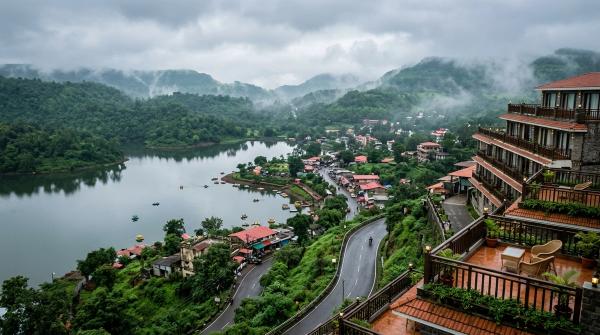
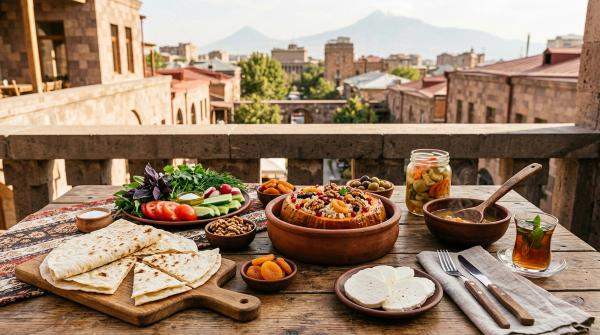
#Bhutan is for the kind of trip where you slow down whether you want to or not. Thimphu doesn’t even have that big-city rush in the way we imagine capitals. Paro is gorgeous, obviously, and places like Punakha have this soft, green, postcard sort of beauty that photos don’t fully capture. There’s less random noise, less bargaining stress, less tourist overkill outside the main pockets. It felt peaceful in a way I didn’t expect. Not boring, peaceful. Important difference.
Nepal, on the other hand, has movement. Kathmandu is a sensory attack, but not in a bad way if you like cities with character. Bhaktapur has that old-world brick-and-temple thing going on, Pokhara is where everyone suddenly starts talking about staying longer than planned, and if you’re into trekking then Nepal just opens up into a whole different level. It’s more flexible than Bhutan. You can make it super budget, backpacker style, or go comfy. It bends to your travel style more easily.
If Bhutan felt like taking a deep breath, Nepal felt like stepping into a very alive conversation. Depends what kind of trip your head and wallet need, really.
For Indians, entry rules are easier than most international trips... but don’t be casual about documents
#This is where a lot of people get overconfident. ‘Arre Indian passport hai, ho jayega.’ Maybe. But only if your documents are proper. For Bhutan, Indian citizens usually don’t need a visa, but you do need valid travel documentation and you must complete the permit process. Passport is the safest option. Voter ID is also commonly accepted for entry by land or air, but I’ll be blunt, I prefer carrying a passport because it reduces argument chances at counters. Kids may need birth certificate and school ID or passport depending on age and route, so families should really double-check before leaving home.
Bhutan also has the Sustainable Development Fee for Indian travelers. This changes from time to time depending on government policy, so check the latest official update before payment. At one point a concessional rate for Indians was being used, and that made a real difference to trip cost. Even when discounted, this fee is the biggest reason Bhutan stops being a super-budget destination for us. There are permits too. Entry permit is needed for Paro and Thimphu, and if you want to go beyond those places, like Punakha or Phobjikha, additional route permits may be required. The process has become more digital and smoother than before, but don’t assume every checkpoint will be casual. Keep printouts and soft copies both.
Nepal is simpler in some ways. Indians generally don’t need a visa to enter Nepal. You can enter by air or land with valid ID documents. Again, passport is easiest, voter ID can work, but carry things properly and don’t depend on jugaad energy at a border crossing. If you’re flying domestically inside Nepal, passport is the cleanest ID to use. And if you plan on trekking in restricted zones or doing major trails, then permits come in. Annapurna region, Everest region, conservation area permits, local entry fees, all that can apply depending on route. These are not hard to arrange, but they do affect budget.
So... which one is cheaper? Nepal, mostly. But let’s break it down properly
#This is probably the main question. And yeah, Nepal is usually cheaper for Indian travelers. Not by a tiny bit either. By enough that it changes what kind of trip you can have. In Nepal, I found budget guesthouses, hostels, and simple hotels pretty easily in Kathmandu and Pokhara. A backpacker can manage on a low daily budget if they don’t mind basic rooms and local transport. Mid-range also feels decent value. In Bhutan, even when you try to keep costs controlled, the fee structure, transport realities, and overall tourism model push the total up.
| Expense | Bhutan (Indian traveler) | Nepal (Indian traveler) |
|---|---|---|
| Budget stay | ₹1,800 to ₹4,500 per night in common tourist areas | ₹700 to ₹2,500 per night in budget hotels/hostels |
| Mid-range stay | ₹4,500 to ₹9,000+ | ₹2,500 to ₹6,000 |
| Meals | ₹250 to ₹700 for simple meals, more in nicer cafes | ₹120 to ₹400 local meal, higher in tourist cafes |
| Local transport | Taxis can add up fast, shared options limited on some routes | Buses and shared jeeps are cheaper, cabs still manageable |
| Permit/fees impact | Can significantly raise total budget because of SDF and route permits | Usually lower overall, except trekking permits and flights |
| Overall feel | Controlled, scenic, calmer, pricier | Flexible, energetic, usually more budget-friendly |
If I had to say it in one line, Nepal is better for budget travelers and Bhutan is better for travelers willing to pay extra for a more curated, lower-chaos experience. That sounds harsh maybe, but it’s true. Bhutan has fewer of those dirt-cheap travel hacks that Indians usually rely on. Nepal still has many of them.
What I actually spent, roughly, and where people miscalculate
#On my Bhutan trip, the biggest surprise was not the hotel cost, weirdly. It was the total of small things stacked together. Internal taxis. Permit-related planning. Entry fees. Food in cafe-style places. Last-minute transport changes. You start the trip thinking ‘haan manageable hai’ and then by day four your UPI history is looking a little intense. Budget travelers can still do Bhutan, but they need to be disciplined and realistic. If you’re entering by land via Jaigaon-Phuentsholing and then moving onward smartly, you can save. Still, I wouldn’t call Bhutan a shoestring destination for Indians anymore.
Nepal was easier on the wallet for me. Not always dirt cheap, because tourist areas know they’re tourist areas, obviously, but overall easier. In Kathmandu I got decent rooms without spending too much, and in Pokhara especially there’s a broad range from super budget to lake-view comfort. Local eateries, momos stalls, thakali meals, tea shops... these save you a lot. Where people mess up in Nepal is transport timing, overpaying for airport taxis, and not accounting for trekking permits or domestic flight costs if they head to mountain regions. Flights inside Nepal can get delayed due to weather too, which can force extra hotel nights. That’s a very real budget leak.
Best time to go, and no, ‘anytime’ is not useful advice
#For both countries, post-monsoon months are kind of magic. Around October to early December, skies are clearer, mountain views are way better, and travel generally feels smoother. Spring is also lovely, especially around March to May, when rhododendrons bloom in parts of both Bhutan and Nepal. But there’s nuance. Bhutan in spring felt beautiful and fresh, while Nepal in peak season had more crowds, more trekkers, and slightly more inflated rates in touristy spots.
Monsoon can be tricky in both places. Landslides, delays, cloudy views, wet roads, all that. Winter is doable, especially if you’re not going too remote or too high, but mornings and nights can get properly cold. In Bhutan, winter had this crisp clean beauty, and fewer crowds can be a plus. In Nepal, winter is nice for lower-altitude exploring, city walks, and Pokhara chilling, but high passes or extreme trekking zones need proper prep. Basically, if this is your first trip and you want less headache, choose autumn or spring. Simple.
Transport: Bhutan is scenic but less spontaneous, Nepal is chaotic but flexible
#This matters more than people think. In Bhutan, you can travel by air into Paro, which is stunning if you get a window seat, or enter by land from West Bengal through Phuentsholing. From there, road travel to Thimphu and Paro is beautiful, but mountain roads mean longer travel times than map distance suggests. Shared transport exists on some routes, but not with the convenience Indians are used to in more backpacker-heavy countries. If you want comfort, you’ll probably end up paying for cabs more often than planned.
Nepal has more budget transport choices. Tourist buses between Kathmandu and Pokhara are super common. Local buses are cheaper still, though not always comfortable, let’s put it politely. Domestic flights save time, especially for mountain regions, but weather delays are part of life there. In cities, ride apps and local taxis are available in some places, but bargaining and confirming fare in advance still helps. One thing I liked in Nepal is that plans can change midway and you can still manage. Bhutan felt more like, decide better in advance or pay for it later.
Food, chai, and that very important issue of whether Indians will eat well
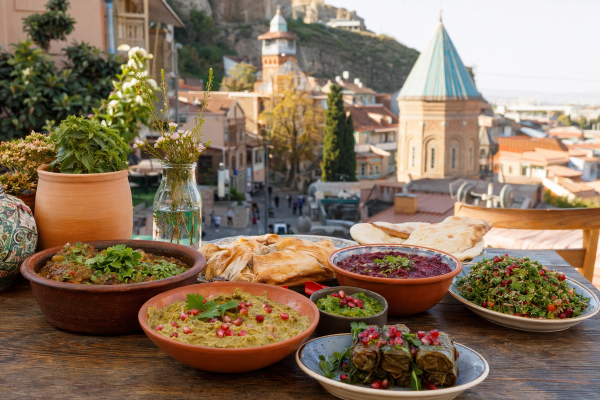
#Short answer, yes in both, but differently. Bhutanese food surprised me. Ema datshi gets talked about a lot and for good reason, but if you are not used to spice in that specific chilli-cheese way, start carefully. Red rice, phaksha paa, momos, butter tea, simple hearty meals, all very satisfying. Indian food is also easy to find in many tourist areas because there are enough Indian travelers and business links. But if you’re expecting endless variety on every corner, Nepal wins that one. Bhutan food options can feel limited after a few days if you’re a picky eater.
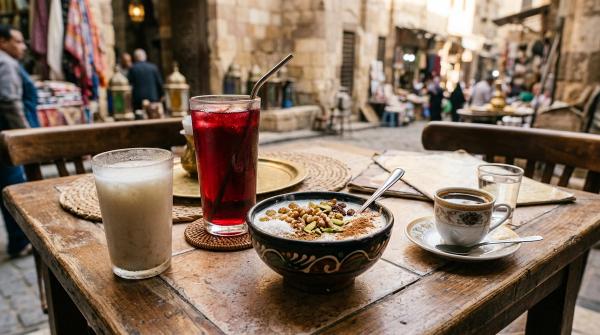
Nepal is just easier for food comfort. Momos, thukpa, sel roti, dal bhat, thakali thali, Newari dishes, cafes in Kathmandu, bakery culture in Pokhara, random Maggi points on hill routes... you will not suffer. Dal bhat power, 24 hour, all that joke? Kinda true actually. Also, for vegetarians from India, Nepal felt simpler overall. In Bhutan also possible, of course, but menu variety was less in some places. And yes, chai is available in both, though that exact cutting-chai satisfaction is still our thing and nobody can convince me otherwise.
Safety and current travel feel: both are fairly comfortable, but stay switched on
#People ask this a lot, especially families and solo women travelers. My honest take: both Bhutan and Nepal are among the more approachable international trips for Indians. Bhutan felt extremely safe and orderly. Even walking around quieter areas, the general atmosphere was calm. Nepal also felt manageable, especially in major traveler zones, but because it’s busier and more layered, standard city precautions matter more. Watch your belongings in crowded places, don’t flash cash, use known operators for adventure stuff, and don’t act overconfident on mountain roads just because everyone else seems chill.
One practical thing for both destinations, weather and terrain affect plans. Roads can close. Flights can delay. Trekking routes can change due to local conditions. So always keep one buffer day if your return home is fixed. This is one of those boring tips people skip and later regret massively. Trust me on this one.
Where I’d stay again, and where I’d save money without ruining the trip
#In Bhutan, I’d spend a little more for a well-located stay in Paro or Thimphu rather than choosing the absolute cheapest thing far away. Because transport can quietly eat up your savings. A cozy guesthouse or small family-run hotel often gives better value than chasing star ratings. Heating matters in colder months, ask in advance. Also ask if breakfast is included because in Bhutan that can help a lot. Punakha and Phobjikha stays can be really lovely if you want that slower, scenic side of the country.
In Nepal, I think budget stays are easier to trust if you read recent reviews carefully. Thamel in Kathmandu is convenient if you want cafes, agencies, and movement all around you, though it can get noisy. Lakeside in Pokhara is touristy, yes, but very easy and honestly enjoyable. If you want to save, stay a little off the busiest strip but still walkable. That sweet spot exists. For trekkers, teahouse quality varies a lot by route and season, so don’t expect one fixed standard.
What kind of traveler should pick Bhutan, and who should just go to Nepal instead
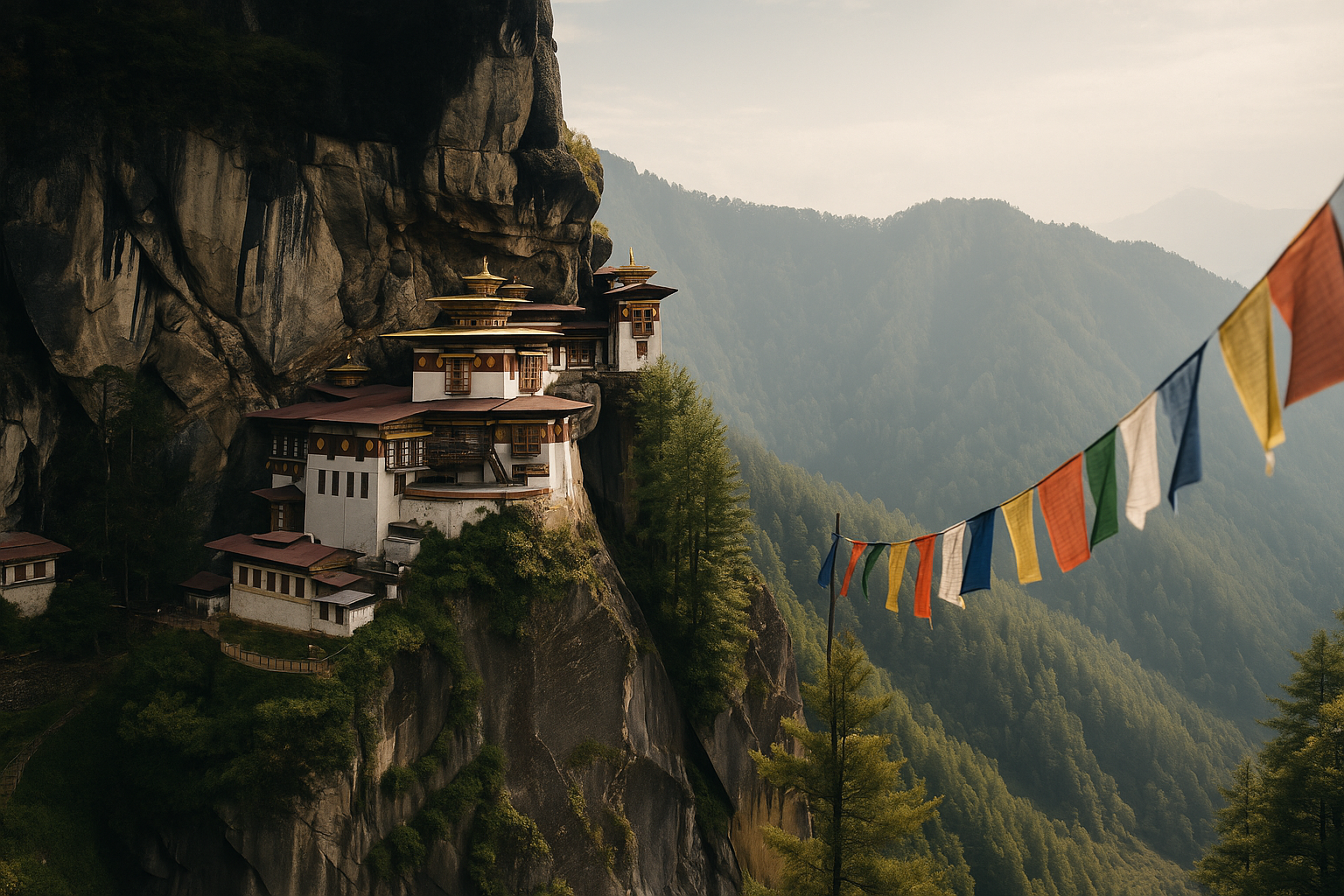
#Pick Bhutan if you want a shorter, calmer, culturally rich trip with beautiful monasteries, cleaner towns, fewer scams, and a more intentional travel style. It’s amazing for couples, parents, first-time international travelers who don’t want too much stress, and anyone who values atmosphere over a packed checklist. It’s also good if you don’t mind spending more for peace. There’s a softness to Bhutan that stays with you. Even now I think about those prayer flags, the quiet roads, the way mornings felt there... hard to explain fully.
Pick Nepal if your budget is tighter, your itinerary is more flexible, or you want more variety. Culture, temples, food, adventure, nightlife pockets, trekking, lakes, mountain flights, all of it. Nepal gives more options at more price points. It can be a quick 4-day city-and-Pokhara trip or a long mountain journey. If you enjoy figuring things out on the go, Nepal works better. If too much unpredictability drains you, Bhutan may suit you more even if it costs extra.
- Choose Bhutan for peace, scenery, slower travel, monasteries, and a more regulated travel experience
- Choose Nepal for lower costs, easier backpacking, food variety, trekking choices, and flexibility
- If traveling with older parents, Bhutan can feel smoother emotionally, though more expensive
- If traveling with college friends and limited money, Nepal usually makes more sense
A few very Indian tips nobody says properly
#Carry some cash even if digital payments seem common in parts of your route. Network can act weird, border areas can be patchy, and not every small place loves cards. Keep passport photos and ID photocopies. Layer your clothes instead of carrying one giant jacket only. Eat light before mountain roads if you get motion sickness. Download offline maps. Don’t make your plan too tight. And please, please don’t compare every meal to food back home in a complaining tone. You’re traveling, not inspecting a franchise.
Also, one thing I noticed, Indian travelers usually do really well in both places when they stay respectful around religious sites and don’t turn everything into a loud reel shoot. In Bhutan especially, the cultural atmosphere is gentler. In Nepal too, some temples and heritage areas deserve a little less performance and a little more presence, you know?
My final take after doing both
#If I had only one week and wanted peace, views, and a trip that felt emotionally restorative, I’d pick Bhutan. If I had one week and wanted value for money, more food, more movement, and the freedom to improvise, I’d pick Nepal. That’s the shortest honest answer I can give. Neither is better universally. They’re better for different moods, budgets, and travel personalities.
Personally, Nepal was easier to repeat. Bhutan was harder to forget. Maybe that sums it up better than all the permit talk and budget tables. One is a little more practical. The other is a little more special. And if you can do both over time, even better yaar. If you like travel comparisons like this, check out more stories and guides on AllBlogs.in, there’s some genuinely useful stuff there without too much nonsense.