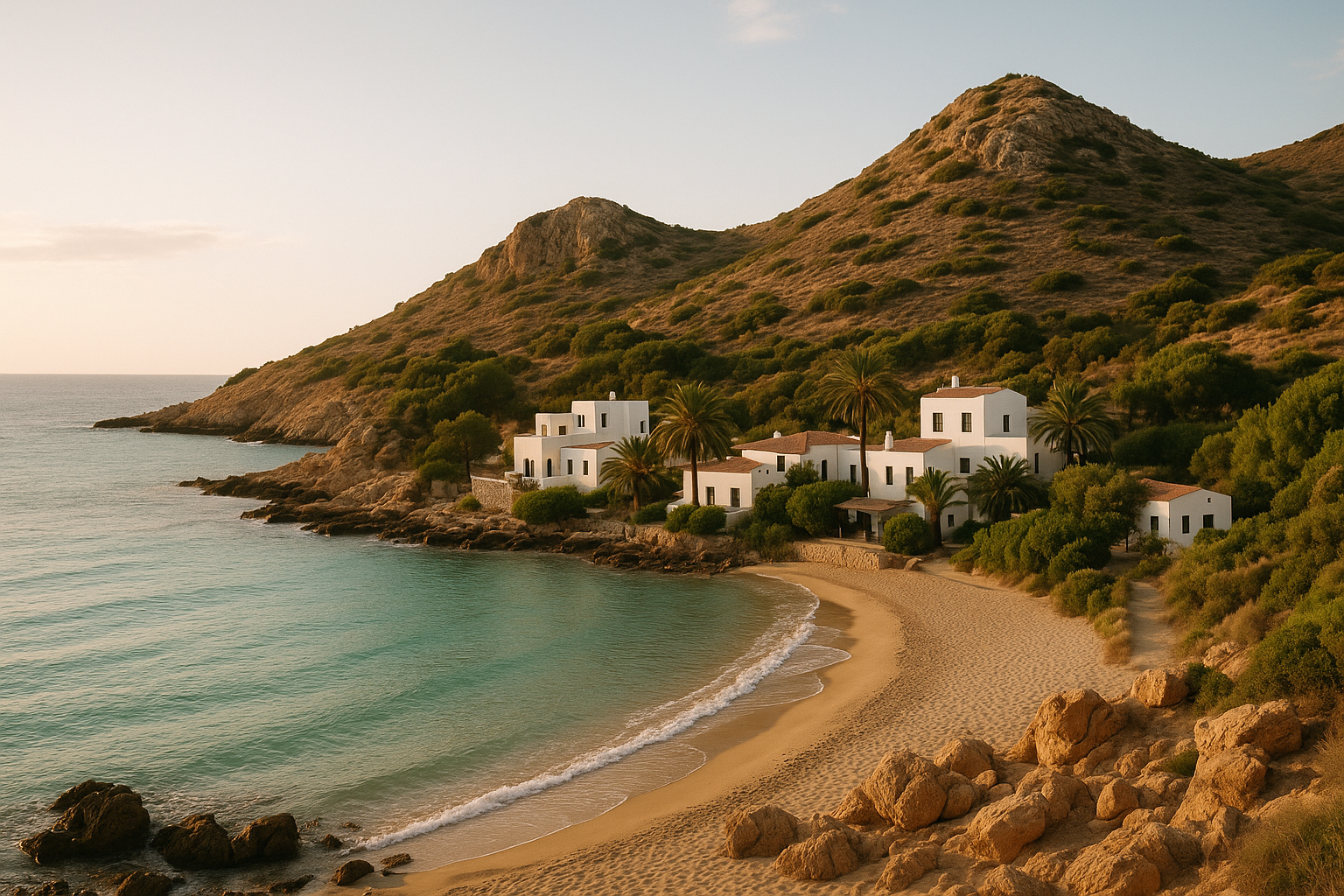
So, um, I’ll just say it straight. If you’re tired of seeing the same Maldives–Bali–Phuket reels on your Insta feed again and again, same infinity pool, same swing in the sea, same floating breakfast… this one’s for you. I got properly bored of that copy‑paste vibe and decided to hunt for islands that are actually chill, a bit raw, not fully taken over by resorts and influencers with drones.
Over the last couple of years I’ve been doing these small trips whenever I get long weekends or some random cheap flight alert. Mostly traveling like a typical Indian budget traveler – juggling leave approvals, checking Skyscanner at 1 am, praying to get a visa on time, all that. And slowly, I kinda fell in love with these quiet island places where the beaches are still empty after sunrise, you can actually hear the waves, and nobody is trying to sell you a banana boat ride every 5 minutes.
In this post I’ll share a few underrated islands and beach escapes that I’ve actually been to myself – not just Googled. Mix of Indian + nearby international ones, because let’s be real, no one has unlimited money or leaves. I’ll keep it desi‑friendly: how to reach from India, approx prices, safety updates, best season, veg/non‑veg food scene and some very honest opinions. If you want flawless English and diplomatic language, this is not that blog, yaar.
1. Neil Island (Shaheed Dweep), Andamans – That Lazy Island Life We All Secretly Want
#Let me start with home turf. Most Indians know Andaman = Havelock = Radhanagar Beach. Nice place, yes, but slightly overhyped now. When I reached Neil Island (official name Shaheed Dweep) I was like, arre this is what I was looking for from the beginning.
Neil is tiny. You can literally rent a cycle or scooty and cover the whole island in a day, but the vibe is so slow you won’t even feel like rushing. 3G/4G comes and goes, which is honestly a blessing. My first evening there I was sitting on Bharatpur Beach with a plate of pakoras from a small stall, feet in the sand, watching the sky go mad pink. No crowd, no loud music, just some kids playing cricket on the beach. It felt weirdly like an Indian village and a tropical postcard had a baby.
A few things that stood out for me:
- Natural Bridge (Howrah Bridge) is actually beautiful – go during low tide, you can walk over the rocks with tiny fish and sea cucumbers all around. Wear chappals, those rocks are not your friends.
- Bharatpur Beach is good for basic snorkelling and glass‑bottom boats – not the most pristine corals in the world, but nice if you’ve never tried it before.
- Laxmanpur Beach for sunset – trust me, stay till the sky is fully dark. The stars there… city kids will cry.
How to reach from India: Flight to Port Blair (many connections from Chennai, Kolkata, Bangalore, etc.). From Port Blair, government and private ferries go to Neil and Havelock. Book the private ones (Makruzz/Green Ocean etc.) online at least a few days before in season. Govt ferry is cheaper but seats fill up fast and booking is a bit jugad type.
Stay & costs: Decent guesthouses and small resorts start around ₹1,200–2,000 per night for basic rooms in off season. In peak months like December–January it can go up to ₹3,500–5,000 for nicer beachside places. Most stays are clean, simple, and family‑run. Don’t expect ultra‑luxury, but that’s kinda the point of Neil.
Best time: November to April is the usual good season. Monsoon (roughly June–September) means choppy seas and possible ferry cancellations, so if your boss is very strict about dates, avoid that.
Food: A lot of Bengali style fish curry, thalis, and standard Indian dishes. Veg food is easy to find: dal, sabzi, paneer, even dosa in some places. Prices are slightly higher than mainland but nothing crazy. Just don’t expect Zomato, obviously.
Safety & vibe: Super safe, very friendly locals. I drove scooty at night also, no issue. Only thing – ATMs are limited and networks can be patchy, so carry enough cash and download your tickets and IDs offline.
2. Agatti & Bangaram, Lakshadweep – Maldives Feel, Indian Passport Friendly
#Okay, Lakshadweep. Suddenly everyone knows this name now because of all those viral lagoon photos, but still, compared to other beach destinations it’s fairly untouched. Getting there from the mainland is not super easy, and that’s why it’s still peaceful. When I first landed in Agatti, the runway literally felt like it was floating in the sea. From the plane window, water on both sides – I actually held my breath for a few seconds.
Important part first – you need a permit to visit Lakshadweep, it’s not like you just book a ticket and land up. Most people go through authorised tour operators who arrange permit, accommodation, inter‑island transport, food, etc. It’s a little package style, which some people don’t like, but for me it removed a lot of stress.
Agatti itself is narrow and very local. You’ll see kids cycling, women in traditional dress, small mosques, and then suddenly this insane blue lagoon just behind the houses. But the real magic for me was Bangaram Island – a tiny uninhabited island (except for the resort staff) about a short boat ride from Agatti. White sand like talcum powder, water so clear you can see your toes even when you’re neck‑deep. I went kayaking at sunrise and for 10 minutes it was just me, that crazy pastel sky, and a couple of birds. No jet skis roaring, no party boats. Just silence.
Up‑to‑date scene:
- Commercial tourism is controlled and limited – that’s why it still feels raw. Don’t expect a million resorts.
- Wi‑Fi and mobile networks can be weak, especially on Bangaram and other smaller islands. It’s improving slowly, but honestly, go there to disconnect.
- Alcohol availability is restricted. Bangaram generally has a bar license, but rules can change. If you must drink, check latest updates with your operator before booking.
How to reach: Flights to Agatti usually via Kochi. Seats are limited and can be costly if you book late. From Agatti, speed boats take you to Bangaram and other nearby islands as per your package.
Cost: This is not a super budget trip like Gokarna hostel scene, okay.Packages for 3–4 nights with stay, food, basic activities can range anywhere from ₹25,000 to ₹45,000+ per person depending on season and level of comfort. But if you compare it to Maldives pricing, it’s still much more affordable for similar kind of water and views.
Best season & safety: October to March is the sweet spot. Monsoon time the sea gets rough and many services reduce. Safety‑wise, it’s very calm, low crime, and quite strictly managed by authorities. Just respect local culture – dress modestly while in villages, avoid PDA, that kind of thing.
Food & culture: Majorly seafood – fresh tuna, fried fish, coconut gravy, all that coastal goodness. They’ll usually give simple veg options on request (upma, dal, veg curry, etc.). Culturally, it’s a close‑knit community, polite but a bit reserved with outsiders. Don’t wave a camera in everyone’s face; ask before clicking.
3. Koh Yao Noi, Thailand – Phuket’s Chilled, Understated Cousin
#Most Indians who go to Thailand land up in Phuket, Krabi, Phi Phi, Pattaya – full power party, loud music, everything neon. Nice for one trip, but after that the crowd can be a bit much. That’s when Koh Yao Noi felt like a blessing. It’s right between Phuket and Krabi, but somehow still has a sleepy village vibe.
I took a boat from Phuket and within 40–45 minutes, it was like someone turned the volume of life to half. Small roads, rubber plantations, local markets, and these long‑tail boats parked on quiet beaches. No mall, no crazy nightlife, no 10 Indian restaurants in one lane. Instead, you get homestays, yoga retreats, and simple bungalows right on the sea.
What I loved there:
- You can rent a scooter and just keep driving around the island in loops (helmet please, and yes, Indians can drive there with some basic confidence).
- Koh Yao Noi has these small chilled cafes where you can sit with a coconut coffee (yes, that’s a thing) and just watch the tide go out for like… ever.
- There are mangrove areas and quiet beaches where you might literally be the only person walking at some times of the day.
Practical stuff for us desi travelers:
How to reach: Fly from India to Phuket (direct or via Bangkok, depending on your city). From Phuket airport go to the pier (Bang Rong Pier is common), take a long‑tail boat to Koh Yao Noi. Boats run regularly during the day. From the pier on the island, tuk‑tuks and pick‑ups will take you to your stay.
Stay: You can find nice bungalows and homestays starting from ₹1,800–3,000 per night if you book in advance. Add more and you can get fancier eco‑resorts with pools and sea views. Booking.com has good options and reviews. It’s not as cheap as old‑school Thailand prices, but still pretty affordable compared to big tourist islands.
Best time: Most people visit between November and March when it’s dry and sunny. April–May can get hot and humid. Monsoon (roughly May–October) brings rain and rough seas, but also fewer people and cheaper rates if you don’t mind occasional showers.
Food & Indian options: Very few full Indian restaurants, but almost every Thai place understands “no fish sauce, no shrimp paste, vegetarian please”. You’ll get curries, fried rice, noodles, mango sticky rice, and fresh seafood everywhere. For strict Jains, it might be a little tricky, but not impossible if you talk nicely and explain. 7‑Eleven is your best friend for emergency snacks.
Safety & vibe: Thailand tourism has bounced back big time, and these smaller islands are quite safe. I rode my scooter at night, went for long walks alone, never felt uncomfortable. Just normal common sense – don’t leave phone on the beach while you go swimming 200 metres away. Also, Koh Yao Noi is more Muslim‑majority, so dress slightly modestly when passing through villages (cover shoulders and knees) even if at your resort you’re in beachwear.
4. Siquijor, Philippines – The "Witchcraft" Island That’s Actually Super Chill
#This one was a bit of a wild card. Filipinos themselves used to treat Siquijor as a spooky place – lots of stories about shamans, witchcraft, healing rituals, all that. When I told my hostel owner in Cebu that I’m going there, he actually laughed and said, “You’re brave, Indian friend.” But honestly, when I reached, it was just… peaceful. Green. Friendly. And with some very underrated beaches.
The roads are smooth, you can rent a scooter and go around the whole island in one day if you rush. But better to take it slow. There are waterfalls like Cambugahay Falls where you can swing into the water like a proper filmy jump. And the beaches – Paliton Beach specially – gave me serious Goa‑30‑years‑back vibes. Soft sand, a few simple shacks, locals playing music in the evening, kids chasing dogs, that kind of scene.
Why this is a great hidden beach escape for Indians:
- Philippines is still not on the radar of most Indian tourists compared to Thailand or Bali, so you don’t hear Hindi everywhere. It actually feels like you’re abroad.
- The people are insanely friendly. Every second person says “Hi” or “Where are you from?” and they genuinely look happy when you answer.
- Siquijor is safe, calm, and not too crowded. A lot of long‑term travelers and divers stay there quietly for weeks.
How to reach from India: There’s no direct flight obviously. Easiest is fly to Manila or Cebu from India (often via Singapore, Kuala Lumpur, Bangkok, or Hong Kong). From Cebu, take a ferry to Dumaguete, then another ferry to Siquijor. Ferries are modern and fairly comfortable, but check schedules in advance because last ferries are usually mid/late afternoon.
Budget: This can actually be a decent value trip. Stay in basic beach guesthouses or hostels from ₹800–1,500 per night. Nicer boutique stays by the sea go around ₹3,000–5,000. Food in local eateries (called carinderias) is cheap – a full plate of rice with curry can be under ₹200. Western/vegan cafes are more like ₹400–600 per meal.
Best time: Generally December to May is the drier season. June onwards can be rainy and some boat connections may be affected during storms. Always keep 1 extra buffer day while planning island hops in the Philippines, the weather there does not care about your return office date.
Food for Indians: Lots of pork, chicken and seafood dishes in Filipino cuisine. Veg options are there but more limited than Thailand or Bali. I survived half the time on eggs, rice, veg stir fry, and random snacks, and half the time I gave up and just ate grilled fish. If you’re pure vegetarian, keep some backup snacks from India and choose cafes that are more international/vegan focused – they usually have pasta, pancakes, and veggie bowls.
5. Nusa Penida’s Quiet Corners, Indonesia – Beyond the Instagram Crowds
#Nusa Penida is not exactly unknown anymore – that T‑Rex shaped Kelingking Beach is all over the internet. But what I realised after spending a few days there is that 90% of people only do rushed daytrips from Bali. They come, take the same 5 photos with 200 other people, and leave. If you stay on the island for 2–3 nights, you suddenly find all these little empty spots and slow moments that most tourists miss.
The western side has the famous spots – Kelingking, Broken Beach, Angel’s Billabong – which are stunning, but honestly crowded by midday. The eastern side though, and some lesser‑known beaches in the south, still feel raw. Roads are bumpy, you need some patience, but when you see a hidden cove with only 2–3 others around, you kind of forget your back pain.
Some of my fav chilled corners:
- Atuh Beach + Diamond Beach side – most tour vans leave by late afternoon. If you stay nearby, early morning or late evening walks there are magical.
- Little warungs (local eateries) on clifftops where you can sit with a plate of nasi goreng and just stare at the ocean for an hour doing nothing.
- Random viewpoints along inner roads that nobody has bothered naming on Google Maps yet.
How to reach: From India, fly to Bali (Denpasar). From Sanur harbour in Bali, speed boats go to Nusa Penida throughout the day. You can book online or at the harbour itself, but mornings get busy in peak season. Once you reach Penida, rent a scooter if you’re confident, or hire a driver with car if you value your spine and sanity. Roads have improved a bit from earlier days, but still, some stretches are quite rough.
Cost: Bali and Nusa Penida are still amazing value. Clean homestays and small villas start from ₹1,500–2,500 per night. Beautiful boutique stays or pool villas with sea views can go ₹4,000–8,000 and even more, depending on your comfort level. Scooty rental usually around ₹400–600 per day (convert from IDR). Food in local warungs is super affordable – a full meal can be ₹150–300.
Best season: April to October is generally the drier period. July–August is most crowded. I loved the shoulder months – May/June and September/October – because you get good weather without insane crowding.
Safety & tips: The cliffs and viewpoints are stunning but can be risky. Do not cross flimsy bamboo barriers just for a better photo, and don’t underestimate the waves. Few tourists have got seriously injured in the past because of that overconfidence. Also, carry some cash – smaller places may not accept cards, and network can be patchy in some pockets.
For Indian food, bali in general is full of options, but on Nusa Penida it’s still limited – maybe 1–2 places doing basic Indian dishes. But because there are so many vegans and health‑conscious travelers, you get plenty of vegetarian/vegan cafes with smoothie bowls, curries, salads, etc., which works out fine.
6. Little And Quiet: Varkala’s North Cliff & Nearby Secret Beaches (Kerala)
#Okay, this one is not an island, so I’m cheating a bit. But I’m adding it because it gives island‑level chill with much easier access for most of us. Varkala in Kerala has become popular, yes, but the main North Cliff strip is what everyone sees – cafes, shops, people taking selfies near the edge. Walk a bit further north or south, and suddenly things go quiet.
One of my favourite days was just wandering off from the busy part of the cliff early morning. I followed this random small path down to the beach and walked along the shore for a long time. Small fishing boats, a couple of foreigners doing yoga, one dog who decided I was his new best friend – and that was it. The sea was rough that day, so I didn’t swim, but just sitting on the sand with a chai from a tiny stall felt so grounding. Like home, but also not home.
Why it deserves a place in a ‘hidden beach escape’ list:
- If you avoid Christmas–New Year and long weekends, Varkala still has many quiet corners
- You get that dramatic cliff‑over‑sea view, which is rare in India
- Tons of stay options for all budgets and super easy to reach by train/flight
Getting there: The nearest airport is Trivandrum. From there, Varkala is about 1–1.5 hours by road. Or you can take a train directly to Varkala station from major cities in South. From the station, auto or cab to the cliff area takes 10–15 minutes.
Stay & costs: Hostels start as low as ₹500–700 per bed. Decent guesthouses and homestays ₹1,000–2,000. Nice cliff‑view resorts and boutique places anywhere from ₹3,000–7,000 depending on season. If you walk a little away from the main cliff, you can find better prices and more peace.
Best time: November to February is perfect. March–April starts getting hot. Monsoon (June–September) has its own charm with big waves and dramatic skies, but swimming can be risky and many shacks shut.
Food: Varkala is paradise for both hardcore non‑veg lovers and vegetarians. Kerala fish fry, appam and stew, puttu, but also hummus plates, wood‑fired pizza, vegan bowls, and a surprising number of places serving North Indian food. Prices are mid‑range – cheaper than Goa’s touristy areas, in my experience.
A Few Real‑Talk Tips for Underrated Island Trips
#Since we’re talking about not‑so‑mainstream places, there are a few things that I wish someone had told me earlier. I learnt some of these the hard way – like trying to find an ATM on an island at 9 pm with 30 rupees left in my wallet. Not fun.
- 1. Always carry some cash. Cards and UPI are growing, but on small islands ATMs can run out of cash or be randomly out of service. Keep at least 2 days’ basic money in hand.
- 2. Download offline maps. Mobile data can vanish exactly when you’re on the most confusing road. Google Maps offline saved me multiple times in Andaman, Penida, and Philippines.
- 3. Don’t trust last‑minute ferry plans. Weather and sea conditions can mess up schedules. Keep buffer time around your international flights specially.
- 4. Respect local culture. Some of these places are small close communities – dress modestly away from the beach, don’t litter, and don’t treat everyone like background scenery for your photos.
- 5. Sunscreen now, regret never. Island sun is brutal, especially for us who sit in AC most of the year. I got roasted in Lakshadweep because I thought clouds = no sunscreen. Big mistake.
Current trend‑wise, more Indians are exploring these smaller islands and offbeat coasts instead of only doing standard packages. Airlines keep adding seasonal routes to coastal hubs, homestays and boutique stays are popping up everywhere, and digital nomad types are camping out with laptops in beach cafes. But still, these spots are far from overrun if you pick the right month and avoid festival rush.
So… Which Island Should You Pick First?
#Honestly, there’s no single ‘best’. Each of these places hits differently depending on what you’re craving in life right now.
- If you want simple, no‑drama Indian island vibes – start with Neil Island or Lakshadweep.
- If you want easy international with comfort + good veg options – go for Koh Yao Noi or Nusa Penida with a few days in Bali.
- If you want proper offbeat, fewer Indians, more adventure – Siquijor in the Philippines is your place.
- If you want chilled, semi‑island feeling without passport headache – Varkala and nearby Kerala coast wins.
Whichever one you choose, try this once: keep one day with no agenda. Don’t book a tour, don’t chase sunrise‑sunset timetable. Just walk, talk to locals a bit, sit in one cafe for too long, watch kids play, listen to waves. That’s when these underrated islands really get under your skin in the best way.
Anyway, I’ve already opened 5 new tabs for my own next trip while writing this, so I’ll stop here. If you want more desi‑style travel stories, tips, and random honest opinions, I keep finding good stuff on AllBlogs.in – worth checking out when you’re planning your next escape and pretending to work at the same time.