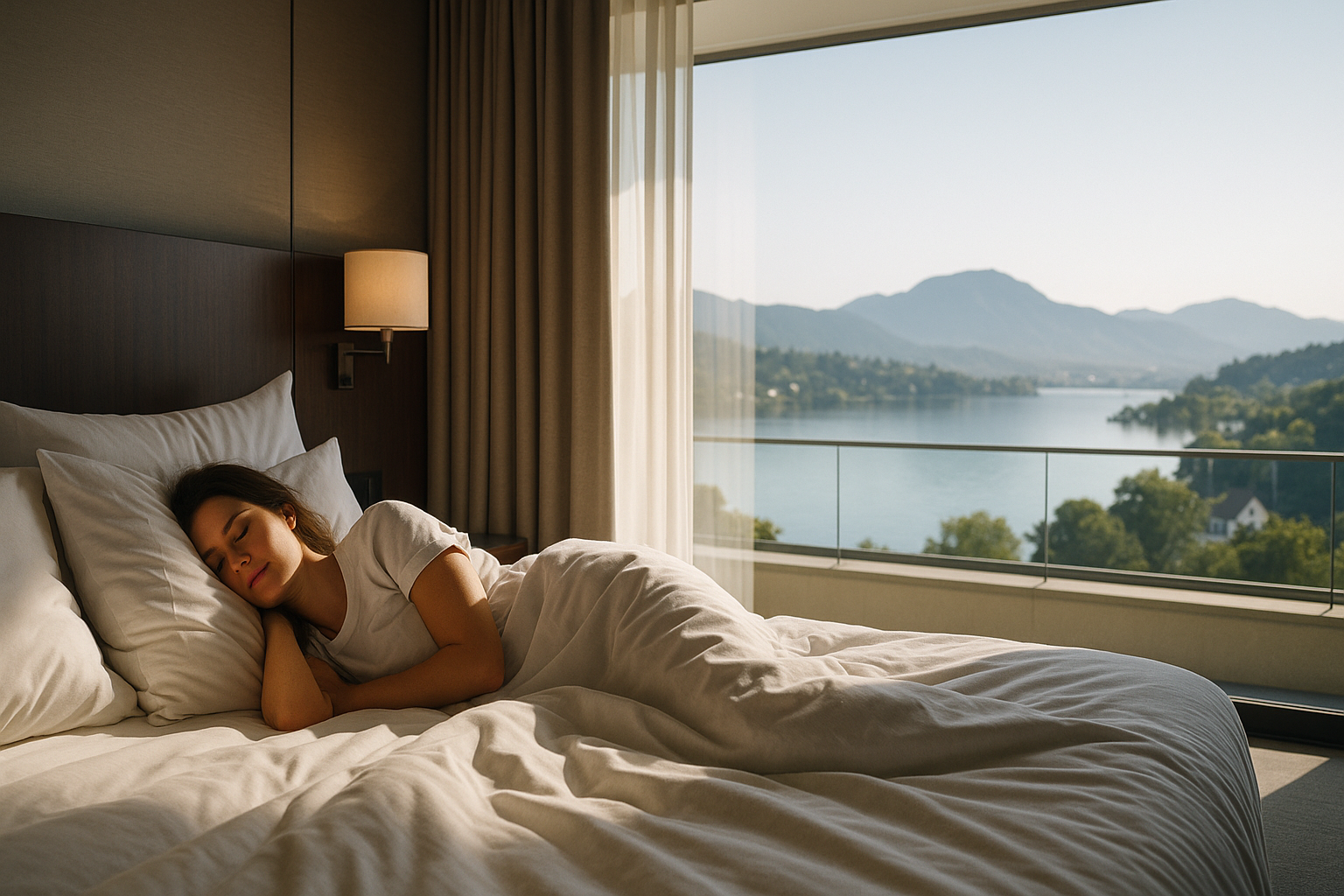
Till a few years back, if someone told me people are travelling mainly to sleep better, I would've laughed a bit. Like... bhai, hum ghar pe bhi so sakte hain na? But then work got messy, phone addiction got worse, and my usual holidays started feeling weirdly tiring. You rush to airport, rush to hotel, rush to breakfast buffet, rush to click photos, and come back more exhausted than before. That’s when I kind of stumbled into this whole sleep tourism thing. And honestly, it makes total sense. Instead of booking a hotel only for location or Instagram pool shots, you pick a stay that genuinely helps you rest. Proper blackout curtains, quiet rooms, good mattresses, sleep-friendly food, maybe even spa therapies or guided meditation. Sounds simple, but it changes the whole trip vibe.
As an Indian traveller, I’ve noticed we often treat sleep as optional on holidays. Late-night chai, early temple visit, long road trip, heavy dinner, repeat. Fun, yes. Relaxing? Not always. On my recent breaks in places like Rishikesh, Coorg, Goa in the monsoon, and even a quick luxury staycation in Bengaluru, I started choosing hotels based on how well I’d sleep there. Not exaggerating, that one decision made the trip feel 10 times better. So this guide is for anyone who wants a holiday that actually restores you, not just gives you content for reels.
What sleep tourism really means, minus the buzzword nonsense
#Basically, sleep tourism is when rest becomes a key reason for travel. Not the only reason maybe, but a serious one. Hotels are catching on big time. A lot of premium properties now offer curated sleep menus, pillow choices, aromatherapy, soundproof rooms, circadian lighting, wellness consultations, herbal teas before bed, and spa treatments designed specifically to improve sleep quality. Some even reduce blue light in the room setup or offer tech-free sleep packages. It sounds fancy, and some of it is definitely marketing, let’s be honest. But not all of it is fluff. A genuinely quiet room with the right mattress and stable AC can do wonders when your nervous system is fried.
The older I get, the more I feel luxury is not a bathtub with flower petals. Luxury is 8 hours of uninterrupted sleep in a room where nothing buzzes, blinks, leaks, or slams.
Why more travellers from India are getting into it
#There’s a reason this trend is growing. People are burnt out. Hybrid work means many of us are online all the time. Big cities like Mumbai, Delhi, Bengaluru, Hyderabad... all have noise, screens, commute stress, and irregular schedules. So when we travel now, many of us don’t just want to explore, we want to recover. Hotels have noticed this shift. Wellness retreats in Uttarakhand and Kerala, rainforest stays in Coorg, beach resorts in South Goa, even airport hotels in metro cities are positioning themselves around sleep quality and deeper rest. It’s not only for rich wellness junkies either. Even mid-range travellers can do this by choosing the right room type and destination.
- People are prioritising wellness and mental reset, not just sightseeing
- Quiet destinations like the hills, plantations, backwaters, and offbeat beach towns are getting more attention
- Hotels now openly mention pillow menus, sleep rituals, spa therapies, and room acoustics in listings
- Indian travellers are taking more short breaks, and if it’s just 2 or 3 nights, good sleep matters even more
How I now choose a hotel if rest is the main goal
#This part is super practical, and I wish I had understood it earlier. Don’t book a hotel for better rest just because the website says “serene escape.” Every resort says that, even the one next to a wedding lawn, lol. You’ve got to check details properly. First thing I look for is location inside the property and outside it. A beautiful hotel on a highway is still on a highway. A sea-view room above a loud shack is not restful, however pretty it looks. I also check if the room has blackout curtains, what kind of mattress reviews people mention, whether the AC is individually controlled, and if there are complaints about corridor noise or banquet events.
I’ve become that annoying person who reads 40 reviews before paying. But trust me, it saves you. Search terms help a lot. I type things like “light sleeper”, “noise at night”, “comfortable bed”, “soundproof”, “wedding noise”, “dogs barking”, “generator sound”. If multiple recent reviews mention disturbance, I skip. Doesn’t matter how nice the breakfast spread is.
My personal hotel booking checklist for better sleep
#- Book rooms away from lifts, banquet halls, pool decks, kids activity zones, and main road side
- Call the hotel directly and ask if there’s a wedding, live music, renovation, or group booking during your dates
- Ask what mattress type they use and whether they have firm or soft pillow options
- Choose a king room over twin-joined beds if you move around a lot in sleep
- Prefer higher floors in city hotels, but in resorts choose quieter blocks over “best view” blocks
- Check curtain quality, AC control, and if windows actually seal properly
- Avoid rooms right above restaurants or bars, this one burnt me once in Goa and never again
Best types of destinations in India for a sleep-focused holiday
#You don’t always need a full wellness retreat. Sometimes the destination itself does half the work. In India, I’ve found a few categories work brilliantly if your main aim is to sleep deeply. Hill stations can help, but only if you avoid over-crowded markets. Plantation stays are amazing because nights get properly dark and quiet. Backwater areas are slow and soft on the senses. Desert stays can be incredible too, though temperatures matter. Coastal places work best in calmer belts, not party strips.
| Destination type | Good places to consider | Why it helps sleep | Typical stay cost |
|---|---|---|---|
| Plantation and forest stays | Coorg, Chikmagalur, Wayanad | Cooler nights, low noise, green surroundings | ₹4,000 to ₹18,000+ |
| Wellness retreats | Rishikesh, Kerala, Dehradun outskirts | Yoga, Ayurveda, digital detox, structured routines | ₹6,000 to ₹30,000+ |
| Quiet beaches | South Goa, Gokarna outskirts, Marari | Sea air, slower evenings, less traffic | ₹3,500 to ₹20,000+ |
| Backwaters and lakeside | Kumarakom, Alleppey, Bhopal lakeside premium stays | Gentle pace, scenic calm, early nights | ₹4,500 to ₹22,000+ |
| Luxury city staycations | Bengaluru, Jaipur, Delhi Aerocity, Hyderabad | Short recovery breaks without long travel | ₹5,000 to ₹25,000+ |
Places where I actually slept insanely well
#Coorg surprised me the most. Not the crowded Madikeri town side exactly, but the more tucked-away plantation belt. Mornings had bird sounds, yes, but nights were properly still. You don’t realise how much background noise your body is carrying till it disappears. One estate stay I booked had no dramatic luxury angle, just really solid basics — thick curtains, zero corridor chatter, simple early dinner, and that earthy cold smell after evening rain. I slept like a log. In Rishikesh too, if you stay away from the busiest riverfront lanes and choose a wellness property or a quieter stretch beyond the main bustle, sleep gets very deep. Plus, many places there now offer evening breathwork, sound healing, yoga nidra and sattvic meals, which actually help if your digestion is a mess from city life.
South Goa also works better than North Goa for this purpose, obviously. I’m not anti-North Goa yaar, I love the chaos sometimes. But if your goal is rest, look around Benaulim, Varca, Cavelossim, Colva side in quieter pockets, or boutique stays a little inward from the busiest beach shacks. In monsoon especially, Goa becomes softer, cheaper, and weirdly healing. Less crowd, greener roads, slower meals, better sleep. Only thing is humidity can be irritating if the hotel ventilation is bad, so choose carefully.
What amenities are actually worth paying for, and what is mostly hotel drama
#Okay this is where I have opinions. A pillow menu? Nice, but not essential unless you’re picky or have neck issues. Sleep tea? Helpful maybe. Aromatherapy? Pleasant. But if the room has paper-thin walls, all this is bakwaas. The real sleep luxury is boring stuff done right. Good insulation, mattress quality, fresh linens, no flashing router lights, proper curtains, and a thermostat that doesn’t fight you at 2 am. Then comes the useful wellness layer — massage, warm bath, guided meditation, magnesium-rich dinner options, low-caffeine evening menu, and maybe a no-TV or low-tech setup if you’re serious about resetting.
- Worth it: soundproofing, blackout curtains, proper mattress, quiet HVAC or AC, room placement
- Usually worth it: spa therapy, yoga nidra, herbal bedtime drink, sleep-focused dining, late checkout
- Depends on you: pillow menu, white-noise machine, weighted blanket, scent diffuser
- Mostly branding if basics are bad: “sleep concierge” in a noisy hotel, luxury bath products, overly bright designer rooms
Budget, mid-range, and luxury — can sleep tourism work at every price point?
#Yes, mostly. You don’t need to spend ₹25,000 a night to sleep well. I mean, if you can and want to, great. But some of my best sleep happened in a ₹4,500 plantation cottage and one clean business hotel in Hyderabad with excellent curtains and surprisingly good bedding. Budget travellers should focus on fewer but smarter filters: avoid traffic-heavy areas, read reviews carefully, choose weekdays over weekends, and never underestimate the top floor corner room. Mid-range is probably the sweet spot in India right now because you can get boutique resorts, eco-lodges, heritage stays, and wellness add-ons without fully destroying your bank account. Luxury hotels, of course, can offer the whole package — spa, sleep menus, custom bedding, silent wings, and better service if something goes wrong at night.
Roughly speaking, for a sleep-first holiday in India, expect around ₹3,000 to ₹6,000 for a decent budget stay in a naturally calm destination, ₹6,000 to ₹12,000 for a strong mid-range option with comfort and ambience, and ₹12,000 upward for premium resorts or wellness hotels. In peak season, rates can jump a lot. Long weekends are the worst, honestly. If rest is the point, don’t travel on the noisiest dates possible.
Best seasons to plan a restful trip
#Season matters way more than people think. A peaceful destination in peak school holiday rush becomes a chaos machine. I personally like shoulder season travel for sleep tourism. You get lower room rates, fewer screaming crowds, and staff are less stretched. For the hills and plantations, post-monsoon months are lovely because everything is green and the air feels washed. For beach stays, monsoon can be deeply restful if you don’t mind rough seas and occasional dampness. Winter is good in North India wellness destinations, but book carefully because bonfire nights, wedding season, and tourist rush can mess with the quiet.
- Coorg, Chikmagalur, Wayanad: September to February is fantastic, though year-round works if rains don’t bother you
- Rishikesh and Himalayan foothills: October to March is comfortable, but avoid ultra-busy festival and holiday stretches if you’re a light sleeper
- South Goa and Kerala coast: October to February is easiest, while monsoon is amazing for slow rest trips and lower rates
- City staycations: best on weekdays, not weekends, and definitely not during major wedding season if the hotel hosts events
Food, caffeine, and the very Indian mistake of overeating at the buffet
#Can’t talk about better rest without talking about dinner, because we Indians sabotage our own sleep a little too enthusiastically. One rich buffet meal with butter chicken, noodles, biryani, dessert, and then late-night tea... done, sleep gone. I’ve done this enough times to say it with authority and shame. If I’m booking a hotel for rest now, I actually check dining timings and meal style. Properties with early, lighter dinners work better. Ayurveda resorts and wellness stays usually do this well. Even regular hotels can, if you ask for simple khichdi, grilled fish, soup, steamed rice, idli, sautéed vegetables, that sort of thing.
Also, chai and coffee timing matters. I know, painful sentence. But that 6:30 pm cappuccino while watching rain from the balcony may feel romantic and all, then suddenly you’re fully awake at 1:40 am counting geckos on the ceiling. Been there. If sleep is the goal, go easier on caffeine after late afternoon and keep alcohol low, especially at altitude or in dehydrating weather.
Transport tips because the journey can ruin the sleep plan before you even arrive
#This is one part travel blogs sometimes skip. If you take a red-eye flight, then a 5-hour road transfer on bad roads, then check in late and force yourself into sunset activities, your body is already irritated. For sleep tourism, the travel day should be kinder. I now prefer direct flights where possible, Vande Bharat or overnight trains if they’re comfortable on that route, or short scenic drives under 4 hours. In places like Coorg, Kabini, Rishikesh outskirts, and parts of Kerala, the “last mile” can be tiring, so factor it in. Reach before evening if possible, eat early, settle in, and don’t over-plan the first night.
Within cities, cabs and app taxis are easiest. For more remote resorts, confirm pickup with the hotel because local directions are often confusing and network can disappear. Safety-wise, most established sleep and wellness properties in India are pretty safe, but standard precautions apply — verify bookings, use trusted platforms or direct reservations, avoid isolated cheap properties with sketchy review patterns, and if travelling solo, especially as a woman, check recent reviews for security, staff behaviour, and access roads after dark.
A few red flags that tell me a hotel is bad for sleep, no matter how pretty it looks
#You know those listings with gorgeous lamps, boho cushions, and everyone in comments saying “aesthetic”? Yeah, not enough. Here’s what I avoid now. Hotels that host weddings every other night. Rooms with giant decorative windows but flimsy curtains. Trendy properties with live music till late. Places where reviews mention damp smells, old AC units, or staff knocking too early for housekeeping. Also, family resorts with lots of activity zones are great for many people, but not if your dream holiday is uninterrupted sleep. There’s no shame in admitting that your ideal vacation currently involves doing almost nothing.
- If the hotel Instagram shows more sangeet setups than bedrooms, be careful
- If check-in reviews repeatedly mention delays, your first evening will already feel stressful
- If many guests say “great for families and kids,” translate that according to your tolerance for noise
- If the property is famous for nightlife, don’t try to convince yourself one quiet room will magically appear for you
Lesser-known ways to make any hotel room more sleep-friendly
#Even a good hotel can be improved with a few small tricks. I carry a sleep kit now like some old aunty, but it works. Soft eye mask, silicone earplugs, one tiny lavender roll-on, electrolyte sachets, and a light shawl because hotel AC logic is random. I also tape or cover stupid little blinking lights with a bandaid if needed. Sounds dramatic, but once you notice blinking, you can’t un-notice it. Keep room temperature slightly cool, request housekeeping timings that suit you, and don’t hesitate to ask for a quieter room change early if something feels off.
Btw, if you’re sharing the room, discuss sleep stuff before the trip. One person likes TV on, the other likes silence. One wants freezing cold AC, the other wants blanket plus fan plus socks. Tiny things become huge at midnight. Me and my friend once nearly fought in Jaipur over curtain gaps. Not proud.
So... is sleep tourism worth it?
#For me, yes. Completely. Not for every single trip maybe. If I’m going to Varanasi or old Delhi, I’m not expecting some zen sleep reset, and that’s okay. But for at least a couple of trips a year, I now want travel that genuinely calms my brain and fixes my energy a little. Sleep tourism isn’t about being lazy or boring. It’s about being honest. A lot of us are tired. Properly tired. And there’s something really nice about booking a hotel not because it looks impressive online, but because you know you’ll wake up feeling human again.
If you’re trying it for the first time, keep it simple. Pick a quieter destination, travel on weekdays, call the hotel before booking, eat lighter at night, and choose rest over FOMO at least once. You might be shocked how good a trip feels when your body is not constantly complaining. Anyway, that’s my very non-fancy, very practical take on sleep tourism after a few Indian trips where I finally learnt that rest itself can be the itinerary. If you like travel stories and useful guides like this, have a look at AllBlogs.in too — quite a nice place to keep bookmarking ideas for the next break.