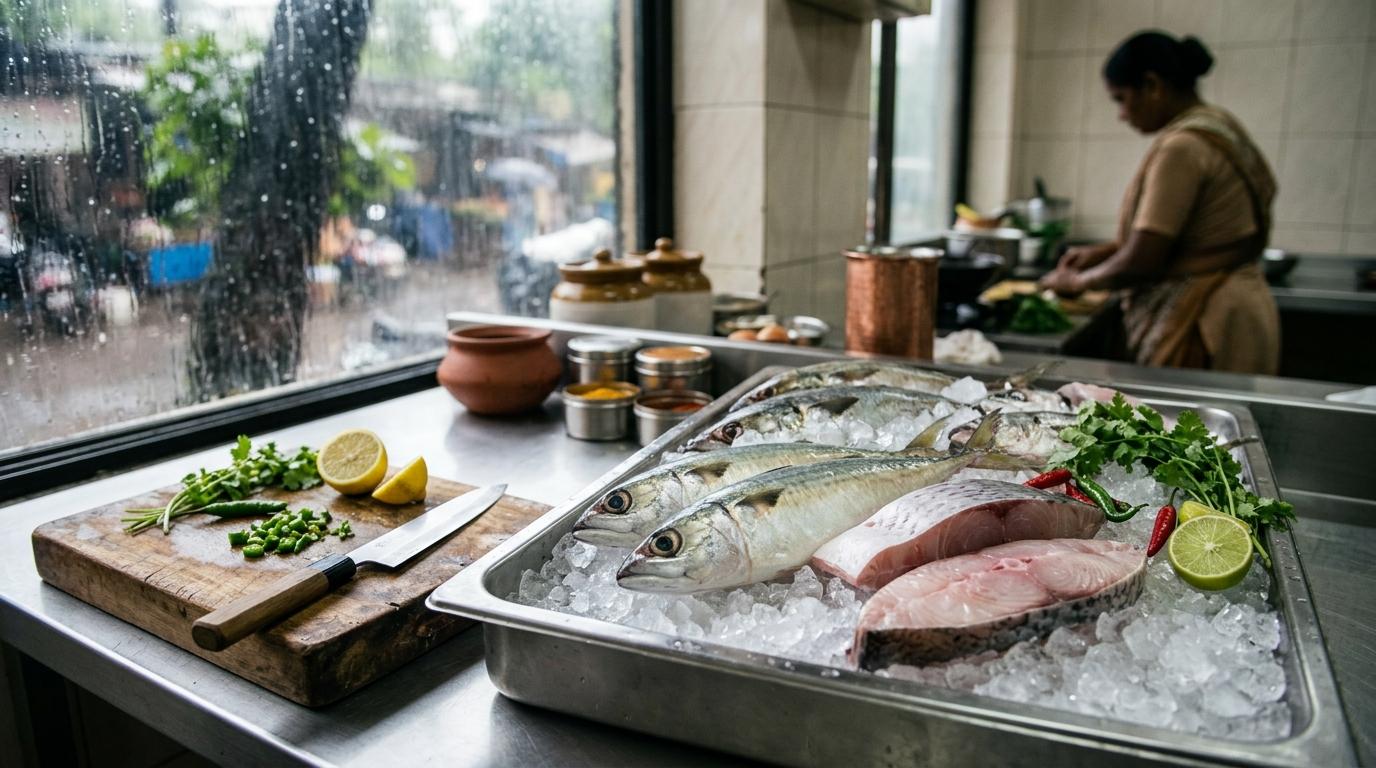
Rainy weather and fish curry have a special kind of comfort, don’t they? Steaming rice, a spicy curry, maybe some fried fish on the side — for many Indian homes, that’s peak monsoon food.
But once the rains begin, the same question comes up again and again: can you eat fish in rainy season, or is it better to avoid it?
The honest answer is: yes, you can eat fish during the rainy season. You don’t have to give it up completely. But you do need to be more careful than usual.
Monsoon means humidity, wet markets, traffic delays, power cuts, poor icing, and sometimes unreliable storage. All of this can make fish spoil faster. So the problem is not fish itself. The problem is bad handling, poor storage, and undercooking.
Here’s a simple, practical guide to help you buy, cook, store, and reheat fish safely during the rainy season.
Quick Answer: Can We Eat Fish in Rainy Season?
#Yes, you can eat fish in rainy season if it is fresh, properly chilled, cooked well, and stored safely.
That’s the main rule.
During monsoon, be a little stricter. Buy fish only from clean, trusted sellers. Avoid fish that smells sour, rotten, ammonia-like, or unusually strong. Don’t buy fish that has been lying uncovered in warm, humid air without ice.
Cook fish properly, ideally to 145°F or 63°C. If you don’t use a food thermometer, cook it until the flesh turns opaque and flakes easily with a fork.
Also, it’s better to avoid raw or undercooked seafood during the rainy season, especially for pregnant people, young children, older adults, and anyone with low immunity.
So, in simple words: fish is not automatically unsafe in monsoon. Careless buying, poor storage, and half-cooking are what make it risky.
Why Fish Needs Extra Care in the Rainy Season
#Fish is delicate. It spoils faster than many other foods, and monsoon weather makes things trickier.
The air is humid. Markets are wet and crowded. Ice melts quickly. Transport can get delayed. Power cuts can affect refrigeration. And if fish is not kept cold from the time it is caught or packed, its quality can drop quickly.
In coastal areas, rough seas can also reduce fresh daily catch. So some fish sold during monsoon may be frozen, stored longer, or farmed. That does not automatically mean it is bad. Frozen fish can be perfectly fine if handled properly. But it does mean you need to check quality instead of buying blindly.
Some fish also breed during the rainy season. During this time, the texture and taste may change. The flesh may not feel as firm or rich as usual. Again, this does not always mean the fish is unsafe, but it may affect quality.
So the rule is not “don’t eat fish in monsoon.”
The better rule is: buy carefully, keep it cold, cook it well, and don’t take chances with doubtful fish.
Fresh Fish Buying Checklist for Rainy Season
#If you remember only one section, remember this one. Knowing how to buy fresh fish is the biggest part of staying safe during monsoon.
Use this checklist whether you’re buying from a local fish market, a supermarket, a neighbourhood vendor, or a delivery app.
1. First, check if the fish is cold
#Fish should be kept on ice, inside a chilled display, or delivered in proper cold packaging.
If the fish is just lying out in the open, with no ice, in a humid and warm market, it’s better to skip it. In rainy weather, even a short delay without cooling can affect freshness.
For home delivery, check the packet as soon as it arrives. If the fish feels warm, smells bad, or the ice packs have completely melted and leaked everywhere, don’t ignore it. Reject it or raise a complaint with the seller.
2. Smell it before you buy it
#Fresh fish should smell mild and clean. It may smell slightly like the sea or fresh water, but it should not smell offensive.
Avoid fish that smells:
- Sour
- Rotten
- Ammonia-like
- Stale
- Fermented
- Too strongly fishy
A strong bad smell is one of the easiest signs that the fish is not safe to cook.
And no, extra masala will not fix spoiled fish.
3. Look at the eyes
#If you are buying whole fish, check the eyes.
Fresh fish usually has eyes that are:
- Clear
- Bright
- Slightly bulging
Avoid fish with eyes that look:
- Cloudy
- Sunken
- Dry
- Dull
Cloudy, tired-looking eyes are usually a sign that the fish is not very fresh.
4. Check the gills
#If the vendor allows it, gently lift the gill cover.
Fresh gills should look red or bright pink. They should not smell foul.
Avoid fish with gills that are:
- Brown
- Grey
- Blackish
- Slimy
- Sticky
- Bad-smelling
The gills often reveal freshness better than the outer appearance.
5. Press the flesh gently
#Fresh fish should feel firm. When you press it lightly, the flesh should spring back.
Avoid fish if:
- The flesh feels mushy
- Your finger leaves a deep dent
- The skin feels sticky in a bad way
- The pieces are breaking apart too easily
- There is too much slime with a bad smell
A little natural slipperiness is normal. Sticky, smelly slime is not.
6. Be extra careful with cut fish
#Cut fish is convenient, especially when you’re busy. But it gives you fewer freshness clues because you can’t check the eyes or gills.
So for cut pieces, pay more attention to smell, texture, and temperature.
Good cut fish should have:
- Firm flesh
- Clean cuts
- No grey or dry edges
- No bad smell
- No excessive watery liquid
If the pieces look dull, too soft, watery, or smell off, leave them.
7. Don’t buy from an unhygienic stall
#This matters even more during the rainy season.
Avoid buying fish if you see:
- Fish kept in dirty water
- Flies around the stall
- Fish displayed near drains or stagnant water
- Vendors using dirty knives or chopping boards
- Raw fish juices mixing with other foods
- No ice or refrigeration
- A generally unclean setup
A cheaper price is not worth a stomach infection.
Is Frozen Fish Okay During Monsoon?
#Yes, frozen fish can actually be a good option during the rainy season, as long as it has stayed properly frozen.
In fact, good-quality frozen fish from a reliable source may sometimes be safer than “fresh” fish that has been sitting for hours without ice.
But check the packet properly.
Avoid frozen fish if:
- The packet is torn
- The fish feels soft or partly thawed
- There are too many ice crystals inside
- The pieces are stuck together in one hard block
- The fish has freezer burn
- It smells stale after opening
Too many ice crystals can mean the fish thawed and was frozen again. That’s not ideal, especially in monsoon.
Once you buy frozen fish, take it home quickly and put it in the freezer immediately unless you plan to cook it the same day.
How to Store Fish Safely During Monsoon
#Even good fish can become unsafe if you store it badly.
During the rainy season, don’t leave fish lying around while you do other work. Once you buy it, your goal is simple: get it cold as quickly as possible.
Bring it home quickly
#Buy fish at the end of your shopping trip, not at the beginning.
After buying it, go straight home. Don’t leave raw fish in:
- A parked car
- A warm kitchen
- A cloth bag for hours
- A delivery packet after it arrives
- The sink while you prepare other ingredients
The sooner it goes into the fridge or freezer, the better.
Keep raw fish away from other foods
#Raw fish juices can contaminate other foods.
Store fish in a:
- Sealed container
- Leak-proof bag
- Covered bowl placed on a plate
Keep it on the lower shelf of the fridge so the juices do not drip onto cooked food, fruits, chutneys, or leftovers.
This small habit makes a big difference.
If you’re cooking it the same day
#Keep the fish in the coldest part of the fridge until you are ready to cook.
Don’t leave it outside for a long time to “come to room temperature.” In humid monsoon weather, that’s not a great idea.
Take it out only when you’re actually ready to clean, marinate, or cook it.
If you’re cooking it later
#If you’re not cooking fish the same day, freeze it.
Wrap it tightly or store it in a freezer-safe container. Try to remove extra air from the packet before freezing, because air exposure can affect taste and texture.
Label it if needed, especially if you freeze fish often.
Thaw frozen fish safely
#Never thaw frozen fish by leaving it open on the kitchen counter.
Use one of these safer methods:
- Thaw it overnight in the refrigerator
- Keep it in a sealed bag and place the bag in cold water
- Use the microwave defrost setting only if you will cook it immediately after
Do not thaw fish in warm water. And don’t thaw it, forget it outside for hours, and then cook it later.
That’s where things can go wrong.
Should You Wash Fish During Monsoon?
#In many Indian kitchens, washing fish before cooking is normal. If you do wash it, do it carefully.
Use clean, safe running water. Try not to splash raw fish water around the sink, utensils, or nearby vegetables.
After washing fish, clean:
- The sink area
- Knife
- Chopping board
- Bowl or plate
- Your hands
Also remember this: washing does not make spoiled fish safe.
If the fish smells sour, rotten, or strange, washing it with water, salt, turmeric, vinegar, or lemon will not fix it. Bad fish should be thrown away, not rescued.
Safe Cooking Rules for Fish in Rainy Season
#Cooking fish properly is one of the most important steps in monsoon safety.
Cook fish thoroughly
#If you use a food thermometer, fish should reach 145°F or 63°C.
If you don’t have a thermometer, check it the traditional way:
- The flesh should turn opaque
- The centre should not look raw or translucent
- It should flake easily with a fork
- The thickest part should be cooked through
This is especially important for thick fish steaks, large curry pieces, and whole fish.
Be careful with lightly seared fish
#Monsoon is not the best time to experiment with barely cooked fish at home.
Deep-fried fish, well-simmered fish curry, steamed fish, and properly grilled fish are safer options because they are easier to cook through.
Quick searing can leave the centre undercooked, especially if the pieces are thick.
Avoid raw or undercooked seafood
#During the rainy season, it’s better to avoid:
- Raw fish
- Undercooked prawns
- Raw oysters
- Half-cooked shellfish
- Sushi or raw seafood from doubtful places
This is especially important for pregnant people, young children, older adults, and anyone with a weaker immune system.
At home, fully cooked seafood is the safer choice.
Don’t reuse raw marinade
#If you marinate raw fish, don’t use the same marinade as a chutney, dip, or finishing sauce unless you boil it properly first.
Raw marinade can contain raw fish juices. Keep it away from cooked food.
If you want some marinade for serving, keep a separate portion aside before adding raw fish.
Use separate utensils for raw and cooked fish
#Use separate plates, knives, and chopping boards for raw and cooked fish.
If you use the same knife or board, wash it well with soap and hot water before using it again.
And never put cooked fish back on the same plate that held raw fish. It sounds obvious, but it happens often in busy kitchens.
How to Reheat Fish Safely
#Fish leftovers are common, especially when there’s curry. But reheating needs care.
When reheating fish:
- Heat it until it is steaming hot all the way through
- Stir curry properly so the centre heats evenly
- Don’t stop when it is only lukewarm
- Avoid reheating the same portion again and again
If reheated fish smells strange, don’t taste it “just to check.” Throw it away.
Your nose is giving you a warning for a reason.
Leftover Fish and Tiffin Cautions
#This is where many people become a little too relaxed.
Fish curry cooked at night may look fine in the morning. But if it sat outside too long, especially in humid weather, it may not be safe.
Refrigerate leftovers quickly
#Don’t leave cooked fish outside for hours.
Refrigerate leftovers within two hours of cooking. If your kitchen is very hot and humid, do it sooner — ideally within one hour.
Store leftovers in a clean, covered container.
Be careful with fish in lunch boxes
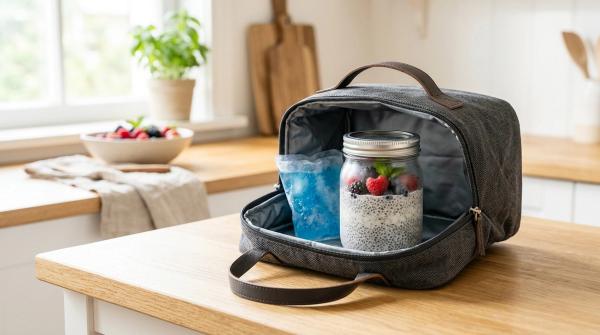
#Fish in a tiffin can be risky if it sits at room temperature for several hours.
Avoid packing fish if:
- The tiffin will not be refrigerated
- The commute is long
- The food will be eaten after many hours
- The weather is very humid
- The fish was already reheated once
For children, older adults, pregnant people, or anyone with low immunity, it’s better to avoid fish in tiffin unless it can be kept cold and reheated properly before eating.
A fresh sabzi or dal may be the safer lunchbox choice on such days.
When should you throw leftover fish away?
#Throw it away if:
- It smells sour, stale, or unusual
- The texture has turned slimy
- The curry has bubbles or froth
- It smells fermented
- It was left outside for too long
- You don’t know how long it has been stored
- It has been in the fridge for more than two days during humid weather
When in doubt, don’t taste and decide. Just discard it.
It’s annoying to waste food, yes. But falling sick is worse.
Who Should Be Extra Careful?
#Everyone should follow basic fish safety rules during the rainy season. But some people need to be especially careful.
Extra care is needed for:
- Pregnant individuals
- Young children
- Older adults
- People with weakened immune systems
- People recovering from illness
These groups should avoid raw or undercooked seafood completely.
Fish should be bought from a clean source, stored cold, and cooked thoroughly. If there is even a small doubt about freshness, it’s better to skip it.
When Should You Avoid Buying Fish in Rainy Season?
#Sometimes the safest decision is to walk away and buy something else.
Avoid buying fish if:
- The vendor has no ice or refrigeration
- The fish smells sour, rotten, or ammonia-like
- The fish feels warm to the touch
- The flesh is mushy or falling apart
- The eyes are cloudy and sunken
- The gills are brown, grey, or slimy
- The market area looks dirty
- The delivery packet arrives warm or leaking
- You cannot cook or refrigerate it soon after buying
Monsoon cravings are real, but bad fish is not worth the risk.
A Simple Monsoon Fish Safety Routine
#Here’s an easy routine to follow every time:
- Buy fish only from a clean, trusted source.
- Make sure it is chilled or packed in ice.
- Check the smell, eyes, gills, and flesh.
- Bring it home quickly.
- Refrigerate or freeze it immediately.
- Keep raw fish separate from other foods.
- Cook until opaque and flaky, or to 145°F / 63°C.
- Refrigerate leftovers quickly.
- Reheat until steaming hot.
- Throw it away if it smells, looks, or feels wrong.
That’s really it. You don’t have to be scared of fish in rainy season. You just can’t be careless with it.
Final Takeaway
#You don’t need to stop eating fish during the rainy season. You just need to be more careful than usual.
Buy from clean sellers. Choose fish that is cold, firm, and fresh-smelling. Store it quickly. Cook it properly. Be sensible with leftovers and tiffins. And if something smells wrong, feels wrong, or simply makes you unsure, skip it.
A good fish curry can always wait.
Food safety should not.