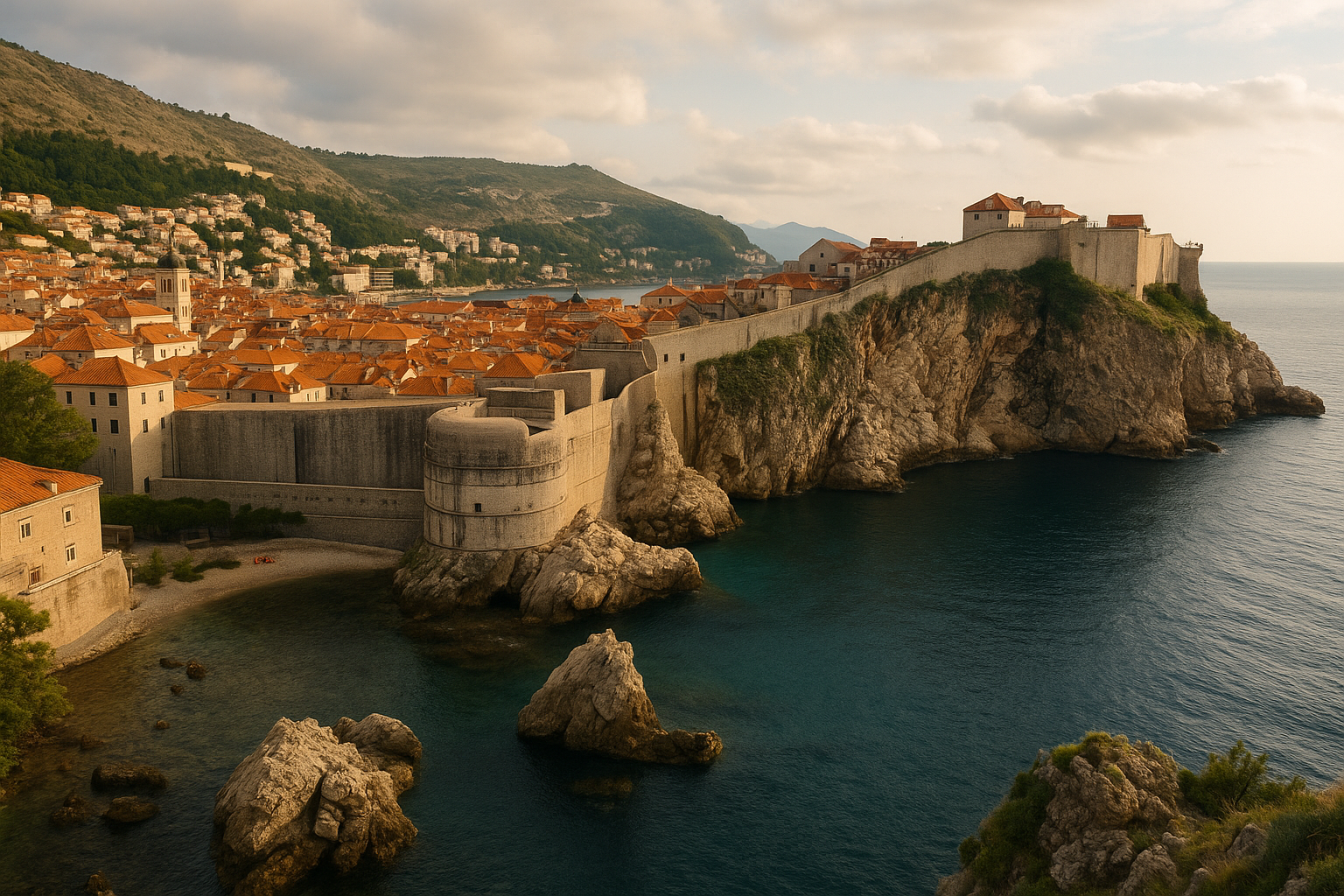
So, um, I’ll be honest. When I first started planning a Europe trip, I thought it’s only for rich people. You know, those folks on Instagram who somehow always have a hot coffee, a trench coat, and a random Eiffel Tower in the background. But as a desi middle-class kid with a very real bank balance and very strict parents, I basically had one question: which are the cheapest European countries to visit from India, without selling kidney?
Over the last couple of years I’ve managed to do multiple short trips to Europe from India, mostly on budget airlines, overnight buses, and more hostels than I can count. And what I realised is: Europe doesn’t have to be crazy expensive if you pick the right countries and travel a bit smart. Also, prices do move with inflation and all that, but the relative budget-friendliness of these places is still more or less the same.
So here’s my personal list of 10 cheapest European countries to visit from India in 2026 – based on my own trips, talking to other Indian travellers in hostels, and checking recent prices for stays, food, local transport, safety updates, all that boring-but-important stuff. I’ll try to keep it real, yeah? Not just “oh it’s cheap” – but what actually feels cheap on the ground.
Quick Reality Check: What Does "Cheap" Even Mean from India?
#Before jumping in country-by-country, just to set some expectations. When I say cheap, I mean roughly this (for a budget / backpacker style, not luxury):
- Dorm bed in hostel: ₹1,200 – ₹2,500 per night in most of these countries
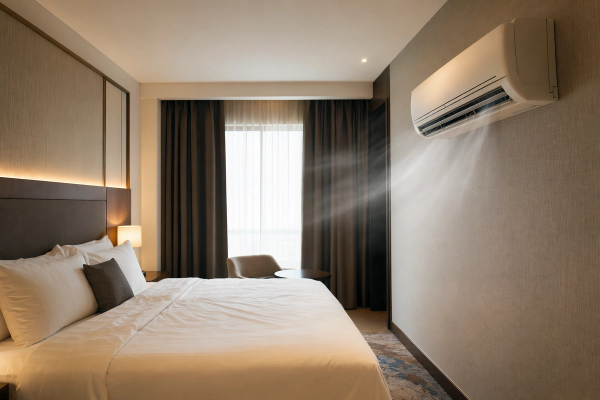
- Simple guesthouse / budget hotel: ₹3,000 – ₹5,000 per night for 2 people
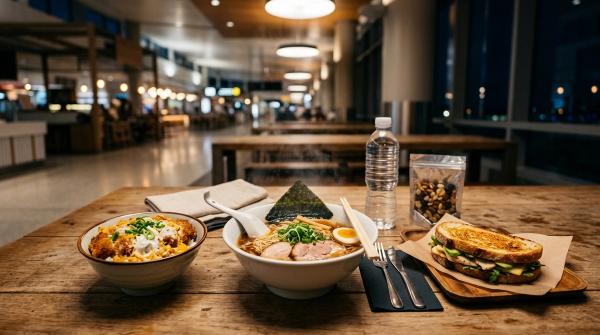
- Local meal: ₹400 – ₹900 in a normal cafe or street-style place
- Daily budget if you’re careful: around ₹3,500 – ₹6,000 excluding flights
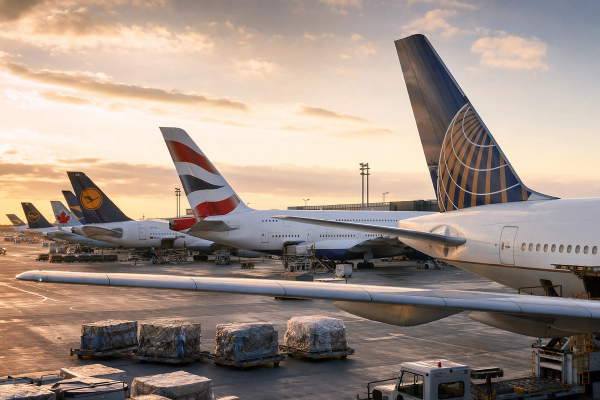
Flights from India to Europe are usually the biggest chunk. Return flights to hubs like Budapest, Prague, Warsaw, Athens etc can fluctuate a lot with season and offers, but if you plan early and are okay with one stop, you can still find decent deals. Also, Indian travellers are still travelling a lot to Europe, and most of these places I mention are safe for solo travellers, including girls travelling alone (obviously normal precautions, yaar).
1. Hungary – Budapest on a Budget, and Beyond
#I’ll start with Hungary because honestly, Budapest is the city that convinced me Europe can be affordable. I landed there with full tension, thinking I’d burn through my savings in 3 days, but it turned out way more manageable.
A good hostel bed in Budapest I found for around €15–20 (roughly ₹1,400–₹1,800) per night, and even in the central area. If you are 2–3 people, Airbnb or small guesthouses come even cheaper per head. Food wise, local bakeries are your best friends – those giant pastries, langos (deep fried bread with toppings, absolute killer), and soups cost like €3–6. I ate a full meal sitting by the Danube for less than what a Starbucks costs in Mumbai.
Public transport in Budapest is super smooth, with metro, trams, and buses running on time. They have travel cards (24, 72 hours) that make it really good value. For Indians, walking around Buda Castle, crossing Chain Bridge in the evening, soaking in the famous thermal baths (Széchenyi is crowded but fun) – all of this feels like those European movie scenes we grew up watching. But your wallet doesn’t cry too much.
Outside Budapest, smaller cities like Debrecen, Pécs, Eger are even cheaper and more chill. Not many Indians go there, but honestly that’s the charm. You get more local feel, fewer tourists blocking your photos, and prices of stays and food drop further.
Best months: April–June and September–October. Winter is beautiful but can be freezing, and thermal baths in the snow look amazing but you need layers, bro.
2. Poland – Underrated, Affordable, and Very Real
#Poland surprised me in a big way. I started with Kraków, and it instantly became one of my fav cities in Europe. Old town, cute cafes, strong history, and still very budget friendly compared to Western Europe. You get hostel beds for €12–18. Zloty conversion is also kinda kind to us desis.
Meals at a milk bar (bar mleczny – basically old-school canteen style) cost like €4–7. It’s simple home-style food, nothing fancy, but very filling. I had pierogi (dumplings) almost everyday because cheap + tasty = done.
Public transport is efficient and trains between cities are well connected. I did Kraków → Warsaw → Gdańsk by train and buses, and the tickets if you book a bit early are decent. For history nerds or even just curious travellers, Auschwitz from Kraków is a very heavy but important day trip. It’s emotionally intense but I felt it’s something you shouldn’t skip.
Safety wise, I felt pretty comfortable walking in the main areas even at night. Just avoid drunk crowds near clubs late night, common sense stuff. Poland is getting more popular every year, but still remains cheaper than many big EU destinations.
Best months: Late May to September if you want pleasant weather. Winters are harsh, but Christmas markets in Kraków and Wrocław are honestly magical.
3. Czech Republic – Prague Is Crowded, But Still Worth It
#Czech Republic, especially Prague, is like that one person everyone keeps hyping up. And when you finally go, you’re like, ya okay fine, they were right. It’s gorgeous. It’s also not as cheap as it used to be, but compared to Paris or Rome, still a lot more gentle on the budget.
I stayed in a hostel near Old Town for around €22 per night (a bit higher because I went peak season like a fool), but in shoulder seasons you can find cheaper. Food is where you can still save. Local pubs and small eateries serve big portions: goulash, dumplings, roasted meats, all for around €7–10. Beer is famously cheap, like cheaper than water in some places. I don’t drink much but still, it’s a fun fact.
For Indians, the vibe is interesting. You’ll see a lot of tourists, but also good connectivity and easy walking everywhere. Sunrise at Charles Bridge is one of those cliché things you should actually do. Go early before the selfie-stick army arrives.
If Prague feels crowded or slightly pricey, hop to Brno, České Budějovice, Český Krumlov – smaller towns, way less rushed, and slightly cheaper stays. Buses like RegioJet and FlixBus connect Czech cities with neighbouring cheap countries like Hungary, Slovakia, Poland, so you can easily build a multi-country trip.
Best months: March–May and September–October. Summer is great but touristy and prices bump up a bit.
4. Romania – Castles, Carpathian Mountains, and Crazy Value for Money
#Romania felt like a hidden level in a video game. I honestly didn’t expect it to be this beautiful and this cheap. Bucharest has that gritty-but-cool vibe. Hostels start around €10–15 per night, and even private rooms in small hotels can be around €25–35 if you search properly.
But the real magic for me was in Transylvania – places like Brașov, Sibiu, Sighișoara. Cute old towns, mountains in the background, castles, and spooky Dracula marketing everywhere (slightly cringe but fun). Buses and trains from Bucharest are cheap, though not super luxury. Pack some snacks and be patient.
Food is hearty and portion sizes are generous. I paid like €5–8 for full meals. Covrig (pretzel-type bread) became my on-the-go snack. Coffee culture is also picking up and you’ll find very aesthetic cafes where you can sit and pretend to work remotely.
Safety wise I personally didn’t face anything weird. As usual, watch your wallet in crowded areas, but locals were quite helpful whenever I asked directions. Plus, Romania is part of the Schengen area expansion, so more Indians are starting to consider it seriously now for their itineraries.
Best months: May–June and September. Winter is great if you like snow and Christmas vibes in the mountains.
5. Bulgaria – Black Sea Beaches and Super Low Costs
#Bulgaria is one of those places many Indian travellers still skip, but if you’re looking at cheapest European countries, this one is gold. Sofia, the capital, is not the fanciest city you’ll see, but it has its own rough charm, old churches, and some really cool bars and cafes.
I stayed in a hostel near Vitosha Boulevard for around €12 per night. Even central Airbnbs were not crazy. Eating out was very budget friendly. You can get a decent meal for €4–7 and even cheaper if you stick to bakeries or local fast food. Banitsa (cheese pastry) for breakfast became my small obsession.
From Sofia, I took a bus to Plovdiv, which honestly I liked more than the capital. Cute old town, Roman theatre, colourful houses – and almost no rush. In summer, a lot of people go towards the Black Sea coast – cities like Varna and Burgas. Still cheaper than the typical Mediterranean hotspots but you get beach, sun, nightlife, all of that.
Public transport is okay-ish. Trains are slow but cheap. Buses are better for intercity travel. English is not widely spoken everywhere, but you can survive with Google Translate, smiles, and pointing at menus.
Best months: May–September for beaches, spring and early autumn for cities and hikes.
6. Serbia – Visa-Friendly Vibes and Big Portions
#Serbia is interesting, especially because it’s been more accessible for Indian travellers in terms of visa in recent times (always double-check latest rules though, they keep changing). Belgrade is one of those cities that hits you slowly – old fortress, riverside promenades, cheap cafes, lively nightlife, and not overly polished.
I found hostels for €10–15 easily, and private rooms sometimes for €20–30 if booked a bit in advance. Food is excellent if you eat non-veg – grilled meats, kebabs, burek (stuffed pastry) – and not expensive at all. A full plate in a local-style place can cost €5–7 and you’ll be full for hours.
From Belgrade, I did a trip to Novi Sad, which is super cute and more relaxed. In summer they have the EXIT music festival there which has become quite big globally. During festival time prices go up of course, but otherwise it’s still quite affordable.
Serbia isn’t in the EU or Schengen yet, but it’s well connected by buses to Hungary, Croatia, Bosnia etc. So if you’re doing a Balkans loop, it fits in nicely as a cheaper stop with good city energy.
Best months: April–June and September–October. Summers can be hot but fun if you like outdoor events.
7. Bosnia & Herzegovina – Mostar’s Bridge and Mountain Roads
#Bosnia & Herzegovina is honestly one of the most emotional places I visited. The scars of the war are still visible, but so is the resilience. Sarajevo completely blew my mind. It feels like a mix of East and West – mosques, churches, Austro-Hungarian buildings, Ottoman bazaars – all in one small valley.
For budget travellers, this place is amazing. I paid around €10–14 for hostel dorms and €20–25 for guesthouses. Food in old town (Baščaršija) is delicious and relatively cheap: cevapi (grilled meat with bread), burek, Bosnian coffee. Vegetarian options are more limited but you’ll still manage with salads, cheese pies, and bakery items.
The highlight for me was Mostar – that famous stone bridge over the emerald river. It’s touristy, yes, but still very beautiful. I went in shoulder season, so it wasn’t insanely crowded. There are day trips to waterfalls like Kravica, which are stunning in warmer months.
Public transport is mainly buses between cities. The scenic train route between Sarajevo and Mostar is like a budget version of those Swiss train Instagram reels – mountains, tunnels, rivers – but way cheaper.
Best months: May–September. Avoid deep winter if you’re not a snow person, as some mountain roads can be tough.
8. Albania – Crazy Landscapes, Low Costs, and Fewer Tourists (For Now)
#Albania felt like a secret that’s just starting to leak out. Every year more travellers are discovering it, but it’s still much cheaper than Greece or Italy, especially along the coast. Tirana, the capital, is colourful, slightly chaotic, and has a very youthful energy.
Hostel beds in Tirana were around €10–15 when I went, and even cheaper in smaller towns. I once got a private room in a homestay for about €18 including breakfast. That’s like Indian city OYO prices, but with homemade jam and mountain views.
The Albanian Riviera – places like Sarandë, Ksamil, Himarë – honestly looks like expensive Mediterranean postcards, but most prices are still lower than nearby countries. Blue water, white-ish sand, beach bars… only thing is that in peak summer costs go up and it gets more crowded. If you can, go just before or after peak months.
I felt safe overall, and locals were very friendly. Many younger people speak English. Buses within Albania are slightly confusing (no super fixed timings sometimes), but they’re cheap and people usually help you figure it out.
Best months: Late May–June and September for beach and nice weather, July–August if you don’t mind crowds and a little price jump.
9. Montenegro – Tiny Country, Big Views
#Montenegro is small but man, it packs a punch. I went mainly for Kotor because I saw a photo of the bay on Instagram and got obsessed. In real life, it’s even better. A whole bay surrounded by mountains, with old town vibes… and if you hike up to the fortress for sunset, that view will stay with you forever.
Budget wise, it’s slightly pricier than Albania but still cheaper than Western Europe. In Kotor’s old town, hostels were around €15–22 per night in season. But just a little outside, prices come down. Most of my meals were about €7–10 in sit-down places, less if I grabbed bakery items or small snacks.
Public buses connect main towns like Budva, Podgorica, Kotor, Herceg Novi. If you can drive, renting a car is pretty popular there and actually not too expensive if shared with friends – the coastal and mountain roads are gorgeous, though slightly scary in parts.
It’s also super easy to combine Montenegro with Albania and Bosnia in one trip, since buses connect across borders. I met many backpackers doing a full Balkans route like that.
Best months: May–October for coastal areas. July–August is crazy busy near the sea though. Spring and autumn are more peaceful and affordable.
10. Portugal – Slightly Costlier Than Balkans, But Still One of the Best Value
#Okay, so compared to Serbia or Albania, Portugal is not ultra cheap, but among Western European countries it’s definitely one of the most affordable and still doable for Indian travellers watching their budgets.
I did Lisbon and Porto, and both felt like cities I could live in. Trams, tiled buildings, hills, miradouros (viewpoints), pastel de nata (that custard tart, oh my god). Hostels were around €18–25 in central areas, but the quality was really good. Clean, social, free breakfasts sometimes.
Food is still relatively reasonable if you eat at local tascas (small family-run places) instead of tourist traps. I had set lunch menus (prato do dia) for around €8–12 including soup, main, and sometimes even wine which I skipped. For Indian travellers, the seafood scene is fantastic – grilled fish, sardines, cod – very flavourful and honestly reminded me a bit of Goan vibes but in a European setting.
Public transport in cities is great, and intercity trains and buses connect Lisbon, Porto, Algarve, and smaller towns easily. If you plan well, you can get discounted advance fares. Safety is generally good, just keep an eye out for pickpockets in crowded tourist areas.
Flights from India can sometimes be a bit more expensive compared to central Europe, but if you grab a good deal via the Middle East or some European hub, Portugal becomes a very solid value-for-money choice especially if you’re mixing city, culture, and coastal chill.
Best months: March–June and September–November. Summer is beautiful but hotter and touristy.
Bonus Mentions: Slovakia, Latvia, and Greece (If You Plan Smart)
#Just quickly – Slovakia (especially Bratislava and the High Tatras) can be quite affordable and easy to combine with Hungary and Czech Republic. Latvia and the rest of the Baltics (Lithuania, Estonia) are also pretty budget friendly if you avoid peak dates; Riga has that old town charm without insane Western Europe prices.
And Greece – people think it’s super expensive, but if you skip the most hyped islands and stick to places like Thessaloniki, some less touristy islands, or mainland towns, it can be surprisingly budget friendly. Just… avoid Mykonos in peak season if you’re counting rupees, seriously.
General Tips for Indians Travelling Cheap in Europe
#Okay, so here’s some stuff I wish someone had told me before my first budget Europe trip from India. Not in proper list format or anything, just the main things that actually helped me not go broke:
- Hostels are your best friend – not just for saving money, but also for meeting people, getting local tips, and even sharing cab costs. Many hostels now have female-only dorms too, which is nice for solo women travellers from India who want that extra comfort.
- Cook sometimes. I’m not saying make full biryani abroad, but buying bread, cheese, fruits, and instant stuff from supermarkets will easily cut your daily expense. In many of these cheap countries, supermarkets are very reasonably priced.
- Use buses instead of flights for shorter distances. Companies like FlixBus, RegioJet, Eurolines have crazy low fares if you book a bit early. I did overnight buses a couple of times, saved on both transport and one night of accommodation.
- Travel in shoulder season. This one makes a huge difference. In April, May, September, October – you get decent weather, fewer crowds, and much better prices on stays and flights.
- Get a good travel insurance. Feels like an extra cost, but if something goes wrong, you’ll thank yourself later. Also, it’s mandatory for Schengen visa, so don’t try to skip it.
- Sim card / eSIM: I usually pick up an eSIM or a local SIM once I land in Europe. Helps with maps, translations, and booking last-minute stays, plus train / bus tickets.
- Always check latest visa rules and safety updates for each country. Things keep changing, especially for Balkan countries and non-Schengen areas, so double-check on official embassy or government sites before you plan.
How I Usually Plan a Cheap Multi-Country Europe Trip from India
#Just to give a rough idea, this is the style of itinerary that has worked for me when I wanted maximum countries + minimum money burn:
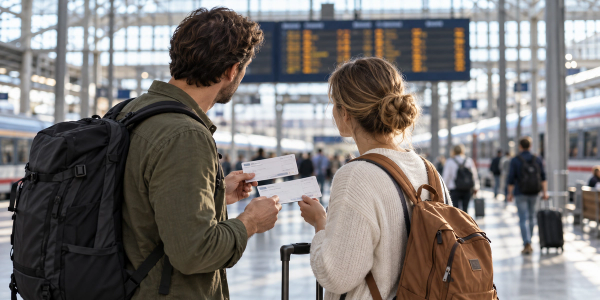
Fly into a slightly more affordable hub like Budapest, Warsaw, Prague, or Lisbon. Then move overland by bus or train to neighbouring cheap countries. For example:
Budapest → Bratislava (Slovakia) → Prague (Czech) → Kraków (Poland) → back to Budapest for flight.
Or a Balkans loop like:
Belgrade (Serbia) → Sarajevo & Mostar (Bosnia) → Kotor (Montenegro) → Tirana & Riviera (Albania).
This way, your main big cost is just India → Europe return. Inside Europe, if you’re careful and flexible with timings, intercity buses and hostels will keep things under control. I’ve had days where I spent less in Europe than I do on a Sunday outing in Bangalore, no joke.
Final Thoughts: Europe on an Indian Budget Is 100% Possible
#Look, not going to lie. Europe will probably never be as cheap as backpacking in, say, Vietnam or Nepal. But if you pick the right countries – like Hungary, Poland, Czech Republic, Romania, Bulgaria, Serbia, Bosnia, Albania, Montenegro, and even Portugal – and you travel a bit off-season with hostels, buses, and local food, it becomes very doable even from India.
The main thing is to not get stuck on the most overrated, overpriced places just because Instagram keeps pushing them. Some of my best memories are not from the obvious capitals, but from smaller towns, random cafes, and late-night walks in cities I had barely heard of before booking the ticket.
If you’re sitting at home scrolling and thinking, “yaar, Europe is too expensive, I’ll never go”, trust me, I thought the same. Start with one of these cheaper countries, plan slow, save up bit by bit, and you’ll get there. And once you do, you’ll realise it’s not some faraway dream – it’s just another place on this planet where you can eat good food, meet kind strangers, and maybe miss home a little when you don’t find proper chai.
If you want more detailed itineraries, cost breakdowns in rupees, and honestly written guides (not those robotic ones), I keep sharing stuff on AllBlogs.in as well. Go check it out whenever you start seriously planning your Europe trip – might save you a few thousand bucks and a lot of confusion.