Best Visa-Free Countries for Indians Guide - Places I’d Actually Recommend After Traveling There
#For Indian travellers, visa-free or visa-on-arrival trips are honestly a bit of a relief. Half the stress of international travel is not even the flight, it’s the paperwork, bank statements, leave approvals, dummy bookings, that whole circus. So when a country lets you in with minimal drama, it already starts on a good note. Over the last few years I’ve tried to lean into these easier destinations, especially for shorter trips and spontaneous plans, and some of them really surprised me. Not just because they were easy, but because they were genuinely worth it.
Quick thing before we start though: entry rules can shift, sometimes annoyingly fast, depending on bilateral agreements, immigration policy, return ticket checks, hotel proof, travel insurance rules and all that. So even if a place is commonly called visa-free for Indians, always double-check with the airline and the official immigration website before flying. I’ve seen people get stuck at check-in over the most random document. Pretty painful way to begin a holiday, yaar.
This guide is not one of those robotic lists where every country gets the same boring treatment. I’m only talking about places that are practical, popular with Indians for a reason, and honestly enjoyable on the ground. Some I’ve done solo, some with friends, one with family where everyone had different opinions every ten minutes. Fun times. Anyway, if you’re planning easy international trips in 2026 or even beyond, these are the countries I’d seriously keep on your radar.
1. Thailand - easy, familiar, and still somehow fun every single time
#Thailand is one of those places Indians keep going back to, and I get why. It’s easy, affordable if you don’t get too carried away, and there’s something for every mood. Party trip, family trip, honeymoon-ish trip, temple-and-food trip, all possible. I first landed in Bangkok thinking it would be too touristy for me, but by the second evening I was eating mango sticky rice from a street cart and bargaining badly at Chatuchak like I lived there. Not really, but you know what I mean.
Bangkok, Phuket, Krabi, Pattaya, Chiang Mai... each place has a different personality. Bangkok is chaos but in a strangely addictive way. Phuket is polished and beachy, Krabi feels a bit more scenic, and Chiang Mai is calmer with markets, cafés, temples and a slower pace. For Indians, food is easier than expected too. Plenty of vegetarian options, lots of seafood, and if you miss home there’s usually an Indian restaurant not too far away. Some are very good, some are... okay let’s just say overpriced comfort food.
- Budget rooms in Bangkok or Pattaya often start around ₹1,800 to ₹3,500 per night if booked early
- Mid-range hotels in Phuket or Krabi usually sit around ₹4,500 to ₹9,000 depending on season
- Local transport is manageable but use Grab when possible, especially late at night
- Best months are roughly November to February if you want nicer weather and less sweating through your shirt every five minuites
A small tip from experience: don’t overpack your itinerary. People try to do Bangkok + Pattaya + Phuket + Krabi in one week and then spend half the trip in airports and vans. Pick two places, maybe three max. Also, always keep cash for smaller markets and island areas. Cards work in many places, but not everywhere. And if you’re doing island hopping, weather changes fast. One day it looks like a postcard, next day total grey drama.
2. Maldives - not just for honeymoon people, despite what Instagram says
#I’ll be honest, I delayed Maldives for too long because I thought it was only for luxury couples in flowy clothes eating floating breakfasts. Turns out, that’s just one version of it. You can do Maldives in a much more grounded, sensible way if you stay on local islands instead of private resort islands. And for Indians, especially from south India or west coast cities, the flight can be pretty straightforward. The first time I saw that unreal blue water from the plane window, I actually went quiet. Very unlike me.
Male is not the point, really. The magic is in islands like Maafushi, Thulusdhoo, Dhigurah and similar local stays where guesthouses are way cheaper than resorts. Snorkeling here is ridiculous in the best way. Water so clear it feels fake, reef fish everywhere, and if you’re lucky, manta rays or nurse sharks in some excursions. The food on local islands is simple and good, though vegetarians may want to check meal options in advance because menus can be repetitive after a while.
- Guesthouses on local islands often range from ₹5,000 to ₹10,000 a night for decent stays
- Private resorts can jump from ₹25,000 to well over ₹1 lakh per night, so yeah... huge gap
- Speedboat transfers add to the cost and need planning around arrival time
- Best period is usually December to April for clearer skies and calmer sea
One thing people don’t tell you enough is that local islands in Maldives follow local culture norms more closely. So bikinis are only for designated tourist beaches, alcohol rules differ from resorts, and evenings are quieter. I actually liked that. It felt less fake and more real. If your idea of a great trip is doing nothing for a while, swimming, eating grilled fish, staring at the ocean and letting your brain reset... this place does that very well.
3. Nepal - close to home, but never boring
#Nepal is maybe the easiest international trip for Indians emotionally also. No huge cultural shock, no intense planning stress, and in many cases you can travel with very simple documentation requirements compared to other foreign trips. But don’t make the mistake of assuming it’s just “similar so maybe skippable.” Not at all. Kathmandu has its own pulse, Pokhara has that laid-back mountain-lake energy, and if you go toward Nagarkot or Bandipur, the views can really hit you in the chest a little.
I loved Nepal because it felt both familiar and different at the same time. In Kathmandu, one minute you’re in traffic and temple lanes, next minute you’re in a quiet courtyard with prayer flags fluttering around. Pokhara was my favorite though. Boating on Phewa Lake in the morning with that mountain backdrop was one of those unexpectedly peaceful moments. Also, if you’re into adventure, Nepal is packed with paragliding, short treks, rafting, mountain flights and all that.
- Budget hotels in Kathmandu and Pokhara can start around ₹1,200 to ₹3,000 per night
- Mid-range comfort usually costs ₹3,500 to ₹7,000
- Indian rupees are commonly understood in tourist areas, but carry smaller denominations and check acceptance of higher notes
- October to early December and March to April are probably the nicest seasons overall
A practical thing here: roads can be slow and bumpy, so don’t trust map timings too much. A “short drive” can become a whole character-building session. Flights between Kathmandu and Pokhara save time if your budget allows. Food-wise, dal bhat is honestly a lifesaver, and momos never disappoint. Well... almost never. I had one plate at a random stop that was basically sadness in dumpling form, but generally Nepal eats are solid.
4. Bhutan - expensive-ish now, but still deeply worth doing once
#Bhutan is not the cheapest quick getaway anymore because of the sustainable tourism fee structure, and that changes the math for many Indian travellers. But if your budget can handle it, this is one of the most emotionally memorable trips you can take. The landscapes are gorgeous, yes, but what stays with you is the quietness. Clean air, monasteries on cliffs, slower roads, less noise, less rush. It almost forces you to calm down, which I clearly needed.
Paro and Thimphu are the obvious starting points, and most people add Punakha if they can. Tiger’s Nest Monastery is the headline experience and fully deserved, though the climb is no joke if you’ve been pretending to be fit. I was humbled, let’s say. But reaching there and seeing that monastery clinging to the rock face... wow. Even if you’re not very spiritual, the place has a vibe. Punakha Dzong was another favorite, especially in pleasant weather when the whole valley feels soft and green.
- Indian travellers should factor in the sustainable development fee and permit process before budgeting
- Simple hotels may start around ₹2,500 to ₹5,000, while nicer boutique stays go much higher
- Spring and autumn are ideal, especially March to May and September to November
- Local food can be spicy, with ema datshi being the classic one, though not everyone falls in love with it instantly
Bhutan is also one of the safer-feeling destinations I’ve been to. Very clean, very orderly. Public behavior is respectful, and even tourist areas don’t feel aggressively commercial. Just remember this isn’t a place to speed-run. If you go, go slow. Sit in a café in Thimphu, talk to people, stare at the hills, drink butter tea if you’re brave enough. I’m still not sure I liked it, but I’m glad I tried it.
5. Mauritius - beaches, road trips, and a strangely comforting mix of cultures
#Mauritius felt instantly easy for me as an Indian traveller. Maybe because there are so many cultural overlaps, maybe because hearing Bhojpuri words or seeing familiar food influences on a faraway island does something to your heart. It doesn’t feel alien in a scary way. It feels welcoming. But at the same time, the sea, the volcanic landscape, the roads lined with sugarcane, the French-Creole-African-Indian mix... it’s definitely its own place.
A lot of travellers do resort-heavy Mauritius, and sure, resorts are lovely there, but I’d really recommend renting a car if you’re comfortable driving on the left side. The island opens up so much more that way. Black River Gorges, Chamarel, Grand Baie, Le Morne, Flic en Flac, small roadside snack stops, random viewpoints. One of my favorite afternoons was just driving around without a strict plan, stopping for dholl puri and staring at the water like I had nowhere else to be.
- Budget guesthouses and apartments may start around ₹3,500 to ₹6,000 per night
- Mid-range beach hotels often range from ₹8,000 to ₹18,000
- Car rentals are popular and often the most practical way to explore outside resort zones
- May to November is usually more comfortable, while summer months can be hotter and more humid
The food was honestly a highlight. Dholl puri, gateaux piments, seafood curries, Creole flavors, and proper street snacks that feel both new and weirdly familiar. If you like a destination that balances comfort with exploration, Mauritius is a great pick. It’s not always the cheapest on flights, though, so book early if you see a good fare from Mumbai, Delhi, Bengaluru or Chennai. Prices can jump when you least expect it.
6. Sri Lanka - close, scenic, and finally feeling more travel-friendly again
#Sri Lanka has had a rough few years in terms of headlines, and naturally many Indian travellers got cautious. Fair enough. But tourism has been steadily recovering, infrastructure in key routes is workable, and the country remains one of the most rewarding nearby international trips you can do. It’s compact enough to combine beaches, hills, wildlife and heritage without needing a two-week holiday. Also, from India, flights are often pretty reasonable if booked smartly.
I started with Colombo and moved quickly because, to me, the magic really begins outside the city. Galle has charm, Ella has that postcard hill-country softness, Kandy has history, and the train rides are half the point. The Kandy to Ella rail route is touristy now, yes, but still beautiful. Tea plantations, mist, tiny stations, open doors, everyone taking photos and pretending they’re in a film. It should have been annoying. Somehow it wasn’t.
- Backpacker hostels may start around ₹1,200 to ₹2,500 in some areas
- Good private rooms and mid-range stays often sit around ₹3,500 to ₹8,000
- Seafood is excellent in coastal towns, while hill country cafés have become more stylish and traveller-friendly
- December to April works well for the south and west, while other regions follow different monsoon patterns so plan by area, not just country-wide
Sri Lanka is one of those destinations where route planning matters a lot. Distances look short on the map but travel can take longer due to roads and hills. Don’t cram too much. Also carry some cash, and if you’re taking trains, reserve when possible. Last-minute seat hunting can be messy. Tea lovers, btw, you will be very happy here. And if you try kottu on a cool evening after a long day out, trust me, it hits.
7. Indonesia - Bali is obvious, but there’s more if you have time
#Okay yes, most Indians who say Indonesia usually mean Bali. And Bali is popular for a reason. Good cafés, temples, beach clubs, rice terraces, decent digital payment culture, lots of villas, and enough variety that both honeymoon couples and friend groups can enjoy it. But I’d still say don’t reduce the whole country to one island. If you’ve got extra days and a little patience for internal travel, places like Nusa Penida, Lombok or even Yogyakarta can make the trip feel richer.
What caught me off guard in Bali was how easy it was to shape the trip to your mood. Some days I wanted smoothie bowls and lazy cafés in Canggu, other days I wanted the quieter temple and paddy side of Ubud, and one day I just wanted to sit by the sea and not talk. Worked for all three. Though yes, traffic can be maddening, and some spots are way too influenced by Instagram. You can feel that a bit. Still, there’s substance if you look beyond the staged swings and floating breakfast nonsense.
- Budget hostels can start around ₹800 to ₹1,800, especially in popular backpacker zones
- Private villa stays vary wildly, roughly ₹4,000 to ₹15,000 and beyond depending on area and pool dreams
- Scooter rental is common but only do it if you’re genuinely comfortable riding abroad and have proper documents
- Dry season from around April to October is usually easiest for sightseeing and beaches
Food is manageable for Indians, though pure vegetarians should shortlist restaurants in advance in some areas. Nasi goreng, mie goreng, satay, fresh juices, good coffee, all easy wins. And yes, Indian food exists too. Last thing, please don’t keep only one day for Ubud if you’re interested in culture and slower landscapes. Give it time. The central part of Bali can be a nice reset from the louder coast.
A few other easy-entry countries Indians often look at
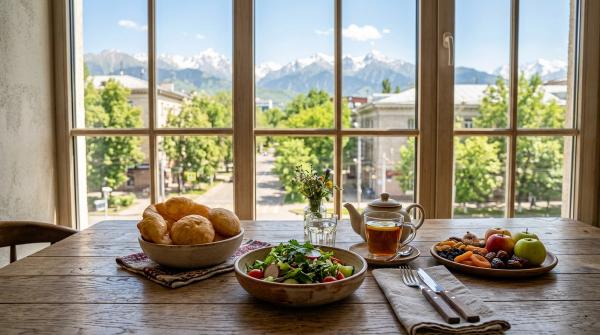
#Not every destination needs a full dramatic section, but a few others deserve a mention because they’re practical depending on your style and budget. Seychelles is gorgeous if you want nature and turquoise water, though flights and stays can be pricey. Fiji is dreamlike but far, so it suits longer trips. Jamaica is culturally rich and lively, not the most common pick from India but definitely interesting. Kazakhstan has also become more visible among Indian travellers in recent times because of access, city breaks, mountains and nightlife. The point is, easy-entry travel for Indians has expanded a lot compared to what people assumed some years back.
The best visa-free or easy-entry trip isn’t always the cheapest one. It’s the one where the travel stress stays low enough that you actually enjoy being there.
What I’d personally check before booking any visa-free trip
#This bit is boring, I know, but it saves headaches. Immigration officers may still ask for hotel bookings, return tickets, proof of funds, onward plans, or travel insurance even when a visa isn’t required in advance. Airlines are especially strict because if they carry you without proper documents, they get penalised. So don’t do that thing where people say, “Arre visa-free hai, bas passport leke chalo.” No boss. Not enough.
- Passport validity of at least 6 months is the basic one, obviously
- Return or onward ticket printout - keep digital and physical both if possible
- Confirmed hotel bookings for at least the first stay
- Sufficient funds in card or bank proof because some places do ask
- Travel insurance, especially for island destinations and adventure activities
- Check local safety updates, weather alerts, and regional scams before flying
Also, season matters more than people think. A place can be visa-free and cheap, but if you land in peak monsoon, cyclone risk, rough sea or humid misery, the trip won’t feel worth it. So always match destination with weather window, not just airfare deal. Me and my friends once ignored this for a beach trip and spent half the time watching rain attack the balcony. Character building again.
So, which countries are actually best for Indians?
#If you want the simplest answer, here’s mine. Thailand is best for first-timers and groups. Maldives is best for pure relaxation and sea lovers. Nepal is best for budget-friendly mountain culture and easy planning. Bhutan is best if you want peace and don’t mind spending a bit more. Mauritius is best for couples, families and road trip vibes. Sri Lanka is best for a balanced short international trip with variety. Indonesia is best for style, scenery and flexible trip moods. Different energies, different budgets, same relief of not drowning in pre-trip paperwork.
Honestly, that’s why this whole category matters so much for Indian travellers. Sometimes we don’t need a giant Europe plan with months of prep. Sometimes we just want to leave, breathe differently for a few days, eat something new, watch a different sunset, and come back feeling less tired by life. These easier-entry countries make that possible. And when the place itself is actually worth the hype, that’s even better.
If I had to tell a friend where to start, I’d say pick based on the kind of trip you need, not just the kind of photos you want. Big difference. And yeah, double-check the latest rules before booking because policies do change. But once that’s sorted, just go. Some of my most satisfying international trips happened because I stopped overthinking and chose the easier route for once. Anyway, hope this helped a bit. If you like this sort of practical, slightly chaotic travel writing, have a look at AllBlogs.in too.