Every summer now feels a bit extra, na? Not just hot, but properly draining. The kind of heat where stepping outside in Delhi, Ahmedabad, Nagpur, even parts of Bengaluru sometimes, feels like somebody left the whole country inside an oven. That’s honestly why I got obsessed with the whole coolcation thing. And no, it’s not just a fancy Instagram word. It basically means choosing colder or milder places for your summer holiday instead of fighting for survival in peak heat. I started doing this almost by accident after one badly planned May trip where I thought, very confidently, that “heat toh handle ho jayegi.” It did not handle. I suffered. Since then, I’ve become that annoying friend who checks temperature averages before checking sightseeing spots.
What I’ve realised after a bunch of mountain trips, shoulder-season escapes, and one surprisingly windy coastal break is this: picking a cooler summer destination is not only about going “north” or going “higher.” That’s too simplistic. Some places look cool on paper and turn crowded, overpriced, and weirdly sweaty by afternoon. Others don’t market themselves much but turn out perfect, with crisp mornings, light jackets at night, and that lovely feeling of breathing properly again. This guide is basically what I wish somebody had told me earlier — how to choose a coolcation destination smartly, what to avoid, where Indian travellers are leaning lately, and how not to confuse cold weather with good travel planning.
First thing: what actually counts as a coolcation?
#For me, a proper coolcation is not about freezing. I’m not trying to punish myself either. It’s more like escaping the brutal plains heat and finding a place where daytime weather is pleasant enough to walk around, eat outside, do a short hike, maybe sit with chai and not feel sticky. Usually that means destinations with summer temperatures roughly between 10°C and 24°C, depending on your tolerance. Higher-altitude hill towns, Himalayan valleys, alpine regions abroad, northern islands, fjord countries, and even some desert or coastal zones with cooler evenings can fit the idea. The trend has become bigger because summers are hotter, heatwaves are more frequent, and honestly people are planning around climate now whether they say it or not.
The best coolcation is not the coldest place. It’s the place where weather, budget, crowd level, and your energy all line up nicely. Took me too long to learn that, tbh.
How I now pick cooler summer destinations before booking anything
#I don’t choose from reels anymore. Big lesson. Pretty videos can make literally any place look dreamy for 11 seconds. Instead, I check a few practical things. One, average day and night temperature for the exact month, not annual climate. Two, altitude and how quickly weather changes there. Three, whether the destination is getting slammed by tourists in that exact period. Four, how hard it is to reach from India without three painful flight changes or a 12-hour road transfer after landing. And five, whether rain, landslides, ferry disruption, or wildfire risk is common in that season. A place can be cool and still be a bad summer choice.
- Look up average max and min temperatures for your travel month, not just “pleasant climate” nonsense
- Check altitude, because 1,800 m and 3,000 m feel very different, especially at night
- See if locals complain about overtourism in peak weeks — that usually means you’ll pay more and enjoy less
- Search current road conditions, flight reliability, and monsoon pattern before final booking
- Always compare weekday hotel rates with weekend rates. In hill places the difference can be mad
The destinations that usually work well for Indian travellers
#If you want easier, shorter, more realistic coolcations, India itself gives plenty of options. Ladakh, Spiti, Tawang side, parts of Sikkim, North Bengal hills beyond the obvious Darjeeling circuit, Himachal valleys like Tirthan and Kalpa, Kashmir in early summer, and even less-hyped places in Uttarakhand can be brilliant. But each has a catch. Ladakh is dry and stunning, yes, but altitude can hit hard. Spiti looks unreal in photos, but road journeys are long and not everybody enjoys that kind of rugged travel. Kashmir is one of the most beautiful summer breaks I’ve ever done, genuinely heart-stealing, but travellers should still stay updated on local advisories and transport conditions because things can shift quickly. Sikkim is lush and cool, but weather interruptions do happen, especially as the season moves.
For international coolcations, more Indians are clearly looking at places with milder summers instead of typical hot beach destinations. Think Georgia, Armenia, Kazakhstan’s mountain zones, Kyrgyzstan for adventure types, parts of Turkey outside peak coastal heat, Scotland, the Baltics, Scandinavian countries if budget allows, and even alpine pockets of Central Europe. The shift is real. Airlines and tourism boards have been quietly responding too, because people are searching for weather-led holidays more than before. But be honest with yourself here — a dreamy Nordic trip is amazing, sure, but if the accommodation is blowing up your budget and every coffee is ₹600-₹700 equivalent, you may return stressed instead of refreshed.
My own rule: don’t chase famous, chase livable
#One thing I’ve seen again and again — the best cool summer trips are often in places that are slightly less famous than the big-name hill stations. Manali can be fun, Shimla can be nostalgic, Gulmarg is gorgeous, sure. But once the traffic starts, once every café has a waiting list, once hotel prices jump because of school holidays, the whole “escape the heat” plan gets a bit defeated. A few years back I skipped a super popular Himachal stop and stayed around Tirthan Valley instead. Best decision. Mornings were chilly enough for tea in a hoodie, afternoons were sunny but not punishing, and nights were quiet except for the river sound. No dramatic itinerary, no FOMO, just peace. Honestly, that trip cured something in my brain.
How to judge weather beyond just temperature
#This sounds nerdy, but humidity, sun exposure, and wind matter almost as much as actual temperature. A place at 24°C with direct harsh sun and no shade can feel warmer than a breezy 28°C in the right conditions. Similarly, 14°C in a windy valley can feel properly cold if you packed only “cute mountain clothes” instead of useful layers. I’ve done that mistake, looked stylish for maybe 20 mins, then shivered angrily while buying roadside Maggi. So yeah, check feels-like temperature, sunrise/sunset timings, rain probability, and whether evenings drop sharply. Mountain weather changes fast. Coastal cold zones can feel damp. Dry cold can fool you because the sun looks friendly but your skin is getting wrecked.
- Pick places with cooler nights, not just moderate afternoons. Sleep quality changes everything
- A destination with walkable weather is better than one where you hide indoors from 11 am to 4 pm
- If weather swings a lot, carry layers, lip balm, sunscreen, and one proper waterproof jacket. Not optional
Budget reality, because coolcation planning gets silly fast
#Let’s talk money because travel content often gets vague here. In India, a comfortable coolcation can still be done sensibly if you avoid long weekends and school vacation spikes. Decent guesthouses or homestays in lesser-known hill areas may start around ₹1,500 to ₹3,500 a night. Mid-range boutique stays usually sit in the ₹4,000 to ₹8,000 zone, and fancier resorts go much higher, obviously. In places like Ladakh or Kashmir, rates can jump sharply in peak periods, especially for good-view properties. Shared cabs, local buses, and rental scooters can save money, but in remote places private transfers often become necessary. Build that into your budget from day one, not later when you’re already there and irritated.
Internationally, nearby cool-weather countries like Georgia, Armenia, and Kazakhstan can still work better for Indian budgets than Western Europe, especially if you travel shoulder weeks, book flights early, and choose apartments or guesthouses. Typical mid-range city stays might range roughly from ₹3,500 to ₹8,500 per night equivalent in some of these countries, while transport and food can remain manageable. But in Scandinavia, Iceland, Switzerland, etc, accommodation can become the biggest pain point. I’m not saying don’t go. I’m saying go with eyes open. Sometimes one well-planned Kashmir or Sikkim trip gives more joy than a rushed “Europe in 7 days” coolcation where you’re tracking every coffee.
Best months, and why timing matters more than destination name
#This is where people mess up. They choose a place everyone says is cool, but go in the wrong window. For Indian mountain destinations, late April to June is the classic heat-escape period, but snowmelt, road opening dates, and crowd levels vary. Ladakh and Spiti become more accessible as routes open, though flights can still be the more stable option early on. Kashmir is lush and beautiful from spring into summer, while Sikkim and North Bengal can be magical before heavier rain patterns begin. For Europe’s cooler north, June and early July often give long daylight and comfortable weather. By late July and August some areas are still pleasant, but tourist pressure and prices rise. Shoulder edges are usually smarter, if your leave calendar allows it.
And please don’t ignore local event calendars. A tiny scenic town can suddenly become expensive because of a festival, marathon, school holiday, cruise schedule, flower season rush, or weekend tourism surge. Sometimes that event is a plus, of course. Sometimes it’s just noise. I once landed in a hill destination thinking I was clever, only to discover there was a regional festival plus a biker meetup plus a hotel shortage. Full chaos. Nice vibes, terrible for rest.
Safety and current travel conditions — boring topic, but very very important
#Cooler places often come with logistics issues people romanticise too much. Mountain roads can shut after landslides. High-altitude spots can trigger headaches, nausea, or worse if you rush acclimatisation. Border regions may need permits. Some valleys have patchy ATMs and weak mobile data. Foreign destinations can have excellent tourism setup but stricter public transport timing, self-drive rules, or weather disruptions. Before any booking, check official tourism advisories, visa updates, permit rules, road status reports, and whether your hotel is in an actually accessible area. Don’t rely on one influencer’s caption saying “super easy trip bro.” Bro may have skipped details.
For Indian travellers, another practical point — carry both digital and physical backups. ID copies, hotel confirmations, offline maps, some cash, medicines for altitude or motion sickness if relevant, and layered clothing in cabin baggage. If you’re heading to places like Ladakh, Spiti, or remote parts of Sikkim, keep one buffer day. Seriously. One. Buffer. Day. Weather and road delays don’t care about your office joining call.
Food matters more than you think on a coolcation
#Maybe this is my desi stomach talking, but weather alone doesn’t make a trip comforting. Food does. One reason I keep recommending cooler destinations within India is that food familiarity plus climate comfort is just unbeatable sometimes. In Kashmir, hot noon chai and simple wazwan dishes after a long day hit differently. In Himachal, trout, siddu, rajma-chawal, thukpa in Tibetan belts, roadside omelettes, all of it becomes part of the mood. In Sikkim, momos and noodle soups in cold weather... boss, unbeatable. Even abroad, I now always check whether a destination has warm meal options, Indian restaurants nearby if needed, grocery access, and not just pretty cafés serving tiny sourdough slices for my entire salary.
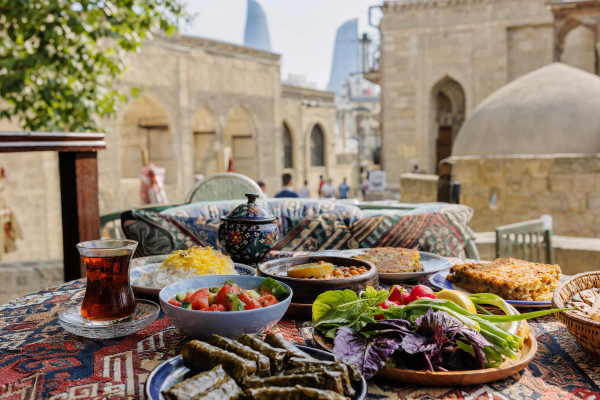
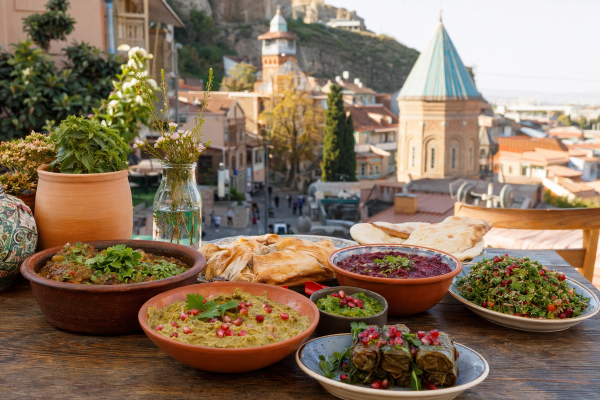
That said, trying local food is half the fun. In Georgia I was shocked how comforting khachapuri felt in cooler weather. In Central Asian mountain areas, grilled meats, breads, and hot tea make total sense with the climate. Scotland gave me soups, seafood, and wind that entered my bones, but somehow it worked. Food and temperature are connected in a way itinerary lists don’t explain well.
Lesser-known coolcation picks that are honestly worth a look
#If you’ve done the standard circuit and want something a bit fresher, here are a few types of places I’d consider. In India, Tirthan Valley over overcrowded hotspots, Kalpa or Sangla for mountain views without the same level of madness, Dzükou-adjacent Northeast plans if done responsibly and seasonally, Mechuka if you’re okay with remoteness, or smaller stays around Pahalgam-side regions rather than only city hopping. Internationally, Almaty as a base for Kazakhstan mountain day trips, Kutaisi region over only Tbilisi if you want greener cooler air, or the Scottish Highlands instead of only sticking to Edinburgh. Not saying these are “secret” — internet has ruined secret places anyway — but they can still feel less exhausted.
How to know if a destination is right for your travel style
#This is where people copy trends and regret it later. Ask yourself a few annoying but useful questions. Do you enjoy road trips, or do they make you cranky after three hours? Are you okay with basic facilities if the scenery is amazing? Do you want cafés and shopping, or silence and long walks? Can you physically handle altitude? Are you travelling with parents, kids, or friends who define fun very differently? A coolcation for honeymooners, bikers, trekkers, and multi-gen families cannot be the exact same thing. Me, I like a mix — one scenic base, one easy local market, one or two half-day outings, decent food, and enough downtime to actually feel the weather. If I come back more tired than before, then what’s the point yaar.
- For families: prioritise road comfort, medical access, heater availability, and easy walks
- For couples: look for quieter valley stays, lake towns, or small boutique properties over crowded main bazaars
- For solo travellers: choose places with reliable transport, active hostels or homestays, and decent phone connectivity
- For adventure people: cool weather is great, but don’t underestimate acclimatisation and gear needs
My simple packing and booking formula now
#I keep this ridiculously simple now because I’ve overpacked before and hated myself. One warm layer, one waterproof outer layer, two or three breathable tees, solid walking shoes, socks more than you think, sunscreen, cap, moisturiser, any meds, and one small thermals set if nights are genuinely cold. Booking-wise, I go for refundable options when weather is unstable, try to arrive in daylight if road travel is involved, and avoid landing somewhere remote after dark unless I know the area well. Also, if the whole point is a coolcation, splurge slightly on the room view or outdoor sitting area if budget permits. You’ll actually use it. A nice balcony in cold air is not luxury, it’s therapy... kind of.
So how do you finally choose the best cooler summer destination?
#If I had to boil it down, I’d say this: choose the place where the weather helps you live better for a few days, not just click better photos. Pick based on real temperatures, easy enough logistics, your personal tolerance for rough travel, seasonal risks, and whether the destination still feels good after the internet hype is removed. For Indian travellers, the sweet spot is often a place that’s cooler but not extreme, scenic but not impossible, and peaceful without being boring. Sometimes that means a quiet Himachal valley. Sometimes a week in Kashmir. Sometimes Sikkim. Sometimes a proper international escape if budget and leave line up. There’s no one-size-fits-all answer, and honestly that’s the fun of it.
Anyway, if you’re planning a summer break and your main dream is to sleep under a blanket, drink chai without sweating, and feel human again, a coolcation is 100% worth it. Just plan with your head, not only with trending reels. Trust me on this one. I’ve done both, and the smarter trips always stay with me longer. If you like travel stories and practical guides like this, keep an eye on AllBlogs.in — lot of useful stuff there, and not in that boring robotic way.