I’ll be honest, monsoon travel in India is not the clean, linen-shirt fantasy people sometimes sell you online. Your sandals get muddy. Your backpack smells faintly of damp taxi seat. Trains run late, sometimes. And yet, if you love food, this is when India’s spice markets feel most alive to me. The rain wakes everything up. Ginger smells sharper, fresh turmeric stains your fingers like you’ve been doing something illegal, sacks of dried red chillies look almost rude against grey skies, and every second person seems to be drinking chai like it’s a survival strategy. Which, actually, it kind of is. I’ve chased spice markets from Old Delhi to Kochi, Mumbai to Mysuru, and I still mess up the names sometimes, still buy too much, still forget that whole cloves weigh basically nothing until you buy enough for three households.
This guide is for travelers who want to do more than “see” India during the rains. You want to taste it, sniff it, haggle for it badly, carry it home in your socks because your suitcase is full. Monsoon season generally means June to September across much of India, though Tamil Nadu gets its bigger northeast monsoon later, around October to December. That timing matters. In Kerala the first rains can start around late May or early June, and suddenly every pepper vine, cardamom hill, and roadside toddy shop feels dramatic. In Mumbai, rain turns markets into chaos with poetry. In Delhi, the heat breaks, finally, and Khari Baoli becomes slightly less oven-like, though still intense enough to make you question your life choices.
Why Monsoon Spices Taste Different, or Maybe I’m Just Romantic About Rain
#There’s a reason Indian kitchens lean hard into certain spices and foods during the wet months. Monsoon is gorgeous, yes, but it’s also humid, sticky, and digestion can go a bit weird if you’re not used to it. So you’ll see more ginger, black pepper, ajwain, cumin, hing, turmeric, methi, cloves, cinnamon, and all those warming masalas that make a bowl of dal feel like a blanket. Street stalls start pushing pakoras, bhutta rubbed with lime and chilli, masala chai, rasam, peppery soups, and fried snacks that probably shouldn’t be eaten daily but... come on. Rain plus hot pakora is a holy combination.
One thing I’ve noticed in 2026 food travel circles is that people are moving away from only doing “top restaurant” checklists. They still do them, sure, me too, I’m not pretending I’m above a fancy tasting menu. But the more interesting trend is spice-led travel: market walks, farm stays in the Western Ghats, cooking classes with grandmothers, toddy-shop crawls, millet breakfasts, regional thalis, zero-waste kitchens, and chefs talking about local souring agents like kokum, kodampuli, tamarind, and bamboo shoot like they’re rare wine. Food travelers are getting nerdier. Thank God.
Delhi: Khari Baoli in the Rain Is Not for the Faint Hearted
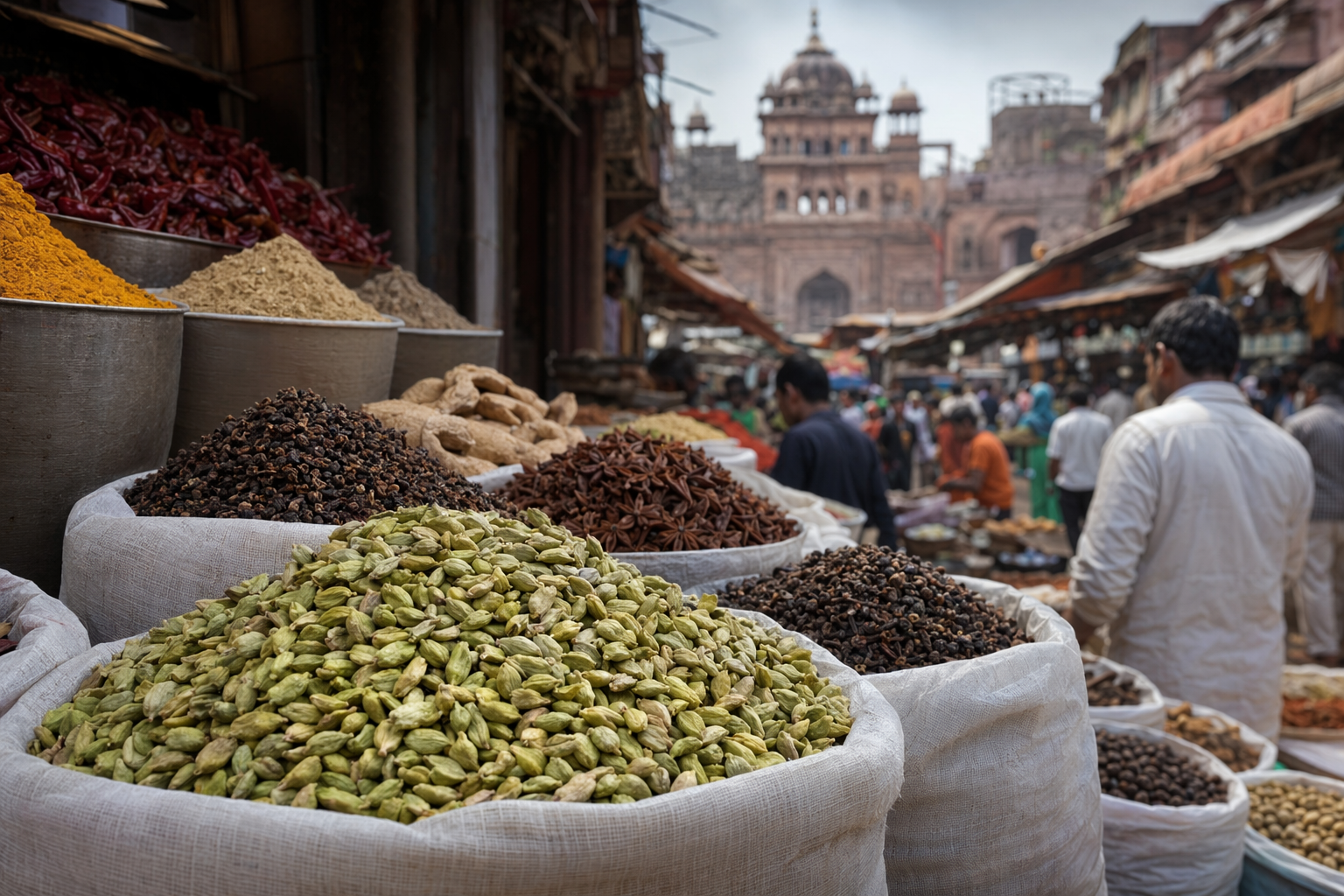
#My first proper monsoon spice-market shock was Khari Baoli in Old Delhi, near Fatehpuri Masjid. It is often called Asia’s largest wholesale spice market, and even if someone wants to argue about the ranking, honestly, let them argue while you’re busy sneezing into your scarf. The chilli dust floats. The turmeric glows. Men carry sacks bigger than me up narrow staircases like it’s nothing. During monsoon, the lanes can get slippery and crowded, and the air is thick with cardamom, diesel, wet stone, and frying oil from nearby snack shops. I remember ducking under a blue tarp while rain hammered down and a shopkeeper made me smell three grades of black cardamom. I pretended I understood the difference immediately. I did not.
Go in the morning, ideally before lunch, and don’t wear your cutest white sneakers unless you enjoy regret. Buy whole spices rather than powders if you can. Whole coriander, cumin, pepper, cloves, green cardamom, and dried chillies travel better and stay aromatic longer. Ask for small quantities unless you cook Indian food constantly back home. I once bought half a kilo of kasuri methi because it smelled beautiful, then realised dried fenugreek leaves are light and half a kilo is basically a pillow. Nearby, I usually end up eating chole bhature or bedmi poori somewhere around Chandni Chowk, and then I say I’m too full, and then I buy jalebi. This is my system. It’s not a good system but it works.
Mumbai: Crawford Market, Masala Shops, and That Wet-Sea Smell
#Mumbai in monsoon is cinematic and inconvenient in equal measure. The city floods, the sea gets moody, everyone has an umbrella that almost pokes your eye, and somehow vada pav tastes better than it does anywhere else. For spice browsing, I still love the old Crawford Market area, officially Mahatma Jyotiba Phule Mandai, plus the surrounding lanes where you find dry fruits, masalas, pickles, papads, and things you didn’t know you needed. There are also legendary masala names around the city like Parsi Dairy Farm for dairy sweets nearby and old-school spice and farsan shops in Dadar, Matunga, Bhuleshwar, and Lalbaug. Ask taxi drivers and aunties. They know.
Mumbai’s food scene is also where the 2026 “market-to-menu” trend feels very visible. Restaurants like The Bombay Canteen, O Pedro, Ekaa, Masque, and Indian Accent Mumbai, please check current hours because Mumbai changes faster than my travel plans, have helped make regional Indian ingredients feel exciting without turning them into museum pieces. You’ll see kokum, local greens, East Indian bottle masala, fermented rice batters, seafood pickles, and seasonal produce treated with serious respect. But my favorite monsoon meal is still stupidly simple: cutting chai, kanda bhaji, and a paper plate balanced badly under a shop awning while rainwater runs past your ankles. Fancy restaurants are wonderful. Wet street snacks are emotional.
Kochi and Kerala: Pepper, Cardamom, and the Smell of Wet Coconut Wood
#Kerala is where the monsoon first taught me that spices are not just things in jars. They are plants, vines, bark, seeds, weather, labour, and land. In Kochi, especially around Mattancherry and Jew Town, you’ll still find spice shops selling pepper, cardamom, cinnamon, cloves, nutmeg, mace, and vanilla, though yes, some stores are touristy and priced like they saw you coming. It’s okay. Wander slowly, smell everything, compare prices, and don’t be shy about leaving politely. The old warehouses, the damp air, the faded signs, the scent of pepper and coir rope, it all gets under your skin.
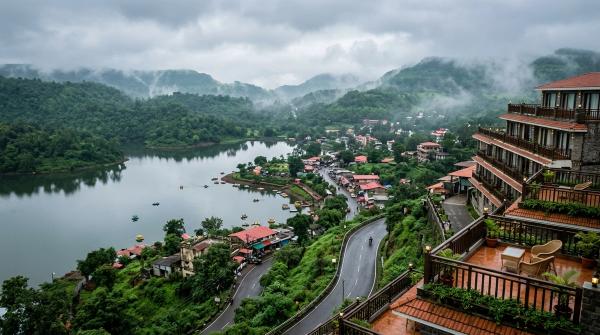
If you have time, go beyond Kochi to a spice farm in Thekkady, Wayanad, or the cardamom hills around Idukki. Monsoon makes the Western Ghats look like someone turned the saturation too high. Leeches may join your itinerary, sorry. On one farm walk near Kumily, a guide crushed fresh allspice leaf in his fingers and handed it to me, then showed me pepper vines climbing living trees. I had eaten pepper my whole life, obviously, but seeing it green and clustered and rain-washed made me feel oddly guilty for treating it like table dust. Kerala cooking in the rains is a whole mood: kanji with payar, meen curry with kodampuli, appam and stew, pepper chicken, parippu curry, banana chips warm from oil, and black tea so strong it could file taxes.
- Buy Tellicherry pepper if you like big, fruity heat, but check freshness by smelling it. If it smells flat, walk away.
- Cardamom should be greenish, plump, and fragrant. Pale dusty pods are usually tired, like me after a night bus.
- Avoid buying fresh curry leaves or plant material to take abroad. Customs rules can be strict, and honestly dried spices are easier.
- During monsoon, ask shops to double pack spices because humidity is a menace. Zip bags inside sealed pouches are your friend.
Mysuru, Bengaluru, and the South Indian Breakfast Trail
#Devaraja Market in Mysuru is not only a spice stop, it’s a full sensory ambush. Flower garlands, kumkum powders, bananas, incense, jaggery, vegetables, sandalwood oils, and spice stalls all jammed into one beautiful old market. I went after a rain shower and the stone floor was slick, the jasmine smelled almost too sweet, and a man selling sambar powder insisted his blend was better than anything in Bengaluru. He may have been right. Mysuru is also the place where I started understanding how spice blends are family identity. Rasam powder, sambar powder, bisi bele bath mix, chutney pudi, vangibath powder, everyone has a version and everyone thinks theirs is correct.
Bengaluru’s KR Market is wilder, bigger, and best very early. Like, painfully early. But the reward is flowers in mountain-sized piles, green chillies, curry leaves, coconuts, and the kind of breakfast that makes you forgive the alarm. I’m talking idli, vada, khara bath, kesari bath, filter coffee, and crisp dosas at old names like Vidyarthi Bhavan, MTR, Airlines Hotel, or CTR, depending who you ask and how ready they are to fight about dosa. For a more restaurant-focused splurge, Karavalli remains one of those classic places people mention for coastal regional cooking, while newer Bengaluru food conversations keep circling fermentation, local grains, and seasonal menus. The city is techy, yes, but its breakfast culture is deeply, wonderfully old-school.
Goa and the Konkan: Recheado, Kokum, and Markets That Smell Like the Sea
#People think Goa is only beaches and parties, which is convenient because it leaves more fish curry for the rest of us. In monsoon, many beach shacks shut or slow down, but the markets and home kitchens get interesting. Mapusa Market on Friday is still one of my favorite food walks: dried fish, kokum, vinegar, toddy, sausages, bebinca, red rice, masala pastes, and aunties selling vegetables with zero patience for your nonsense. Buy recheado masala if you can find a good homemade one, or at least the dry spices to make it: dried red chillies, cumin, pepper, cloves, cinnamon, garlic, vinegar, and a little sweet-sour magic.
The Konkan belt in the rains has this sour, spicy, coconut-heavy language that I crave constantly. Kokum saar, sol kadhi, prawn curry, fish ambotik, patoleo during festive season, jackfruit preparations, colocasia leaves, bread from old bakeries, and local feni if you’re into it. A 2026-ish travel trend I’m genuinely happy about is people booking monsoon homestays instead of only beach resorts. You sit on a veranda, hear frogs scream like tiny drunk men, eat rice and curry cooked by someone’s mother, and learn more than you would from three glossy cocktail bars. Although, to be fair, I also like the cocktail bars.
Hyderabad, Kolkata, and the Markets I Keep Returning To
#Hyderabad’s old city near Charminar is more famous for bangles and biryani than spice shopping, but wander the lanes around Laad Bazaar and the older provision stores and you’ll find masalas, dried fruits, ittar, saffron, and haleem memories everywhere, especially around Ramadan season. Monsoon in Hyderabad makes me want mirchi bajji, chai, and biryani with enough fried onion to ruin my plans. Spice-wise, look for good-quality saffron from trusted shops, garam masala blends, pathar ka phool, kabab chini, and dried rose petals. Eat at classics like Shadab or Shah Ghouse if you’re doing the old city biryani circuit, but go hungry and don’t schedule anything delicate after. You will need a nap.
Kolkata is different again. New Market, Burrabazar, and the lanes around Posta have dry goods, spices, tea, sweets, and chaos in that very Kolkata way where everyone seems annoyed but also willing to help you if you ask properly. Monsoon means telebhaja, khichuri, begun bhaja, ilish if you eat fish, and mishti after because apparently restraint is not part of the Bengali food pyramid. Pick up panch phoron, kasundi, gobindobhog rice if you can pack it, and good tea. Kolkata’s food travel scene keeps getting more attention, not only for fine dining but for old cabins, Chinese-Indian food in Tiretta Bazaar and Tangra, and home-led Bengali meals. It’s one of the best eating cities in India, and I will argue this loudly.
How to Shop for Spices Without Looking Completely Lost
#First, accept that you will look a little lost. That’s fine. Markets are not supermarkets with soft lighting and labels that explain your emotional needs. They are loud, wet in monsoon, and full of people working hard. Step aside when porters pass. Don’t block shop entrances for photos. Ask before photographing people. Learn a few words: namaste, bhaiya, akka, chetta, kitna, thoda, dhanyavaad. Even badly pronounced local respect goes a long way. Carry cash, though digital payments are everywhere now and UPI access for foreign travelers has become more common at major airports and travel hubs. Still, tiny market stalls may prefer cash, especially if the rain has made networks moody.
- Smell before buying. Good spices smell alive, not dusty or cardboard-ish.
- Choose whole spices for travel. Powders lose aroma faster and can clump in humidity.
- Ask when it was packed. In busy shops, turnover is usually better, but don’t assume.
- Keep receipts and original packaging for airport checks. Seeds, fresh leaves, and agricultural items can be restricted depending on your country.
- Do not buy giant amounts just because it feels cheap. Spices fade. Your future self does not need two kilos of cumin.
What to Eat While Market Hopping in the Rain
#There are foods that feel specifically designed for wet market days. Chai, obviously. Not the delicate kind, but the boiled, sweet, ginger-heavy, slightly tannic cup that burns your fingers through paper. Pakoras and bhajiyas are everywhere when clouds gather: onion, potato, chilli, spinach, paneer, banana flower if you’re lucky. In Rajasthan and Delhi I look for kachori with aloo sabzi. In Maharashtra, vada pav and misal. In Kerala, pazham pori and black tea. In Karnataka, Maddur vada if I’m on the road. In Bengal, telebhaja with muri. In Tamil Nadu during the northeast rains, pepper rasam and bajji basically become medicine, or at least that’s what I tell myself.
Travelers are also getting more cautious about gut health, which is sensible, not boring. I still eat street food, but I choose busy stalls where food is fried or cooked fresh, not sad things sitting under rain-speckled plastic. I avoid cut fruit in sketchy places during monsoon, carry oral rehydration salts, and drink bottled or properly filtered water. If a chutney looks like it has been quietly suffering since morning, I skip it. This isn’t fear, it’s strategy. Nothing ruins a spice trail like spending two days becoming emotionally attached to a hotel bathroom.
The New Food Travel Stuff I’m Seeing in 2026
#The fun part about Indian culinary travel right now is how regional it’s getting. For years, visitors acted like Indian food meant butter chicken, naan, dosa, biryani, and maybe a thali. Great foods, no insult intended. But now travelers are asking for Garhwali chainsa, Naga smoked pork, Malvani masalas, Chettinad pepper, Assamese black sesame, Coorg pandi curry, Bohri thaal, Himachali dham, and Maharashtrian kala masala. Food tours have gotten better too. The good ones don’t just march you from snack to snack, they explain migration, caste, trade, climate, religion, colonial ports, and why one spice blend tastes smoky while another tastes floral.
I’m also seeing more spice-farm stays adding proper sustainability talk, not just “look at this cardamom, buy our souvenir packet.” Some focus on regenerative farming, rainwater, shade-grown pepper, heirloom rice, cacao, vanilla, and biodiversity in the Western Ghats. Restaurants in big cities are playing with ferments, millet, lesser-known greens, local cheeses, and non-alcoholic pairings built from kokum, kanji, spiced buttermilk, and shrubs. Food delivery and QR menus are normal now, but oddly, the most memorable travel moments are still very analog: a vendor opening a tin of mace, a cook grinding masala on stone, a stranger telling you your spice mix is wrong and then giving you her recipe anyway.
A Tiny Spice Packing Kit That Saves Your Sanity
#After many messy suitcases, I now carry a few zip pouches, rubber bands, a marker, and one lightweight dry bag. Label everything. You think you’ll remember which brown powder is goda masala and which is roasted cumin, but after three cities and twelve train snacks, you won’t. Keep spices away from wet clothes. If a packet feels damp, open it at your hotel and let the outside dry before repacking, but don’t expose the spice itself to the humid air too long. At home, transfer them to airtight jars and use them quickly. Spices are not souvenirs to admire forever. Cook with them. Make chai on a rainy day and feel smug.
My basic monsoon market rule: if the rain is loud, the chai is hot, and your bag smells like cardamom, you’re probably doing the trip right.
My Favorite Monsoon Spice Route, If You Have Two Weeks
#If someone asked me to plan a spice-heavy monsoon trip, I’d probably start in Mumbai for markets, seafood, and modern regional restaurants. Then fly or train down to Kochi for Mattancherry, backwater food, and a spice farm trip toward Thekkady. From there, cross into Mysuru and Bengaluru for markets, breakfast, filter coffee, and South Indian spice blends. If you have extra days, add Goa for kokum and recheado, or Delhi for Khari Baoli if you don’t mind jumping north. Is this route perfectly efficient? Not really. India is huge and monsoon delays happen. But food travel shouldn’t feel like a military exercise. Leave space for rain, naps, random tea, and the shop you only found because you took the wrong lane.
Restaurant-wise, I’d mix old and new. Do one or two serious places, maybe Masque or The Bombay Canteen in Mumbai, Karavalli in Bengaluru, Avartana if you’re in Chennai and curious about polished South Indian tasting menus, and then balance that with markets, canteens, toddy shops, railway snacks, Irani cafes, temple prasadam, and home meals if you can arrange them respectfully. Always check current opening days and booking rules, because post-pandemic restaurant life taught us all that hours can change and Instagram is sometimes more updated than websites. Annoying, but true.
Final Thoughts: Follow Your Nose, But Pack an Umbrella
#Indian monsoon spice markets are not gentle travel experiences. They’re damp, crowded, fragrant, confusing, and sometimes exhausting. You may overpay. You may buy a masala you can’t identify later. You may get splashed by a scooter while holding a bag of peppercorns like it’s treasure. But if you love food, really love it, there are few better ways to understand India than standing in a market during the rains, breathing in ginger and chilli and wet earth, then eating something hot from a paper plate while the sky falls apart. That’s the stuff I remember. Not the perfect itinerary, not the hotel lobby, but the small messy bites.
So go slow. Ask questions. Taste regionally. Don’t treat every spice shop like a photo prop. Buy less but better. And when you get home, don’t let those packets sit in a drawer until they smell like old paper. Make chai, temper mustard seeds in hot oil, grind pepper over eggs, cook dal with turmeric that actually tastes like something. Travel should follow you back into your kitchen, otherwise what was the point? Anyway, if you’re plotting your next food trip and want more rambling, practical, hungry travel stories, have a browse through AllBlogs.in sometime. I’ve lost whole evenings there, usually while craving snacks I don’t have.