Every summer I do the same dumb thing. I wait till the heat is already smashing me, then I suddenly act shocked that I feel cranky, bloated, headachy, and weirdly tired even after sleeping okay-ish. A couple years ago my nani said, very casually, "beta, sab kuch calories se nahin hota, taaseer bhi hoti hai." And honestly... that line stayed with me. So this post is my very human attempt to talk about Ayurvedic cooling fruits for summer, the whole thandi vs garam taaseer thing, and what actually helped me without turning it into some preachy wellness lecture.
Quick thing first, because I don't wanna be irresponsible about this stuff. In Ayurveda, foods are often described by their energetic effect on the body, not just nutrients. "Thandi taaseer" means cooling in effect, "garam taaseer" means warming. That does not always match the actual temperature of the food, which confused me in the beginning. A room-temp watermelon can be considered cooling, and something not served hot can still be "warming" by nature. Also, Ayurveda is a traditional system, not the same framework as modern biomedicine. I like using both lenses together, actually.
The short version of thandi vs garam taaseer, the way I understand it
#If your body runs hot in summer, and by that I mean things like acidity, mouth ulcers, irritability, skin flare-ups, feeling thirsty all the time, loose motions, heat rash, or that gross heavy-hot feeling after meals, Ayurvedic practitioners often say pitta may be aggravated. Cooling foods are usually suggested more in that phase. If somebody is very sluggish in digestion, gets cold easily, has lots of mucus, or weak appetite, too much heavy cooling food may not suit them. This is where wellness gets annoyingly non-one-size-fits-all, but also kinda beautiful.
One of the biggest mistakes I made was assuming a fruit is "healthy," so more of it must be better. My stomach did not agree. My skin also filed a complaint.
What fruits are usually considered cooling in Ayurveda?
#The classics you hear again and again are watermelon, muskmelon, ripe sweet mango in moderation and usually in the right way, pomegranate, grapes, coconut, ripe pears, figs, and sometimes ripe papaya depending on the person and context. But then there are the little caveats, because obviously there are caveats. Melons are considered cooling, yes, but Ayurveda also traditionally says eat them alone, not mixed with heavy meals. Coconut water is cooling and hydrating, but not everyone with kidney issues or electrolyte restrictions should chug it like it's plain water. Pomegranate is often loved because it's gentle and a bit balancing. Grapes can be nourishing and cooling too, especially when sweet and ripe.
Then you've got fruits that are often described as relatively warming or potentially heat-aggravating for some people if overdone, like excess pineapple, sour citrus in a sensitive person, unripe mango, or very sour fruits taken on an empty stomach when you're already acidy. Bananas are a funny one, because depending on the person and the practitioner's approach, they can feel heavy, mucus-forming, or just perfectly fine. So if you came here hoping for one neat universal chart... um, sorry. Real life is messier than Instagram wellness carousels.
The fruits that helped me most in peak summer
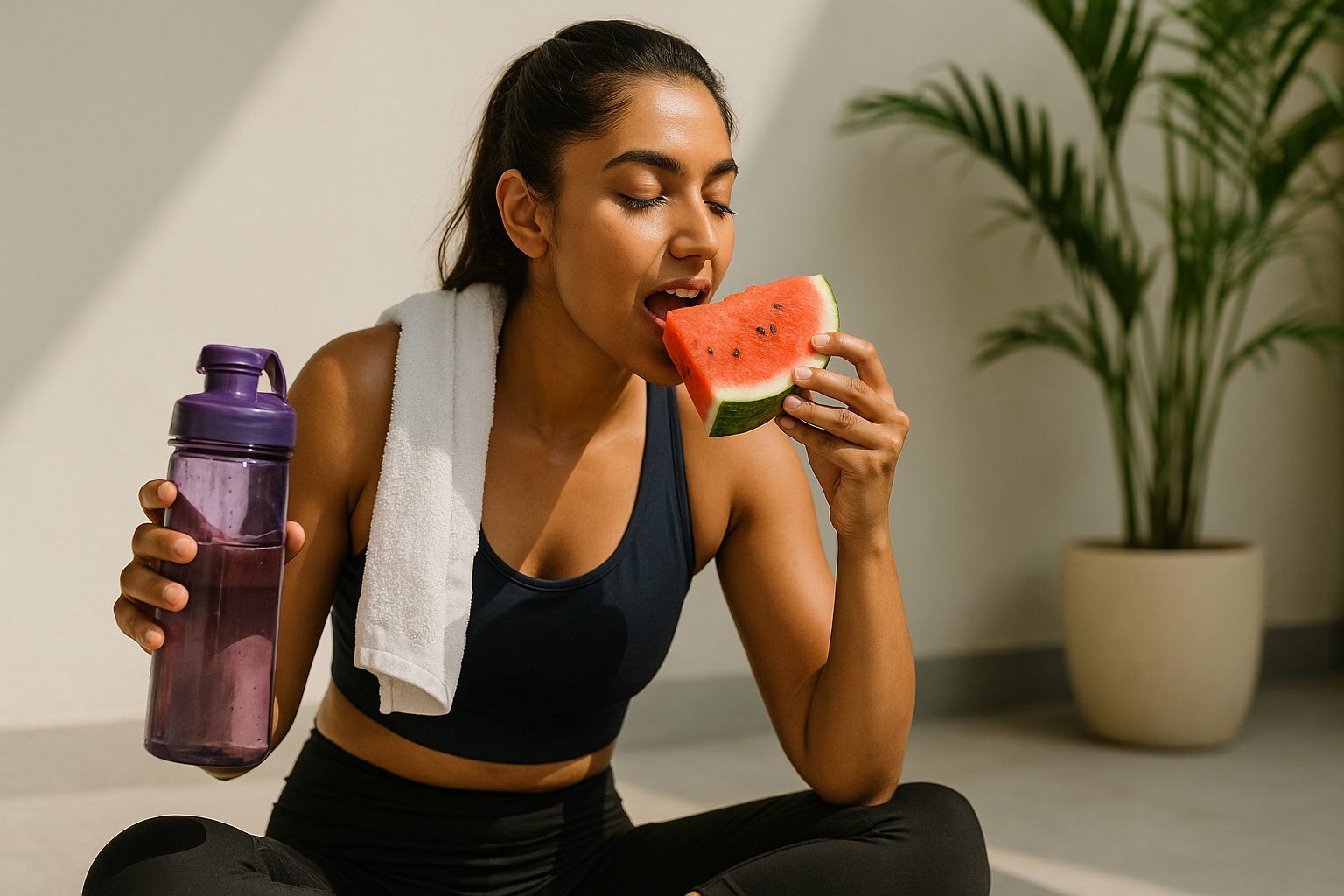
#For me, the MVP was watermelon, and I know that's almost too obvious. But there is a reason everyone reaches for it. Modern nutrition backs some of this up too. Watermelon is mostly water, low in calories, and gives you vitamin C, vitamin A from carotenoids, and citrulline, which has been studied for circulation and exercise recovery. No, it's not a miracle fruit. But on scorching days when I felt dried out and mildly nauseous from heat, a bowl of plain watermelon actually made me feel normal again. I stopped adding chaat masala to every single bowl though, because then I'd get thirsty and puffy. Learned that the hard way.
Second, pomegranate. This one feels less flashy but more dependable. When my digestion was touchy last summer, pomegranate was the fruit I could usually tolerate. Ayurveda often describes it as tridoshic-ish depending on type and use, with sweet varieties especially being gentle. From the modern side, pomegranate brings polyphenols and antioxidants. Research over the last few years still keeps pointing to its cardiometabolic potential, inflammation-related benefits, and general nutrient density, though obviously that doesn't mean drinking super sugary pomegranate beverages all day counts as medicine. The actual fruit is better, at least in my opinon.
And coconut. Tender coconut water, specifically. This one got huge again in wellness circles going into 2025 and 2026 because everyone is talking about hydration, electrolyte balance, heat resilience, and ultra-processed drink fatigue. Some of that trend is valid, some of it is branding nonsense. Coconut water does naturally contain potassium and small amounts of other electrolytes, so for light rehydration it can be useful. But it isn't automatically better than water for everyone, and it's not equivalent to a medical oral rehydration solution if you're actually dehydrated, vomiting, or dealing with heat illness. Important difference.
A small thing that made a big difference: how I ate the fruit
#This part sounds boring, but weirdly it mattered more than I expected. I used to eat fruit right after a giant lunch, or blend six things together into a smoothie that looked healthy and felt terrible. Ayurveda generally prefers seasonal fruit, ripe fruit, and simpler combinations, especially in summer. Melons alone. Fruit not buried under yogurt, protein powder, seeds, syrup, and whatever else your "wellness" brain tells you to add. Once I started eating fruit separately, usually mid-morning or as an early evening snack, I had way less bloating. Could be placebo, could be digestion timing, could be both. Still worked for me.
- Watermelon or muskmelon by itself, not after a heavy dal makhani lunch
- Pomegranate when my stomach felt irritated or appetite was off
- Tender coconut water after being out in heat, but not liters of it
- Sweet ripe grapes in small portions when I wanted something cooling but less bulky than melon
- Avoiding very sour fruit when I already had acidity, which happened a lot more than I wanted to admit
What current research and 2026 wellness trends are actually saying
#So, since you asked for current info and not just nani wisdom, here is the sensible overlap. The latest heat-health conversation in 2026 is very real. Public health experts have kept warning that extreme heat events are becoming more frequent and dangerous, and hydration is only one part of the picture. Foods with high water content, potassium-rich produce, and maintaining overall fluid intake can help support summer wellness, though they don't replace shade, cooling, medical care, and enough salt balance when needed. Nutrition guidance still generally supports getting more whole fruits instead of sugary drinks, and that trend has only gotten stronger.
Another current trend is the gut-health everything craze. Some of it's overhyped, yeah, but there is genuine interest in how hydration, fiber, polyphenols, and meal timing affect digestion and inflammation. Fruits like pomegranate, grapes, figs, and pears contain fiber and plant compounds that may support gut and metabolic health as part of an overall diet. Watermelon and melons are lower in fiber than, say, pears, but they can still support hydration and are easier for some people to tolerate in hot weather. Also, wearable hydration trackers and continuous glucose monitors became weirdly normal in wellness spaces in 2026, and I have mixed feelings. Helpful for some folks, obsessive for others.
One more thing people are paying attention to now is sleep and heat. If you're sleeping badly in summer, appetite and digestion can get chaotic too. Personally I noticed that on hot, bad-sleep nights I wanted cold sugary stuff the next day and then blamed the fruit when I felt off, when actually I was exhausted, underhydrated, and had eaten randomly. So, not to sound like every health article ever, but context matters. A lot.
My slightly unpopular opinion about mangoes
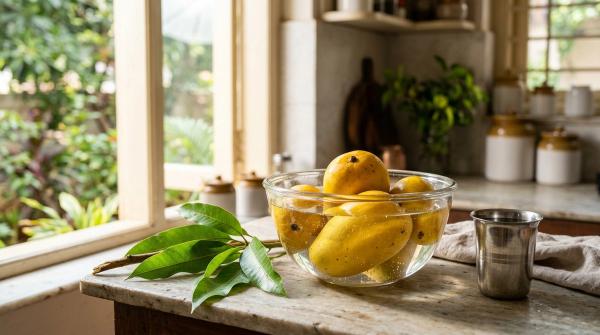
#I don't think mangoes deserve the villian treatment they get in some households. Every summer somebody says mango causes "heat" and pimples and chaos and basically moral decline. Ayurveda does treat mango with nuance. Ripe sweet mango, when properly ripened and eaten in moderation, can be nourishing. Unripe, sour, excessive, or badly combined mango... yeah, that may not go great. Some traditional households soak mangoes in water before eating, partly linked to reducing surface sap and the idea of softening its heaty effect. Is this a magic scientific hack? Not exactly. But washing and soaking fruit isn't a bad ritual anyway.
Modern nutrition-wise, mango gives you vitamin C, vitamin A precursors, fiber, and a bunch of phytochemicals. It can absolutely fit into a healthy diet. If you have diabetes or insulin resistance, portion and total carb load matter, of course. But for a generally healthy person, one small bowl of mango is not some disaster. Me and my cousin used to demolish three mangoes each in one sitting though, and yes, that did feel terrible. So maybe the problem was us, not the mango lol.
Fruits that are cooling for many people, but still need a little common sense
#| Fruit | Ayurvedic vibe | Modern nutrition note | My real-life caution |
|---|---|---|---|
| Watermelon | Cooling, pitta-soothing for many | High water content, vitamin C, carotenoids | Eat alone if it bloats you, don't overdo giant portions |
| Muskmelon | Cooling and light for summer | Hydrating, provides vitamin A and C | Same thing, better alone than after meals |
| Pomegranate | Often balancing, gentle | Polyphenols, fiber, vitamin C | Choose whole fruit over sugary juice |
| Tender coconut water | Cooling and refreshing | Contains potassium and fluids | Not ideal to overuse if you have potassium restrictions |
| Sweet grapes | Cooling and nourishing in moderation | Polyphenols like resveratrol-related compounds, hydration | Easy to overeat, can spike sugar for some |
| Pear | Cooling and moistening in some traditions | Fiber, hydration | Can feel too cooling/heavy for weak digestion |
| Ripe mango | Can be nourishing if ripe and moderate | Vitamin C, carotenoids, fiber | Watch quantity, especially if very heat-sensitive or glucose-sensitive |
Who should be a bit careful, even with "cooling" fruits
#This matters a lot. If you have diabetes, prediabetes, kidney disease, IBS, chronic digestive issues, or you're on fluid/electrolyte restrictions, don't just copy random fruit advice from the internet, including mine. Fruit is healthy, yes, but individual tolerance matters. Someone with IBS may react to high-FODMAP fruits like watermelon or large amounts of pear. Someone with kidney disease may need to watch potassium from coconut water. Somebody with reflux might hate acidic fruit first thing in the morning. And if you're having signs of heat exhaustion or heat stroke, fruit is not the treatment. That's a medical situation.
- If you feel dizzy, confused, faint, or stop sweating in severe heat, get urgent medical help
- If diarrhea or vomiting is involved, oral rehydration may be more appropriate than fruit or plain water alone
- If sugar control is an issue, pair fruit choices with advice from your doctor or dietitian instead of guessing
The whole "food combining" thing... do I believe it?
#Honestly? Half yes, half maybe-not-in-the-strict-way people online talk about it. Ayurveda has detailed food combining principles, and I respect that tradition. Modern science doesn't confirm every traditional combination rule in a direct way. But practical digestion wisdom still exists. A huge fruit dessert after a greasy meal can feel awful. Too many ingredients in a smoothie can be hard on some stomachs. Ice-cold dairy-fruit mixtures may be fine for one person and a bloated regret for another. I stopped needing a perfect theory for every tiny thing. If a simple fruit bowl works and the mega wellness sludge doesn't, that's enough data for me.
What I eat on a really hot day now
#My summer routine is not glamorous, but it is way more body-friendly than before. Wake up, plain water. Breakfast, something light but actual food, not just coffee because apparently I enjoy suffering. Mid-morning maybe watermelon or pear. Lunch normal, not too spicy if the weather is brutal. Afternoon buttermilk or coconut water sometimes, depending on what I've already had. Evening fruit only if I'm actually hungry, not because some app told me to hit a color quota. This sounds incredibly basic, and maybe that's why it works. Wellness in 2026 keeps trying to sell us complexity when sometimes the answer is just seasonal food plus common sense.
The best summer fruit is not the most exotic one. It's the one that's ripe, suits your stomach, and doesn't turn your afternoon into a bloated fever dream.
A few fruits I personally go easy on in peak heat
#For me, very sour pineapple on an empty stomach, too many oranges when I already have acidity, and unripe mango are the big ones. Again, not saying these are bad fruits. They're not. Pineapple has vitamin C and bromelain-related interest, citrus is nutritious, mango is wonderful. But in a heaty, acidy, irritated body state, some things just poke the fire more. Ayurveda would say you're adding more ushna or aggravating pitta. Modern me would say, uh, my throat burns and my stomach is mad. Different language, same message.
So what should you actually do this summer?
#Start simple. Pick one or two seasonal fruits that are generally cooling and see how you feel for a week. Eat them ripe. Eat them at sane times. Notice your digestion, thirst, skin, energy, and bowel habits, because yes that is annoying but useful. Don't force giant fruit breakfasts if they leave you shaky. Don't replace meals with only fruit and then call it cleansing. And please don't get trapped in that health-content spiral where every food is either miracle or poison. Most of us just need better patterns, not more panic.
- Good starting options for many people in summer: watermelon, muskmelon, pomegranate, pear, sweet grapes, tender coconut water
- If you're heat-prone or acidy, reduce very sour, spicy, fried stuff alongside the fruit changes
- If fruit keeps causing bloating, try smaller portions and simpler combos first
- Get medical advice if symptoms are persistent, severe, or you have an underlying condition
Final thoughts, from someone still figuring it out
#I guess that's where I've landed with this whole thandi vs garam taaseer conversation. I don't treat it like rigid dogma, but I don't dismiss it either. Ayurveda gave me a language for noticing patterns I was already living through, especially in summer. Modern nutrition helped me sanity-check things and avoid magical thinking. Put together, they actually make a lot of sense. Not perfect sense, not spreadsheet sense, but lived-body sense. And maybe that's enough.
If your body feels overheated every summer, try paying attention to the fruits you're eating, the timing, and the rest of the meal around them. You might be surprised. I was. Anyway, hope this helped a bit, or at least made the whole topic feel less confusing and less judgey. If you like this kind of practical wellness rambling, you can find more over on AllBlogs.in.