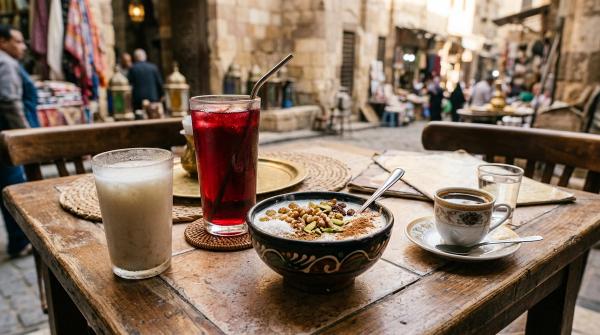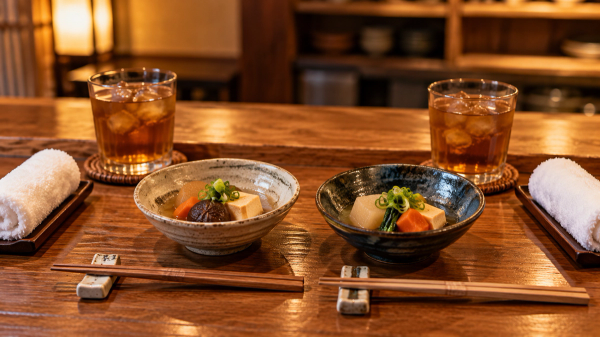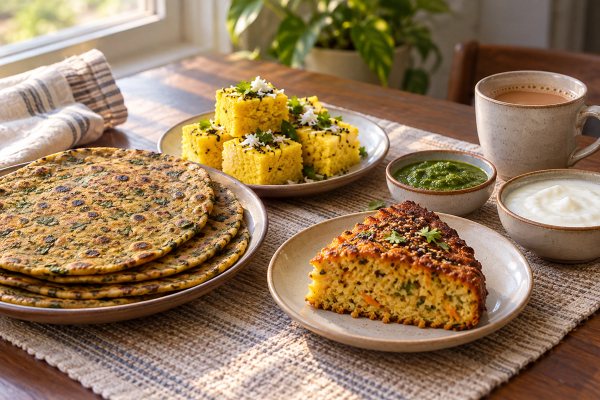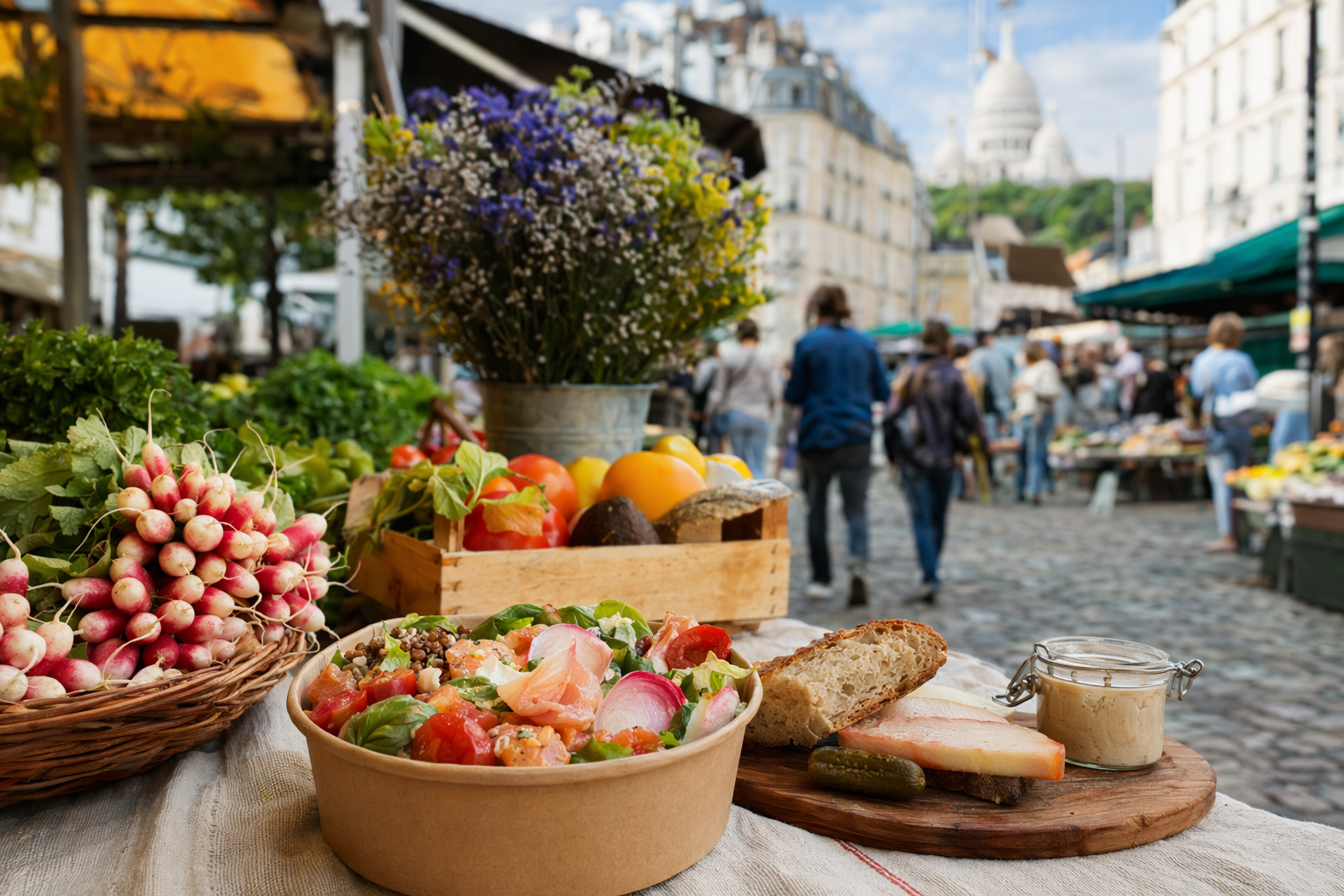
I’ve done the whole “book the famous restaurant three months ahead and pack one nice outfit” thing, and honestly, I still love it. I’m not pretending I don’t get excited about a tasting menu. But the older I get, and the more I travel, the more I keep coming back to one very simple food-travel rule: go to the farmers market first. Before the museum, before the cathedral, before I even figure out the metro properly. Markets tell you what a place tastes like right now. Not in a polished brochure way, but in the real, slightly chaotic, tomato-stained, cheese-wrapped-in-paper kind of way. You see what’s in season, what locals are actually buying, what grandmothers are arguing about, what chefs are quietly loading into baskets at 8 a.m. And if you’re hungry, which I always am, you can make a meal out of almost nothing. A peach, bread, a chunk of cheese, olives, maybe a pastry you didn’t plan to buy but obviously did.
This style of eating has become even more fun lately because food travel has shifted. People aren’t just chasing “best restaurants” anymore. In 2026, the big culinary travel mood is slower, more local, less wasteful, and way more ingredient-led. Travelers want cooking classes inside markets, farm stays, regenerative farms, natural wine tastings, edible souvenirs, and food experiences that feel connected to where they are. I’ve seen more markets accepting cards and mobile payments, more vendors using QR codes to show farm origins, more reusable cup and container programs, and more little pop-ups run by young cooks who don’t want a formal restaurant yet. It’s kind of brilliant. The market has become the restaurant, the grocery store, the classroom, and sometimes the best people-watching spot in town.
The First Market Meal That Changed How I Travel
#I think it started for me in Paris, which is so predictable I almost hate admitting it. I was staying in a tiny apartment near République, the kind with stairs that make you question every packing decision. A friend told me to go to Marché des Enfants Rouges, one of the oldest covered markets in Paris, and I went thinking I’d buy maybe strawberries or a coffee. Instead I ate my way through lunch like someone who had just discovered food for the first time. There was Moroccan couscous steaming in huge trays, Japanese bento boxes, flowers spilling out of buckets, and the famous sandwich stall Chez Alain Miam Miam with people waiting around like they were at a concert. I got a giant sandwich with Comté, vegetables, and bread crisped on the griddle. It was too big, too messy, and exactly right.
That day taught me something I still use everywhere: a farmers market meal doesn’t have to be fancy to feel memorable. Actually, sometimes fancy ruins it a bit. Sitting on a bench with market bread and cheese while your fingers smell like clementines is a very specific kind of luxury. Nobody is explaining the concept to you. Nobody is asking if you’re “still working on that.” You just eat, watch, and slowly understand the place. Paris has incredible restaurants, of course, but that market lunch gave me a better snapshot of daily life than half the guidebook stops I’d planned.
What I Buy First, Almost Everywhere
#My market routine is not elegant. I walk one full lap before buying anything, except I usually break that rule within three minutes because I see something warm. Still, the lap helps. I look for what everyone else is carrying. If every local has cherries, I buy cherries. If there’s a line for one bakery stall, I join it even if I don’t know what they’re selling. I also check whether vendors are selling prepared foods or just raw ingredients, because that decides whether I’m having a picnic, a room-cooked dinner, or one of those standing-up breakfasts where you drip pastry flakes all over your jacket.
- Fruit is always first, especially if I’ve been on planes or trains and feel like my body is made of airport pretzels.
- Bread or something bread-adjacent comes next: baguette, focaccia, tortillas, simit, flatbread, whatever the place does best.
- Then cheese, cured fish, olives, hummus, pickles, nuts, or anything that turns snacks into an actual meal.
- I always buy one “mystery item” too. Sometimes it’s amazing. Sometimes it’s... educational.
If I have an apartment or even just a hotel room with a fridge, I get bolder. Eggs, greens, mushrooms, herbs, tomatoes, pasta, local butter, maybe a bottle of wine. I’ve made some of my favorite travel dinners with one pan and a dull rental knife that was basically a spoon. There’s something weirdly satisfying about cooking while traveling. You save money, sure, but it’s more than that. You feel temporarily domestic in a place that isn’t yours.
San Francisco: Ferry Building Breakfasts and the Picnic That Got Out of Hand
#The Ferry Plaza Farmers Market in San Francisco is one of those markets that food people talk about for good reason. It runs outside the Ferry Building, with especially big market days on Saturdays, and the whole thing feels like Northern California showing off. Citrus, greens, strawberries, mushrooms, olive oil, bread, flowers, oysters, coffee, all lined up with the Bay Bridge in the background. It’s almost annoying how pretty it is. I once went “just for breakfast” and left with stone fruit, a loaf of Acme bread from inside the Ferry Building, cheese, almonds, jam, and enough snacks to feed a small hiking group. There were two of us.
We took it all to the waterfront and ate like kings, except kings probably remember napkins. The thing I love about California markets is how direct the farm-to-table connection feels. This is not a new idea there, obviously, places like Chez Panisse in Berkeley helped make ingredient-driven cooking famous decades ago. But the market still feels alive and current, especially now that travelers are paying more attention to seasonality and sustainability. You see signs about organic practices, regenerative growing, dry-farmed tomatoes, pasture-raised eggs, and low-waste packaging. And yes, some of it is expensive. I won’t lie. But one perfect peach can do more for your mood than a mediocre $28 hotel breakfast.
Mexico City and the Joy of Not Overplanning Lunch
#Mexico City is dangerous for people like me because every plan becomes a food plan. I’ve been to Mercado de Medellín in Roma, Mercado de Coyoacán, and Mercado de San Juan, and while these aren’t all farmers markets in the strict little weekend-stall sense, they are essential food markets where you can feel the city breathing. The produce is unreal: piles of nopales, chiles in every shade, mamey, guavas, herbs, avocados, squash blossoms. I remember buying a cup of fruit dusted with chile and lime and thinking, why does fruit back home feel so underdressed?
My best meal there was barely a meal at first. Tortillas still warm, Oaxacan cheese, salsa, a handful of roasted grasshoppers because I was trying to be brave, and a juice so fresh it made me briefly believe I was a healthy person. Then I added tacos nearby because obviously. That’s the thing about markets in Mexico: ingredients and prepared food blend together. You can shop for dinner, eat breakfast, drink juice, buy flowers, and have a philosophical crisis over which mole paste to bring home. Culinary travel in 2026 is really leaning into this kind of immersive eating, where you don’t just consume the finished dish, you understand the pantry behind it.
Oaxaca: Where the Market Is Basically a University
#Oaxaca deserves its own stomach. I know people say this a lot, but it’s true. The markets there, especially Mercado 20 de Noviembre and Central de Abastos, are not places you “pop into” unless you have superhero self-control. You go in for a look and suddenly you’re eating tlayudas, drinking tejate, sniffing toasted chiles, and wondering if your suitcase can handle pottery, chocolate, and five kinds of mole paste. The famous pasillo de humo, the smoke aisle at Mercado 20 de Noviembre, is a full-body experience. You choose meats, they grill them, and then you sit with tortillas, salsas, onions, and that smoky air clinging to your clothes like a souvenir.
What I love most in Oaxaca is how deeply food is tied to place and community. Corn isn’t just corn. It’s identity, history, agriculture, ceremony, politics, breakfast, dinner, everything. A market meal there makes you slow down whether you meant to or not. You start noticing masa texture, the difference between moles, the way herbs show up in soups, the importance of local cheeses and chiles. I’ve taken market cooking classes in a few countries, but Oaxaca was the one where I felt like I was learning a language, not just recipes. And I was bad at the language, to be clear. But happily bad.
Lisbon: Sardines, Cheese, and a Tiny Kitchen Dinner
#Lisbon is another city where markets make travel feel easy. Mercado da Ribeira, also known now for the Time Out Market side, is famous and busy, and I do think it’s worth seeing, though it can feel a little polished. For actual shopping, I’ve had better luck wandering neighborhood markets and small grocers, then building a meal around whatever looked good. Portugal is generous to lazy cooks. Buy good tinned fish, bread, olives, sheep’s cheese, tomatoes, maybe a bottle of vinho verde, and suddenly dinner looks intentional.
One evening in Lisbon, I cooked in an apartment kitchen so narrow I had to turn sideways to open a drawer. I had cherry tomatoes, garlic, greens, eggs, bread, and a tin of sardines I bought because the packaging was gorgeous. This is a real weakness of mine. Pretty tins get me every time. I made a messy skillet thing and ate it by the window while trams screamed around the corner outside. Was it restaurant-level? No. Did it taste like Lisbon to me? Completely. That’s the magic. Farmers market meals while traveling don’t need technical perfection. They need good ingredients, a little hunger, and a view you’ll remember.
Kyoto: The Market Snack Crawl I Still Think About
#Kyoto’s Nishiki Market is more of a historic food market street than a farmers market, but I’m including it because it taught me how much a market meal can be about restraint. Not my restraint, sadly. The city itself has this incredible seasonal sensitivity, from kaiseki menus to wagashi sweets shaped around flowers, leaves, and weather. At Nishiki, I ate grilled mochi, pickles, tamagoyaki, tiny seafood skewers, and soy milk doughnuts while pretending I was “just browsing.” Kyoto makes you pay attention to detail. A pickle is not just a pickle. Tofu is not just tofu. Even the packaging seems to have better manners than I do.
Japan is also where I noticed how market food and travel technology are starting to overlap in useful ways. Not flashy robot-chef nonsense, though there’s some of that around the world too. I mean practical stuff: easy digital payments, translated menus, QR codes, reservation systems for small food experiences, luggage delivery so you can actually shop without dragging a suitcase through a crowd like a menace. For food travelers, these little innovations matter. They make it easier to say yes to the local breakfast, the cooking workshop, the regional train detour for a fish market, the seasonal sweet you can’t pronounce.
A Tiny Farmers Market Dinner Formula That Works Almost Anywhere
#After a lot of trial and error, including one tragic hostel pasta situation in Barcelona that we don’t need to discuss in detail, I’ve got a loose formula for market dinners. It works if you have a rental apartment, a camper van, or even a hotel room if you stick to no-cook things. The formula is: one fresh thing, one rich thing, one salty thing, one bread or starch thing, and one local treat. That’s it. It sounds too simple, but it saves you when you’re tired and hungry and your brain has stopped translating signs.
- Fresh thing: fruit, tomatoes, cucumbers, salad greens, herbs, radishes, citrus, whatever looks alive and bright.
- Rich thing: cheese, eggs, avocado, butter, pâté, yogurt, hummus, smoked fish, or local cured meats.
- Salty thing: olives, pickles, anchovies, capers, roasted nuts, fermented vegetables, or a punchy sauce.
- Bread or starch thing: baguette, tortillas, rice, potatoes, crackers, focaccia, noodles, or market pastries if dinner has gone off the rails.
- Local treat: chocolate, wine, cider, sweets, seasonal jam, honey, or whatever the vendor insists you need.
This is how you end up eating burrata and tomatoes in Puglia, rye bread and smoked fish in Copenhagen, strawberries and clotted cream in southwest England, or tortillas with beans and salsa in Mexico. Different places, same idea. And because travelers in 2026 are more conscious about waste, I try to buy only what I’ll finish. Mostly. I still occasionally overbuy cherries like I’m feeding a family of twelve.
Where Market Eating Is Especially Good Right Now
#Some places just make market meals easier. Copenhagen is fantastic if you care about bakeries, seasonal produce, seafood, and the whole Nordic obsession with good bread and fermentation. Torvehallerne is polished, yes, but useful, and the broader Danish food scene still has that local-seasonal mindset that changed modern dining. Barcelona’s Mercat de la Boqueria is crowded, touristy, and still thrilling if you go early and behave like a decent human being instead of blocking stalls for photos. Smaller neighborhood markets like Santa Caterina can be calmer. In London, Borough Market remains a classic for grazing, though I also like checking out local weekend farmers markets in neighborhoods because that’s where you get the less postcard version of the city.
In the U.S., I have soft spots for the Santa Monica Farmers Market, especially because so many Los Angeles chefs shop there, and the Union Square Greenmarket in New York, where the seasons feel dramatic in the best way. Spring ramps, summer berries, fall apples, winter roots, all right there under the city noise. In Australia, Melbourne’s Queen Victoria Market is still a food wanderer’s dream, and Tasmania has become one of those culinary destinations people whisper about with annoying enthusiasm: seafood, cheese, whisky, berries, cool-climate wine, all packed into an island that feels made for edible road trips.
The New Trend I Actually Love: Market-to-Table Experiences
#Some travel trends make me tired before I even try them, but market-to-table experiences are one I genuinely love when they’re done well. The idea is simple: you go with a cook or guide to a market, learn what’s seasonal, buy ingredients, then cook or eat together. It can be touristy, sure, but the good ones are intimate and practical. I’ve done versions of this in Italy, Mexico, Thailand, Portugal, and Japan, and every time I learn something I wouldn’t have picked up alone. How to choose fish. Which herbs matter. Why one tomato costs twice as much as the other. Why the vendor rolled their eyes when I touched something I should not have touched.
The best market guides are translators in the deepest sense. Not just language, but food logic. They explain why breakfast is shaped a certain way, why certain ingredients appear only for a few weeks, why one region’s cheese is eaten fresh and another’s is aged until it smells like a dare. This kind of travel feels current because it’s experiential without being empty. You leave with skills, recipes, and a more honest sense of the place. Also, you get lunch. Very important.
A Few Market Manners I Learned the Slightly Embarrassing Way
#Markets are casual, but they’re not lawless. I have made mistakes. I’ve squeezed fruit in places where that is definitely not the done thing. I’ve stood in the wrong line. I’ve tried to pay with a giant bill for one small pastry and felt the vendor’s soul leave their body. I’ve taken photos too quickly before buying anything, which I now think is rude unless you ask. Travel makes you humble if you let it. Or hungry enough to apologize fast.
- Bring small cash even if the market takes cards, because small vendors still appreciate it and tech fails at the worst times.
- Ask before touching produce. In many places, the vendor chooses for you, and they usually choose better than you would.
- Go early for serious shopping, go later for atmosphere, but don’t expect every stall to stay stocked until closing.
- Buy something before asking for a million photos. It just feels better, and you’re supporting the person whose work you’re admiring.
- Learn a few food words in the local language. Please, thank you, delicious, seasonal, local, and “what do you recommend?” can take you far.
Why These Meals Stay With Me More Than Fancy Ones Sometimes
#Here’s the thing I keep noticing: the meals I remember most aren’t always the most expensive ones. I remember eating figs over a sink in Athens because they were too ripe to survive the walk home. I remember a paper bag of still-warm gougères in Burgundy. I remember buying tomatoes in Sicily that smelled like sunshine and dust and making sandwiches so good we ate in total silence. I remember a woman in a market in Provence giving me a slice of melon to taste, watching my face, and then nodding like, yes, obviously you’ll take two.
Restaurant meals can be beautiful, but markets give you participation. You choose, carry, assemble, spill, share, improvise. The meal has your fingerprints on it. And when you travel, especially now when everything can be reviewed, ranked, filmed, and optimized to death, that little bit of randomness feels precious. You can’t fully script a market morning. Maybe it rains. Maybe the peach guy is grumpy. Maybe you discover a cheese so good it ruins other cheeses for a week. Good. That’s travel.
A farmers market meal is not just about eating cheaply or eating locally. It’s about letting the place decide what’s for lunch.
How I Pack for Market-Based Travel
#I’m not a minimalist, but I do pack a tiny market kit now, and it has saved me many times. A foldable tote bag, a small reusable container, a travel fork or spoon, a cloth napkin, and sometimes a little pocket knife if I’m checking luggage and the rules allow it. Nothing dramatic. Just enough to turn “I bought too much cheese” into “I am a prepared and cultured traveler.” I also like booking at least part of a trip in accommodation with a small kitchen. Not every night. I still want restaurants, street food, wine bars, bakeries, late-night noodles, all of it. But a kitchen gives you freedom.
This is especially useful in expensive cities. In places like New York, Copenhagen, Paris, or Tokyo, you can balance one splurge dinner with two market meals and feel like you’re eating better, not cheaper. Breakfast from a bakery and fruit stall. Lunch from market snacks. Dinner cooked with local ingredients. Suddenly the trip budget breathes a little. And honestly, after days of restaurant eating, a simple plate of market vegetables and eggs can feel like medicine.
Final Bite: Go Hungry, Go Curious
#If you’re planning a food-focused trip this year, put the farmers market on your itinerary like it matters, because it does. Search for the weekly market days before you arrive. Ask your host, hotel, taxi driver, bartender, or barista where they actually shop. Go early once. Go hungry always. Don’t worry about making the perfect meal. Some of my best travel lunches have been weird little combinations eaten on park benches, train platforms, beaches, apartment floors, and once, very glamorously, on the edge of a bathtub because the room had no table.
Farmers market meals while traveling remind me why I fell in love with food travel in the first place. They’re immediate, seasonal, human, and a little unpredictable. You meet growers, bakers, fishmongers, cheesemakers, cooks, and people who care deeply about what they sell. You taste a destination before it’s been overly translated for visitors. And if you’re lucky, you carry that taste home in some small way, maybe as a recipe, maybe as a jar of honey, maybe just as the memory of a perfect peach eaten too fast. For more food wandering, travel notes, and delicious rabbit holes, I’d definitely poke around AllBlogs.in sometime.