I used to think ferry food meant a sad packet of crisps, a lukewarm coffee, and maybe a sandwich wrapped so tightly in plastic it could survive a shipwreck. And yeah, sometimes it still does mean that. But after years of hopping ferries, overnight boats, island shuttles, river cruises, and those little wooden boats where the “galley” is basically someone’s cousin with a cooler, I’ve changed my mind completely. Boat trip meals can be genuinely brilliant. Not always fancy. Actually, almost never fancy in the polished restaurant sense. But memorable? Absolutely. There’s something about eating while the land shrinks behind you and another coastline appears ahead that makes even simple food taste more dramatic. A paper cup of tea on an Istanbul ferry. Salmon soup in Norway with windows fogged from cold. A still-warm cheese pie between Greek islands. These meals stay with me longer than some Michelin-ish dinners I’ve had on land.
Why Food Tastes Different on the Water
#Maybe it’s the salt air. Maybe it’s hunger, because travel hunger is a real thing and nobody talks about it enough. You wake up too early, drag bags down stairs, misjudge boarding times, and suddenly a basic egg sandwich becomes emotionally important. On ferries, food is also part of the rhythm. You’re not rushing between sightseeing stops. You’re sitting. Watching gulls bully each other. Hearing engines thump under the floor. The meal has space around it. I remember crossing from Dover to Calais years ago and eating fish and chips that were, if I’m being brutally honest, only okay. But the white cliffs were fading behind us, my hands smelled like vinegar, and I had that small thrill of leaving one country for another before lunch. So in my memory? Best fish and chips ever. Food on boats gets unfair help from scenery, and I’m not complaining.
The 2026 Ferry Food Trend: Less “Canteen,” More Local Flavor
#One thing I’ve noticed more and more, especially heading into 2026 travel, is that ferry operators and small boat companies are finally realizing travelers care about food. Like, properly care. It’s not just fuel anymore. Routes around Scandinavia, the Mediterranean, Japan, coastal Canada, and even short commuter crossings are adding local products, better coffee, vegetarian and vegan options, pre-order meal boxes, and snacks from regional suppliers instead of generic mystery muffins. Some bigger ferries now let you book meals in advance through apps or QR systems, which is handy if you’re vegetarian, gluten-free, traveling with kids, or just deeply anxious about missing the last cinnamon bun. There’s also a sustainability push happening. Reusable cups, less single-use plastic, seafood with traceable sourcing, and menus built around local seasonal ingredients. It’s not perfect everywhere, not even close, but the shift is obvious if you travel by water a lot.
My rule is simple: if a ferry sells something local, order that before anything that looks like it came from an airport fridge.
Breakfast Ferries: The Most Underrated Meal in Travel
#Morning boats are my weakness. I love them even when I hate waking up for them. There’s a sleepy honesty to breakfast at sea. People are puffy-faced, quiet, clutching coffees like life support. On a BC Ferries crossing from Vancouver area toward Vancouver Island, I once had a breakfast plate that looked completely ordinary: eggs, toast, potatoes, a little fruit cup. But outside were mountains, dark water, and low clouds sliding around like theatre curtains. Suddenly those potatoes were poetry. BC Ferries has long had a reputation among locals for its onboard food, especially those White Spot style burgers on some routes, but breakfast is where I get sentimental. Same with ferries in the Baltic. On ships between Finland, Sweden, and Estonia, breakfast can be shockingly generous: rye bread, smoked fish, boiled eggs, pickles, cheese, yogurt, berries, and coffee strong enough to start an argument. I always tell myself I’ll eat lightly. I never do.
The Istanbul Ferry Meal I Still Think About
#If someone asked me for one perfect cheap ferry food experience, I’d send them to Istanbul. Not a luxury dinner cruise, not the touristy set menu with flashing lights and a belly dance show, though those can be fun in their own chaotic way. I mean the ordinary public ferries crossing the Bosphorus. Buy a simit, that sesame-crusted bread ring, from a vendor before you board or near the terminal. Get tea in one of those little tulip glasses if they’re serving it. Sit outside if the weather allows, even if the wind messes up your hair and you start questioning your life choices. Then eat slowly while the city moves around you: minarets, ferries honking, seagulls screaming like unpaid actors. The simit is chewy, nutty, slightly dry in the way that makes you want more tea. It’s not complicated food. It’s better than complicated food. I’ve had fancy tasting menus that didn’t give me half that feeling.
Packing Your Own Boat Picnic Without Being That Person
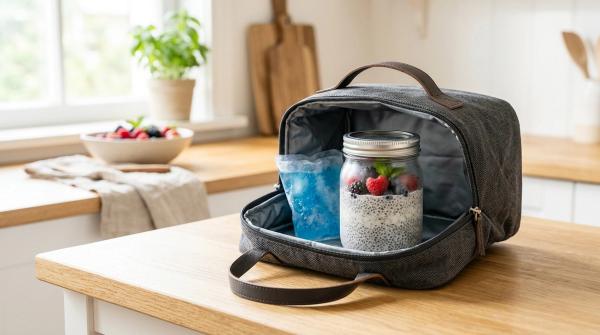
#There’s an art to packing food for a ferry or boat trip. You want delicious, but not messy. Interesting, but not smelly enough to make strangers hate you. I learned this the hard way on a Greek island ferry when a man near me opened what I swear was the most aggressive boiled egg situation in the Aegean. Everyone pretended not to notice. Everyone noticed. My ideal boat picnic now is simple: bread, cheese, fruit, nuts, maybe olives if the container seals properly, and something sweet for morale. In Greece, I’ll grab spanakopita or tiropita from a bakery before boarding. In Italy, focaccia travels beautifully, especially the oily Ligurian kind that leaves your fingers shiny. In Japan, onigiri from a convenience store is basically engineered for travel perfection. If I’m in Scandinavia, rye sandwiches with smoked salmon or shrimp are hard to beat, though you do need napkins. More napkins than you think.
- Good ferry picnic foods: focaccia, hand pies, fruit, nuts, hard cheeses, rice balls, wraps, chocolate, bakery pastries, and anything that survives being tilted in a backpack.
- Risky ferry picnic foods: soup in weak containers, overripe bananas, tuna salad in August, crumbly cakes, giant salads with leaking dressing, and yes, boiled eggs if you’re in a crowded cabin.
Overnight Ferries Are Basically Floating Food Stories
#Overnight ferries have their own mood. They’re part transport, part hotel, part cafeteria, part social experiment. I’ve taken a few where the meal was cafeteria-tray practical, and others where dinner felt like a proper night out. The Baltic routes are famous for this. Viking Line and Tallink Silja ships between Helsinki, Stockholm, Tallinn, and nearby ports often have buffets, à la carte restaurants, bars, bakeries, and tax-free shops full of chocolate you absolutely didn’t need. The buffet can be dangerous in the best way: herring in multiple styles, smoked salmon, potatoes, salads, meatballs, rye bread, cheeses, little desserts. You sit there trying to pace yourself while outside the archipelago slides past in blue evening light. I’ve also done overnight routes in the Mediterranean where dinner was more rustic: pasta, grilled vegetables, bread, wine from a plastic cup, and a deck full of people watching islands turn into silhouettes. Both styles work. Depends what your soul needs.
Norway, Hurtigruten, and the Glory of Soup When You’re Cold
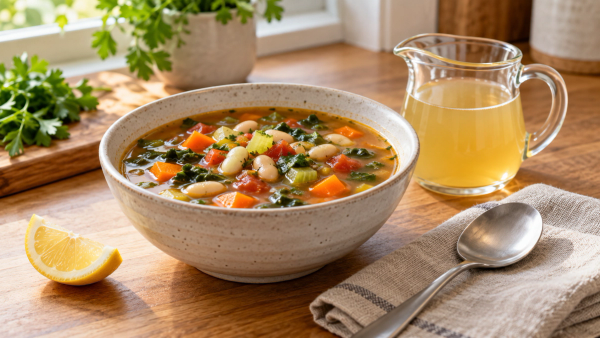
#Norway taught me that boat food can feel almost medicinal. I was on a coastal sailing where the weather kept changing its mind every ten minutes. Rain, sun, sleet-ish sideways nonsense, then a calm patch where everything looked silver. By lunch I was cold in my bones, the kind of cold where your shoulders live near your ears. Then came fish soup. Creamy, warm, full of seafood, with bread on the side. I don’t know if it was the best soup ever made, but it was exactly the soup required by the moment, which is sometimes more important. Norwegian coastal voyages, including the famous Hurtigruten and Havila routes, have leaned into local coastal ingredients: cod, salmon, king crab in the north, cloudberries, brown cheese, lamb, potatoes, and dairy that tastes richer than it has any right to. It fits the landscape. Stark, clean, comforting. Also expensive, yes. Norway does not play around with your wallet. But some meals are worth the small internal scream.
Japan’s Ferries and the Beauty of the Bento Mindset
#Japan is where I learned to respect the packed meal as an actual culinary form, not just leftovers in a box. Even before boarding a ferry, you can build a beautiful meal from station shops or convenience stores: onigiri, tamagoyaki, fried chicken, pickles, seasonal sweets, bottled green tea. On longer ferry routes, especially around Kyushu, Shikoku, Hokkaido, and island connections in the Seto Inland Sea, meals can range from casual curry rice to seafood sets, ramen, udon, and regional snacks. What I love is the neatness of it all. Food that fits travel. Food that doesn’t collapse instantly. Food that considers the eater who might be balancing a tray while the boat moves. One of my favorite little meals was on a short island ferry where I ate a convenience store egg sandwich and a mikan orange while passing tiny green islands. Was it glamorous? Nope. Did I feel completely happy? Very much yes.
Greek Island Ferries: Pastry, Coffee, and Controlled Chaos
#Greek ferries are not always relaxing in the postcard way people imagine. Sometimes they’re windy, late, crowded, and full of people trying to protect enormous suitcases like newborns. But the food ritual saves everything. Before a ferry from Piraeus, I always try to stop at a bakery. Cheese pie, spinach pie, koulouri, maybe a little cake if I’m pretending it’s for later. It is never for later. Onboard, coffee becomes essential, especially freddo espresso or freddo cappuccino in warm months. Some larger ferries have decent cafés and snack bars, but the bakery-before-boarding strategy has never failed me. The Aegean does this trick where the blue is so intense it feels fake, and then you bite into flaky pastry with salty feta and herbs, and everything suddenly makes sense. Even the delays. Well, almost the delays. I’m not a saint.
Short Crossings Can Have Big Food Energy
#Not every boat meal needs a grand route. Some of my favorite bites happened on tiny crossings where food was barely official. In Thailand, island boats often involve snacks bought at the pier: grilled skewers, sticky rice, cut mango, iced coffee sweet enough to make your teeth vibrate. In Mexico, before ferries to islands like Cozumel or Isla Mujeres, I’ll happily grab tacos or a torta near the terminal rather than risk being hungry onboard. In the Philippines, depending on the route and boat type, you might find simple packed meals, instant noodles, local breads, or vendors around the port selling bananas, empanadas, barbecue, and sweet snacks. The trick is not assuming the boat will feed you. Ask around. Watch what locals are carrying. If everyone boards with bags from one bakery, that bakery is your plan. Travel wisdom sometimes looks like following aunties with food containers.
- Check the route length honestly. A “quick” boat can become three hungry hours if weather, boarding, or port traffic gets wierd.
- Buy water before you board, even if there’s a café. Boat thirst is sneaky, especially in summer.
- If you have dietary needs, pre-order when possible or pack a backup meal. Ferry menus are improving, but not everywhere and not always.
- Eat local at the port. Ferry terminals are often near markets, bakeries, noodle shops, seafood stalls, and other places travelers rush past.
What to Eat When the Sea Gets Rough
#Let’s talk about the unromantic bit: seasickness. I love boats, but I am not immune. Nobody wants to be the person who confidently orders creamy chowder and then spends the next hour staring at the horizon bargaining with God. If the water looks rough, I go plain and ginger-heavy. Crackers, bread, rice, bananas, apples, ginger tea if available, or ginger sweets packed in my bag. Peppermint can help too. I avoid greasy food until I know my stomach is on speaking terms with the ocean. Also, sit where there’s fresh air and look out, not down at your phone. I know everyone says this, but it’s true and I hate that it’s true. On one ferry in the English Channel, I ignored this advice, read a menu too long, and almost ruined my own lunch before eating it. Humbling.
Boat Dining Is Getting Smarter, and Sometimes Fancier
#A fun development in food travel right now is that boats are becoming part of the culinary itinerary, not just the thing between destinations. In 2026-style travel planning, people are looking for slower routes, rail-and-sail combinations, island-hopping meals, seafood experiences, and low-stress alternatives to flying where the journey has taste. River cruises have been doing food programming for ages, but ferries and smaller operators are catching up with tasting menus, local wine pairings, onboard bakeries, craft beer lists, chef collaborations, and seasonal seafood specials. I’ve seen more plant-forward dishes too: lentil stews, vegetable curries, mezze boxes, vegan pastries, and better salads that don’t feel like punishment. Technology is creeping in as well, with mobile ordering, digital menus, allergen filters, and pre-booked dining times. I still love a chaotic snack counter, but I’ll admit, knowing I can reserve a hot meal before boarding is pretty nice.
Ports Are Half the Meal
#Here’s the thing travelers forget: the best ferry meal may not be on the ferry. It might be five minutes from the dock. Ports have always been food crossroads, and they still feel that way if you slow down. In Naples, eat pizza before heading to Capri or Ischia. In Split, grab burek or grilled fish before island boats. In Seattle, Pike Place Market can stock you beautifully before ferries and water taxis. In Hong Kong, Star Ferry rides are short, but the food on either side is endless: wonton noodles, pineapple buns, egg tarts, roast goose, milk tea. In Lisbon, before crossing the Tagus or taking river routes, I want pastéis de nata and a bica. The boat becomes the pause between bites. A digestion chamber with views, basically. And honestly, that’s a pretty great travel concept.
My Ferry Meal Kit, Because I’ve Learned Some Lessons
#I’m not a hyper-organized traveler. My suitcase always contains one mysterious sock and at least three receipts I don’t remember getting. But I do have a ferry food kit now, and it has saved me many times. I carry a refillable bottle, ginger chews, a cloth napkin, a tiny fork-spoon thing, wet wipes, mints, and a foldable tote for port snacks. If I’m taking a longer route, I add instant miso soup or cup noodles only if I know hot water is available, plus fruit and something salty. I also keep a small chocolate bar for emergencies, by which I mean any moment after 4 p.m. when my personality starts leaving my body. For families, I’d add crackers, easy fruit, sandwiches cut small, and surprise snacks. For solo travelers, bring something you can eat one-handed while guarding your bag and your seat. Not glamorous advice, but real.
The Most Memorable Meals Are Not Always the Best Meals
#I think this is why I love ferry and boat trip meals so much. They’re imperfect. Sometimes the coffee is burnt. Sometimes the sandwich bread is too cold. Sometimes you buy a pastry because it looks amazing and discover it’s mostly air and disappointment. But then there are moments that land perfectly. A hot bowl of noodles after a rainstorm. Sardines grilled near a harbor before a night boat. A paper cone of fries eaten on deck with wind making you look ridiculous. A shared packet of biscuits with a stranger because the café closed early. Food travel isn’t only about chasing the best restaurant in a city. It’s about eating where life is happening, and boats are definitely life happening. People leaving, arriving, visiting family, commuting, escaping, returning. Everyone hungry in their own way.
Final Thoughts: Always Board a Little Hungry
#If I could give one bit of advice for ferry and boat travel, it would be this: pay attention to the food. Don’t treat it as an afterthought. Research the route, check whether the boat has proper meals, look up the port bakeries, ask locals what they bring onboard, and leave room for surprise. The best meals between shores are rarely the most polished ones. They’re the ones tied to weather, water, timing, and that odd floating feeling of being nowhere and somewhere at once. I still dream about Istanbul simit, Norwegian fish soup, Greek cheese pies, Japanese onigiri, and those Baltic breakfasts where I ate too much smoked fish and regretted nothing. Next time you’re planning a trip, consider the ferry not just as transport, but as a table with a view. And if you’re hungry for more food-and-travel rabbit holes, have a casual browse through AllBlogs.in sometime.