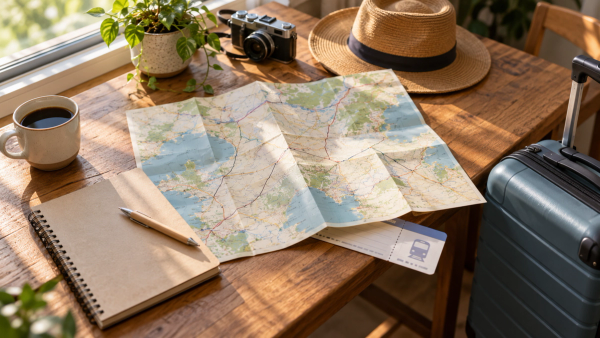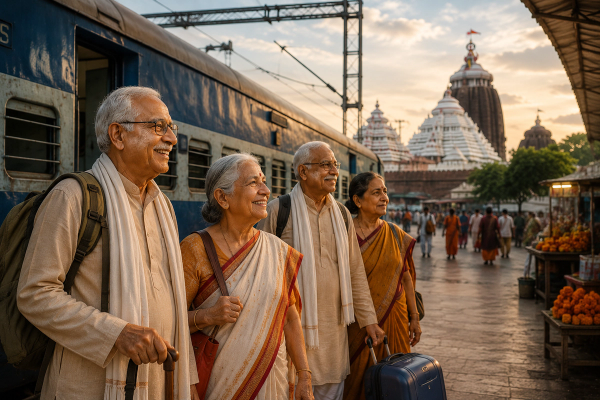
If it’s your first time in India, lemme say this straight away... do not try to do too much. A lot of people land here with this huge dramatic plan like Delhi, Rajasthan, Varanasi, Goa, Kerala, Himalayas, all in 9 or 10 days. Then they spend half the trip in airports, half the trip confused, and the remaining half mildly dehydrated. Yeah that maths is wrong, but you get me. India is amazing, but it can be intense too. So for a first visit, especially if you're a foreign traveler and safety, comfort, and not losing your mind matters, I genuinely think a simple North India route works best: Delhi, Agra, Jaipur, then a softer ending in Udaipur. It gives you history, culture, food, architecture, colour, and enough chaos to feel India without being completely swallowed by it.
I’ve done this route in different versions over the years, sometimes with cousins visiting from abroad, once with a friend from Europe who was super nervous before coming, and honestly this is the one I keep recommending. It’s popular for a reason. The tourism infrastructure is better, transport is easier, there are plenty of good hotels in every budget, and you can move around without doing something heroic. Also, these cities are used to international travelers. That matters more than people admit. You’ll find English widely understood in hotels, ticket counters, guided tours, and most tourist-facing cafes. Not everywhere, obviously, but enough.
Why this is the safest first India route, more or less
#Safe doesn’t mean sterile. It means manageable. This route has strong tourism networks, regular trains and flights, reliable hotels, guided sightseeing, and lots of other travelers around. Delhi can feel overwhelming, yes, but if you stay in the right area and use app cabs or hotel-arranged transport, it becomes much easier. Agra is straightforward because the main sights are concentrated. Jaipur is one of the easiest cities in India for first-time foreign visitors, in my opinion. Udaipur is calmer, prettier, and a nice emotional exhale before you fly out. Honestly, that rhythm matters. India isn’t just about what you see, it’s also about how much stimulation you can handle in one go.
- Best months for this 10-day route are roughly October to March, when days are cooler and sightseeing is way less exhausting
- April to June can be brutally hot in Delhi, Agra, and Rajasthan... not impossible, just tiring and sweaty in a very personal way
- July to September brings monsoon spells, greener views and sometimes lower hotel rates, but also humidity and occasional transport delays
- For women travelers, solo included, this route is among the easier ones if you use common sense, dress respectfully in mixed areas, avoid isolated late-night wandering, and book verified stays
- UPI is huge in India now, but foreign travelers should still carry cash for small shops, tips, toilets, and random chai stops
One more thing. Don’t think “safe route” means you can stop paying attention. Keep your phone charged, share your live location with someone if heading out late, use Uber or Ola where available, ask the hotel for help if something feels off, and don’t flash cash or passports around. Basic stuff, but it helps a lot.
The route at a glance: Delhi 2 nights, Agra 1 night, Jaipur 3 nights, Udaipur 3 nights, then out
#This route is built around the classic Golden Triangle, but with Udaipur added at the end because, trust me, after Delhi and Agra and Jaipur, your brain kinda wants some water views and a slower pace. You can fly into Delhi and either fly out of Udaipur, or return to Delhi depending on your international ticket. If the return has to be Delhi, add a quick domestic flight from Udaipur back to Delhi on Day 10. Flights are frequent enough, and if booked ahead they’re usually not too painful on the wallet.
Day 1 and 2: Delhi, but do Delhi smartly
#Most first-timers are unsure about Delhi because the city has a reputation. And okay, some of it is fair. It’s loud, huge, historical, political, messy, elegant, green, polluted, beautiful, frustrating... all at once. But if you choose your base well, Delhi is actually a fascinating intro to India. I usually suggest staying in Aerocity for convenience and polished hotels, Connaught Place for central access, or South Delhi if you want cafes and slightly calmer neighbourhood vibes. Paharganj is cheap, yes, but for a first-time foreign traveler I don’t think it’s the best first landing unless you’re already a seasoned backpacker and know what you’re doing.
Spend your first full day doing a gentle version of Delhi. Maybe Lodhi Garden in the morning if you want an easy walk, then Humayun’s Tomb, then India Gate drive-by, and later Khan Market or Connaught Place for food and a feel of urban India without complete madness. Old Delhi is incredible, but I’d suggest doing it with a guide or at least a planned rickshaw/food walk. Chandni Chowk is one of those places where every sense gets attacked and delighted together. Paratha, jalebi, temple bells, scooters, wires overhead like some giant bird’s nest. Amazing. But not where I’d tell a jetlagged person to just "wander freely" on day one.
My honest advice? Don’t judge India from your first two hours in Delhi traffic. That’s like judging a whole movie from the ads before it starts.
For current practicals, Delhi Metro is still the fastest way to avoid traffic on many routes, though for luggage or late evenings cabs are easier. Women’s coach is available in the metro. Airport transfers through hotel pickup are worth it if it’s your first arrival, specially after a long-haul flight. Mid-range hotels in decent areas often sit around ₹4,000 to ₹8,000 a night, while nicer boutique or chain stays can range from ₹8,000 to ₹15,000 and up. Super budget options exist below that, but quality can be inconsistent, and that’s me being polite.
Day 3: Delhi to Agra, sunrise dreams and one very busy city
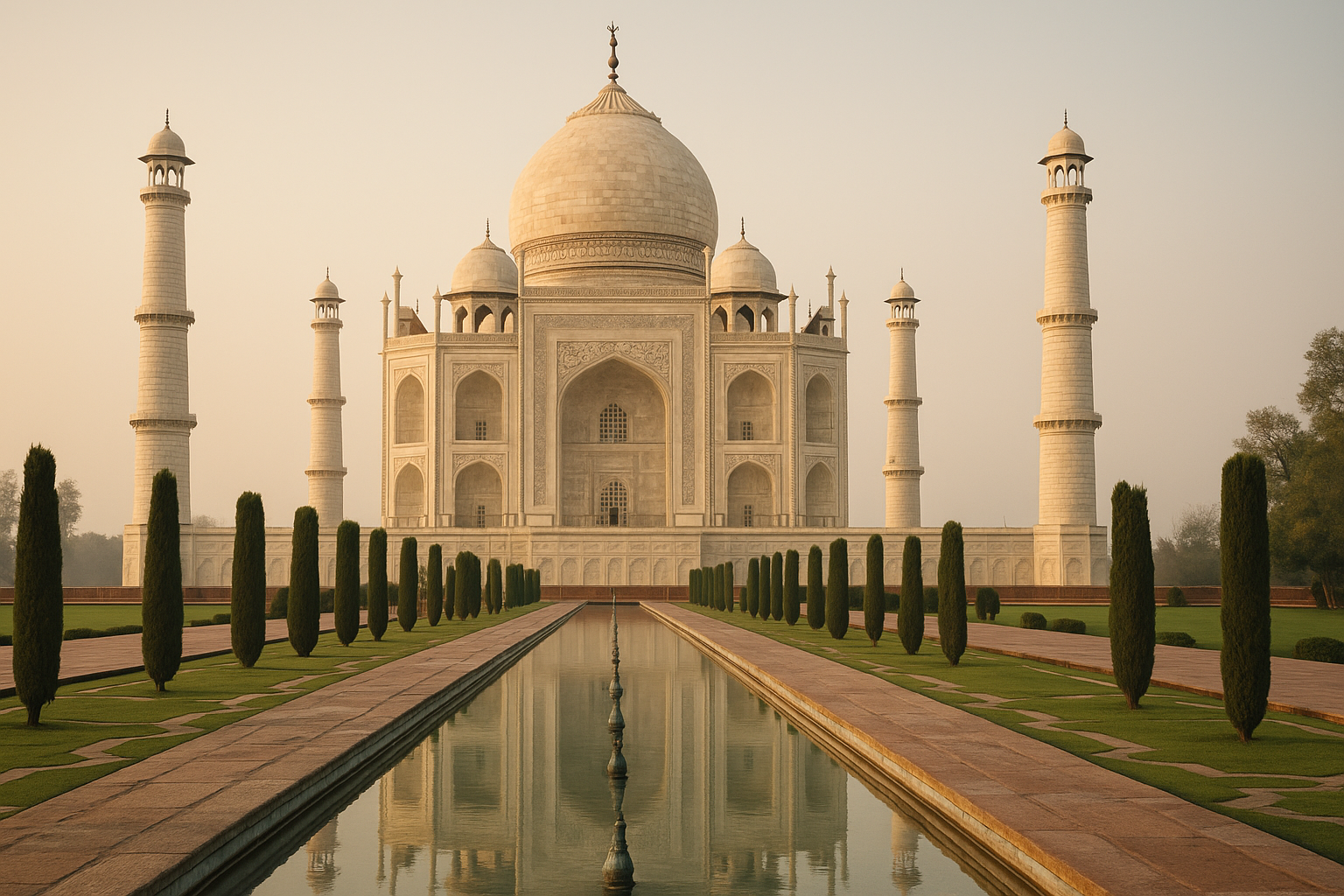
#Take the morning Gatimaan Express if you can. It’s one of the easiest ways to get from Delhi to Agra, and way less stressful than figuring things out on the highway for your first intercity move. Private car is also common and gives flexibility to stop, but trains are efficient when booked in advance. Agra gets reduced to the Taj Mahal, which is unfair... but also, yeah, the Taj is the reason most people go. And still, after seeing it multiple times, I can tell you it does something weird to you in person. It’s quieter than your expectations somehow. Softer. Bigger but more delicate. Photos don’t catch that feeling properly.
If possible, see the Taj either at sunrise the next morning or late afternoon toward sunset for better light and slightly less brutal heat. Foreign ticket prices are higher than domestic ones, that’s normal at major monuments in India, and online booking is usually easier now than standing in random queues. Carry your passport ID, wear shoes easy to remove if needed in mausoleum sections, and don’t carry restricted items. Agra Fort is absolutely worth doing too, not a side note. Mehtab Bagh across the river gives a peaceful Taj view if you want something less crowded. And if you’re into craft, marble inlay workshops around Agra can be interesting, though yes, some are sales-heavy. Just smile and leave if it gets pushy.
- Where to stay in Agra: around Taj East Gate Road is practical and tourist-friendly
- Budget rooms may start around ₹1,500 to ₹3,000, decent mid-range around ₹3,500 to ₹7,000, and luxury can jump much higher depending on Taj view and season
- Skip random street food if your stomach is sensitive on day one in Agra, but do try petha from a reputable shop and a proper North Indian thali
Small safety note here. Agra around the Taj area is generally manageable, but ignore touts offering “secret entries” or suspiciously cheap guides. Use licensed guides or book through your hotel. This applies in a lot of India, actually.
Day 4 to 6: Jaipur, the easiest city to fall for
#From Agra to Jaipur, a private car is very common because you can stop at Fatehpur Sikri on the way. If your schedule allows, do it. Fatehpur Sikri has this red sandstone grandeur that feels almost theatrical, and weirdly under-discussed compared to bigger-name monuments. Jaipur itself is where many foreign travelers finally relax a bit. The roads are wider than Old Delhi, the tourist systems are more polished, heritage hotels are everywhere, and there’s enough happening without the same level of stress. It’s still India, don’t get me wrong. Horns still exist in full emotional range. But Jaipur has a smoother entry point vibe.
Give Jaipur three nights if you can. One day for the Amber Fort, Jal Mahal photo stop, maybe Panna Meena ka Kund if you like stepwells, and a relaxed evening. Another day for City Palace, Jantar Mantar, Hawa Mahal area, and the old city bazaars. Then one more day for either Nahargarh Fort at sunset, a block-printing workshop, a gem or textile experience, or just cafe-hopping and doing less. That last option is underrated. Travelers often think every hour must be “used” and then they don’t actually absorb anything. Sit with masala chai on a rooftop, watch kites in the sky, hear the azaan in the distance mixed with bike horns, and just... be there a bit.
Jaipur also has some of the best range of stays for first-time visitors. Gorgeous heritage havelis, modern business hotels, backpacker hostels with decent social scenes, and palace-style luxury if you’re going full honeymoon mode. Typical prices? Hostels maybe ₹700 to ₹1,500 for dorms, private budget rooms around ₹2,000 to ₹4,000, lovely boutique heritage stays often ₹4,500 to ₹9,000, and high-end properties can go way beyond that. Bani Park is a nice base, MI Road is practical, and the old city is atmospheric if you don’t mind bustle. I personally like staying slightly outside the noisiest core and then going in for sightseeing.
- Do shop, but don’t buy in the first store unless you enjoy paying the tourist curiosity tax
- Try dal baati churma, laal maas if you eat meat, onion kachori, and ghewar if you’ve got a sweet tooth
- Use sunscreen more than you think you need. Rajasthan sun is not joking, even in winter it can sneak up on you
- If an elephant experience is on your list, please choose carefully and avoid anything that feels exploitative or purely photo-prop based
One thing I noticed recently is more travelers looking for “ethical” and slower experiences in Jaipur, and honestly good. Craft workshops, local cooking sessions, walking tours with historians, and small-group heritage stays are becoming more popular for a reason. They feel less shallow. Also easier on the soul than speed-running monuments like you’re collecting airport stamps.
Day 7 to 9: Udaipur, where the trip softens in the best way
#You can take a flight from Jaipur to Udaipur if you want to save time, or an overnight train if you’re a bit more adventurous and don’t mind Indian railway energy. For first-timers who value comfort, I’d lean flight unless budgets are super tight. Udaipur is one of those cities that people don’t always put first on the list, but when they go, they come back weirdly emotional about it. I get it. Lakes, palaces, white buildings, evening lights reflected on the water, slower mornings. It’s romantic, sure, but not in an irritatingly staged way. It feels lived-in.
Spend one day around City Palace and the old lanes nearby. Another day do a lake boat ride, Jag Mandir view, maybe Sajjangarh Monsoon Palace for sunset if the weather is clear. On the third day, take it easy. Explore cafes, browse miniature art shops, or do a half-day trip to Eklingji and Nagda if temples and quieter heritage spots interest you. Udaipur is also where many foreigners finally start experimenting more with local food because they’re not as overwhelmed anymore. Fair enough. Good places here often cater well to mixed spice tolerance.
Accommodation around Lake Pichola or near the old city can be magical, though stairs and car access can be annoying in some heritage properties. Read reviews carefully. Budget stays may be ₹1,800 to ₹3,500, good mid-range around ₹4,000 to ₹8,500, and lake-facing heritage hotels or luxury stays can climb fast. Worth it for one or two nights if your budget allows, not gonna lie. Waking up to those views kind of resets your whole nervous system after a busy travel week.
If Delhi is the shock, Agra the icon, and Jaipur the colour, then Udaipur is the exhale.
Food, culture, and the tiny things foreigners usually ask me about
#Let’s talk food without pretending everyone has the same stomach. Indian food safety for travelers is mostly about choosing busy, reputable places and easing into things. I know locals who eat from roadside stalls every week and are totally fine, and I know city friends who get knocked out by one suspicious pani puri. So use judgement, not fear. Freshly cooked hot food is your friend. Bottled or filtered water, obvious yes. Peelable fruit is safer than cut fruit from random places. If you want to try street food, start in cleaner, high-turnover spots or food walks run by trusted operators. Don’t make your first bite in India some lonely mayonnaise sandwich from a train platform kiosk. Why would you do that to yourself.
Culturally, modest dressing is appreciated in many places, especially religious sites and smaller towns, though big cities are mixed and modern in dress norms. Shoes off in temples, mosques may require head covering for women in some sections, and photography rules vary. PDA is still less common than in many western countries. Tipping exists but doesn’t need to be dramatic. In restaurants, service charge policies vary, and small tips for hotel staff, drivers, and guides are appreciated if service is good. Also yes, Indian people may ask personal questions fast. Married? Which country? Salary? Why no kids? It’s not always rudeness, often just our slightly nosy social style. You can laugh it off.
A few safety truths, not the sugarcoated version
#India is not unsafe everywhere all the time, and it’s not some spiritual fairytale either. It’s a real country with real contradictions. On this route, most problems foreign travelers face are scams, exhaustion, overpaying, traffic confusion, stomach issues, and occasional discomfort with unwanted attention. Violent incidents against tourists are not the everyday norm on this circuit, but being alert matters. Book airport pickups for late arrivals. Avoid empty streets late at night. Don’t accept rides from unofficial drivers. Keep copies of your passport and visa separately. Use hotel safes where available. Women traveling solo should trust instincts quickly and leave any situation that feels wrong, even if it means appearing rude. Being polite is overrated when safety is involved.
I’d also say this: don’t pack your schedule from 8 am to 10 pm daily. Fatigue is a safety issue too. When people are tired, hungry, and overstimulated, they make bad decisions. Plan downtime, use proper hotels, and spend a little more on comfort if you can. Your first India trip doesn’t need to be a budget endurance test. It’s okay to make it easy on yourself.
Sample 10-day breakdown you can actually follow
#Day 1 arrive in Delhi and rest. Day 2 full day Delhi sightseeing with a balanced mix of New Delhi and a guided Old Delhi visit. Day 3 morning train or car to Agra, Taj area sunset views. Day 4 sunrise Taj Mahal, Agra Fort, then drive to Jaipur with Fatehpur Sikri stop if energy allows. Day 5 Amber Fort and Jaipur highlights. Day 6 Jaipur city, bazaars, food, slower evening. Day 7 travel to Udaipur. Day 8 Udaipur palace and lake area. Day 9 easy Udaipur day with sunset point or art/culture add-on. Day 10 fly out from Udaipur or connect back via Delhi. Simple. No circus.
Could you replace Udaipur with Rishikesh or Varanasi or Mumbai? Sure. But for a first-time foreign visitor wanting a safe, beautiful, not-too-chaotic route, I still think this version wins. It has enough wow-factor to feel unforgettable, enough comfort to stay sane, and enough variety that you don’t go home saying India was just forts and traffic. It’s not the whole country, obviously not even close, but it’s a very good beginning. And beginnings matter a lot. If your first India trip goes well, you’ll come back for the south, the mountains, the Northeast, maybe even small-town India... and that’s when the real addiction starts, honestly.
So yeah, if a friend asked me for a first India itinerary tomorrow, this is pretty much what I’d send. Keep it simple, stay hydrated, be curious but not careless, and leave room for serendipity because India always throws in something unplanned. Sometimes that’s annoying, sometimes magical, usually both. For more travel stories and practical Indian routes like this, have a look at AllBlogs.in. It’s a nice rabbit hole if you’re in trip-planning mode.