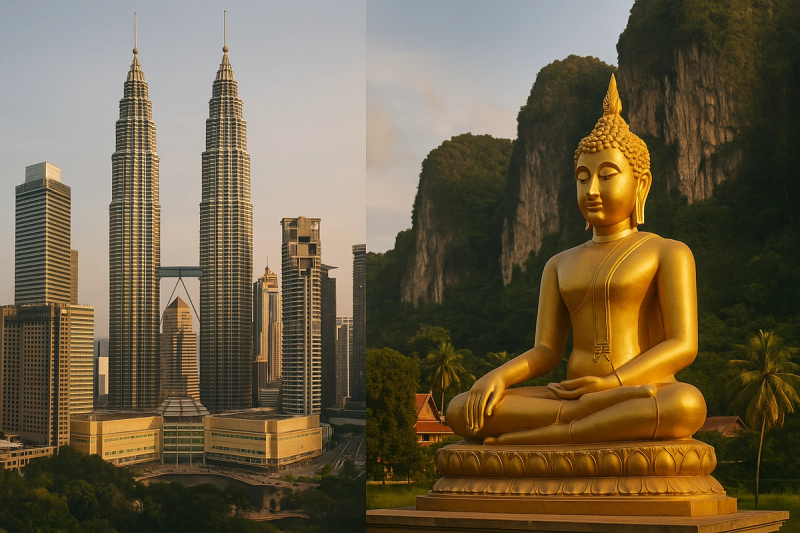
If you're an Indian traveler trying to choose between Malaysia and Thailand on a budget, uh, I get it. I’ve done both, on pretty normal middle-class trip budgets, not some influencer money setup where every meal is in a rooftop bar. And honestly? Both are good. Very good. But they feel different in ways that matter a lot when you’re paying from your own pocket, checking flight fares at 1:20 am, and calculating if that extra island tour means maggi for 5 days after coming home. This isn’t one of those “both are amazing in their own way” safe articles. I mean yes, they are, but for Indian tourists, especially first-timers, couples, friends, and even family groups, the better choice depends on what kind of budget trip you actually want.
For me, Malaysia felt easier in some ways, cleaner in many city areas, more straightforward for transport, and surprisingly comfortable for Indians because food, language support, malls, and general travel flow can feel less chaotic. Thailand, though... Thailand is where your money can stretch in fun ways if you do it smart. Street food, hostels, local transport, cheap massages, island deals, night markets, and all that energy — it can be addictive. But it can also get expensive real fast if you do the touristy things blindly. That’s the catch people dont always say out loud.
First things first: which one is cheaper overall?
#Short answer? Thailand is often cheaper day-to-day for backpacker-style travel. Malaysia can be better value for people who want comfort without too much planning. There’s a difference. In Thailand, I found cheaper hostels, cheaper local food in many places, and lots of budget tours. But once you add island transfers, entry tickets, airport taxis, and random “tourist pricing” stuff, the total can jump. Malaysia was a little more stable on the wallet. Not always dirt cheap, but less mentally exhausting. I wasn’t bargaining every second, and I didn’t feel like every activity was trying to upsell me.
If you want the lowest possible daily spend, Thailand usually wins. If you want a smoother, less messy budget trip where you still feel comfortable, Malaysia has a very strong case. That was my real takeaway.
Flight cost from India, and why this changes everything
#This part matters way more than blogs pretend. Sometimes your total budget is decided before you even land. From Indian cities like Chennai, Bengaluru, Kochi, Hyderabad, Mumbai, Delhi and Kolkata, both Malaysia and Thailand usually have strong flight connectivity, especially to Kuala Lumpur, Bangkok and Phuket. But fares swing a lot depending on school holidays, long weekends, visa demand, and route sales. I’ve noticed Kuala Lumpur deals can be really solid when booked early, while Bangkok and Phuket often look cheap at first and then baggage, seat selection, and weird timing make it more expensive. AirAsia, IndiGo, Thai AirAsia, Batik Air, Malaysia Airlines and others usually keep these routes active, so set fare alerts. Seriously, do this. One trip I got a much better KL fare than Bangkok and that alone changed my whole plan.
For budget Indian travelers, a decent return flight can often sit somewhere around ₹12,000 to ₹25,000 if booked smart, though peak periods can go beyond that. If you’re traveling around festivals, Christmas-New Year, Thai full moon periods, or major school vacation windows, expect pain. Proper pain. I’d say shoulder season is your best friend.
Visa, entry and practical stuff Indians actually care about
#One reason both these countries stay super popular with Indian travelers is that they’re not too intimidating. Entry rules do change from time to time, so always check official immigration or embassy websites before booking, but both destinations have kept trying to stay attractive for tourism. Malaysia has at times offered easier entry options or visa-free windows for Indians, and Thailand too has rolled out tourist-friendly policy changes in recent years. Don’t rely only on Instagram reels for this, please. Check current passport validity rules, proof of onward travel, hotel bookings, and if they ask for enough funds. Immigration officers don’t care that your cousin said “chill hai, ho jayega.”
As for safety, both are broadly tourist-friendly. I felt safe in Kuala Lumpur, Penang, Langkawi, Bangkok, Chiang Mai and even in the busier tourist zones, but basic precautions still matter. Watch out for scams around taxis, gem shops, fake tours, jet ski disputes, nightlife overcharging, and random tuk-tuk detours in Thailand. In Malaysia, scams felt less in-my-face to me, though you still shouldn’t act over-smart with cash, cards or luggage. For solo women travelers, I’ve heard good experiences in both, but common-sense travel habits matter a lot, especially late night transport and party areas.
Accommodation: where your rupees go further
#This is where things got interesting for me. In Thailand, especially Bangkok and Chiang Mai, it’s easy to find backpacker hostels, capsule-style stays, and budget guesthouses. A dorm bed may start roughly around ₹500 to ₹1,200 in many areas depending on season and how fancy the hostel is. Basic private rooms can be around ₹1,500 to ₹3,000, and decent mid-range hotels around ₹3,000 to ₹6,000. Islands are a different story. Phuket, Krabi, Koh Samui and party-heavy places can jump a lot, specially if you book late.
Malaysia felt a little different. In Kuala Lumpur, I found clean budget hotels and apartments with pretty good value, often around ₹1,800 to ₹4,500 for decent places if booked in advance. Hostels exist too, of course, but Malaysia somehow felt more suited to budget couples, families, and people who want AC, clean bathroom, nearby metro, and less compromise. Penang and Melaka also had lovely heritage stays if you book smart. Langkawi can be affordable, but beachside pricing can climb.
- Thailand wins for ultra-budget hostels and backpacker social scene
- Malaysia wins for comfortable budget hotels and easier family-friendly stays
- For couples from India doing a 5 to 7 day trip, Malaysia often feels less stressful on stay planning
Food: this is where Indians get very, very opinionated
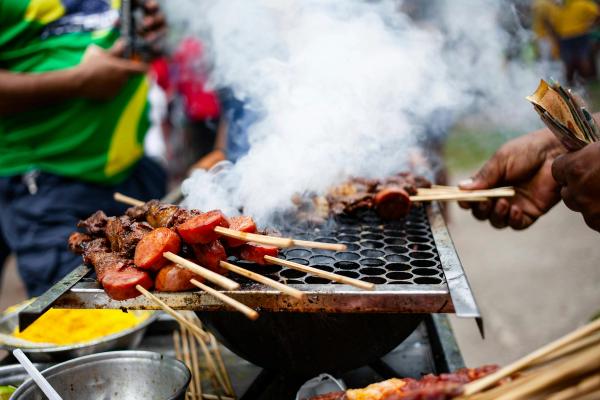
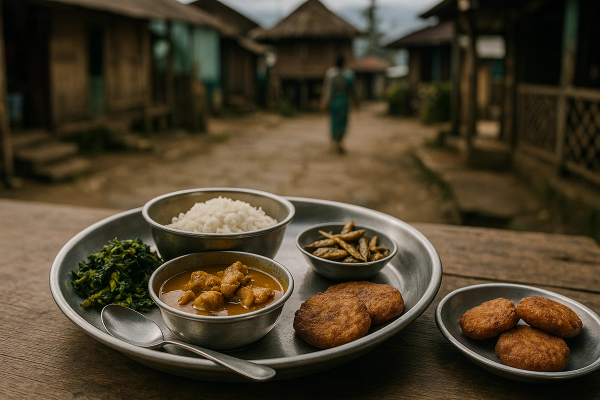
#Let’s be honest, half our trip mood depends on food. If we don’t eat well, everything feels expensive and annoying. In Thailand, I loved the food scene, but vegetarians may need to put in more effort unless they stick to Indian restaurants, selected veg-friendly cafes, or knowingly order local dishes with clear instructions. Fish sauce and shrimp paste sneak into things. A lot. If you’re non-veg, then Thailand is fantastic. Street pad thai, mango sticky rice, grilled meats, fried rice, soups, fruit shakes, cheap satay-style snacks — so much variety. Street meals can be incredibly budget-friendly, sometimes ₹100 to ₹250 equivalent for basic dishes in local areas, though tourist zones cost more.
Malaysia, on the other hand, felt easier for Indian tastebuds. Maybe because the food culture is this mash-up of Malay, Indian, Chinese influences, and in places like Kuala Lumpur and Penang, Indian food is everywhere. Proper everywhere. Banana leaf meals, dosa, roti canai, teh tarik, nasi kandar, biryani, vegetarian restaurants, even Jain-ish adjustments in some spots if you explain properly. I’m not saying local Malaysian food is “like India” — it isn’t — but for Indian travelers on a budget, the comfort level is high. And when you’re on day 4 and tired, that matters more than travel writers admit.
If you’re vegetarian or traveling with parents, Malaysia is usually easier. If you’re a foodie who wants cheap street food thrills and you eat non-veg comfortably, Thailand is hard to beat.
Transport and getting around without losing your mind
#Kuala Lumpur impressed me here. The public transport network — MRT, LRT, monorail, airport connectivity — is honestly pretty convenient once you get the hang of it. Grab works well too, and for Indians used to app cabs, that familiarity is nice. I spent less energy negotiating. Penang buses were decent for some routes, and Langkawi is more about renting a scooter or taking cabs. Overall, Malaysia felt system-based. Neater. More predictable.
Thailand depends heavily on where you are. Bangkok has the BTS, MRT, river ferries, buses, Grab/Bolt in some places, tuk-tuks, motorbike taxis, and enough options to confuse you before breakfast. It’s cheap if you know what you’re doing. It’s not cheap if you’re tired and keep taking tourist taxis. In Chiang Mai and island areas, transport can be affordable but less standardized. Shared songthaews, ferries, minivans, scooters — these save money, but they also need patience. I’m okay with that usually, but after one delayed ferry plus overpriced transfer combo in the south, I was like, bas bhai, enough adventure for today.
Best months to visit, because weather can ruin a “budget” trip
#People really underestimate this. Cheap deals during bad weather aren’t always deals. Thailand’s weather varies by region, so Bangkok, Chiang Mai, Phuket, Krabi, Koh Samui all have slightly different ideal windows. In general, the cooler and drier months are more pleasant, but also more expensive. Monsoon can mean lower hotel rates, yes, but also cancelled boat trips, rough seas, humidity that makes you question your life, and less island fun. If beaches are your priority, research by specific coast, not just “Thailand weather.”
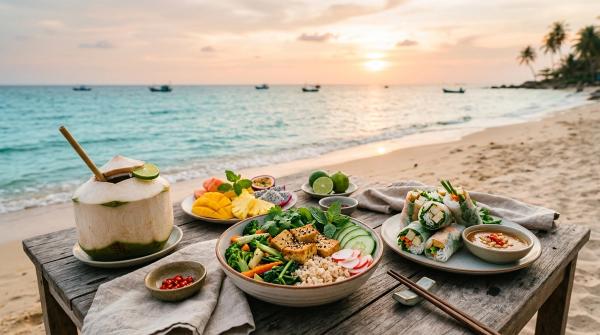
Malaysia is also split weather-wise. West coast spots like Langkawi, Penang and Kuala Lumpur have different best periods compared with east coast islands. Kuala Lumpur is fairly year-round with rain popping in and out. Penang too. Langkawi tends to be more comfortable in the drier stretch. The nice thing is Malaysia gives you city-plus-food-plus-sightseeing value even if one afternoon gets washed out. Thailand beach trips, meanwhile, can feel more weather-sensitive if that’s the main reason you went.
What felt more worth it for sightseeing?
#Thailand gives you bigger variety in one trip if you want temples, nightlife, markets, islands, massage, shopping, and cheap activities. Bangkok is intense and fun. Chiang Mai is calmer. Krabi is postcard pretty. Phuket is touristy but still enjoyable if you avoid the obvious traps. You can keep a Thailand trip super active from morning to night. Sometimes too active, honestly. I came back more tired than rested.
Malaysia felt a bit more underrated. Kuala Lumpur has iconic skyline stuff, Batu Caves, local neighborhoods, malls, food streets, museums. Penang has heritage charm, murals, street food, culture, cafes, temples all mixed together. Langkawi gives you beaches plus cable car and nature. Melaka is great for slow walking and history. Cameron Highlands is a nice switch if you want cooler air and tea estates. It’s not as “party and thrill” heavy as Thailand, but it has a calmer richness. I didn’t expect to enjoy Penang as much as I did, but wow, what a place.
- Choose Thailand if you want more action, nightlife, islands, markets and variety in one go
- Choose Malaysia if you want city comfort, easy food, culture, family-friendly pacing and less chaos
- Penang is one of the most budget-friendly satisfying places I’ve been to as an Indian foodie traveler
For shopping, SIM cards, cash and those hidden costs nobody warns you about
#Thailand is full of tempting little spends. Night markets, snacks, cheap clothes, random souvenirs, cannabis shops in some areas, boat add-ons, elephant sanctuary tours, massage every evening because “it’s cheap only” — then you total it up later and cry softly. Malaysia has malls, street markets and outlet shopping too, but somehow I spent in a more controlled way there. Maybe because the trip vibe itself was less impulse-heavy. SIM cards in both countries are easy to get at airports or city stores, but airport counters can cost extra, so compare before buying. eSIM options are getting more common too, and for Indian travelers that’s become super handy recently.
Cash versus card depends on destination style. Big cities in both countries take cards widely, but street food, local transport, markets, and small shops still need cash often. Also factor in travel insurance, international forex markup, airport transfer, and baggage fees. These tiny things quietly destroy budget planning. I now keep a separate “stupid expenses” envelope in my head for every trip, because there are always some.
Nightlife, alcohol and overall vibe — not for everyone, but worth talking about
#Thailand obviously has a more famous nightlife scene. Bangkok bars, Phuket beach clubs, Krabi pubs, Koh Phangan parties, Chiang Mai live music, cabaret shows — there’s something every night if you want it. This can be amazing with friends. It can also wreck your budget in 48 hours. Malaysia is more restrained overall, though KL definitely has nightlife and bars if that’s your thing. But the trip doesn’t revolve around it the same way. For some Indian travelers, especially families, newly married couples, or people who just want a peaceful holiday, Malaysia’s vibe can feel more balanced. Less pressure to “do” the night scene.
One more thing, cultural sensitivity matters. Dress appropriately at religious sites in both countries. Don’t be loud and cringe in temples or mosques just because it’s vacation mode. In Malaysia especially, some areas are more conservative than others, and it’s just basic respect. Indians usually understand this pretty well, but still, I’ve seen tourists act weird and then complain they got stared at. Like... come on.
My real recommendation depending on what kind of Indian traveler you are
#If you’re going with college friends, love street food, don’t mind a bit of chaos, want cheap fun, hostels, islands, nightlife, and you can handle flexible planning, Thailand is probably your winner. If you’re a couple who wants a clean, comfortable, not-too-complicated international trip with decent food options, smooth transport, city sightseeing and maybe one island stop, Malaysia might actually suit you better. For family trips with parents or kids, I’d lean Malaysia first unless your family is super into Thailand’s beach-and-market style.
For solo travelers, both work, but your personality matters. If you enjoy social hostels and meeting people, Thailand is easier. If you want more personal space, orderliness, and less pressure to party, Malaysia is lovely. For vegetarians, elderly parents, and those taking their first foreign trip from India, I’d say Malaysia has a softer landing. For repeat travelers who want more “fun per rupee”, Thailand wins. See? Slight contradiction maybe. But travel is like that. Depends what you value.
So... which one would I pick again on a budget?
#Honestly, if my budget was very tight and I was traveling with friends, I’d pick Thailand again and do it smartly — avoid overpriced islands, stay in local areas, use trains and public transport, eat street food, and not fall for every tour package. But if I had a moderate budget and wanted a smoother, more relaxing, more food-comfort kind of trip, especially with my wife or family, I’d choose Malaysia. I know that sounds annoyingly balanced, but it’s true. Thailand gave me more stories. Malaysia gave me less stress. Depends what stage of life you’re at, yaar.
One last practical tip. Don’t just compare countries, compare itineraries. A 5-day Kuala Lumpur + Penang trip and a 5-day Bangkok + Pattaya trip are completely different budget experiences. Same for Phuket vs Langkawi. Sometimes the country isn’t the expensive part — your route is. Plan around that and you’ll save way more than by obsessing over ₹100 meal differences.
If you want my plain final answer: for first-time Indian travelers on a budget, Malaysia is easier. For budget adventurers who want maximum excitement and don’t mind some messiness, Thailand is better. Neither is wrong. Just don’t copy someone else’s reel itinerary and expect magic. Do a little homework, keep buffer money, and leave room for random discoveries — that’s where the best bits happen anyway. And yeah, if you like travel comparisons like this, check out AllBlogs.in too, some pretty useful reads there.