I love food markets in a way that is probably a bit dramatic. Like, some people land in a new city and head straight for the cathedral or the beach, and I’m over there asking the taxi driver where the aunties sell the best grilled skewers at 9pm. Markets are where a city shows its real face: the fishmongers yelling, the fruit stacked in colors that look fake, the little plastic stools, the steam, the bargaining, the smell of herbs and fryer oil and sometimes, let’s be honest, a drain that has seen better days. But the thing is, loving markets doesn’t mean turning your stomach into a reckless science experiment. After getting food poisoning once in Vietnam years ago — my own fault, honestly, I ignored every red flag because the noodles looked incredible — I started traveling with a sort of mental food market hygiene checklist. Not a boring clipboard thing. More like a gut-instinct system, but with actual rules behind it.
And in 2026, food travel feels bigger than ever. Market tours are selling out, people are choosing cities because of street food scenes, and everyone from solo travelers to families are booking cooking classes, hawker walks, fermentation tastings, and those “eat like a local” nights where you end up in a back alley drinking something sour and bubbly that you can’t pronounce. Digital payments are everywhere now, QR allergy menus are popping up in more food halls, and vendors in popular spots are getting way more transparent about ingredients because travelers ask. Still, hygiene basics have not changed. Clean hands. Hot food hot. Raw and cooked kept apart. Safe water. Busy stalls. Your nose. Your eyes. Your common sense, which sometimes goes missing when you’re hungry.
The first rule: watch before you order, even if your stomach is shouting at you
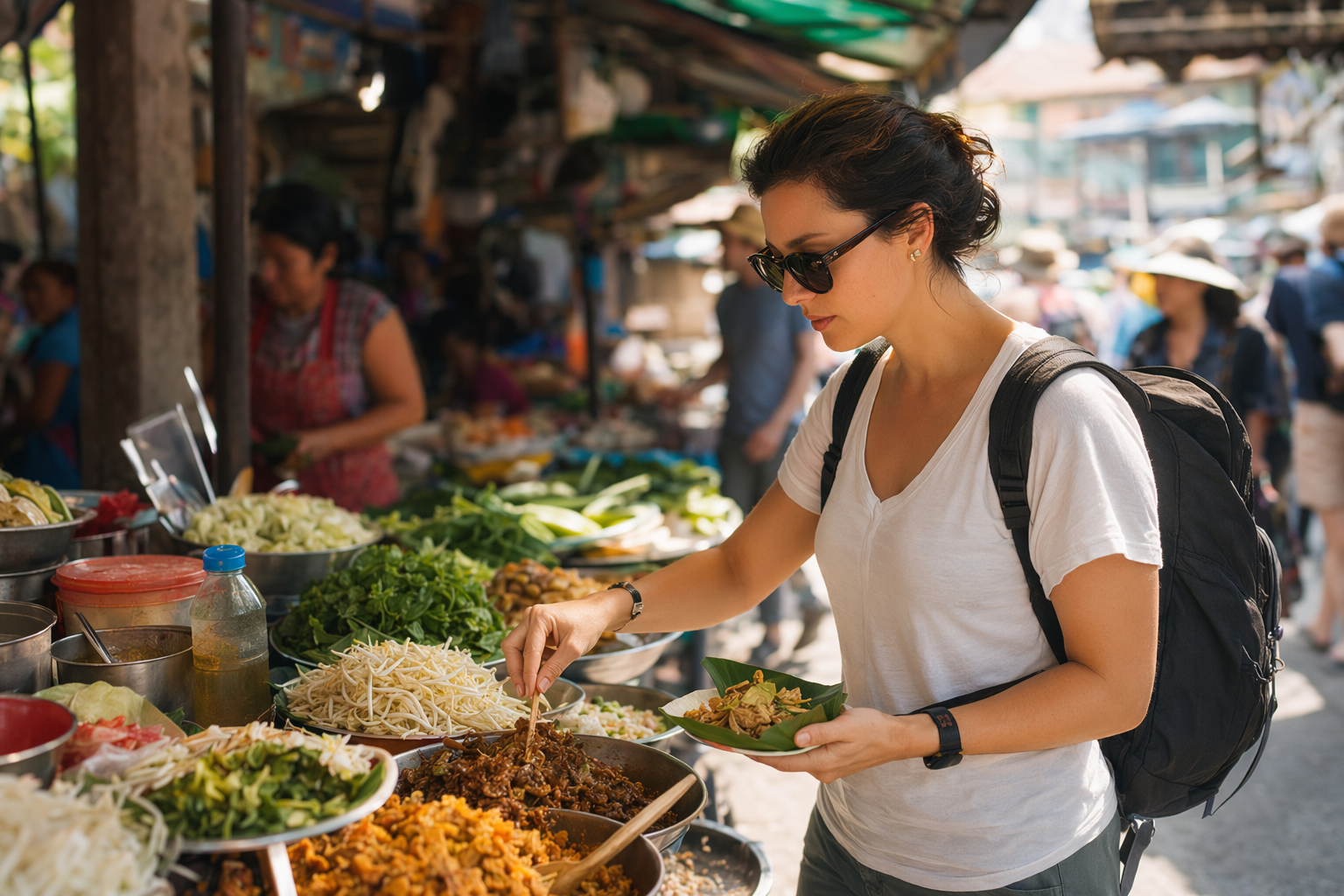
#I know this sounds painfully obvious, but I almost always do one slow lap around a market before eating. It’s my little ritual. I did it at Or Tor Kor Market in Bangkok, at Mercado de San Juan in Mexico City, in Kadıköy Market in Istanbul, at La Boqueria in Barcelona when it was crowded enough to make me regret having elbows, and in Singapore hawker centres where the hygiene grading signs make me weirdly happy. I look at what locals are buying, where the queue is moving, whether the vendor is relaxed or totally overwhelmed, and whether the food is being cooked fresh or just sitting there looking sad under a weak lamp. Sometimes the most Instagrammed stall is not the cleanest one. Sorry, but it’s true. And sometimes the tiny quiet stall with one grandmother making dumplings has the cleanest little setup you’ll see all week.
- If a stall is busy with locals and the food is turning over fast, that’s usually a good sign. Not perfect, but good.
- If cooked food is piled up lukewarm and nobody has bought any for ages, I keep walking. Even if it smells amazing.
- If the vendor handles cash, raw chicken, and your garnish with the same bare hands, nope. I’m not brave, I’m just hungry and sensible.
- If there’s a clear cooking station, clean-ish prep area, covered ingredients, and actual hand washing or gloves/tongs, I relax a bit.
My “hot, fresh, and in front of me” obsession
#This is probably my biggest travel food rule: I want to see the food being cooked. Not because I’m suspicious of everyone, but because heat is your friend. A very hot wok in Penang, a bubbling pot of soup in Seoul, tortillas puffing on a comal in Oaxaca, satay smoking over coals in Singapore, paniyarams popping out of a cast-iron pan in Chennai — that’s the good stuff. Food that comes straight from serious heat to your plate is usually safer than something that has been waiting around. The World Health Organization’s basic food safety advice is still the stuff I repeat in my head: keep clean, separate raw from cooked, cook thoroughly, keep food at safe temperatures, use safe water and raw materials. It’s not romantic, I know. But neither is spending two days in a hotel bathroom while your friends go eat grilled fish by the sea.
In Marrakech, I once stood in Jemaa el-Fnaa watching a vendor grill sardines so aggressively that sparks were flying and I thought, okay, we’re good here. He used tongs, the fish went straight from the ice box to the grill, then onto paper and into my hands with bread, lemon, and this cumin-chili salt I still dream about. Ten minutes later I saw another stall where cooked meat was sitting in a pile, not really hot, flies doing their own little food tour around it. Same square, totally different risk level. That’s what markets are like. You can’t judge a whole place. You judge stall by stall.
The hygiene checklist I actually use, not the one that sounds fancy in theory
#Okay, here’s the checklist, but not in a laminated travel nurse way. This is what I’m scanning for while pretending I’m just casually admiring mangoes. First, hands and tools. Does the person serving food use tongs, chopsticks, a ladle, gloves, or at least wash between tasks? Gloves are not magic, by the way. I’ve seen people wear gloves and then touch their phone, cash, raw meat, and the cooked food like the glove is a superhero cape. Second, temperature. Is hot food steaming or sizzling? Is cold seafood actually on ice? Third, separation. Raw chicken dripping near salad is a hard no. Fourth, water. Ice, rinsed herbs, fresh juices, chutneys, and cut fruit are where things get complicated. Fifth, the general vibe. If the cloth looks like it has cleaned every surface since 1998, I reconsider.
- Look at the vendor’s hands, tongs, knives, cutting boards, and money handling. A clean process matters more than a shiny stall sign.
- Choose food cooked to order when you can: noodles, soups, grilled meats, fried snacks, steamed dumplings, pancakes, anything that goes from heat to plate quickly.
- Be careful with raw salads, cut fruit, unpeeled garnishes, and sauces sitting out in the sun. Delicious, yes. Also sometimes risky.
- Check cold storage. Seafood, dairy desserts, raw meat, and fresh juices should look properly chilled, not just “vaguely cool.”
- Trust your nose. Sour milk, old oil, funky seafood, rancid nuts — your nose often knows before your brain admits it.
Water, ice, and the beautiful danger of fresh juice
#Fresh juice is my weakness. I will cross a street for pomegranate juice in Istanbul. I have emotional feelings about sugarcane juice in India with lime and ginger. In Mexico City, I once had a guava juice so good that I bought another one immediately and then had to waddle around Mercado Medellín like a full little penguin. But water and ice are where travelers get into trouble. In countries where tap water isn’t recommended for visitors, I ask myself: what water washed this fruit? What water made this ice? Is the blender being rinsed in clean water or just dipped in a bucket that has seen forty smoothies? Not every place is risky, and I don’t want to be paranoid, but I do pay attention.
My safer choices are usually whole fruit I peel myself, coconuts opened in front of me with a clean machete, hot tea or coffee, bottled drinks with intact seals, and juices from stalls that are clearly washing, peeling, and blending in a clean setup. In 2026 I’ve noticed more market stalls using sealed ice deliveries and filtered water signs, especially in tourist-heavy culinary destinations, but signs are just signs. Look at the process. I had the best orange juice of my life in Valencia from a market stall where the oranges were whole, the machine was spotless, and the cups were stacked covered. That felt fine. A mystery melon juice sitting uncovered in the heat? Mmm. Not for me, thanks.
Raw seafood, oysters, ceviche, and other things I love but approach like a cautious cat
#I am not going to tell you to avoid all raw seafood because that would be hypocritical. I’ve eaten oysters in Lisbon, ceviche in Lima, sea urchin in Japan, and shrimp aguachile in Baja that made me stare into space for a minute. But raw seafood is one of those foods where the margin for error is smaller. Freshness, temperature control, source, and handling matter a lot. In markets, I only eat raw seafood when the stall is clearly trusted, busy, cold, and specialized. Not a random table that also sells room-temperature chicken skewers and lukewarm custard. In Lima, for example, ceviche culture is serious and the best places move product fast. But even there, I look for fish kept cold, citrus added fresh, clean boards, and a crowd that seems local not just lost tourists following a flag.
Same with sushi counters in markets. In Tokyo, Osaka, Seoul, Singapore, places with strong food safety systems and high turnover can be incredible. But if I’m in a hot open-air market and the tuna looks tired, I walk away without guilt. Travel is not a dare. You don’t win a medal for eating the riskiest thing. Actually, you might win a fever, which is less cute.
Street food oil, smoke, and the “does this fryer look haunted?” test
#Fried food is often one of the safer market bets because, again, heat. But oil quality matters. Old oil smells heavy, bitter, almost paint-like sometimes, and it makes fried food taste flat and greasy instead of crisp. I learned this in Bangkok on a sweaty afternoon near Yaowarat, where two stalls were selling similar fried banana fritters. One had golden oil, fast turnover, crisp batter, and a line of office workers. The other fryer was dark as strong tea and the bananas looked like they’d given up on life. Guess which one I chose. The good ones came out crackly and sweet, with sesame in the batter, and I burned my tongue because patience is not my best skill.
Grilled foods have their own signs. I want meat cooked through, not charred outside and suspicious inside. I want separate tongs for raw and cooked if possible. I want the cooked skewers not returned to the same tray where raw marinade was sitting. In night markets from Taipei to Chiang Mai, you can usually spot the pros: organized trays, fast hands, clean brush for sauce, cooked skewers kept hot, and no raw juices dripping into places they shouldn’t. It’s like watching a tiny kitchen ballet, except with smoke in your hair.
Markets I’d go back to tomorrow, partly because they felt clean enough to relax
#Singapore’s hawker centres are still one of my favorite examples of how street-style eating and hygiene can work together. The stall grading, tray return culture, and constant turnover make it easier for nervous travelers to ease in. You still choose carefully, but it’s a softer landing. I love Maxwell Food Centre for chicken rice and Chinatown Complex for the sheer range, though I always check current stall hours because famous stalls go on break or close randomly and nobody tells your hungry soul. In Bangkok, Or Tor Kor is pricier than some markets but beautifully organized, with produce that looks like it has been polished by angels. Mexico City’s Mercado de San Juan is adventurous and exciting, but I’m more cautious there with raw items and go for cooked dishes unless I’m with a local guide I trust.
Istanbul’s Kadıköy Market is one of those places where I could spend a whole day grazing: olives, cheeses, simit, pickles, fish sandwiches, baklava, tea, more tea. The vendors are proud and usually happy to explain things if you ask politely. Barcelona’s La Boqueria is touristy, yes, and I complain about crowds every time, but early morning there can still be wonderful if you avoid the pre-cut fruit cups that have been sitting too long and instead go for fresh-cooked eggs, seafood from a busy bar, or jamón sliced to order. In 2026, I’m seeing more travelers combine classic markets with smaller neighborhood markets because people are tired of eating only where everyone else is filming. Honestly, thank goodness.
The little travel kit that saves me again and again
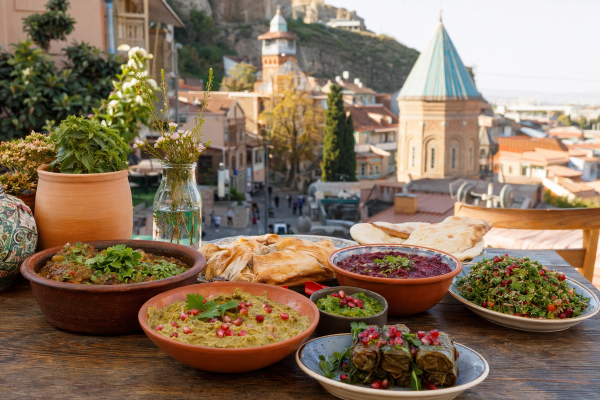
#I’m not a germaphobe, despite how this article may be making me sound. I’ve eaten soup from plastic bags, drank coffee on train platforms, and once accepted homemade pickles from a stranger on a bus in Georgia because life is short and she had kind eyes. But I do carry a tiny kit. Hand sanitizer, travel tissues, a small pack of wet wipes, oral rehydration salts, a reusable spoon or spork, and sometimes a collapsible cup. In 2026, with more markets encouraging low-waste eating and travelers caring about plastic reduction, carrying your own utensils is normal in lots of places now. Just don’t be rude about it. Some vendors have their flow and your fancy bamboo fork is not the main character.
I also keep stomach meds recommended by my doctor, and I buy travel insurance because I am an adult now, apparently. The oral rehydration salts are not glamorous, but they are the thing you want when you need them. Also, wash or sanitize your hands before eating. I know, I know, your mother told you. She was right. Markets are touchy places: railings, money, menus, fruit, your phone, your camera, your face because you’re sweating. Clean your hands before you grab that arepa or bao or taco. It takes ten seconds.
How I choose sauces, condiments, and all the tiny bowls of magic
#This is where I struggle because condiments are basically the soul of market food. The chili paste, the pickled onions, the green sauce, the fish sauce with lime, the crunchy garlic oil, the sambal that makes your forehead sparkle. But shared condiments can be risky if they’re sitting uncovered, diluted with unsafe water, or handled with dirty spoons. I prefer sauces that are cooked, bottled, or served fresh in small portions. If everyone is dipping into one communal bowl with spoons going in and out like a messy little swimming pool, I skip it. Sadly. Not always, but usually.
In Oaxaca, I had tlayudas with a salsa that came from a covered container and was spooned out by the vendor, and it was smoky and gorgeous. In Hanoi, I watched a bun cha vendor refresh herbs constantly and keep sauces moving fast, and I felt okay. In some places, though, the garnish tray looks tired: herbs wilting, lime wedges dry, chopped onions warm and uncovered. That’s when I eat the hot main dish and leave the raw extras. It feels wrong, because toppings make everything better, but my stomach and me have negotiated this peace treaty over many years.
Allergies, diets, and asking questions without being annoying
#One newer thing in food travel that I really appreciate is better ingredient communication. More market tours now include allergy notes, more food halls use QR menus, and some vendors in big culinary cities understand words like gluten-free, vegan, peanut, shellfish, dairy, and halal because travelers ask all day. But don’t assume. Markets are chaotic and cross-contact happens. If you have a serious allergy, printed translation cards are still gold. I’ve traveled with friends who carry cards explaining peanut allergy or celiac disease in the local language, and it changed everything. Vendors took them more seriously than a nervous tourist miming “no nuts” while pointing at a satay grill, which, um, is not a great plan.
For vegetarians and vegans, markets are easier and harder at the same time. There are more plant-based stalls now, especially in places like London, Berlin, Singapore, Bangkok, and Mexico City, and 2026 food travel is full of plant-forward eating, mushroom snacks, alt-protein tastings, and old-school vegetable dishes being celebrated properly. But broths, fish sauce, lard, shrimp paste, and shared grills hide everywhere. Ask. Smile. Accept that sometimes the answer is “no.” Then go find roasted corn, dosa, falafel, fruit, noodles, mezze, tofu, beans, or whatever the local safe option is. There is always something, though sometimes it takes a wander.
When to break the rules, and when not to be a hero
#Travel would be miserable if we treated every meal like a biohazard. Some of my best food memories were not perfectly sanitized. A bowl of boat noodles in Bangkok eaten shoulder-to-shoulder with strangers. A paper cone of fried anchovies in Naples. Steamed momos in Nepal with chile sauce that made me cough and laugh at the same time. A breakfast dosa in Bengaluru from a stall where the cook moved so fast I swear he had extra hands. You have to leave room for joy, for instinct, for saying yes when the place feels right even if it doesn’t look like a hotel buffet.
But don’t confuse adventurous with careless. If you’re pregnant, elderly, immunocompromised, traveling with small kids, or already feeling off, tighten the rules. Avoid raw seafood, unpasteurized dairy, undercooked eggs, questionable water, and anything that has been sitting out. If you have a long bus ride tomorrow or a flight in six hours, maybe don’t test the mystery shellfish. I’ve learned that one the hard way. There is no dish so good that it’s worth ruining three days of a trip. Well… okay, some dishes come close. But still, no.
My quick market hygiene checklist before I take the first bite
#- Is the stall busy enough that food is moving quickly, but not so chaotic that hygiene has collapsed?
- Can I see the food cooked fresh, steamed hot, fried crisp, grilled properly, or served from a boiling pot?
- Are raw and cooked foods separated, especially meat, seafood, eggs, and salads?
- Are hands, tongs, ladles, gloves, and money handled in a way that makes basic sense?
- Is cold food actually cold — on ice, in a fridge, or served immediately?
- Does the water situation seem safe for ice, juice, rinsed herbs, chutneys, and cut fruit?
- Does the stall smell fresh and appetizing, not sour, rancid, chemical, or fishy in the bad way?
- Do I feel good about it after watching for a minute, or am I trying to talk myself into ignoring obvious red flags?
Final bite: markets are worth it, just eat with your eyes open
#Food markets are still my favorite way to understand a place. You learn what people eat for breakfast, what they snack on after work, what spices matter, what fruit is in season, who has time to sit and who eats standing up, which flavors comfort people and which ones wake them up. In 2026, with culinary travel getting more local, more sustainability-minded, and honestly more crowded, markets are becoming both the attraction and the classroom. They’re where old recipes meet contactless payments, where grandmothers sell next to natural-wine pop-ups, where zero-waste stalls sit beside 80-year-old pickle shops. It’s messy and beautiful and not always perfectly clean. That’s real life.
So yes, carry sanitizer, watch the tongs, respect water safety, be picky with raw food, and choose the stall with steam and turnover. But also talk to vendors. Ask what’s best today. Eat the thing being made right now. Follow the smell of charcoal. Let yourself be surprised. The goal isn’t to eat fearfully; it’s to eat well and stay healthy enough to do it again tomorrow. And if you want more chatty food travel stories, market rambles, and practical guides that don’t suck the fun out of eating, have a look around AllBlogs.in — it’s the kind of place I’d browse before my next hungry little adventure.