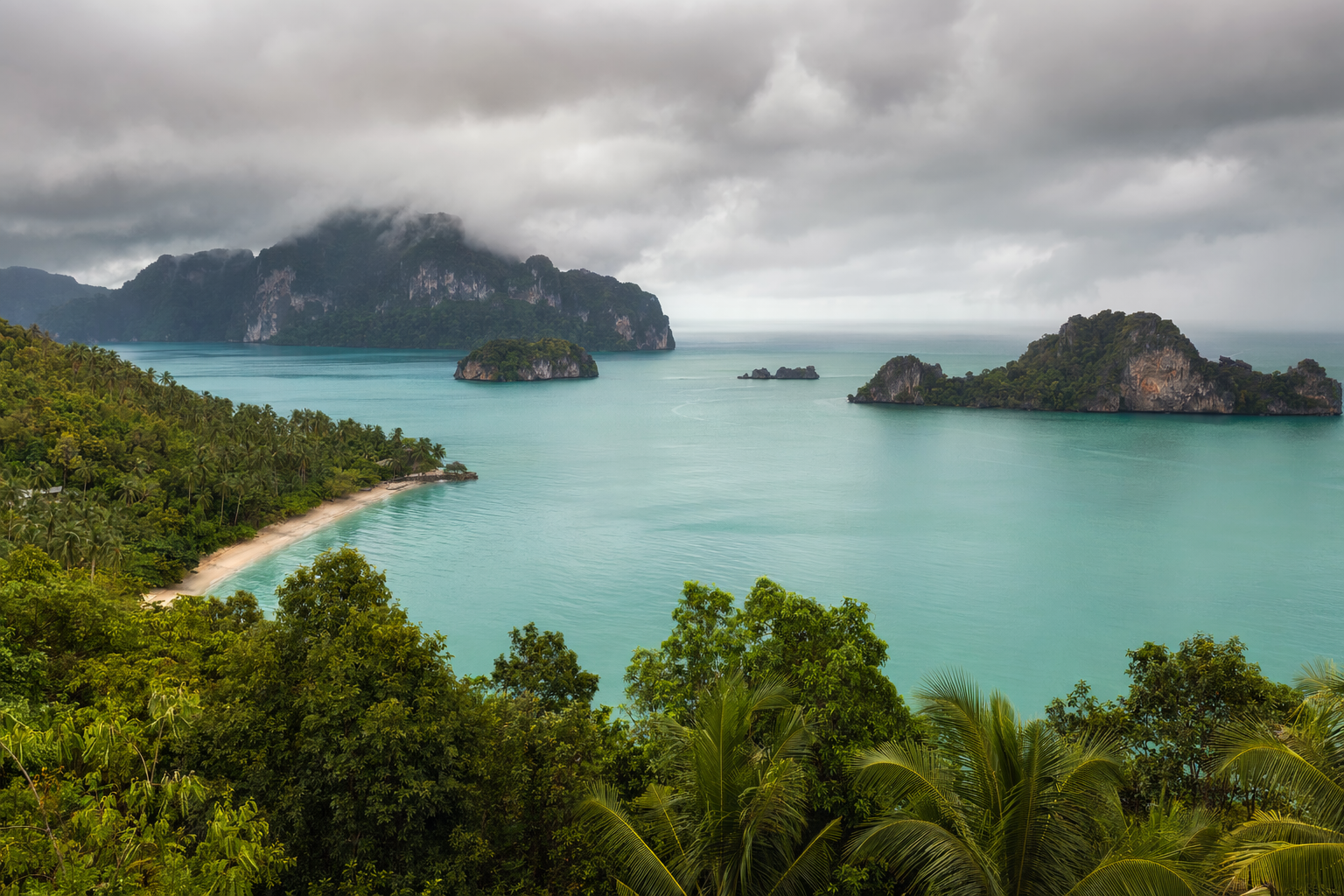
Rain in Thailand is not one thing, yaar — Phuket, Krabi and Koh Samui behave very differently
#If you’re sitting in India and planning a Thailand trip in monsoon, the first confusion is usually this only: Phuket vs Krabi vs Koh Samui in rainy season — which one will not ruin my holiday? I had the same doubt because from our side, we hear “Thailand rainy season” and imagine full Goa-style baarish, roads flooded, slippers floating, beach plans gone. But honestly, Thailand is not that simple. The rain comes in bursts, some islands get wet at different months, and sometimes the sky looks like end of the world at 3 pm and by 5 pm you’re eating mango sticky rice under a pink sunset like nothing happened.
For Indian travellers especially, we have this habit of squeezing everything in 5-6 days because leave approval is a whole project. So choosing the wrong base can be painful. Phuket is bigger and more convenient, Krabi is prettier in that raw limestone-cliff way, and Koh Samui is the clever option when Andaman side is getting hammered by monsoon. But each has its own catch. I’ll say it straight — there is no perfect rainy-season island. There is only a better island for your travel style, budget, and how much uncertainty you can handle without getting irritated.
First, understand the weather pattern before you book those cheap flights
#Phuket and Krabi are on Thailand’s Andaman Sea side, so their wetter months are generally May to October, with September and October usually being the moodiest. Koh Samui is on the Gulf of Thailand side, and it has a slightly different rain pattern. Samui often stays more usable during June, July and August, while its heaviest rain generally comes later, around October to December. This is the main reason many people pick Koh Samui for a mid-year Thailand beach trip.
But don’t take this like a school textbook rule. Weather in islands is funny. I’ve seen Phuket give clear blue mornings in rainy season and I’ve also seen boat trips in Krabi get cancelled because the sea was acting too filmy. Samui also can get sudden showers, no doubt. What matters more is this: in rainy season, you should plan flexible days, keep one or two backup indoor activities, and don’t book every boat tour in advance like a strict Excel-sheet uncle. Trust me, leave some space.
Rainy season in Thailand is not automatically bad. It’s cheaper, greener, less crowded, and sometimes more romantic also. But yes, it demands patience. If you want guaranteed postcard weather every single day, better choose dry season and pay dry-season prices.
My quick verdict: who should choose what?
#| Destination | Best for in rainy season | Main problem | My Indian-traveller feeling |
|---|---|---|---|
| Phuket | First timers, families, nightlife, shopping, easy transport | Some beaches can be rough, traffic, touristy pockets | Safest choice if you want convenience and Plan B options |
| Krabi | Nature lovers, couples, island views, quieter trip | Boat tours depend heavily on sea conditions | Most beautiful, but rain affects the dream itinerary more |
| Koh Samui | June-August beach trip, resorts, wellness, slower holidays | Flights can be costly, island is spread out | Best weather gamble for Indian summer holidays, but not always cheapest |
Phuket in rainy season: convenient, chaotic, and honestly quite forgiving
#Phuket is the easiest answer when someone asks me, “Bro Thailand first time, rainy season mein jaana hai, okay?” Because even if the beach weather fails, Phuket doesn’t collapse. You still have Old Phuket Town, cafes, night markets, malls, spas, cooking classes, temples, viewpoints, beach clubs, Muay Thai shows, and enough Indian restaurants for that one friend who wants dal after two days of Thai food. It’s not my most peaceful Thailand place, but it’s practical. Very practical.
During wet months, Patong can feel too much — neon, traffic, party crowd, massage boards everywhere, and rainwater shining on the road like some Bollywood set. If you want nightlife, stay there only. But if you want a nicer beach vibe, I prefer Kata, Karon, Kamala, Nai Harn or Rawai side. Ao Yon is also lovely and calmer, though less happening. Phuket Old Town is perfect for rainy afternoons, with those Sino-Portuguese buildings, cute cafes, Thai tea, and weekend market scenes if weather supports. Btw, Old Town is one place where rain actually looks nice in photos, those colourful walls and wet streets, full vibe.
Beach safety is the serious part. In monsoon, west-coast beaches like Patong, Karon and Kata can have strong waves and rip currents. If you see red flags, don’t be that overconfident Indian guy saying “main swimming champion hoon”. Just don’t enter. Lifeguards are there at many popular beaches, but conditions change fast. I saw people standing knee-deep and still getting pulled sideways, and it looks funny until you realise it’s dangerous. For families with kids, choose hotels with good pools so nobody feels cheated when sea swimming is not possible.
Phuket hotels and prices in wet season
#Rainy season is where Phuket becomes value-for-money. Typical backpacker hostels can be around THB 300-700 per bed depending on area and quality. Simple guesthouses or budget hotels often sit around THB 800-1,500. Decent mid-range hotels with pool can be THB 1,500-3,500, and nice resorts may drop to THB 4,000-8,000 or more depending on brand and beach. In INR, just use rough conversion in your head and check live rates because exchange rates and hotel demand keep changing. Indian long weekends and school holidays can still push prices up, especially in better family resorts.
My tip: don’t blindly choose the cheapest room far inland unless you’re renting a scooter or okay with taxis. Phuket is big. Like, bigger than many people expect. Grab and Bolt work in many areas, but fares add up, especially if you’re doing Patong to Old Town to Rawai type movement. If you’re not comfortable riding a scooter in rain — and honestly, many of us overestimate ourselves — stay near your main interest area.
Krabi in rainy season: insanely pretty, but slightly risky for island-hopping dreams
#Krabi is the place that makes you say “arre wah” without trying. Those limestone cliffs near Railay, the longtail boats, green water, dramatic sky — full screensaver material. But rainy season in Krabi is tricky because so many bucket-list activities depend on boats and sea conditions: Four Islands tour, Hong Island, Phi Phi from Krabi, Railay transfers, kayaking, snorkelling. If the sea is rough, operators may cancel, delay, or change plans. And they should. Safety first. A cheap tour is not worth one scary boat ride.
Ao Nang is the most convenient base. Lots of food, tour counters, massage shops, cafés, Indian food, and you can decide plans after checking weather. Railay is more beautiful and romantic, but in heavy rain it can feel a bit cut-off because access is by boat only. For a honeymoon or slow trip, Railay is magic. For first timers who need flexibility, Ao Nang is easier. Krabi Town is cheaper and more local, good if you’re doing night markets and don’t need beach outside your hotel.
One thing I liked about Krabi in wet weather is the greenery. It becomes this deep, glossy green, like someone increased saturation. Tiger Cave Temple is possible if rain pauses, but the climb is not a joke. Emerald Pool and Hot Springs are nice too, though trails can be slippery and weekends get busy. Kayaking around Ao Thalane can be beautiful in cloudy weather, but again, check conditions. If you’re the kind who gets sad when one tour cancels, Krabi may frustrate you. If you can sit with coffee and watch cliffs disappear into mist, you’ll love it.
Krabi stay costs and Indian food situation
#Krabi usually feels cheaper than Phuket. Hostels may be around THB 250-600, budget rooms around THB 700-1,400, mid-range pool hotels around THB 1,300-3,000, and fancier resorts can go from THB 3,500 upward. Ao Nang has enough Indian restaurants, including North Indian and halal-friendly options, but prices are higher than Thai local food. Vegetarian travellers can manage, but say “jay” for vegan/vegetarian style or clearly mention no fish sauce, no oyster sauce, no meat. Thai veg food is not automatically vegetarian by Indian standards, this lesson comes fast.
Food-wise, Krabi night markets are fun. Roti pancakes, pad Thai, grilled corn, coconut ice cream, fruit shakes — all easy wins. If you eat seafood, rainy season still gives good meals, but don’t judge a place only by fancy décor. Some small family-run Thai restaurants make the best curry. I had a green curry once near Ao Nang that looked simple but hit like ghar ka comfort food, except coconutty and spicy in a different way. Also, carry ORS or basic meds from India. Not because food is unsafe, but because humidity plus spicy experiments plus Chang beer can make stomach do politics.
Koh Samui in rainy season: the smarter pick for June-August, but not a budget miracle
#Koh Samui is where many Indian travellers get surprised. We assume Phuket and Krabi are the main Thailand beach options, but Samui has its own charm — palm trees, calmer resort life, yoga-wellness crowd, beach bars, waterfalls, night markets, and ferry access to Koh Phangan and Koh Tao. During June to August, when Andaman side can be wetter, Samui often becomes the better beach bet. Not guaranteed sunshine every day, but better odds in many cases.
The catch? Getting there can be more expensive. Direct flights into Samui are usually costly because the airport is limited and very resort-island type. Many budget travellers fly to Surat Thani or Nakhon Si Thammarat, then take bus plus ferry to Samui. It saves money but takes time, and in rain it can feel tiring. From India, most routes connect through Bangkok, Kuala Lumpur or Singapore depending on airline and fare. If you’re going with parents or kids, paying extra for easier connections may be worth it. If you’re backpacking, ferry combo tickets are fine, just keep buffer.
For areas, Chaweng is lively and has the best nightlife, but can feel commercial. Lamai is slightly more relaxed. Bophut/Fisherman’s Village is my favourite for evening walks and food, very pretty without being too mad. Maenam is quieter and good for budget stays. Choeng Mon suits families and couples who want a calmer beach. In rainy season, don’t only ask “which beach is famous?” Ask: where will I be comfortable if it rains for half a day? That question changes everything.
Samui prices, transport and what to do when it rains
#Samui accommodation has a wide range but can feel pricier than Krabi. Hostels may be THB 350-800, simple rooms THB 900-1,800, good mid-range resorts THB 2,000-5,000, and beach resorts can go much higher. Because the island is spread out, transport matters. Songthaews run on main roads but are not always convenient late at night. Taxis can be expensive. Scooters are common but wet roads, sand patches and hilly turns are not beginner-friendly. Please take proper travel insurance and don’t ride without helmet. Thailand hospitals are good, but bills are not cute.
Rainy-day Samui is not boring if you choose well. Thai massage, cafes in Fisherman’s Village, Central Samui mall, cooking classes, temples like Big Buddha and Wat Plai Laem, Secret Buddha Garden, and waterfall visits when conditions are safe. Waterfalls can be powerful after rain but paths get slippery, so proper footwear helps. Also, if you’re planning Koh Tao snorkelling or diving, sea visibility depends on conditions. Operators usually know best, so listen to them instead of forcing the plan because you paid advance.
So which is best month-wise: Phuket, Krabi or Koh Samui?
#If you’re travelling from India in May, June, July or August, Koh Samui often has the best weather logic among the three. Phuket can still work because it has many non-beach backups. Krabi is beautiful but more dependent on tours, so keep extra days. September and October are usually the riskiest for Phuket and Krabi because Andaman rains can be heavier. For Samui, October to December can be wetter, so don’t blindly shift there without checking the month. January to March is generally safer for all three, but then prices and crowds go up.
This is similar to planning Indian monsoon trips also. Like when we choose between Lonavala, Matheran, Mahabaleshwar, Coorg — we don’t just ask “will it rain?” We ask whether transport will work, whether views are worth it, and whether the stay is comfortable if we’re stuck indoors. I had the same thought while reading about Matheran in July: Toy Train, Rainy Walks and Car-Free Weekend Tips, because rainy travel is always about expectations, not just weather apps.
- For first-time Thailand with parents or kids: Phuket is easiest, especially if you choose a hotel with pool and nearby food.
- For couples who want dramatic scenery and don’t mind plan changes: Krabi is the most romantic, no argument.
- For June-August beach holiday with better sunshine odds: Koh Samui is usually the smart pick.
- For budget travellers: Krabi often wins on stay cost, but Phuket may have cheaper flights and more transport options.
- For nightlife: Phuket first, Samui second, Krabi more chilled.
Transport from India and between these places — don’t underestimate travel time
#From India, Phuket is usually the most straightforward because it has an international airport and more flight options via Bangkok, Kuala Lumpur, Singapore and sometimes seasonal/direct routes depending on airline schedules. Krabi also has an airport, but fewer international connections, so many people fly into Phuket and travel onwards by road or ferry. Phuket to Krabi by road takes roughly 3 hours or so depending on traffic and where you start. Ferries exist in season and weather permitting, but in rainy season I prefer road unless the sea is clearly calm.
Koh Samui is a different circuit. You either fly into Samui, or do the cheaper Surat Thani airport plus bus-ferry combination. Phuket/Krabi to Samui overland is doable but tiring — van/bus across the peninsula, then ferry. It can eat almost a full day. If your Thailand trip is only 5 nights, please don’t try doing Phuket + Krabi + Samui together in rainy season. It sounds exciting while planning in Google Maps. On ground, it becomes luggage, waiting, wet clothes, ferry timings, and one person in the group saying “maine bola tha na”.
For entry rules, Indian passport holders have had easier Thailand entry in recent times, including visa-exemption arrangements, but policies can change. Before booking, check the official Thai visa/embassy updates, passport validity, return ticket, accommodation proof, and cash/card requirements. Immigration is usually smooth if documents are clear. Don’t depend on random reels for visa info, seriously.
Food, culture and small local things Indian travellers should know
#Thailand is very comfortable for Indian travellers, but it’s still another country with its own manners. At temples, cover shoulders and knees. Don’t touch people’s heads, don’t point feet at Buddha images, and remove shoes where needed. Bargaining is okay in markets but don’t make it insulting. Thai people are generally polite and soft-spoken, so our Indian volume can sound aggressive even when we’re just discussing normal things like cab fare. I had to remind myself also, many times.
Food is the easiest joy. In Phuket, you get everything: Thai, Indian, Arabic, Italian, street food, mall food. Krabi has simpler but good food around Ao Nang and night markets. Samui has a nice mix, especially around Fisherman’s Village and Chaweng. For vegetarians, say clearly: no meat, no chicken, no seafood, no fish sauce. For Jain food, Indian restaurants are safer, but message/call ahead. 7-Eleven is everywhere and becomes your rainy-season best friend — toasties, coffee, water, ponchos, basic snacks. Not healthy exactly, but useful.
A small money tip: carry some Thai Baht cash, but don’t carry too much. Cards work in many hotels and restaurants, but small shops, local taxis and markets prefer cash. ATMs charge withdrawal fees. Currency exchange rates vary, and airport counters are not always best. I usually keep a mix — some baht from India or airport for first day, then exchange in town if needed. Also, don’t forget power adapter, quick-dry clothes, waterproof phone pouch, and a light rain jacket. Umbrella is okay, but wind near beaches can make it useless and funny both.
Rainy season packing: boring stuff that actually saves your trip
#Packing for Thailand monsoon is not about carrying a huge suitcase. It’s about smart, quick-dry, washable things. Cotton clothes feel nice but take forever to dry in humid rooms. Carry dry-fit tees, shorts, one decent outfit for nice dinner, swimwear, flip-flops, and one pair of grippy sandals or shoes. If you’re doing temples, pack a light scarf or loose pants. Laundry is easy and cheap in tourist areas, so don’t overpack like we Indians usually do for “just in case” situations.
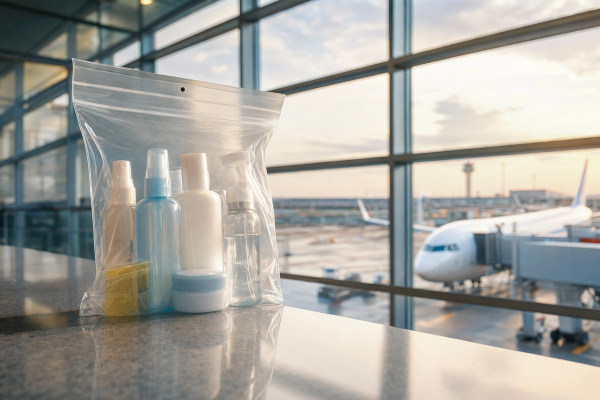
Rain cover for backpack, ziplock bags, waterproof pouch, extra plastic bag for wet clothes, and mosquito repellent are very useful. Sunscreen still matters even on cloudy days. I know it sounds strange when it’s raining, but tropical sun comes suddenly and burns fast. For medicines, carry your basic kit: paracetamol, stomach meds, ORS, motion sickness tablet if boats make you uneasy, band-aids. Travel insurance is not optional in my opinion, especially if you may ride scooters or take boat trips.
Choosing the right stay location matters as much as packing. It’s like our Indian hill-station monsoon logic — market area gives food and access, valley-view gives mood but sometimes isolation. Same thinking applies here. This is why guides like Where to Stay in Mahabaleshwar in Monsoon: Market, Panchgani Road or Valley View? make sense even for Thailand planning, because rainy destinations punish bad location choices more than dry-season destinations.
My honest comparison: beauty, budget, safety and overall vibe
#If I rank purely by natural beauty, Krabi wins for me. Those cliffs and longtail boats have something special, even under grey skies. If I rank by convenience, Phuket wins. If I rank by rainy-season strategy for June to August, Koh Samui gets the advantage. For budget, it depends — Krabi hotels can be cheaper, Phuket flights can be cheaper, Samui transport can be expensive. For families, Phuket or Samui. For honeymoon, Krabi or Samui. For party, Phuket. For slow healing-type holiday where you do yoga, massage, beach walks and read a book you may or may not finish, Samui.
Safety-wise, all three are generally tourist-friendly, but rainy season adds specific risks: rough seas, slippery steps, scooter accidents, sudden downpours, and tour cancellations. Always check weather warnings locally. Don’t pressure tour operators to go out when they say no. If a beach has red flags, stay out. If roads are wet and you’re not an experienced rider, use taxi/Grab/Bolt/songthaew instead of scooter. And please, passport stays in hotel safe, carry a copy. Basic but people forget.
- Choose Phuket if you want the least risky overall plan with shopping, nightlife, food variety and backup options.
- Choose Krabi if your heart wants scenery and you’re okay with flexible island-hopping plans.
- Choose Koh Samui if you’re travelling around June-August and want better weather odds, resort comfort and a slower island feel.
A practical 6-night rainy-season plan, if you ask me
#If I had 6 nights and wanted minimum stress, I’d do only one region properly. For Phuket: 3 nights Kata/Karon or Kamala, 2 nights Old Town/Rawai side, 1 buffer night near airport if flight is early. Do beaches in the morning, Old Town and spa when it rains, and keep one boat trip optional. For Krabi: 4 nights Ao Nang, 2 nights Railay only if weather looks okay and you don’t mind boat transfers. Keep Hong Island or Four Islands flexible, not fixed like shaadi function timing. For Samui: 3 nights Bophut or Chaweng, 2 nights Lamai/Maenam, 1 flexible night depending on ferry/flight plan.
If you really want Phuket + Krabi, do it by road and keep at least 7 nights. Phuket + Samui or Krabi + Samui needs more time because transfers are long. Don’t do three islands in one short trip, especially in rainy season. Instagram will show you perfect reels, but it won’t show you waiting at ferry pier with damp backpack and one missing slipper. Real travel has these scenes also.
Final answer: Phuket vs Krabi vs Koh Samui in rainy season
#My final take is simple. Phuket is the safest all-rounder. Krabi is the prettiest but weather-sensitive. Koh Samui is the smart seasonal pick, mainly for June to August, though it can cost more to reach. If you’re travelling with family or first time abroad, pick Phuket. If you’re going as a couple and can handle changes, pick Krabi. If your dates fall in Indian summer holidays and you want better beach chances, seriously consider Koh Samui.
Rainy season Thailand can be beautiful if you don’t fight it. Wake up early, do outdoor plans before afternoon showers, keep one indoor backup daily, book refundable stays where possible, and don’t obsess over weather apps every 10 minutes. Some of my favourite Thailand moments were not the perfect sunny ones — they were sitting under a tin roof with hot Thai tea, watching rain hit the sea, thinking okay, this is also a holiday. Different, but still lovely.
And haan, if you’re planning more monsoon or beach trips from an Indian traveller’s point of view, keep checking AllBlogs.in. I keep finding nice practical travel reads there, the kind that don’t pretend every trip is perfect but still make you want to pack your bag and go.