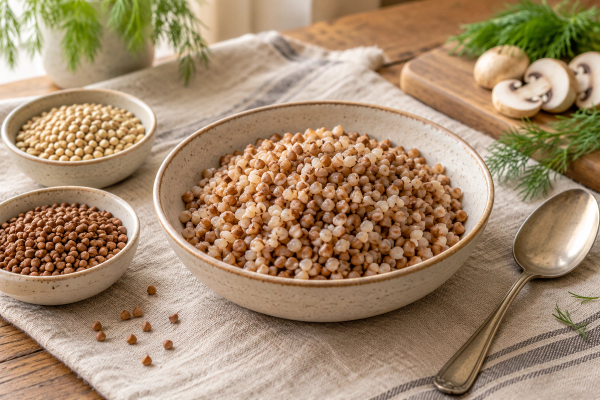
Horse gram is one of those humble, earthy ingredients that quietly does a lot of work in Indian kitchens. Depending on where you live, you may know it as kulith, hurali, kollu, kulthi, or by another local name.
If the different names are confusing, this AllBlogs guide on horse gram in Hindi and regional names will make it clearer.
But once you bring horse gram home, the real kitchen questions begin.
Should you soak it?Can you sprout it?Are horse gram sprouts okay to eat raw?Or should kulith sprouts always be cooked?
Let’s keep this simple and practical.
Quick Answer: Are Horse Gram Sprouts Safe to Eat?
#Yes, horse gram sprouts are safe to use in food, but only when they are handled cleanly and cooked properly.
Here are the main rules:
- Soak horse gram for at least 12 hours before sprouting.
- Rinse and drain well during the sprouting process.
- Do not eat horse gram sprouts raw.
- Cook sprouted horse gram until tender before adding it to usal, curry, saar, stir-fry, or warm salads.
- Throw away sprouts if they smell sour, feel slimy, or show mold.
- Be extra careful in summer and monsoon, when sprouts can spoil quickly.
The easiest rule to remember is this:
You can sprout horse gram, but cook it before eating.
Horse Gram Sprouts vs Regular Cooked Horse Gram
#Horse gram can be cooked in two common ways.
You can soak the dry grain and cook it directly. Or you can soak it, sprout it, and then cook it. Both methods work, but the result is slightly different.
Cooked Unsprouted Horse Gram
#Regular horse gram is quite hard and dense. It usually needs a long soak and proper pressure cooking. If your kulith stays chewy even after cooking, it is usually because it was not soaked long enough, not cooked long enough, or the grain was old.
For a detailed method, read this AllBlogs guide on how to cook horse gram soft with soaking and pressure cooking.
Cooked unsprouted horse gram is great for:
- Kulith dal
- Kollu rasam
- Horse gram curry
- Kulith pithla-style dishes
- Soups and broths
- Dry stir-fries after boiling
Sprouted Horse Gram
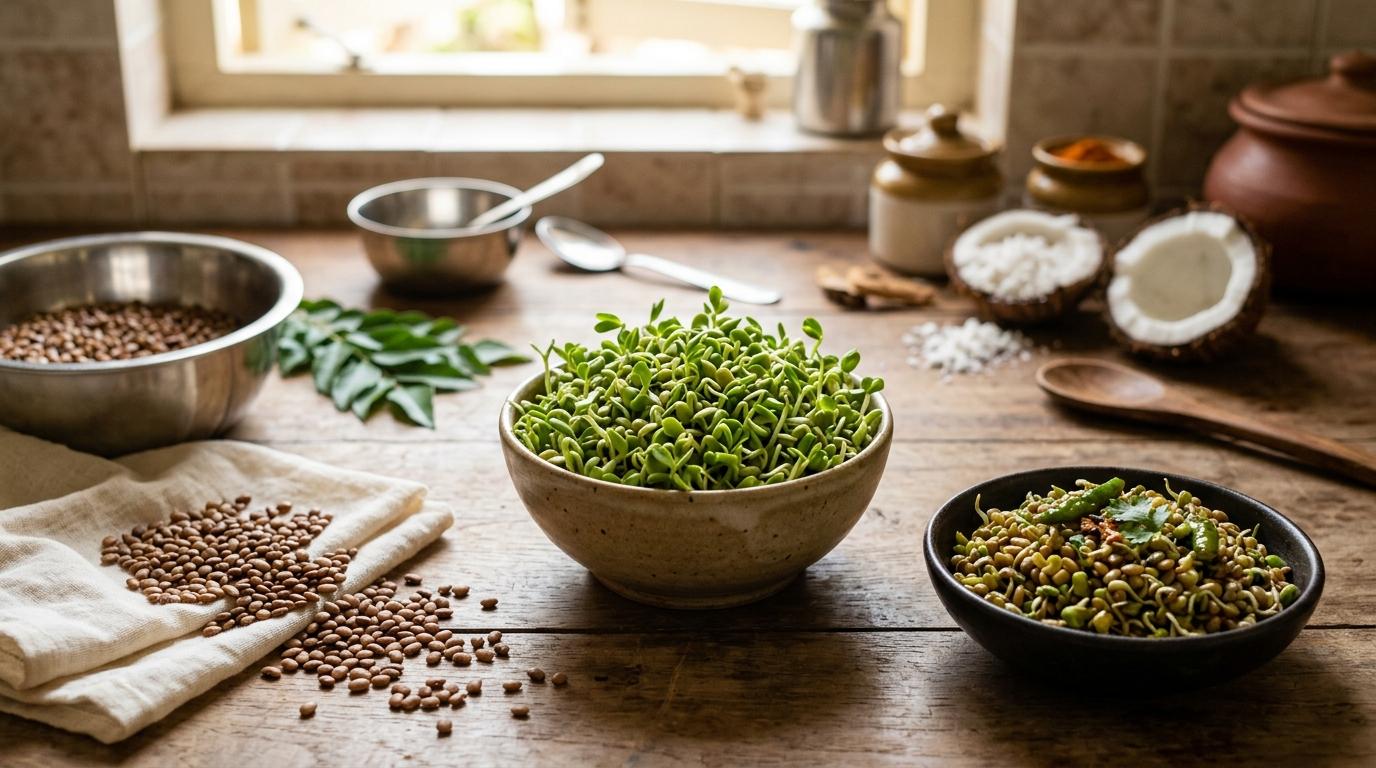
#Sprouted horse gram is simply horse gram that has been soaked and kept damp until tiny shoots appear.
Sprouting changes the grain a little. It can make the texture feel slightly lighter and fresher in cooked dishes. But it does not make horse gram soft enough to eat raw.
Sprouted horse gram works beautifully in:
- Kulith usal
- Sprouted horse gram curry
- Warm cooked salads
- Coconut-based gravies
- Mangalorean-style dishes
- Simple tadka-style stir-fries
Sprouted horse gram may cook a little faster than dry horse gram, but it still needs proper cooking. Don’t treat it like moong sprouts or salad sprouts.
How to Sprout Horse Gram at Home
#If you are wondering how to sprout horse gram, don’t worry. The process is simple. You just need clean utensils, enough soaking time, and a bit of patience.
What You Need
#- Whole horse gram, or kulith
- Clean water
- A bowl
- A clean muslin or cotton cloth
- A colander or sieve
- A plate or loosely covered container
Step 1: Sort the Horse Gram
#Spread the dry horse gram on a plate and check it carefully.
Remove:
- Small stones
- Dusty bits
- Broken grains
- Shriveled grains
- Anything that looks unusual
Horse gram is often a rustic pantry ingredient, so this step is worth doing properly.
Step 2: Wash It Well
#Wash the horse gram 3 to 4 times, or until the water looks much cleaner.
Rub the grains gently between your fingers while washing. This helps remove dust and dirt from the surface.
Step 3: Soak for 12 to 15 Hours
#Put the washed horse gram in a large bowl and add plenty of fresh water. The grains will absorb water and swell, so don’t use a small bowl.
Soak for 12 to 15 hours.
Horse gram has a firm outer coat, so a short soak usually does not work well. If your kitchen is cool, sprouting may take longer. If the weather is hot, don’t leave the soaked grain forgotten for too long, because it can start smelling off.
Step 4: Drain and Rinse
#After soaking, discard the soaking water.
Rinse the soaked horse gram again with fresh water and drain it well. The grains should be moist, not sitting in water.
For sprouting, damp is good. Waterlogged is not.
Step 5: Tie in a Clean Damp Cloth
#Transfer the drained horse gram to a clean, damp muslin or cotton cloth.
Tie it loosely. The grains need a little space to breathe and expand.
Place the cloth bundle in a colander or sieve, with a bowl underneath to catch any dripping water. You can cover it lightly with a plate if you like.
Step 6: Keep It in a Warm, Shaded Place
#Keep the bundle in a warm, shaded corner of the kitchen.
Avoid direct sunlight. Also, don’t seal the sprouts tightly in an airtight box while they are sprouting. Too much trapped moisture and poor airflow can make sprouts spoil faster.
Step 7: Check After 24 Hours
#In many kitchens, tiny sprouts appear within 24 to 36 hours. Sometimes horse gram takes longer, especially if the weather is cool or the grain is old.
If the cloth feels dry, sprinkle a little clean water on it. If it feels too wet, open it for a few minutes, let some moisture escape, and tie it again.
Step 8: Stop When Small Shoots Appear
#You don’t need long sprouts. Small white shoots are enough for most Indian recipes.
Once you see small sprouts, rinse them gently, drain them very well, and either cook them immediately or refrigerate them for a short time.
Can You Eat Horse Gram Sprouts Raw?
#No. It is better to avoid raw horse gram sprouts.
This is the most important point when talking about horse gram sprouts safety. Horse gram is a firm legume, not a soft salad topping. Even after sprouting, it remains quite sturdy and needs cooking.
Raw or undercooked horse gram can feel heavy on the stomach for many people. Also, sprouts grow in warm and moist conditions. Those same conditions can allow unwanted bacteria or spoilage to develop if hygiene is not good.
So if you are asking, can you eat horse gram sprouts raw, the practical answer is:
No. Cook them until tender before eating.
This applies even if the sprouts look fresh and smell fine.
How to Cook Horse Gram Sprouts Safely
#Once your horse gram has sprouted:
- Rinse the sprouts well.
- Drain them properly.
- Add them to a pressure cooker or pot with fresh water.
- Cook until the grains are tender.
- Use the cooked sprouts in your recipe.
You can pressure cook them for usal and curries. You can also boil them in a pot if you want to keep checking the texture.
Cooking time depends on the age of the grain, soaking time, sprout length, and the vessel you use.
The best test is simple: cooked kulith should not be hard in the centre.
Raw Sprouts Safety Cautions
#Sprouts look fresh and healthy, but they need careful handling. This is true for many sprouts, and it is especially important for firm legumes like horse gram.
Follow these basic safety tips:
- Use clean bowls, cloths, and utensils.
- Wash your hands before touching soaked or sprouted grains.
- Do not sprout grains that smell musty or look damaged.
- Do not leave sprouts wet for too long.
- Do not taste sprouts if they smell wrong.
- Do not mix a fresh batch with an old doubtful batch.
- Cook the sprouts before eating.
If you are sprouting during hot or rainy weather, this AllBlogs guide on sprouts in summer and monsoon, safe or risky in India is worth reading.
Spoilage Signs: When to Throw Horse Gram Sprouts Away
#Do not try to rescue spoiled sprouts by washing them again or cooking them longer. If they have gone bad, throw them away.
Discard horse gram sprouts if you notice any of these signs.
1. Sour or Rotten Smell
#Fresh sprouts should smell mild and earthy. A strong sour, rotten, alcoholic, or fermented smell is a warning sign.
2. Slimy Texture
#If the sprouts feel sticky, slimy, or oddly slippery, do not use them.
3. Mold
#Throw away the whole batch if you see fuzzy growth on the sprouts or cloth. Mold may look white, grey, blue, green, or black.
4. Strange Discoloration
#A little darkening of the seed coat can happen naturally. But if the batch looks patchy, dirty, moldy, or just “not right,” don’t take a chance.
5. Strong Fermented Smell
#A mild soaked-legume smell is normal. A sharp fermented smell is not.
When in doubt, throw it out. A handful of horse gram is not worth an upset stomach.
How to Store Horse Gram Sprouts
#Once your kulith sprouts are ready, storage matters.
If You Are Cooking Them the Same Day
#Rinse the sprouts, drain them well, and cook them fresh. This is the best and safest option.
If You Need to Store Them for Later
#If you are not cooking them immediately:
- Rinse the sprouts gently.
- Drain them very well.
- Spread them briefly on a clean plate or cloth to remove extra moisture.
- Put them in a clean airtight container.
- Refrigerate.
Use refrigerated sprouts within 2 to 3 days.
Avoid opening the container again and again with wet hands or wet spoons. If water collects inside the box, drain it off.
Can You Freeze Horse Gram Sprouts?
#If you want to store them for longer, it is better to cook them first.
Cool the cooked sprouts completely, then freeze them in small portions. This way, you can quickly add them to curries, usal, saar, or stir-fries later.
Raw sprouts are more sensitive from a food-safety point of view, so avoid keeping them uncooked for too long.
Handling Horse Gram Sprouts in Summer and Monsoon
#Indian kitchens change with the season. A sprouting method that works perfectly in winter may spoil quickly in May heat or during humid monsoon days.
In Summer
#Hot weather makes sprouts grow faster, but it also makes them spoil faster.
What to do:
- Check the sprouts more often.
- Avoid soaking for too long.
- Rinse and drain properly.
- Keep the cloth damp, not dripping.
- Move sprouts to the fridge once small shoots appear.
- Cook as soon as possible.
If your kitchen is very hot, don’t leave sprouts unattended for long hours.
In Monsoon
#Monsoon humidity can make sprouting tricky. Cloths stay damp for longer, kitchens may feel stuffy, and mold can appear quickly.
What to do:
- Use a freshly washed and dried cloth.
- Do not tie the bundle too tightly.
- Keep it in a ventilated spot.
- Check smell and texture before cooking.
- Avoid making a large batch unless you plan to cook it soon.
During monsoon, smaller batches are better.
In Cooler Weather
#In winter or cooler kitchens, sprouting may take longer. Be patient, but still check the batch daily. If nothing happens for too long and the smell starts changing, discard it.
Easy Indian Ways to Use Horse Gram Sprouts
#Once cooked, horse gram sprouts are very useful in everyday cooking. Their earthy flavour goes well with coconut, garlic, curry leaves, onions, tomatoes, tamarind, pepper, and dry masalas.
Here are a few simple ways to use them.
1. Kulith Usal
#Kulith usal is one of the best dishes you can make with sprouted horse gram.
Basic method:
- Pressure cook the horse gram sprouts until tender.
- Make a tempering with oil, mustard seeds, cumin, curry leaves, garlic, onion, and green chilli.
- Add turmeric, chilli powder, goda masala, or your usual home masala.
- Add the cooked sprouts.
- Simmer with a little water.
- Finish with coconut, coriander, or lemon.
Eat it with bhakri, chapati, rice, or just as a warm bowl by itself.
2. Sprouted Horse Gram Curry
#Cooked sprouted horse gram can be turned into a simple curry with onion, tomato, ginger, garlic, and spices.
You can make it dry, semi-dry, or with gravy. The sprouts hold their shape nicely, so they work well in rustic curries.
3. Warm Kulith Sprout Salad
#This is not a raw salad. It is a cooked warm salad.
Cook the sprouts until tender, then toss them with:
- Lightly fried onion
- Green chilli
- Cumin
- Curry leaves
- Grated coconut
- Coriander
- Lemon juice
It makes a lovely side dish with dal-rice, curd rice, or chapati.
4. Horse Gram Sprouts Stir-Fry
#For a quick stir-fry:
- Heat oil.
- Add mustard seeds, cumin, curry leaves, and garlic.
- Add cooked sprouts.
- Add salt, turmeric, chilli powder, and a little coconut if you like.
- Stir until everything comes together.
Keep it simple. Horse gram already has a strong, earthy taste.
5. Add to Rasam or Saar
#Cooked horse gram sprouts can be added to rasam-style dishes or saar. They go especially well with tamarind, pepper, garlic, and roasted spices.
If your family already makes kollu rasam or kulith saar, try making it once with cooked sprouts instead of plain cooked horse gram.
6. Use in Meal Prep Bowls
#Cooked sprouted horse gram can be portioned and used through the week in Indian-style bowls.
Pair it with:
- Rice or millet
- Cooked vegetables
- Curd or buttermilk-based sides
- Chutney
- Pickle
- A simple tadka
If you are looking for lighter everyday meal ideas, you may also like this AllBlogs collection of horse gram recipes for weight loss. Just remember, this guide is mainly about safe sprouting and cooking.
Quick Recipe: Basic Cooked Horse Gram Sprouts
#Ingredients
#- 1 cup whole horse gram
- Water for soaking
- Fresh water for cooking
- Salt, as needed
Method
#- Sort and wash the horse gram.
- Soak for 12 to 15 hours.
- Drain, rinse, and tie in a clean damp cloth.
- Keep in a warm, shaded place until small sprouts appear.
- Rinse the sprouts gently.
- Cook with fresh water until tender.
- Use in usal, curry, stir-fry, saar, or warm salad.
Safety Note
#Do not eat horse gram sprouts raw. Cook them before serving.
Common Mistakes to Avoid
#Mistake 1: Soaking for Too Little Time
#Horse gram needs a long soak. If you soak it for only a few hours, it may not sprout properly and may stay hard after cooking.
Mistake 2: Leaving It Too Wet
#Sprouting needs moisture, not waterlogging. Too much trapped water can spoil the batch.
Mistake 3: Using an Unclean Cloth
#The cloth must be clean. Wash and dry it properly before using it for sprouts.
Mistake 4: Waiting for Very Long Shoots
#Small sprouts are enough. Waiting too long increases the chance of spoilage, especially in hot and humid weather.
Mistake 5: Eating Raw Sprouts
#This is the biggest mistake. Horse gram sprouts should always be cooked until tender.
Final Takeaway
#Horse gram sprouts are tasty, earthy, and perfect for many Indian dishes. But they need a little care.
Soak them properly. Sprout them cleanly. Watch the weather. Store them only for a short time. And most importantly, cook them before eating.
That one habit makes all the difference between a risky raw sprout and a comforting bowl of kulith usal, curry, saar, or warm sprout stir-fry.