The night my freezer saved dinner, my budget, and honestly my mood
#I used to be terrible with leftovers. Like, embarrassingly bad. I’d cook a big pot of chicken soup on Sunday, feel all smug and domestic, then forget half of it in the back of the fridge until Thursday when it had turned into something that looked... suspiciously alive. Not cute. Not budget-friendly. And definitely not safe.
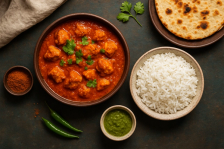
Then there was the curry incident. I had brought home this gorgeous coconut chicken curry from a tiny Thai place I loved, the kind of place where the tables wobble and the basil smells like somebody just crushed it in their hands two seconds ago. I ate half, shoved the rest into the fridge in the takeout container, and reheated it two days later until it was sort of warm-ish. Big mistake. Nothing dramatic happened, thank goodness, but the texture was weird, the rice was dry, and I remember thinking, why did I just ruin a perfectly good meal?
So yeah, freezing, thawing, and reheating leftovers safely sounds boring until you realize it’s basically the difference between “wow, future me is eating like a queen” and “future me is poking a container and asking if that smell was there yesterday.” And I’ve become weirdly passionate about it. Food safety doesn’t have to feel like a lecture from a laminated poster in a cafeteria. It can just be part of being someone who loves food enough to not waste it, you know?
First thing: leftovers have a clock, and it starts sooner than we want
#Here’s the rule I keep taped inside my brain: cooked food should not sit out more than 2 hours at room temp. If it’s hot out, like picnic weather or your kitchen feels like a sauna, that safe window drops to 1 hour when the temperature is above 90°F. That comes from the usual USDA-style food safety guidance, and it’s one of those boring rules that actually matters.
I know, I know. Dinner parties happen. People talk. The lasagna sits on the counter while someone opens another bottle of wine and your cousin tells a story that takes 47 minutes and has no ending. But bacteria don’t care about vibes. The “danger zone” is roughly 40°F to 140°F, which is where bacteria can grow fast. So if your leftovers have been lounging there too long, especially meat, seafood, cooked rice, pasta, eggs, dairy sauces, casseroles, gravy... please don’t try to rescue them by freezing. Freezing pauses a problem, it doesn’t undo it.
This is the same kind of logic I use for cold picnic foods too. If you’ve ever wondered how long fruit salad can hang around outside before it gets risky, I went down that rabbit hole here: Can Fruit Salad Stay Outside? Lunchbox, Picnic, and Travel Safety Rules. Different food, same basic idea: time and temperature are quietly running the show.
Cool it fast, but don’t be chaotic about it
#My grandmother used to leave a whole pot of stew on the stove “to cool” for what felt like half the afternoon. I loved that woman’s cooking more than almost anything, but uh, this part was not her finest food safety moment. Big deep pots cool painfully slowly. The middle stays warm for ages, right in that bacteria-happy zone, while the edges look innocent.
What I do now: I portion leftovers into shallow containers as soon as dinner is done and everyone has stopped pretending they might go back for thirds. Shallow is the magic word. A two-inch layer of chili cools much faster than a giant tub of chili. If it’s soup or stew, I’ll sometimes set the container in an ice bath for a bit, stirring now and then, especially if I made a huge batch. It feels fussy the first time and then it becomes automatic.
- Don’t put a boiling-hot stockpot straight into the fridge if it’s huge, because it can warm up the fridge around it.
- Do split food into smaller containers so cold air can actually do its job.
- Do leave lids slightly cracked while cooling in the fridge, then seal once the food is cold. I know some people disagree, but this has worked best for me.
- Don’t stack a bunch of warm containers tightly together. Give them a little breathing room.
What to freeze, what not to freeze, and the foods that get a little dramatic
#Almost all leftovers can be frozen safely if they were handled safely before freezing. The bigger question is whether they’ll taste good later. Safety and deliciousness are related, but they are not the same thing. I’ve frozen beef stew and had it come back tasting even better, like the flavors had gone on a little vacation together. I’ve also frozen cream sauce and opened it later to find a grainy, separated sadness puddle. Still edible sometimes, but not exactly restaurant leftovers magic.
Soups, braises, curries, chili, cooked beans, meatballs, shredded chicken, roasted meats with sauce, enchiladas, lasagna, and tomato-based pasta sauces are freezer heroes. Rice can freeze well too, especially if you portion it while it’s still fresh and don’t let it dry out first. Bread freezes beautifully, which is good because I cannot be trusted around a bakery loaf. I always think I’ll finish it in two days and then somehow I don’t, which feels like a personal failure.
Foods that can get weird: potatoes in soups sometimes go mealy, lettuce becomes compost-adjacent, fried foods lose their crunch unless you reheat them properly, and dairy-heavy sauces can split. Mushrooms are also a little moody, especially cooked ones with lots of water in them, so if you’re freezing mushroom-heavy leftovers or checking if they’re still okay before reheating, this storage guide is useful: How Long Do Mushrooms Last in the Fridge? Storage, Freezing and Spoilage Signs. I’ve learned this the hard way with mushroom risotto, which is either heavenly or glue, no middle ground.
My freezer labeling system is ugly, but it works
#People online have these gorgeous freezer inventories with matching labels and clear bins and handwriting that looks like it went to private school. Mine is masking tape and a marker that’s usually half-dead. But I label everything with the food name and date. That’s it. “Turkey chili, Jan 9.” “Lentil soup, Feb 2.” “Mystery sauce??” is not a label, it is a threat.
For quality, most cooked leftovers are best within about 3 to 4 months in the freezer. They may remain safe longer if your freezer stays at 0°F, but the texture and flavor can start to fade. Freezer burn won’t usually make food unsafe, but it does make it taste like the inside of a cardboard box had a baby with sadness. Wrap tightly, push out extra air, use freezer bags flat when you can, and don’t be stingy with sauce. Sauce protects food. Sauce is love.
Also, freeze in portions you’ll actually use. I used to freeze an entire pan of baked ziti and then act surprised when I didn’t want to thaw a brick of pasta the size of a laptop. Now I freeze single lunches or two-person dinners. Future me is much less annoyed.
The safest ways to thaw leftovers, from best to “okay but pay attention”
#The fridge is the safest and easiest thawing method. Not the fastest, unfortunately, because life is rude like that. But it keeps food cold while it thaws, which is the whole point. I move tomorrow’s dinner from freezer to fridge the night before and feel like a person who has their life together, even if there are socks in my kitchen for reasons nobody can explain.
Cold water thawing works too, but you have to commit. Put the food in a leakproof bag or container, submerge it in cold water, and change the water every 30 minutes. Don’t use warm water. I know it feels clever. It is not clever. Warm water can bring the outside of the food into unsafe temperatures while the center is still frozen solid.
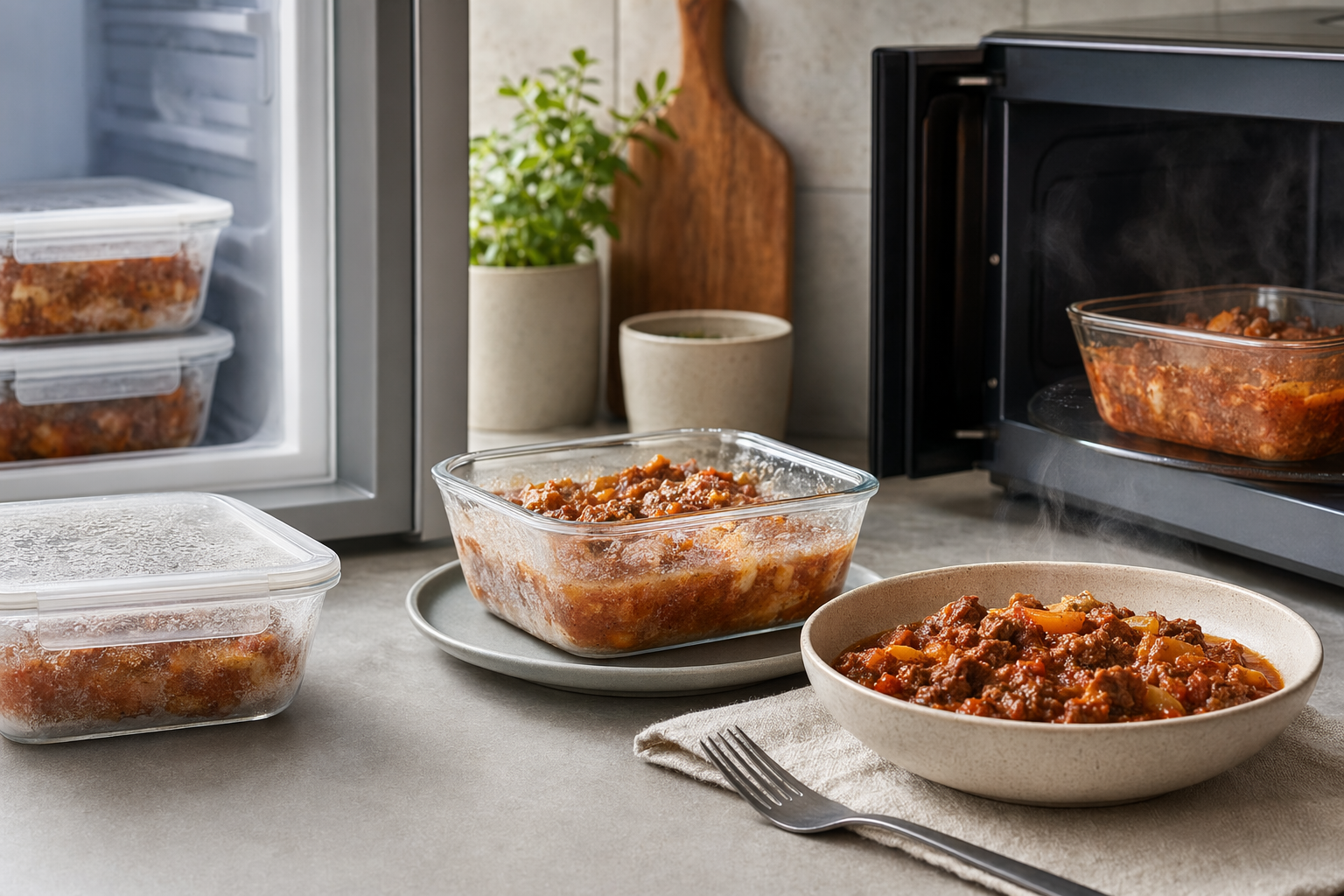
Microwave thawing is my “oh no, I forgot dinner” method. It’s safe if you reheat and eat the food right away, because microwaves thaw unevenly and can start cooking some spots. You know that weird thing where the edge of the lasagna is lava and the middle is an ice cave? Exactly. If you thaw in the microwave, keep going until it’s properly reheated, don’t let it sit around half-warmed.
Please don’t thaw on the counter
#I know people do it. I’ve done it. A frozen container of stew on the counter feels harmless because it’s “still cold,” but the outside warms first, and that’s where trouble starts. Counter thawing is one of those habits that feels normal because we saw it growing up, but it’s not a safe bet, especially with meat, poultry, seafood, cooked grains, dairy-heavy dishes, and anything you’re feeding to kids, pregnant people, older adults, or someone with a weaker immune system.
Reheating is not just making it hot-ish
#This is where my old self used to mess up. I’d reheat until the food looked steamy in one spot, then call it done. But leftovers should be reheated to 165°F. A food thermometer is the unsexy kitchen tool that saves dinner from guesswork. I resisted buying one for years because I thought it was only for roast chicken people and barbecue dads. Wrong. It’s for soup, casseroles, rice, meatballs, anything thick or uneven.
When reheating on the stove, stir often and bring sauces, soups, and gravies to a real simmer. In the microwave, cover the dish loosely, rotate or stir halfway through, and let it stand for a minute or two so the heat can even out. Microwaves are chaotic little boxes. They need help.
For ovens, I like 325°F to 350°F for casseroles, lasagna, roasted meats, and anything that needs gentle heating. Cover with foil at first so it doesn’t dry out, then uncover near the end if you want browning. For fried foods or pizza, the air fryer or a hot skillet is usually better than the microwave. Microwave pizza is fine at 11:43 p.m. when you are tired and morally flexible, but skillet pizza? Crisp bottom, melty top. Beautiful.
Some leftover foods need extra respect
#Rice is one of them. People underestimate rice because it seems so plain and innocent, but cooked rice can be risky if it sits out too long. The issue is spores from Bacillus cereus that can survive cooking, then grow if rice is held warm or left out. So I cool rice quickly, refrigerate it fast, and reheat it until steaming hot. Fried rice from leftover rice is one of my favorite foods on earth, but only when the rice has been handled right.
Seafood is another. I love leftover salmon flaked into rice bowls or tucked into a quick omelet, but fish is not something I play games with. Cool it quickly, store it cold, eat it within a couple days if refrigerated, or freeze it. Reheat gently so it doesn’t become dry and bossy-smelling. Sometimes I don’t reheat it at all, honestly. Cold salmon with cucumber, rice, chili crisp, and a squeeze of lime is a very good lunch.
Dairy-based leftovers need care too: creamy soups, alfredo, mac and cheese, cream curries, yogurt marinades, cheesy casseroles. Keep them cold, thaw in the fridge, and don’t keep reheating them over and over. If you’re packing dairy foods for travel or lunchboxes, the cold-chain basics matter just as much as they do at home, which is why I liked writing this one: Yogurt Cups While Traveling: Pack, Chill, or Skip?. It sounds simple, but dairy gets unforgiving when it’s been warm too long.
How long do refrigerated leftovers last before freezing becomes the better idea?
#The usual guideline I trust is 3 to 4 days in the fridge for cooked leftovers, assuming they were cooled and stored properly. Your fridge should be at 40°F or below. If I know we won’t eat something by day three, I freeze it. I don’t wait for the food to start looking tired. Freezing is best when the leftovers are still good, not when they’re already on their emotional decline.
This is especially true after holidays. Thanksgiving, Christmas, big Sunday lunches, birthday dinners where somebody makes too much baked pasta because “what if people are hungry,” which honestly is my family’s entire philosophy. I portion leftovers the next morning at the latest. Turkey slices with gravy freeze better than naked turkey. Mashed potatoes freeze okay if they have enough butter and cream, which, in my opinion, they should anyway. Stuffing freezes surprisingly well. Green salad does not, but you knew that.
| Leftover | Fridge timing I use | Freezer notes |
|---|---|---|
| Cooked meat or poultry | 3 to 4 days | Freeze with sauce or broth if possible |
| Soups, stews, chili | 3 to 4 days | Leave headspace because liquids expand |
| Cooked rice or pasta | 3 to 4 days | Cool fast, portion small, reheat thoroughly |
| Pizza | 3 to 4 days | Wrap slices tight, reheat in skillet or oven |
| Creamy casseroles | 3 to 4 days | May separate a bit, but often still tasty |
| Seafood | 1 to 2 days is my comfort zone | Freeze sooner for best quality |
Restaurant leftovers: my little rules after too many takeout boxes
#I love restaurant leftovers. Half the reason I order too much Indian food is because I want paneer tikka masala for breakfast the next day. And don’t even get me started on cold sesame noodles. There’s this neighborhood Chinese spot near me that does noodles so glossy and savory I swear they taste better after a night in the fridge. Not every restaurant leftover improves, but some absolutely do.
Still, restaurant leftovers are tricky because you don’t always know how long the food sat before it reached you. If I pick up takeout, I try to get it into the fridge within 2 hours of when it was cooked or served, not 2 hours after I finally remember it exists. If I’m going straight home, easy. If I’m going to a movie after dinner, I usually skip taking leftovers unless I have a cooler bag in the car. Which sounds very auntie of me, but I have accepted this part of my personality.
Also, takeout containers are not always freezer containers. Those thin plastic tubs crack, lids pop off, and cardboard lets food dry out. I transfer food into freezer-safe containers or bags. For saucy foods, I press parchment or plastic wrap close to the surface sometimes before sealing, especially if there’s extra air. Is it slightly annoying? Yes. Does it mean my leftover curry tastes like dinner instead of freezer? Also yes.
The “one reheat” habit that changed how I meal prep
#One thing I’ve gotten stricter about: reheating only the portion I’m going to eat. I used to warm up a whole container of soup, eat a bowl, cool the rest again, then repeat the next day. Technically, if you handle it properly and reheat to 165°F each time, you can reduce risk, but quality goes downhill fast and every cooling-reheating cycle gives bacteria more chances if you’re sloppy. And I am sometimes sloppy. So I portion first.
This is where freezer cubes are weirdly great. I freeze broth, tomato sauce, pesto, curry paste, even leftover coconut milk in silicone trays, then pop the cubes into bags. A few cubes can rescue dry rice or turn sad vegetables into soup. I feel like a kitchen wizard when really I’m just someone who didn’t throw out half a can of coconut milk.
For meal prep, I make “components” more than full meals: cooked chicken, beans, rice, roasted vegetables, sauces. Then I mix and match. It keeps things from feeling like punishment. Nobody wants to eat the exact same quinoa bowl five days in a row, except maybe someone with better discipline than me.
Signs your leftovers are not worth the risk
#Look, I hate wasting food. I really do. I was raised by people who treated throwing out food like a small tragedy. But food poisoning is also a tragedy, and a much sweatier one. If leftovers smell sour, rotten, yeasty, or just “off,” toss them. If there’s mold, toss them. If the texture is slimy, sticky in a strange way, fizzy when it should not be fizzy, or the container lid pops with suspicious pressure, toss. Don’t taste to check. That little taste is not a bravery test.
The annoying truth is that dangerous bacteria don’t always make food smell bad. So you can’t rely only on your nose. Time and temperature matter more. If I can’t remember when I cooked something, I usually throw it out. This hurts my feelings every time, but mystery leftovers have earned no trust.
My personal rule: when in doubt, don’t make your stomach be the detective.
My favorite reheated leftover meals, because safety should still taste amazing
#Let’s talk about the fun part. Leftover chili over a baked potato with cheddar and pickled jalapeños is elite. Curry reheated gently on the stove with a splash of water or coconut milk tastes alive again. Roast chicken becomes tacos, soup, fried rice, chicken salad, or that lazy thing where I stand at the fridge and eat pieces dipped in mustard. Not glamorous, but real.
Pizza goes in a skillet with a lid for a few minutes, and if I’m feeling fancy I add a tiny sprinkle of water to the pan away from the crust so it steams the cheese while the bottom crisps. Pasta gets reheated with a splash of water, broth, or sauce, never dry. Meatballs go into simmering marinara. Lasagna gets covered and baked until hot all the way through, then uncovered for the cheesy edges. Soup gets brought to a bubble, stirred, tasted, adjusted. Leftovers often need a squeeze of lemon, a spoon of chili crisp, fresh herbs, or something crunchy because freezing and reheating can flatten flavors a bit.
And rice bowls are my ultimate leftover canvas. Hot rice, leftover protein, something pickled, something fresh, something saucy. That formula has saved me from ordering delivery more times than I can count. Though I still order delivery. I’m not pretending to be a saint.
A simple leftover routine I actually stick to
#- After eating, I set a timer if food is still out. Not romantic, but it works.
- Within 2 hours, I move leftovers into shallow containers. If the kitchen is super hot, I move faster.
- I label anything going into the freezer with name and date, even if my handwriting looks tragic.
- I thaw in the fridge when I can, cold water when I’m organized-ish, microwave when I forgot.
- I reheat to 165°F, stir well, and only reheat what I’m about to eat.
That’s the whole system. Not perfect. Not aesthetic. But it keeps food safer and it makes leftovers something I look forward to instead of something I discover in horror while searching for mustard.
Final bites from my leftover-loving kitchen
#Freezing, thawing, and reheating leftovers safely is really just a love letter to good food. That sounds cheesy, but I mean it. When you freeze soup properly, you’re saving a cold Tuesday night. When you thaw curry in the fridge instead of on the counter, you’re protecting the meal and the people eating it. When you reheat lasagna until it’s actually hot in the center, you’re giving it the comeback it deserves.
I still mess up sometimes. I forget labels, I overfill containers, I underestimate how much soup expands when frozen and then I’m chiseling lentils off the freezer shelf like an archaeologist. But I waste less food now, and my leftovers taste better. That feels like a win.
So next time you make too much stew or bring home half your restaurant dinner, don’t just shove it somewhere and hope for the best. Cool it, label it, freeze it, thaw it safely, reheat it properly, and then add something fresh and delicious on top because you deserve that little flourish. And if you’re in the mood for more food stories, kitchen experiments, and practical cooking rambles, I always like poking around AllBlogs.in for more tasty ideas.