Breakfast can shape your whole travel day in a way you don’t always notice until it goes wrong.
A hotel breakfast can make the morning feel easy: wake up, go downstairs, eat, leave. No searching, no decisions, no wandering around hungry. A cafe or bakery breakfast, though, can feel more relaxed and local. It might be cheaper, lighter, and honestly more memorable than another buffet plate under hotel lighting.
So when you’re choosing between hotel breakfast vs cafe breakfast, there’s no single right answer. It depends on the kind of trip you’re on, who you’re traveling with, how early you need to leave, how much you usually eat, and how much effort you’re willing to put into breakfast before coffee.
Quick Answer Summary
#Choose hotel breakfast when you want an easy, predictable morning. It’s often worth it for families, early tours, work trips, tight schedules, big appetites, and hotels in areas where cafes are limited or open late.
Choose a cafe, bakery, or local breakfast spot when you want a lighter meal, more flexibility, a better feel for the neighborhood, or more control over your spending. This is often the better choice for solo travelers, couples, adults traveling without kids, budget travelers, and anyone who just wants coffee and something small.
The simplest rule is this:
If breakfast helps your day run smoother, the hotel may be worth it. If it makes you linger too long, costs more than you’d normally spend, or keeps you inside when you’d rather be out exploring, go to a cafe.
The Real Question: What Kind of Morning Are You Having?
#Before you compare prices or menus, think about your actual morning.
Are you trying to get to a museum before the crowds? Catching an early train? Getting kids dressed, fed, and out the door? Heading to meetings? Trying to save money? Or do you want to wander into the neighborhood and see where locals get coffee?
Hotel breakfast is not just food. It’s a shortcut.
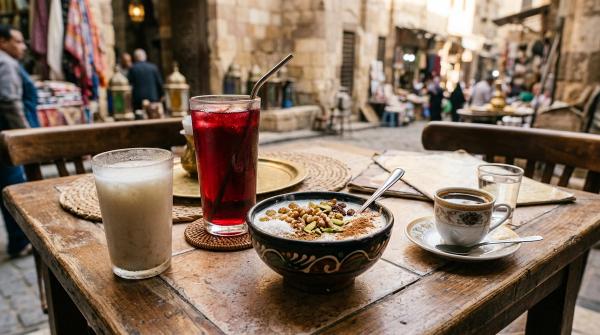
Cafe breakfast is not just food either. It can be part of the trip, especially in places where morning life happens around bakeries, markets, coffee counters, street stalls, or small neighborhood restaurants.
The best choice is usually the one that fits the day you’re actually having, not the one that sounds nicest in theory.
Cost Comparison: Is “Breakfast Included” Really Free?
#“Breakfast included” sounds like a free perk, but most of the time, the cost is already built into the room rate. That doesn’t make it bad value. It just means you should compare it properly.
When booking, look at:
- The room-only rate
- The rate with breakfast included
- How many people are staying in the room
- How much everyone will realistically eat
- Whether good cafes or bakeries are nearby
- Whether you need breakfast early
If the breakfast-included rate is only a little higher, and two adults plus kids will all eat a proper meal, it can be a very good deal.
But if you usually just want coffee, fruit, toast, or a pastry, paying extra for a buffet probably doesn’t make sense. You may end up spending more just to eat more than you wanted.
For budget travelers, cafes and bakeries usually give you more control. You can keep it cheap one day, skip breakfast another day, grab something from a market, or share pastries instead of paying a fixed buffet price.
There’s also the “I need to get my money’s worth” problem. Hotel buffets can make you overeat just because the food is there. It feels smart at 8 a.m., then suddenly your first few hours of sightseeing are spent feeling too full and sleepy.
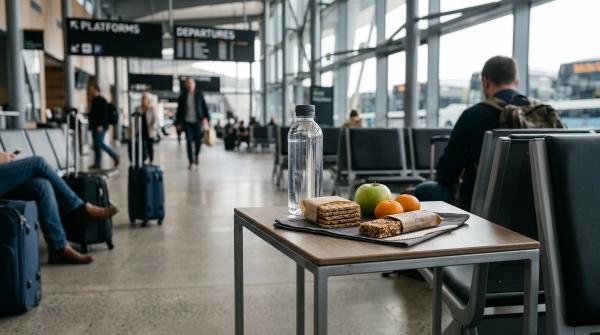
For practical backup ideas, see: breakfast foods without refrigeration that you can pack, buy, or skip.
Convenience Comparison: The Hotel Wins, Until It Doesn’t
#Hotel breakfast is convenient in obvious ways.
You don’t have to research anything. You don’t have to walk around hungry. You don’t need to translate a menu, check reviews, find seating, or gamble on whether a place is open. You just go downstairs, eat, maybe go back to your room, brush your teeth, grab your bag, and leave.
That can be incredibly useful for:
- Work trips
- Early tours
- Airport or train departures
- Family travel
- Rainy mornings
- Jet lag
- Short city breaks with packed schedules
- Areas where breakfast spots are limited
But convenience has a catch.
A hotel buffet can slow you down without you realizing it. You sit. You get coffee. You browse the buffet. Someone wants eggs. Someone else goes back for fruit. Then there’s more coffee. Before you know it, the “quick breakfast” has taken 45 minutes.
A cafe can actually be faster if you already know where you’re going and only want coffee and a pastry. It can also put you closer to your first stop of the day, which saves you from doubling back to the hotel.
So the real convenience question is not:
Which breakfast is closest?
It’s:
Which breakfast gets you into your day with the least hassle?
When Hotel Breakfast Is Worth It
#1. You’re Traveling With Children
#For families, hotel breakfast can feel like a tiny miracle.
It removes the first big question of the day: where are we eating?
Kids can usually find something familiar, like cereal, bread, fruit, pancakes, yogurt, eggs, or potatoes. Parents don’t have to study a menu while everyone is already hungry. There’s usually space to sit, and the food is immediate because you serve it yourself.
Hotel breakfast is especially helpful when:
- Kids wake up hungry
- You need to leave at a specific time
- You’re dealing with strollers, bags, or tired children
- Your kids are picky eaters
- You need coffee before making any decisions
A charming cafe nearby might sound lovely, and sometimes it is. But charm can lose very quickly to a hungry child at 7:30 in the morning.
2. You Have an Early Tour or Departure
#If your tour leaves early, the hotel is often the safer choice. Many hotels are used to travelers who need to eat and get out quickly. Local cafes and bakeries may open later, change hours by day, or be closed exactly when you need them.
Before relying on hotel breakfast, check:
- What time breakfast starts
- Whether that’s early enough for your departure
- Whether the hotel offers a packed breakfast
- Whether there’s a grab-and-go option
- Whether you can keep simple food in your room the night before
Don’t assume the buffet will be ready just because you have an early tour. Ask in advance.
For more planning help, read: early tour breakfast in your hotel room, eat, pack, or box.
3. You’re on a Work Trip
#For business travel, predictability matters.
A hotel breakfast saves mental energy before meetings, calls, conferences, or a commute across town. You know where it is. You know roughly how long it takes. You don’t have to wonder whether a cafe will have seating, Wi-Fi, takeaway options, or a long line.
A cafe may still be better if you want a quieter space or a lighter breakfast. But if the goal is a no-surprises morning, the hotel often wins.
4. You Have a Big Sightseeing Day
#If you’ll be walking for hours, taking a long day trip, or visiting places where food options are uncertain, a solid hotel breakfast can help.
This doesn’t mean you need to eat everything in sight. It just means starting the day fed enough that you’re not distracted by hunger an hour later.
A good breakfast can be especially helpful before:
- Long walking tours
- Day trips
- Museum-heavy mornings
- Hikes or outdoor activities
- Travel days with uncertain lunch options
Sometimes the value of breakfast is not the food itself. It’s not having to think about food again until lunch.
5. Your Hotel Is in an Inconvenient Area
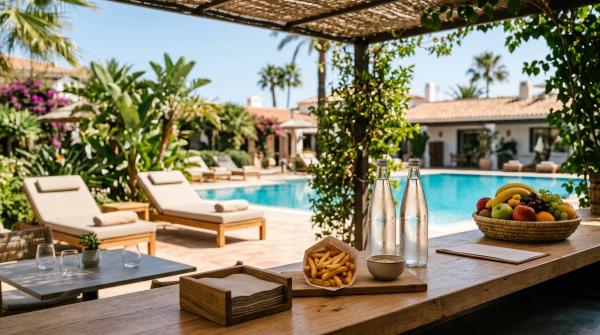
#Sometimes your hotel is in a business district, airport zone, resort area, highway stop, or quiet neighborhood where breakfast options are limited.
In that case, hotel breakfast may be the most practical choice, even if it isn’t exciting.
A great cafe breakfast only works if there is actually a good cafe nearby, and if it’s open when you need it.
When a Cafe or Bakery Is the Better Choice
#1. You Want to Experience Local Morning Culture
#Breakfast outside the hotel can be one of the easiest ways to feel a place waking up.
You might see commuters drinking coffee at the counter, families buying bread, office workers grabbing takeaway, or market vendors setting up for the day. The food might be simple, but the scene often tells you more about the destination than another hotel dining room does.
A cafe breakfast is especially worth it in places where breakfast culture is strong, interesting, or just different from what you’d get at the hotel.
Sometimes a croissant on a bench, a bowl of noodles at a busy stall, or coffee at a tiny counter becomes one of the meals you actually remember.
2. You Prefer a Light Breakfast
#Not everyone wants a buffet in the morning.
Some travelers feel better with coffee and a small bite, fruit, toast, yogurt, or something quick from a bakery. If that’s you, a cafe gives you what you actually want without the odd pressure to eat more just because more food is available.
There’s nothing wrong with a small breakfast, especially if you know you’ll have a bigger lunch later.
For ideas on balancing appetite and energy, see: coffee shop breakfast while traveling can balance your energy, budget, and stomach.
3. You’re Trying to Control Your Budget
#A cafe or bakery lets you spend according to your appetite.
You can order something small, share items, choose takeaway, or skip a proper sit-down breakfast if you’re not hungry. With hotel breakfast, you’re often paying a fixed amount whether you eat a lot or a little.
If breakfast is already included in your room rate, great. Use it if you want it.
But if you’re choosing between a cheaper room-only rate and a more expensive breakfast-included rate, do the math before booking. If the breakfast rate costs noticeably more and you know you’ll eat lightly, the cafe route may be better.
4. You Want to Start Sightseeing Immediately
#Sometimes the best breakfast is not near your hotel. It’s near your first stop.
If you’re heading to a museum, old town, market, waterfront, station, or tour meeting point, eating nearby can save time and keep the day moving. You avoid finishing breakfast at the hotel and then spending half an hour getting to where you actually wanted to be.
This works best if you plan the night before. Save one or two nearby options so you’re not searching while hungry, which is when nobody makes their best decisions.
5. You Dislike Buffet Crowds
#Hotel breakfast rooms can get chaotic, especially during peak travel seasons.
There may be lines for coffee, crowded buffet stations, noisy tables, kids running around, and people hovering over the toaster like it’s a competitive sport. If you pictured a calm start to the day, that may not be it.
A small cafe may feel much calmer, although popular cafes can be packed too. The difference is choice. If one cafe is full, you can move on. If the hotel buffet is packed, you’re already there with a plate in your hand.
Food Safety Checks for Hotel Breakfasts and Cafes
#Food safety matters anywhere, whether you’re eating at a hotel buffet, bakery, cafe, or local restaurant.
For hotel buffets, pay attention to:
- Hot foods that are actually hot
- Cold foods that are properly chilled
- Clean serving utensils
- Food that looks fresh, not dried out or picked over
- Staff replacing trays, not just topping up old food
- Covered items where appropriate
- Crowded stations where utensils may get mixed between dishes
Buffets are convenient, but they do involve shared serving tools and food sitting out. If the dining room is busy and trays are refreshed often, that’s usually a good sign. If the buffet is quiet and the food looks tired, be more careful.
For cafes and bakeries, look for:
- Good customer flow
- Freshly prepared or properly stored food
- Clean counters and tables
- Staff handling food carefully
- Items cooked to order when possible
A busy cafe is not automatically safe, and a quiet hotel buffet is not automatically unsafe. Just pay attention to what you can see and trust your instincts.
For a deeper checklist, read: hotel breakfast buffet safety for travelers.
Dietary Needs, Allergies, and Vegetarian Notes
#Dietary needs can completely change the decision.
Vegetarian Travelers
#Hotel breakfasts can be useful for vegetarian travelers because the options are usually visible. You can often build a meal from fruit, bread, cereal, yogurt, potatoes, vegetables, beans, eggs if you eat them, and other simple items.
That said, the quality and variety can vary a lot. Some hotel buffets have plenty of vegetarian-friendly options. Others are very meat-heavy and don’t offer much beyond bread and fruit.
Cafes may be better in cities with strong vegetarian or plant-based food scenes. They often have clearer menus, more interesting dishes, and food made to order.
Vegan Travelers
#Vegan travelers should check more carefully.
A hotel buffet may have fruit, bread, oats, or vegetables, but dairy, eggs, butter, and honey can appear in foods that look simple. Even bread, granola, and cooked vegetables may not be vegan depending on how they’re prepared.
A cafe with clearly labeled plant-based options may be easier, especially if the menu is detailed. If language is a barrier, bring a short translated note explaining what you do and don’t eat.
Gluten-Free Travelers and Severe Allergies
#Buffets can be tricky for travelers with strict gluten-free needs or serious allergies because of cross-contact. Shared tongs, crumbs, mixed serving spoons, and foods placed close together can all create risk.
If your allergy is serious, don’t rely only on buffet labels. Speak with hotel staff and ask whether food can be prepared separately. A made-to-order cafe meal may be safer if you can clearly explain your needs, but that depends on the cafe’s kitchen practices and how well they understand the allergy.
The safest choice is the place where you can get clear answers and avoid cross-contact.
A Simple Decision Guide
#Use this when booking, or when planning the night before.
Choose Hotel Breakfast If:
#- You’re traveling with young children
- You have an early tour, train, flight, or meeting
- You want a predictable morning
- You’re staying somewhere with limited cafe options
- You eat a full breakfast
- You don’t have time to research local spots
- The breakfast-included rate makes sense for your group
Choose a Cafe or Bakery If:
#- You want a more local experience
- You prefer coffee and a light bite
- You’re watching your budget
- You want to start sightseeing away from the hotel
- You dislike buffet crowds
- You’re traveling solo or with flexible adults
- Your dietary needs are easier to manage with made-to-order food
Mix Both If You Can
#Honestly, this is often the best answer.
Use hotel breakfast on early, busy, or stressful mornings. Go out for cafe breakfasts on slower days. Pack simple food for transit days. Try a bakery when sightseeing starts nearby.
You don’t need one breakfast rule for the whole trip. The best choice can change day by day.
Final Takeaway
#Hotel breakfast is worth it when it saves time, reduces stress, feeds a group easily, or helps with an early schedule.
Cafe breakfast is better when you want flexibility, local flavor, lighter food, or more control over your spending.
The smartest travelers don’t ask, “Which breakfast is better?”
They ask, “Which breakfast makes this day easier?”
And that answer doesn’t have to be the same every morning.