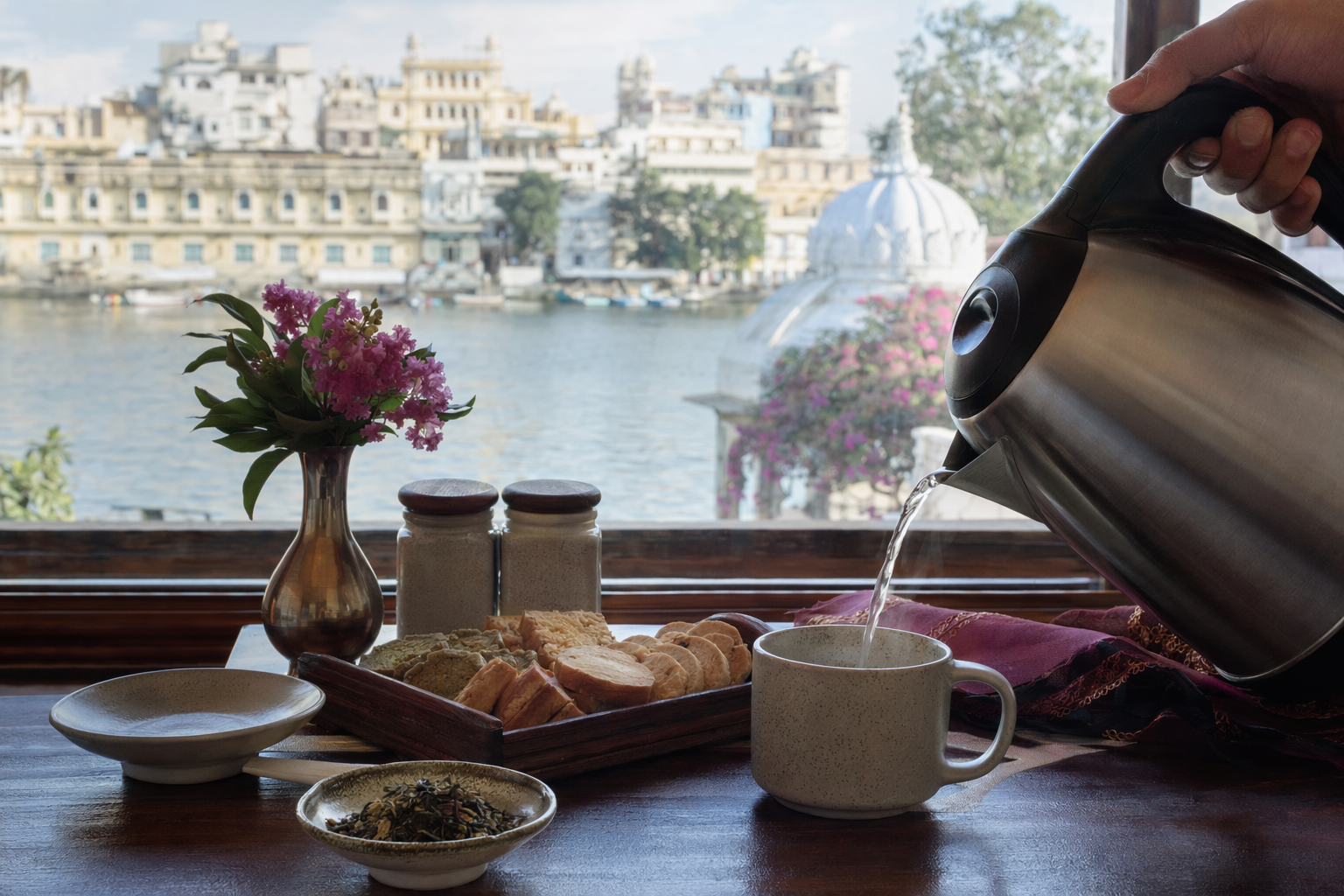
Hotel Electric Kettle Food Safety: Tea, Tiny Meals, and the Gross Little Travel Habit I Had to Unlearn
#I have a weirdly emotional relationship with hotel kettles. That sounds dramatic, I know, but if you travel for food as much as I do, the humble electric kettle becomes this tiny comfort machine. It’s the first cup of tea after a 14-hour flight. It’s instant miso at midnight in Tokyo when every sensible person is asleep. It’s porridge in a rainy Edinburgh room while your socks are drying on the radiator. It’s also, if we’re being honest, one of those hotel-room objects that makes you pause and go… wait, who used this before me, and for what exactly?
I started thinking seriously about kettle hygiene after a trip through Southeast Asia where I was bouncing between Bangkok, Penang, Singapore, and a very charming but slightly tired hotel in Kuala Lumpur. The food was glorious — smoky char kway teow, iced kopi, pandan cakes, late-night tom yum that basically slapped my soul awake — but my stomach was not always as enthusiastic as my mouth. One morning I made tea in the room kettle, took a sip, and noticed this faint plasticky, mineral, not-quite-right smell. Was it dangerous? Probably not. Did I still dump it into the sink like it had personally betrayed me? Absolutely.
Why hotel kettles matter more now, especially for food travelers
#Food travel in 2026 is kind of funny. Everyone wants hyper-local, farm-to-table, fermentation workshops, tea tastings, market breakfasts, tiny chef-led tasting counters, and also — somehow — we all still end up eating cup noodles in a hotel room at 1:17 a.m. because jet lag is a monster. I’ve noticed more travelers packing collapsible bowls, reusable chopsticks, travel tea filters, electrolyte sachets, and those little single-serve specialty coffee drips. Wellness travel and culinary travel have sort of merged, too. People want the noodle crawl, yes, but also ginger tea before bed and a gut-friendly breakfast the next morning. The kettle sits right in the middle of that.
The thing is, a hotel kettle is not automatically filthy. Most housekeeping teams do clean room equipment, and many hotels have decent standards. But the kettle is also not a sterile temple. It may have limescale. It may have old water sitting in it. It may have been used by someone who boiled noodles, heated milk, made instant soup, or did something unholy that I refuse to picture too clearly. The internet loves horror stories about people washing socks or underwear in kettles — some of those stories are exaggerated, some are probably true, and either way I don’t need that mental image with my Darjeeling.
My first real “kettle safety” lesson was in London, over tea of all things
#London is one of my favorite food cities because it’s not one food city, it’s like twenty stacked on top of each other. Borough Market in the morning, South Indian dosa in Tooting, Nigerian jollof in Peckham, Turkish bakeries in Green Lanes, and then a proper tea situation when your feet give up. I was staying near King’s Cross once, in a perfectly fine hotel, and I came back with a wedge of cheese from Neal’s Yard Dairy, a loaf of sourdough, and this smug little plan to make a cheap room picnic. Very romantic. Very budget travel.
I filled the kettle, hit the switch, and while it boiled I noticed floating white flakes. Limescale, not the end of the world, but it looked like fish food. I’d been careless before, just boiling and pouring without looking inside. That evening I washed the kettle out, boiled fresh water twice, and used the tea bags I’d bought from Fortnum & Mason like I was doing a sacred ritual. The tea tasted cleaner, or maybe I just felt better. Sometimes hygiene is partly science and partly peace of mind, and honestly both count when you’re exhausted in a hotel robe.
What’s actually risky in a hotel kettle?
#Let’s not get hysterical. Boiling water is powerful. A proper boil kills most common bacteria, viruses, and parasites that worry travelers in drinking water. That’s why boiling water is a classic travel safety move in places where tap water quality is uncertain. But boiling does not magically remove chemical residues, soap, milk proteins, curry oil, weird smells, or mineral buildup. And if a kettle has gunk around the lid, spout, or heating plate, you’re not exactly starting from a clean place.
Limescale itself — that chalky white stuff from hard water — isn’t usually dangerous. It’s mostly calcium carbonate. But it can trap residue and make the kettle look, taste, and smell unpleasant. Old standing water is another issue. Water left overnight or longer can pick up stale flavors, and if people keep topping it up instead of emptying it, it gets a bit grim. Also, travel kettles and hotel kettles are made for water. Not ramen broth. Not milk tea boiled directly inside. Not eggs. Please, I beg you, not eggs.
- If the inside smells sour, plasticky, smoky, like soup, or just “off,” don’t use it for tea until you clean it or ask for another kettle.
- If you see residue, flakes, oily rings, or mystery stains around the spout, that’s your sign to slow down. Hungry you is not always wise you.
- Boiling helps with microbes, but it doesn’t fix chemical contamination or someone’s previous instant curry experiment.
- Never put the electric base under water. I know that sounds obvious, but hotel fatigue makes fools of all of us.
My hotel kettle safety ritual — slightly fussy, but it works
#I have a little routine now. It’s not glamorous. It will not win awards. But it’s saved me from questionable tea in places from Lisbon to Seoul. First, I open the kettle and look inside under bright light, usually my phone torch because hotel lighting loves to make everything look like a noir film. Then I smell it. Yes, I sniff hotel kettles now. Travel changes a person. If it passes the sniff test, I rinse it two or three times, fill it with fresh water, boil, dump, and boil once more before making anything I’m actually going to drink.
If there’s limescale and I’m staying more than one night, I’ll clean it properly. A spoonful of citric acid powder is my favorite because it’s light to pack and works fast. Lemon juice works too. White vinegar works, but it can leave that salad-dressing smell if you don’t rinse like mad. I fill the kettle halfway, add the acid, boil, let it sit maybe 15 minutes, dump it, then boil plain water twice. Is this a little extra? Maybe. But I’ve had too many beautiful teas ruined by a kettle that tasted like wet coins.
- Check the inside before anything else. Look for flakes, residue, rust-like marks, oily films, or leftover water.
- Rinse, then boil fresh water and throw it away. Do this at least once, twice if you’re cautious or the kettle looks tired.
- Use citric acid, lemon, or vinegar for scale, but rinse and re-boil after cleaning so your oolong doesn’t taste like cleaning day.
- If it still smells weird, ask reception for a replacement. You are not being difficult. You’re just not drinking mystery water.
Tea tourism made me pickier, in the best way
#Tea has become one of the great food-travel obsessions lately. Not just afternoon tea, though I will never say no to scones with clotted cream. I mean tea farms, tea bars, tea pairing menus, matcha workshops, high-mountain oolong tastings, masala chai walks, and those beautiful slow tea ceremonies where you suddenly realize you’ve been gulping tea like a raccoon your whole life. In 2026, with travelers chasing slower, more sensory food experiences, tea fits perfectly. It’s local, historic, calming, and usually easier on the stomach than your third fried snack of the day.
In Kyoto, after wandering Nishiki Market and eating too many skewers and soy-glazed things, I bought a small packet of hojicha from a tea shop that smelled like roasted chestnuts. Back at the hotel, I almost used the kettle without checking it because I was tired and full and smug. Then I remembered London. Inside: old water, a little scale, no big disaster, but not ideal. I cleaned it, brewed the hojicha, and sat by the window watching bicycles slide through the rain. That cup tasted like toasted grain and comfort. If I’d made it with stale kettle water, I would’ve been so annoyed at myself.
The foods I will and won’t make with a hotel kettle
#Here’s where I contradict myself a bit. I love hotel-room food. I really do. Some of my favorite travel memories are not fancy meals but tiny improvised feasts: tomatoes from a Sicilian market, goat cheese, olives, bread torn with my hands, and mint tea from the kettle. Or in Seoul, after Gwangjang Market, I made instant ramyeon in a paper bowl while still smelling like bindaetteok and sesame oil. It was perfect. But I don’t cook inside the kettle. I use it to boil water, then pour the water over food in a separate cup or bowl.
That distinction matters. Making instant noodles by pouring hot water into the noodle cup? Fine, assuming the water is safe and the kettle is clean. Boiling noodles directly in the kettle? Please don’t. It leaves starch, oil, seasoning, and maybe little bits of vegetable flakes that cling around the heating element and spout. Heating milk for cocoa directly in the kettle is another classic bad idea because milk can scorch and leave residue that bacteria love. Eggs in the kettle are also a no from me, even though backpacker forums have been debating this since forever. Just because you can doesn’t mean housekeeping should have to discover it later.
Kettle-friendly travel snacks that feel like a meal
#I’ve gotten better at building what I call “soft cooking” meals — not really cooking, just assembling good things with hot water. In Singapore, I picked up kaya toast in the morning and later used the room kettle for teh without boiling the milk in it. At Maxwell Food Centre, I ate chicken rice properly, standing in the heat with condensation on my drink, but that night I wanted something gentle. Hot water, miso sachet, tofu from a convenience store, scallions I had awkwardly carried in my tote. Was it chef-level? No. Did it feel like kindness after a day of chili crab, laksa, and wandering? Very much yes.
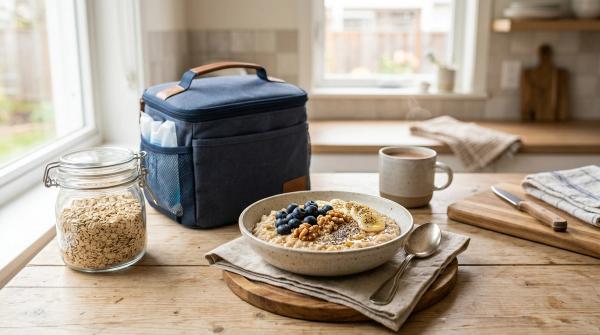
Good kettle foods are dry, simple, and don’t need to touch the kettle itself. Oatmeal cups. Instant couscous with olive oil and market vegetables. Miso soup packets. Rice noodles in a separate bowl. Herbal tea. Coffee drip bags. Dehydrated soups from outdoor shops if you’re doing train travel. I’ve also seen more travelers carrying compact silicone bowls and sporks, which makes sense with the rise of longer “work from anywhere” trips. People are traveling slower, staying in one city for two weeks, and they don’t want restaurant meals three times a day. Neither does my wallet, frankly.
| Use the kettle for | Better not do this | Why |
|---|---|---|
| Boiling water for tea, coffee, oatmeal, or instant soup in a cup | Boiling milk directly inside | Milk scorches, smells, and leaves protein residue |
| Pouring hot water over noodles in a separate bowl | Cooking noodles in the kettle | Starch and oil stick inside and can spoil the next drink |
| Cleaning scale with citric acid or lemon | Scrubbing the heating element with harsh tools | You can damage coatings or electrics |
| Boiling tap water where advised | Assuming boiling removes chemicals | Boiling kills many germs, but doesn’t remove all contaminants |
When tap water is the bigger question
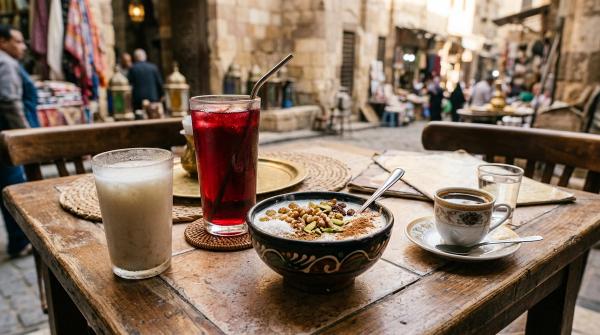
#Kettle safety isn’t only about the kettle. It’s also about the water you put in it. In some destinations, tap water is perfectly safe and tastes great. In others, locals may drink filtered or bottled water, and travelers with sensitive stomachs should pay attention. I usually check hotel guidance, local health advice, and what residents actually do. In Istanbul, for example, I’ll happily eat my body weight in simit, menemen, grilled fish, baklava, and drink endless tea from tulip glasses, but in hotel rooms I tend to use bottled or filtered water for brewing because the taste of tap water can vary a lot by building.
Boiling water for at least a proper rolling boil is generally enough to make microbiologically unsafe water safer, though high-altitude places may need a longer boil because water boils at a lower temperature. But if the concern is chemical pollution, heavy metals, or very salty water, boiling isn’t the fix. This is where travel gets annoying because the answer is not one-size-fits-all. In Mexico City I’ve stayed in apartments with filtered taps and felt totally fine. In rural areas elsewhere, I’ve used bottled water for tea because I didn’t want to gamble. Food adventure is fun. Bathroom adventure, less so.
The hotel breakfast buffet connection nobody talks about
#A kettle conversation always makes me think about breakfast buffets because both are about trust. You’re trusting invisible systems: cleaning, water quality, staff training, food holding temperatures. I love hotel breakfasts with unreasonable passion. Give me congee in Hong Kong, idli and sambar in Chennai, börek in Istanbul, miso soup in Tokyo, strong coffee in Naples, and I’m basically emotional. But I’ve also learned to watch for the same signs I watch in kettles: turnover, cleanliness, temperature, and whether something looks like it’s been sitting since the previous government.
At a small hotel in Chiang Mai, the breakfast was simple but immaculate — fresh fruit covered, rice soup steaming, eggs cooked to order, tea water coming from a clean urn instead of tired room kettles. Later that day I took a cooking class and learned to pound curry paste properly, which is harder than influencers make it look. My instructor laughed at my sad wrist technique and said good food starts with attention. That stuck with me. Hygiene is attention too. Not paranoia, not fear, just paying attention before you eat or drink.
What I do when the kettle is nasty but I still need tea
#Sometimes the kettle is beyond redemption. Maybe it smells like old soup. Maybe the lid is cracked. Maybe there is brown stuff around the spout that I am not spiritually prepared to identify. In that case I don’t try to be a hero. I ask reception for a replacement, and most hotels will swap it without drama. If they can’t, I use the lobby hot water machine, buy tea outside, or switch to bottled cold brew coffee like a slightly bitter adult. In many Asian cities, convenience stores are lifesavers — hot water dispensers, decent ready meals, and snacks that embarrass airport food completely.
One of my best accidental dinners was in Taipei after a long day at Ningxia Night Market. I’d eaten oyster omelet, sweet potato balls, and peppery pork buns, then somehow wanted tea back in the room. The kettle smelled like someone had boiled broth in it. Nope. I went downstairs, the front desk apologized, and ten minutes later a new kettle arrived still wrapped in plastic. I made high-mountain tea, ate a pineapple cake, and watched scooters move like schools of fish below my window. Tiny domestic victory. Travel is made of those.
A quick note on fancy hotels — they are not magically immune
#I’ve had sparkling clean kettles in budget guesthouses and questionable ones in expensive hotels. Price helps with many things, but it doesn’t guarantee the previous guest wasn’t a menace. Boutique hotels now love in-room coffee stations, curated tea trays, local ceramic mugs, and wellness amenities, which I adore. Some places even provide filtered water taps or glass bottles instead of plastic, a trend I hope keeps growing because single-use plastic in travel is still a mess. But the same rule applies: look inside the kettle. Luxury does not cancel physics or human weirdness.
Actually, some of the best setups I’ve seen lately skip the old kettle entirely and use hot-water dispensers, capsule machines with separate hot water functions, or in-room filtered taps. Food-focused hotels are getting smarter too — local tea selections, small-batch coffee, regional snacks, breakfast menus with plant-forward choices, fermentation, zero-waste kitchens. That’s the good side of current travel food trends: more thoughtful, less generic. Still, even with all the innovation, my first move remains boring and practical. Open lid. Look. Sniff. Rinse. Boil.
My no-drama packing kit for tea and safe hotel-room snacks
#I don’t pack like a survivalist. I’m more chaotic than that. But I do carry a few small things now: a couple of tea bags or loose tea sachets, instant miso, electrolyte packets, a collapsible cup if I’m traveling light, and sometimes citric acid in a tiny labeled pouch. Label it, by the way. A mystery white powder in your bag is not the airport vibe you want. I also carry a lightweight spoon because hotel teaspoons disappear exactly when you need them, like they’ve joined a secret union.
If I’m going somewhere known for tea or coffee, I leave room in my bag to bring some home. Ceylon tea from Sri Lanka, hojicha from Japan, oolong from Taiwan, mint tea blends from Morocco, masala chai spices from India — they’re better souvenirs than keychains, and they turn a boring winter morning at home into a memory. But I’ve learned that the brewing vessel matters. A beautiful tea can be ruined by bad water or a funky kettle, same as a perfect street taco can be ruined by sad salsa. Details matter, annoyingly.
The polite traveler part: don’t wreck the kettle for the next person
#This is my tiny rant, sorry. Hotel kettles are shared objects. Treat them like shared objects. Don’t cook food inside them, don’t leave water sitting in them, don’t put tea bags directly in them, don’t attempt laundry science, and don’t leave sticky spills around the base. Empty it before checkout. If you accidentally make a mess, wipe it. If it’s broken, tell the hotel. Travel manners are food safety too, in a way, because the next tired person who walks into that room might be me, craving peppermint tea after eating too much fried seafood.
A clean kettle won’t make a trip perfect, but a dirty one can absolutely ruin a quiet little food moment you were counting on.
Final sips: be curious, but not careless
#I still believe the best travel days are built around food. Wake up early for the market. Follow the smell of bread. Eat the thing you can’t pronounce. Say yes to the auntie selling dumplings from a steamy stall. Book the tea tasting, take the cooking class, sit at the counter and watch hands move faster than yours ever will. But when you get back to the hotel and reach for the kettle, give it ten seconds of attention. That’s all. Look, sniff, rinse, boil, and use it for water — not as a tiny metal saucepan for your midnight experiments.
Maybe that sounds unromantic, but I think it’s the opposite. Good travel is about respecting places, people, ingredients, and your own body enough to not be silly with the basics. The hotel kettle can be your best friend: tea after jet lag, soup when you’re tired, oatmeal before a 6 a.m. train, a little comfort in a room that isn’t yours. Just make sure it’s clean enough to deserve the job. And if you like these slightly obsessive food-and-travel thoughts, I’ve been finding lots of fun reads over on AllBlogs.in lately — the kind of stuff that makes you hungry and makes you want to pack a bag.