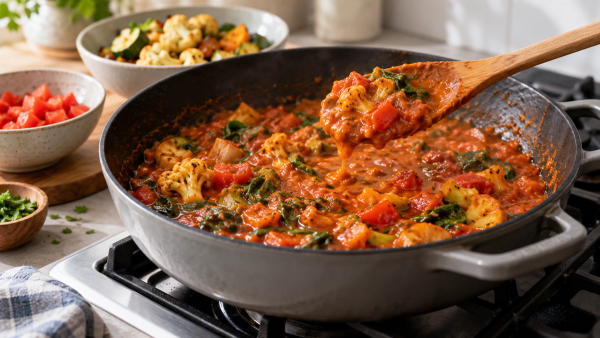
So, um, I didn’t grow up making paneer. I grew up eating it—like, aggressively. Paneer tikka at weddings, paneer butter masala on “special” nights, and that one auntie who’d fry cubes till they’re basically little chewy pillows. But making it at home? I always thought that was for people with, you know, their life together.
Then 2024-ish hit, groceries got pricier, restaurants got… fancier (and smaller portions??), and suddenly I’m standing in my kitchen at 10:40pm, stirring hot milk like I’m about to summon a dairy spirit. And honestly? Homemade paneer is one of those things that makes you feel weirdly powerful. Like, I just turned milk into cheese with lemon. Who am I.
The vibe right now (2026) is: fresh cheese, less waste, more “I made this” energy
#If you’ve been on food TikTok/IG lately (or like… even just talking to friends who suddenly own a countertop fermentation jar), you’ve probably noticed the 2026 obsession with “simple” DIY food—fresh cheeses, quick pickles, house-made sauces, all that.
Paneer fits right in. It’s basically the low-drama cheese. No rennet, no aging, no fancy cultures. Just milk + acid + patience.
Also, no-waste cooking is not just a cute idea anymore. People actually care. Restaurants are doing whey sodas and “upcycled” menus, and at home we’re all trying not to toss stuff that’s still useful. Which brings me to… whey. The pale yellow liquid people pour down the sink like it’s cursed. Stop that. It’s not cursed. It’s liquid gold-ish.
My paneer origin story (aka the first time I messed it up)
#I remember the first time I tried: I used ultra-high-temp (UHT) milk because it was what I had. Bad idea. It curdled… sorta? But the curds were tiny and sad, like cottage cheese’s depressed cousin. I pressed it anyway (optimism!), and got a crumbly block that tasted fine but behaved like wet sand.
Second attempt: better milk. Whole milk. Not UHT. And suddenly it worked and I was texting pictures of curds to people who did not ask.
And yes, I still mess it up occasionally. If anyone tells you paneer is foolproof, they’re lying a little. It’s easy, but it’s moody.
What you actually need (and what you don’t)
#You do NOT need a cheese mold or some cute $40 “paneer press” from the internet. If you have one, sure, go off. But a colander and a clean cloth works. I’ve used a thin kitchen towel, a muslin cloth, even a clean cotton dupatta once (don’t tell my mom).
Here’s what I use now:
- 2 liters whole milk (more fat = softer paneer, generally) — avoid UHT if you can
- Acid: lemon juice OR white vinegar (I prefer lemon for taste, vinegar for reliability)
- A big pot (bigger than you think, milk loves to boil over for sport)
- Colander + muslin/cheesecloth + a bowl to catch whey
- Something heavy to press (a pot of water, a cast iron pan, your big rice container… lol)
Optional but I kinda recommend: a thermometer. Not required, but helpful if you’re the type who likes numbers. If not, your eyeballs work.
Step-by-step: how I make paneer at home (without crying)
#- Heat the milk slowly. Medium heat, stir often, scrape the bottom. When it’s close to a boil you’ll see steam + little bubbles around the edge. Don’t walk away. Seriously.
- Turn heat to low and add acid gradually. Start with 1–2 tbsp lemon juice (or 1 tbsp vinegar), stir gently, then add a bit more. You’re looking for clear-ish yellow whey and curds separating. If it stays milky, add acid a teaspoon at a time.
- Stop stirring once it splits. Over-stirring makes smaller curds, which can mean crumbly paneer. Just let it sit 5 minutes. This part feels like magic, not gonna lie.
- Strain through cloth-lined colander. Save the whey in the bowl below. Don’t you dare dump it.
- Rinse the curds (quickly). A short rinse under cool water removes the lemon/vinegar bite and stops cooking. Not a long shower, just a rinse.
- Press. Gather cloth, twist gently, then put it under a weight. 15 minutes = softer paneer (good for bhurji). 25–30 minutes = firmer cubes (good for tikka/gravies).
That’s it. That’s paneer. I know it sounds too easy, but it really is just… milk doing milk things.
Tiny details that make a BIG difference (learned the hard way)
#A few things I wish someone told me earlier:
- If you boil the milk hard and fast, it can scorch and then your paneer tastes vaguely… caramelized in a bad way.
- Add acid off-heat or on low. If the milk’s raging hot and you dump vinegar in like a maniac, your curds get tough.
- Don’t squeeze the curds like you’re wringing out jeans. Gentle. Paneer likes gentle.
Also: milk quality matters. I know, annoying. But it does. Whole milk gives you that creamy bite. Low-fat makes it a bit rubbery (still edible! just different).
Okay but how much paneer do you get from 2 liters?
#Not a perfect number, because milk varies, but from 2 liters whole milk I usually get around 300–400g paneer. Sometimes more, sometimes less. The first time I weighed it I felt like a total nerd, but it helps when you’re planning dinner.
And yes, it can feel like “wow that’s not much for two liters,” but the flavor is cleaner, fresher, and it cooks better (in my opinion). Worth it.
No-waste whey tips (please, I’m begging)
#Whey is not trash. It’s basically acidic, protein-y liquid that can do a bunch of stuff. The whole no-waste cooking thing in 2026 is partly because people are tired of tossing perfectly usable byproducts—and also because it’s kinda cool to say “I used the whey” like you’re on some chef show.
Here’s what I actually do with it (not just Pinterest fantasy):
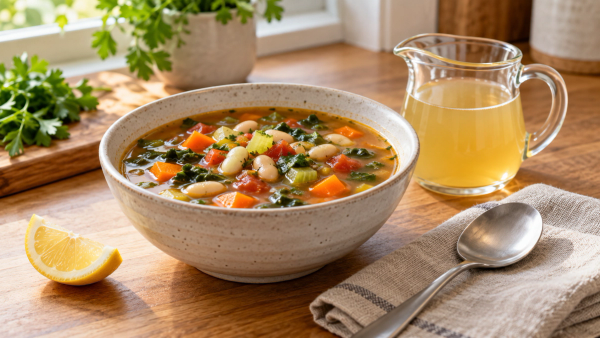
- Cook rice with whey + water (like 50/50). It makes rice taste subtly tangy and… fuller? Hard to explain, but good with dals.
- Add to chapati/naan dough instead of water. Softer dough, slight tang, really nice. This is my #1 use.
- Use in soups or dal. A splash at the end brightens the whole pot, kinda like finishing with lemon but gentler.
- Marinade base for chicken or tofu (if you’re into that). Whey + spices works similar to yogurt vibes.
- Blend into a smoothie if you’re not weirded out. Mango + whey + cardamom is surprisingly legit.
One note: whey from lemon is more citrusy, whey from vinegar is more neutral. Both work, just taste before you dump a cup into something.
How I use homemade paneer (my current cravings rotation)
#If I’m being honest, half the reason I make paneer is because I want that squeaky-fresh texture you don’t always get in store-bought blocks.
My regular uses:
Sometimes I cube it and toss it into palak paneer (with lots of garlic, sorry not sorry). Sometimes I crumble it for paneer bhurji and eat it with toast because I’m lazy. And if I’m having people over, I do paneer tikka on a screaming hot pan and pretend I’m a restaurant.
Also, this is controversial maybe, but I like pan-frying paneer lightly before adding to gravy. Some folks hate that because it can get chewy. I get it. But I like the little golden edges. So there.
A quick restaurant tangent (because I can’t help myself)
#I’ve had some insane paneer dishes out recently—like chefs treating paneer as more than just “vegetarian option.” In a lot of cities right now (at least where I’ve been bouncing around), you’ll see smoky tandoor-style small plates, paneer in butter-chilli sauces with less sugar, and even grilled “fresh cheese” salads that are basically paneer but the menu calls it something cooler.
But I’ll also say… some places still serve rubber cubes and call it a day. And that’s when I go home and make my own out of spite. (Spite is a seasoning.)
Common mistakes (me doing trial-and-error so you don’t have to)
#If your paneer is:
- Crumbly: you might’ve added too much acid, or stirred too much, or pressed too long. Or your milk was low-fat.
- Rubbery: milk was too hot when you added acid, or you cooked curds too long, or you pressed it into oblivion.
- Not setting: often it’s UHT milk, or not enough acid, or you didn’t heat it enough for the proteins to separate.
And if you’re like “mine tastes like lemon cleaner”… yeah, rinse the curds next time. I learned that one the hard way. Bleh.
Storage and a lil safety stuff (boring but important-ish)
#Fresh paneer is best the same day, but you can keep it in the fridge 2–3 days. I store it submerged in clean water in a container (change the water daily if you remember… I don’t always, oops). It keeps it softer.
Freezing works too, but texture changes. It gets a bit spongier and crumbly. Still fine for curries, not my fave for tikka.
Making paneer feels like one of those kitchen skills that’s simple, but also kind of grounding. Like, you’re standing there stirring milk and for 20 minutes the world can’t email you.
Final thoughts (and yes you should save the whey)
#If you’ve been thinking homemade paneer is “too much work,” I promise it’s less work than deciding what to order for dinner and then being disappointed.
Make it once. Keep it casual. Don’t aim for perfection. Paneer’s forgiving, and even the slightly-crumbly batches taste good in a spicy gravy, so like… you can’t lose.
And pleaaase try one whey trick before you pour it out. Even just chapati dough. You’ll feel oddly smug in the best way.
If you’re into these home-cooking rabbit holes, I end up reading a bunch of food bloggers on AllBlogs.in when I’m procrastinating dinner plans—worth a scroll, honestly.