The Weird Little Laundry Problem That Ruined My Favorite White Shirt
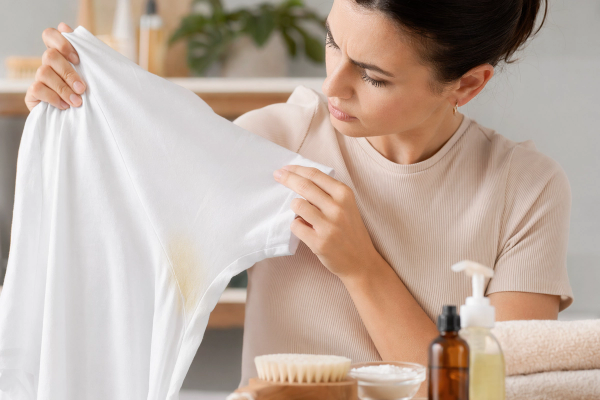
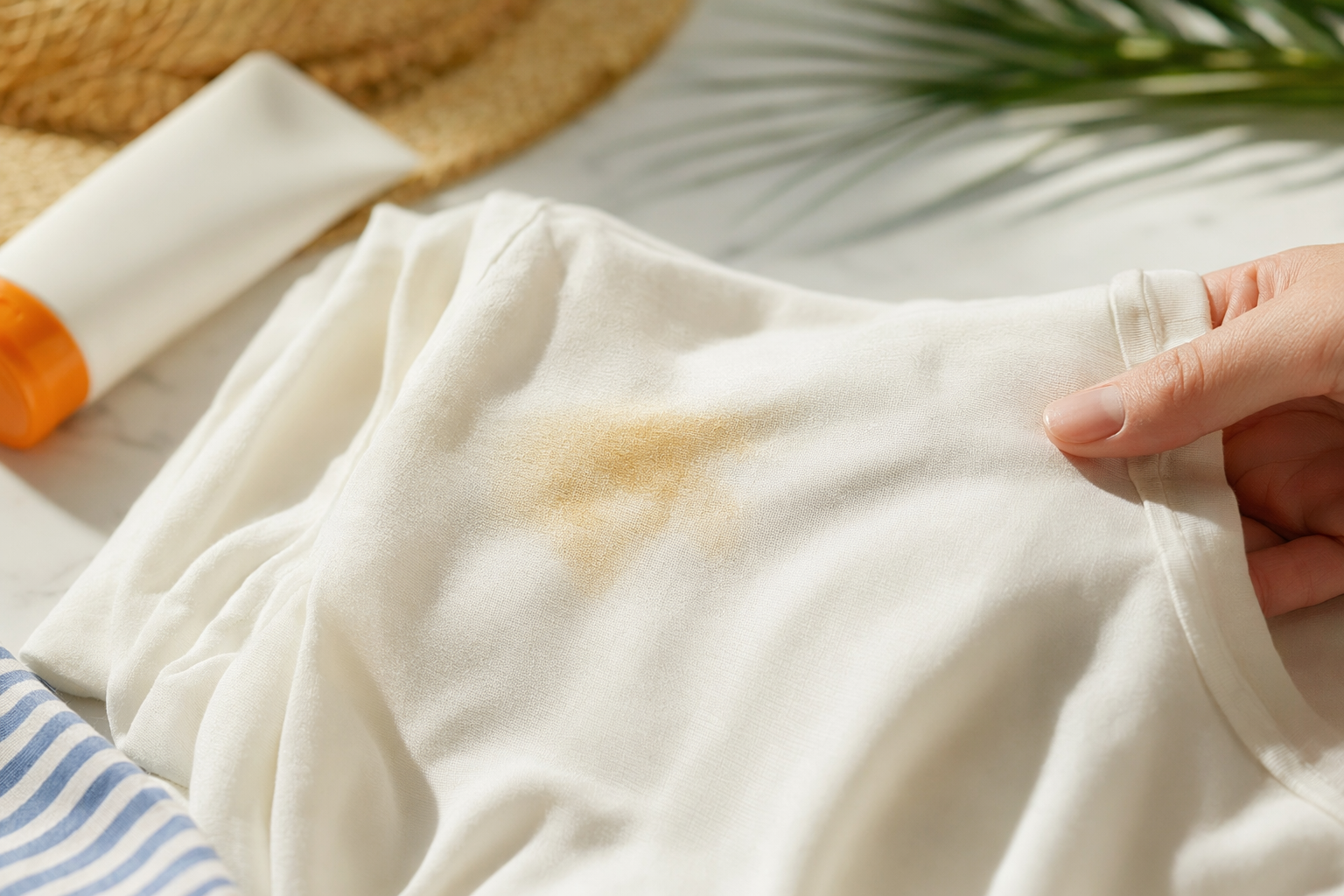
#I learned about sunscreen stains the dumb way, which is honestly how I learn most house stuff. A few summers ago I had this soft white linen button-up, the kind of shirt that makes you feel like you have your life together even when you’re eating chips over the sink. I wore it over a tank top at the beach, slathered sunscreen all over my neck and chest, and then tossed the shirt in the hamper like a fool. Two days later it came out of the wash with these yellowish-orange marks around the collar and cuffs. Not cute. Not “summer glow.” More like someone rubbed rusty salad dressing on me.
At first I thought it was sweat. Then I blamed the washing machine, because why not. But after a bit of digging and a lot of annoyed experimenting at my kitchen sink, I realized sunscreen stains are their own special beast. They’re oily, sometimes chalky, sometimes orange, and they do not always behave like normal stains. You can’t just shout “more detergent!” and expect miracles, although I have defintely tried that.
So, if you’ve got sunscreen marks on clothes — collars, swimsuits, baby rash guards, black leggings with ghosty white smears, towels, whatever — here’s the real-life method I use now. It’s not fancy. It’s mostly patience, surfactants, and not putting the item in the dryer too soon. Which, yes, is the part everyone hates.
Why Sunscreen Stains Clothes in the First Place
#Sunscreen is basically designed to stick around. That’s the whole point, right? You want it to stay on your skin through sweat, beach wind, pool splashing, toddler chaos, and that one relative who insists “I don’t burn.” So a lot of formulas contain oils, waxes, silicones, film-forming ingredients, and UV filters that cling. Great for your shoulders. Annoying for cotton.
The American Cleaning Institute’s general stain advice is pretty consistent on one thing: oily stains need pretreating before washing because regular wash cycles don’t always break them up by themselves. Sunscreen falls right into that oily-stain category, but with extra drama. Some mineral sunscreens leave white, gray, or slightly yellow marks because zinc oxide and titanium dioxide can sit on the fibers. Chemical sunscreens can leave greasy yellow shadows. And then there’s avobenzone, which deserves its own tiny villain cape.
Avobenzone is a common UVA filter in many sunscreens. It helps protect skin from UVA rays, so I’m not saying it’s “bad.” Please don’t hear that. But it can react with iron in water — especially hard water or well water — and that reaction may show up as orange or rusty-looking stains on clothes. This is why you might wash a shirt and think, wait, why did the stain get MORE orange after laundry? Been there. I actually stood in the laundry room holding a shirt like it had personally betrayed me.
The trick is to treat sunscreen stains like oil first, and like a possible rust/metal stain second if they turn orange. That one shift saves a lot of clothing.
First Rule: Don’t Dry It Until You Know the Stain Is Gone
#I know. I knowww. Nobody wants damp laundry hanging over chairs like a Victorian ghost situation. But heat is the enemy here. The dryer can set oily residue and yellow stains deeper into fabric, and once that happens, you’re not doomed exactly, but you’ve made your life harder for no reason.
If you remember only one thing from this whole ramble, make it this: wash, then air dry, then check. Not wash, dry, discover stain, panic. I have done that last version and it is very character-building in the worst way.
Also, do not start with chlorine bleach. It feels like the obvious answer for white clothes, but it can make some sunscreen stains worse, especially those orange avobenzone-and-iron type marks. Bleach also isn’t friendly to elastics, swimwear, spandex, and a lot of summer fabrics. So just… don’t grab the bleach bottle first. Put it down. Make a coffee. We’re doing this calmly.
My Basic Method for Fresh Sunscreen Stains
#Fresh stains are the easy ones, or at least easier. If you catch the stain before the item goes through the dryer, you have a pretty good chance. I use this method on T-shirts, cotton dresses, linen shirts, kids clothes, beach coverups, and most washable stuff that isn’t super delicate.
- Scrape off any extra sunscreen with a spoon or the dull edge of a butter knife. Don’t smear it around like frosting, because that just spreads the oil.
- Rinse the stain from the back of the fabric with cool water. The idea is to push the sunscreen out of the fibers, not drive it deeper into them.
- Rub in a small amount of liquid laundry detergent. If the stain feels greasy, I’ll use a tiny drop of clear dish soap first, because dish soap is made to cut oil. Tiny drop. Not a bubble bath.
- Let it sit for 10 to 20 minutes. I usually forget and let it sit longer, but don’t let detergent dry into delicate fabric if you can help it.
- Gently brush or rub the fabric against itself. A soft toothbrush works, but be careful with linen, rayon, silk, or anything thin and dramatic.
- Wash using the warmest water the care label allows. Then air dry and inspect before putting it anywhere near heat.
That’s the boring version, but it works more often than people expect. The big mistake is tossing sunscreen-stained clothes straight into a normal load and hoping detergent will magically find and fix the problem. Sometimes it will. Often it won’t. Laundry detergent is good, but it’s not psychic.
If the Stain Is Yellow and Greasy
#Yellow greasy sunscreen stains usually need more oil-cutting time. I treat these like cooking oil stains, except I’m a little more gentle because sunscreen can spread weirdly. Put the stained area on an old towel, add liquid detergent or a teeny amount of dish soap, and work it in with your fingers. You don’t need to attack it. Think massage, not demolition.
Let it sit. This is where I used to mess up because I’m impatient. I’d rub soap on it for thirty seconds and then throw it in the wash. Nope. Give the detergent time to surround and loosen the oily stuff. The American Cleaning Institute often recommends pretreating oily stains with detergent before washing, and that advice is boring but true. I hate when the boring advice is true.
For sturdy whites or colorfast clothes, an oxygen bleach soak can help with leftover yellowing. Use the product label for amounts and soaking time, and check the garment care tag first. Oxygen bleach is not the same thing as chlorine bleach, and it’s usually safer for many washable fabrics, but “usually” is not “always.” Wool, silk, leather trims, and some dyes can get grumpy. If the shirt was expensive or sentimental, test a hidden spot. I’m serious. I have ruined one “dry clean only but surely it’ll be fine” blouse and I still think about it.
If the Stain Is Orange or Rust-Colored
#Orange sunscreen stains are a different little nightmare. If your white shirt or pale swimsuit has rusty orange marks after washing, especially around the neckline or armholes, there’s a decent chance you’re dealing with that avobenzone plus iron reaction. Hard water can make it worse. Well water can make it much worse. Some municipal water has enough iron to cause problems too, so it’s not just a country-house issue.
For orange stains, I don’t keep adding regular bleach or random stain remover and praying. I treat it more like a rust stain. Commercial laundry rust removers are made for this kind of mineral staining, and many use acids that help dissolve iron stains. Follow the label exactly, use gloves if it says to, ventilate the area, and don’t mix products. Please don’t mix products. Laundry chemistry is not a cute hobby when fumes are involved.
If you want a gentler first try, some people use lemon juice or citric acid solutions on washable white fabric, but I’m careful with that because acid can affect dyes and some fibers. Also lemon juice plus sun is not a magical universal laundry cure, despite what every old internet tip says. It can help in certain situations, sure, but it can also leave you with patchy fabric and regrets.
My orange-stain routine, when I’m trying to save something
#- Rewash the item without drying it, just to remove leftover detergent or sunscreen oils.
- Apply a rust-removing laundry product to the orange area according to the directions. I don’t freestyle the timing here.
- Rinse very thoroughly. Like, more than you think.
- Then wash again with regular detergent.
- Air dry and check. If it’s lighter but not gone, I may repeat once. If the fabric starts looking tired, I stop because at some point you’re just bullying a shirt.
One little note: if orange sunscreen stains happen constantly in your house, it may be worth looking at your water. I’m not saying install some massive system tomorrow, but using a water softener, water conditioner, or even choosing a sunscreen without avobenzone for clothing-heavy days can reduce the laundry heartbreak. Dermatology groups and the FDA talk about sunscreen ingredients in terms of sun protection and labeling, not your laundry basket, so you still have to balance stain prevention with actual skin protection. Don’t skip sunscreen just to save a T-shirt. Skin first. Shirt second. Even if it’s a really good shirt.
White Marks on Black Clothes Are Their Own Annoying Thing
#Black clothes and mineral sunscreen. Whew. That chalky white smear across black shorts or a navy rash guard is so common in my house that I barely react anymore. Mineral sunscreens with zinc oxide or titanium dioxide can physically sit on top of fabric. If you rub it in while it’s dry, sometimes it just spreads and looks worse, like you’re trying to buff a car with mayonnaise.
For dark clothes, I shake or scrape off any dried residue first. Then I rinse from the back with cool water and pretreat with liquid detergent. I avoid powdered detergent directly on the stain because it can leave its own pale residue if it doesn’t dissolve well. Wash inside out if the fabric is prone to fading. And again, air dry. Always the air dry with sunscreen. I’m sorry, that’s just where we live now.
- For black leggings: use liquid detergent, cool or warm water depending on the care label, and skip fabric softener because it can cling to performance fabric.
- For dark cotton tees: pretreat the exact smear, don’t scrub the whole front like a maniac. I say this from experience.
- For hats: spot clean first unless the care label says washable. Brims can warp, and then you’ve got a clean but weird-looking hat.
Swimsuits, Rash Guards, and Performance Fabrics Need a Softer Touch
#Swimwear is where people get into trouble because those fabrics are stretchy, dyed, and often expensive for no good reason. Sunscreen plus chlorine plus salt plus sweat is a whole soup of chaos. The best thing you can do is rinse swimwear in cool water as soon as you take it off. Not later. Not after it sits in a plastic bag in a hot car for six hours, though yes, we’ve all done that and we’re not bad people.
For swimsuits and rash guards, I usually hand wash with a small amount of gentle liquid detergent. If there’s a greasy sunscreen line, I dab detergent directly on that area and let it sit briefly, then swish in cool water. Don’t wring the suit like you’re angry at it. Press water out in a towel and lay flat to dry.
Avoid chlorine bleach on swimwear. It can weaken elastic fibers and mess with colors. Also avoid super hot water unless the label says it’s okay, which it usually doesn’t. Heat and spandex are not best friends. They are more like coworkers who tolerate each other in meetings.
What About Delicates, Linen, Silk, and Dry Clean Only Stuff?
#This is where I become slightly less brave. Cotton T-shirt? I’ll experiment. Silk blouse with sunscreen on the collar? Nope, not with confidence. Sunscreen stains on silk, wool, rayon, acetate, or anything labeled dry clean only can get complicated because the oils can darken fibers and water can leave rings. If it matters, take it to a cleaner and tell them it’s sunscreen. Don’t just say “a stain,” because the type matters.
For washable linen, I do the detergent method but gently. Linen can handle a lot but it also abrades if you scrub it too hard, especially when wet. For rayon or viscose, I’m even more careful because wet rayon can lose strength and stretch oddly. Lay it flat, treat the stain, don’t twist. Basically treat it like it has feelings.
And vintage clothes? I would test everything. Old fabric can surprise you in both directions. Sometimes it’s tougher than modern stuff, sometimes it disintegrates if you look at it wrong. My grandmother had a stack of old cotton pillowcases that could survive an apocalypse, but one vintage blouse I bought at a flea market practically melted when I tried to spot clean the underarm. Still annoyed about that one.
Things I Would Not Do, Even If the Internet Swears By Them
#The internet loves dramatic stain hacks. Some work. Some are just content with bubbles. Sunscreen stains don’t need drama as much as they need the right order of operations. Oil remover first. Rust approach if orange. No dryer until the stain is gone.
- I would not use chlorine bleach first, especially on orange sunscreen stains. It can make certain discoloration worse and it’s rough on a lot of fabrics.
- I would not pour vinegar and baking soda together on it and expect magic. The fizz looks productive, but after they react, you mostly have salty water. Sorry. I wanted it to be magic too.
- I would not scrub sunscreen deeper into fabric with a stiff brush. Gentle pressure works better than rage.
- I would not dry the item “just to see.” Seeing is how the stain gets baked in.
- I would not mix stain removers. Ever. Especially bleach with ammonia or acidic cleaners. That can create dangerous fumes, and no shirt is worth that.
One more thing: don’t assume “natural” sunscreen means no stains. Mineral sunscreens can stain or leave residue too. Don’t assume “clear” sunscreen won’t stain either, because oily ingredients can still leave marks. Laundry doesn’t care about marketing words. Laundry is rude like that.
How to Prevent Sunscreen Stains Without Skipping Sunscreen
#Prevention is less satisfying than stain removal because there’s no heroic rescue moment, but it’s honestly the better path. I apply sunscreen before getting dressed whenever I can, especially around the neck, chest, and shoulders. Let it dry down a bit before fabric touches it. The FDA’s general sunscreen guidance says to apply sunscreen before sun exposure, and lots of labels recommend around 15 minutes for chemical formulas, but either way: giving it time to settle helps both your skin coverage and your clothes.
I also try not to overapply lotion right at fabric edges. Collars, waistbands, bra straps, sleeve hems — those are the stain zones. You still need coverage, obviously, but I’ll sometimes use a stick sunscreen for cleaner edges or wear a UPF coverup so I’m not smearing lotion into every seam I own. Hats help too. Actually, if you’re constantly staining collars and necklines because you’re trying to protect your scalp or hairline, this piece on Scalp Sunscreen vs Hat vs Hair SPF: What Should You Use? is worth a look, because sometimes a hat or hair SPF is just less messy than loading lotion right where your shirt sits.
Little habits that have saved my laundry
#- Let sunscreen dry before dressing, even if it’s just a few minutes while you pack the cooler or find someone’s missing sandal.
- Wear darker or patterned coverups when using heavy mineral sunscreen. I know, not always possible, but it helps.
- Rinse swimsuits and rash guards right after wearing. Cool water, quick swish, done.
- Wash beach clothes soon instead of letting sunscreen sit for days. I’m preaching to myself here.
- If your water is hard or iron-heavy, be extra suspicious of avobenzone orange stains.
I’m not perfect with any of this. Sometimes I still toss everything into a beach bag and forget about it until the next morning, when it smells like sunscreen, lake water, and poor decisions. But when I do the little prevention steps, I get way fewer collar stains. Not zero. Just fewer. Laundry humility, folks.
A Quick Cheat Sheet for Different Sunscreen Stains
#| What you see | Likely cause | What to try first | What to avoid |
|---|---|---|---|
| Greasy yellow shadow | Oils, waxes, sunscreen film-formers | Liquid detergent pretreat, warmest safe wash, air dry | Dryer heat before stain is gone |
| Orange or rusty marks | Possible avobenzone reacting with iron in water | Laundry rust remover, then wash normally | Chlorine bleach first |
| White chalky smears | Mineral sunscreen residue like zinc oxide or titanium dioxide | Scrape residue, rinse from back, liquid detergent | Dry rubbing that spreads it |
| Stiff or waxy patch | Water-resistant sunscreen buildup | Dish soap tiny drop or detergent pretreat, longer soak | Too much soap, which can be hard to rinse |
| Stains on swimwear | Sunscreen plus chlorine/salt/sweat | Cool rinse, gentle detergent, air dry flat | Hot water, bleach, wringing |
My “Oh No, It Already Went Through the Dryer” Plan
#Okay. Let’s say the item already went through the dryer. Is it over? No. Is it more annoying? Yes. Heat-set sunscreen stains can still fade, but you may need multiple rounds. Start with the oily-stain method again: detergent pretreat, sit, wash, air dry. If the stain is orange, switch to rust remover. If it’s white mineral residue, soak and gently brush after the fibers soften.
For old yellow stains on white cotton, I’ll do a longer oxygen bleach soak if the label allows. Sometimes overnight. But I check the garment now and then because I don’t like mystery science happening in a bucket while I sleep. After soaking, wash normally and air dry in indirect light. Some people love line drying in sun for whites, and it can help brighten certain fabrics, but don’t use direct sun as a replacement for actually removing the sunscreen residue first. Sun-baked oil is not the goal.
If it’s an old stain on something expensive, I stop after one careful try and take it to a cleaner. I have finally accepted that my stubbornness is not a professional stain-removal credential.
The Realistic Part: Some Sunscreen Stains Don’t Fully Come Out
#I wish I could tell you every sunscreen stain is fixable. It’s not. Fabric type, dye, water minerals, dryer heat, sunscreen formula, and time all matter. A fresh greasy mark on cotton? Great odds. A rusty orange stain on a white shirt that’s been washed and dried three times? Maybe, maybe not. A delicate silk dress with oily sunscreen on it from last July? Friend, we are lighting a candle.
But most stains improve if you treat them correctly. That’s why I get so weirdly passionate about this. People throw away good clothes because they think sunscreen stains are permanent, when really they just used the wrong method first. Or they bleached an orange stain. Or they dried it too soon. Or they washed it in hard water over and over and basically built the stain a tiny condo in the fabric.
Also, and this is me being practical: sometimes the solution is accepting a “beach shirt.” I have two. They are clean, they are safe to wear, and they have faint sunscreen shadows on the collars. They’re for gardening, beach days, and messy sunscreen reapplication moments. Not every shirt needs to be restored to royal wedding condition.
Final Thoughts From My Laundry Room Floor
#Sunscreen stains are irritating because they feel like punishment for doing the responsible thing. You protect your skin, and your shirt gets yellow armpit-looking marks even though it’s not armpits, it’s sunscreen, and now you’re explaining laundry stains to nobody in particular. Very glamorous.
But the fix is usually pretty simple: don’t dry the stain, pretreat oily marks with liquid detergent, treat orange marks like rust, be gentle with swimwear and delicates, and give sunscreen a few minutes to dry before your clothes rub against it. That’s it. Not perfect, not magical, but it works.
And please keep wearing sunscreen. I know the stains are annoying, but sunburn and skin damage are more annoying, by alot. If you’ve got a favorite shirt currently sitting in laundry jail, try the steps above before giving up on it. Worst case, it becomes a beach shirt. Best case, you get your nice linen button-up back and feel smug for the rest of the afternoon. Which is honestly half the fun. If you like practical home-and-life stuff like this, I’ve been finding plenty of good rabbit holes over on AllBlogs.in too, so maybe poke around there with your coffee.