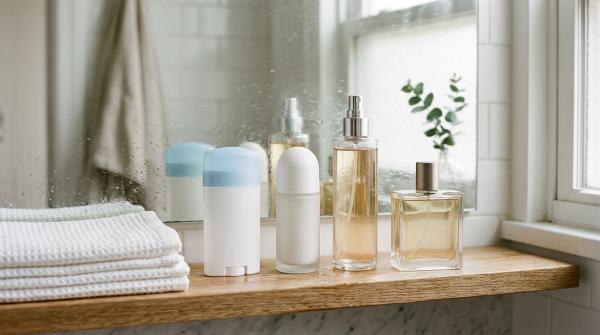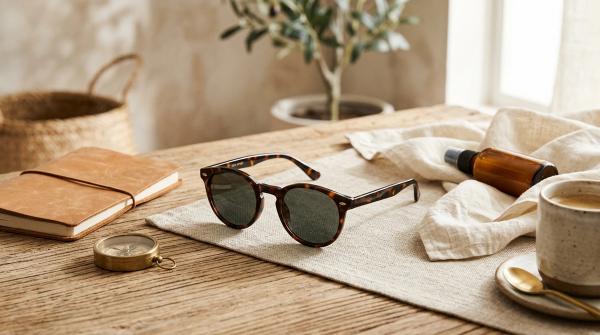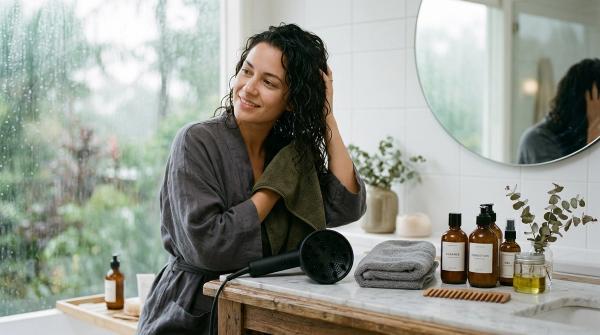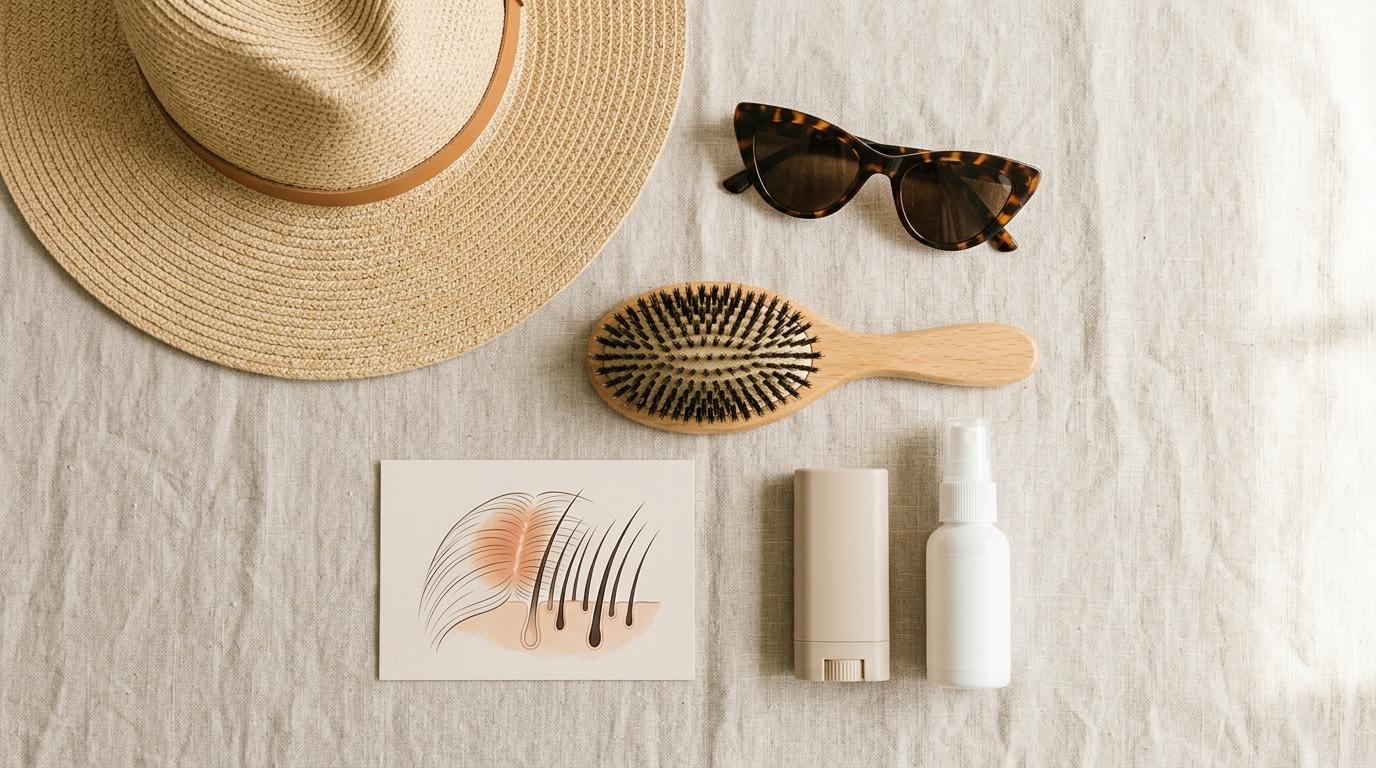
The simplest answer? If you’ll be outdoors for a long time, wear a hat. A good hat is usually the easiest and most reliable way to protect your scalp from the sun, especially during beach days, long walks, travel, outdoor sports, or hot summer commutes.
But hats are not always possible. Maybe they flatten your hair, feel too warm, or just don’t go with what you’re wearing. In that case, use a broad-spectrum SPF 30+ sunscreen on any scalp skin that’s visible, such as your part line, hairline, temples, thinning patches, or bald spots.
Hair SPF sprays and powders can also help, especially for touch-ups, oily roots, travel, and humid days. Just remember: they only work well if enough product actually reaches the exposed scalp.
Most of us remember sunscreen for the face, arms, and maybe the neck. The scalp usually gets ignored until the part line starts feeling hot, tight, itchy, or sore. Your scalp is skin too. If the sun can see it, it can burn it.
This guide keeps things practical for Indian summers, humid weather, beach trips, commutes, holidays, outdoor workouts, and all those times when you want sun protection without greasy roots.
Quick comparison: scalp sunscreen vs hat vs hair SPF
#The basic rule: protect the scalp you can see
#You do not need sunscreen under thick hair that fully covers your scalp. But if you can see scalp, the sun can reach it.
Pay attention to:
- Your part line
- The hairline
- The temples
- The crown, especially around cowlicks
- Thinning areas
- Bald spots
- Scalp exposed by braids, buns, short haircuts, or wet hair
Dermatology guidance commonly recommends broad-spectrum sunscreen with SPF 30 or higher on exposed skin, plus shade, protective clothing and hats. If you’re sweating or swimming, choose a water-resistant sunscreen and reapply it properly.
Option 1: A hat, best for long outdoor exposure
#If you want the least complicated option, wear a hat.
A wide-brimmed hat or UPF-rated hat gives your scalp physical protection without making your roots oily or sticky. It is especially useful for:
- Beach days
- Outdoor sports
- Long walks
- Sightseeing while travelling
- Hot commutes
- Thinning hair or bald spots
- Kids, or adults, who hate sunscreen in their hair
A hat also reduces how much you need to rely on sunscreen for your scalp. You may still need sunscreen on your face, ears, neck, and any scalp area the hat does not cover.
For hot and humid weather, choose something breathable. And if you keep taking your hat off for photos, snacks, or because it feels too warm, remember that your scalp is exposed during those breaks too.
Option 2: Scalp sunscreen or regular sunscreen, best for part lines and hairlines
#You do not always need a product labelled “scalp sunscreen.” A normal broad-spectrum SPF 30+ face or body sunscreen can be used on exposed scalp skin.
The real issue is how it looks and feels. Sunscreen lotion can make roots look flat, oily, or sticky if you rub too much into the hair.
How to apply sunscreen on a part line
#Try this:
- Make your usual part.
- Take a small amount of sunscreen on your fingertip, cotton bud, or small makeup brush.
- Dab it directly onto the exposed scalp.
- Try not to spread it all through the hair.
- Let it settle for a few minutes.
- Reapply when needed, especially after sweating or swimming.
For a clean centre part or side part, dabbing works better than rubbing sunscreen across the top of your head.
How to protect the hairline
#The hairline burns easily. It is also one of those places where sunscreen can run into your eyes when you sweat.
This is where a sunscreen stick can be really helpful.
Apply it along:
- The forehead hairline
- Temples
- Around the ears
- The nape of the neck if your hair is tied up
Avoid using runny sunscreen too close to your eyes. If a product stings or keeps sliding into your eyes, rinse carefully and use something more controlled, like a stick, in that area next time.
Option 3: Hair SPF sprays and powders, best for touch-ups and humid days
#Hair SPF sprays and powders can be useful, especially when lotion feels too greasy. But they are not magic. You still need to apply enough product, and it needs to reach the exposed scalp, not just sit on top of the hair.
SPF sprays
#Sprays are handy for:
- Thinning hair
- Bald patches
- Quick reapplication
- Travel bags
- Outdoor events where lotion feels messy
Use spray sunscreen carefully around the eyes and mouth, and follow the product label. Do not spray sunscreen directly into your face, and try not to breathe in the mist.
A safer way to use spray sunscreen:
- Spray it onto your hands first, then pat it onto the part line or hairline.
- If spraying near the scalp, close your eyes and mouth.
- Use it in a well-ventilated area.
- Do not spray into the wind.
- Let it dry before touching or styling your hair.
SPF powders
#SPF powders are popular because they feel light and less greasy. They can be great for part lines, oily scalp, and humid days when lotion feels like too much.
Use powder carefully:
- Tap or brush it directly onto visible scalp.
- Build coverage slowly.
- Do not rely on a tiny dusting for a full sunny day.
- Reapply after sweating, wiping, or touching your scalp.
Powders are convenient, but they are also very easy to under-use. For a full day outside, a hat or properly applied sunscreen is usually a stronger first layer.
What should you use for your situation?
#If you have a visible part line
#Use a broad-spectrum SPF 30+ lotion, scalp sunscreen, sunscreen stick, or SPF powder directly on the exposed skin. A cotton bud or small makeup brush can help you apply it neatly without coating your hair.
Best pick: scalp sunscreen lotion or SPF powder. For long sun exposure, add a hat.
If your hairline burns easily
#Use a sunscreen stick or lightweight lotion. If you sweat a lot, choose a water-resistant formula.
Best pick: sunscreen stick. Extra caution: keep it away from the eyes.
If you have thinning hair
#A hat is usually the most practical first layer because more scalp is exposed. If you are not wearing a hat, apply broad-spectrum SPF 30+ sunscreen to every visible scalp area. A spray can help, but only if you apply it evenly.
Best pick: wide-brimmed or UPF-rated hat. Backup: scalp sunscreen or hair SPF spray.
If you have bald spots
#Treat bald spots like any other exposed skin. Apply broad-spectrum SPF 30+ sunscreen generously and reapply as directed. For longer time outdoors, add a hat.
Best pick: hat plus sunscreen on exposed skin.
If you are travelling
#Carry something you will actually use. A small sunscreen stick, SPF powder, or scalp spray is often easier than carrying a large lotion bottle everywhere.
For sightseeing, beach trips, hill-station walks, treks, or hot city travel, try to combine:
- A hat
- Sunglasses
- Shade breaks
- Broad-spectrum SPF 30+ on exposed skin
- Reapplication during the day
Best pick: hat plus travel-friendly SPF stick or powder.
If the weather is hot, sweaty, or humid
#Sweat can move sunscreen around, dilute it, or make you wipe it off without noticing. For sweaty days, swimming, beach trips, or outdoor workouts, choose a water-resistant sunscreen.
General reapplication tips:
- Reapply sunscreen at least every two hours when outdoors.
- Reapply after swimming.
- Reapply after heavy sweating.
- Reapply after towel drying or wiping your scalp.
- Follow the product label, especially for water-resistance timing.
No sunscreen is truly “sweat-proof” or “waterproof.” Even if it feels like it stays put, reapplication still matters.
Eye and skin safety tips
#Scalp sunscreen is often used close to the eyes, especially around the temples and hairline. A little caution makes a big difference.
Keep these tips in mind:
- Avoid runny sunscreen too close to the eyes.
- Use sticks for better control near the hairline.
- Do not spray sunscreen directly at your face.
- Avoid breathing in spray sunscreen.
- Close your eyes and mouth if spraying near the scalp.
- Stop using a product if it causes rash, irritation, or allergy-like symptoms.
- Be careful with powders so they do not get into your eyes.
If you wear makeup, SPF powder can be useful for touch-ups. But it should not replace a proper first layer of sunscreen when you know you’ll be in strong sun.
The best scalp sun protection routine
#You do not need to overthink it. Keep it simple:
- Short outdoor time: Protect your part line and hairline with SPF 30+ if they are exposed.
- Long outdoor time: Wear a wide-brimmed or UPF-rated hat.
- Sweaty or humid days: Use water-resistant SPF and reapply.
- Thinning hair or bald spots: Treat exposed scalp like exposed skin.
- Travel: Carry an easy reapplication option, like a stick, spray, or powder.
The best product is the one you’ll actually use, not the one that stays untouched in your bag.
When to speak with a dermatologist
#This article is for general information only and is not medical advice, diagnosis, or treatment.
Consider speaking with a dermatologist if you have:
- Severe sunburn or blistering on the scalp
- A rash, irritation, or allergy after using sunscreen
- A spot on the scalp that changes, bleeds, hurts, or does not heal
- Repeated scalp burning even when you are trying to protect it
The scalp is hard to check on your own. If something looks or feels unusual, it is better to get it checked.