I’ve been thinking about this a lot lately... how most of us say we love “Indian food” but then our pantry basically stops at cumin, turmeric, maybe garam masala, and one fancy jar of ghee we’re weirdly saving for a special occasion. Which, okay, no judgement, me too for years. But 2026 food culture has gotten way more specific, more regional, more proudly small-scale. Chefs are talking about micro-seasonality, seed sovereignty, forgotten grains, fermentation, wild foraging, all that good stuff. And honestly? home cooks are finally catching up. That’s the fun part.
Over the last year and a bit, I kept noticing the same trend in restaurant menus, pop-ups, and chef interviews: hyperlocal pantry ingredients are not just garnishy conversation starters anymore. They’re the point. From millet tasting menus to single-origin jaggery, from native rice varieties to tiny citruses that make your whole kitchen smell alive, there’s this shift away from generic “pan-Indian” flavors and toward ingredients with a postcode, a season, a grandmother, a field. I love that. It feels more honest somehow.
Also, side note, 2026 has been a pretty wild year for Indian food conversations. More restaurants are foregrounding regional producers on menus, millet-forward cooking is still riding the momentum it built over the last couple years, and there’s way more interest in low-intervention pickling, wood-pressed oils, heirloom pulses, naturally brewed vinegars, even old-school sun-dried pantry things our parents considered boring. Suddenly they’re chic. Hilarious, but also deserved.
Why I’m obsessed with hyperlocal pantry stuff right now
#I think it started, weirdly enough, with a tiny packet of Kandhari pomegranate powder a chef friend handed me after dinner. “Try this on roasted pumpkin,” he said, all casual, as if he wasn’t changing my life. The next day I did it, and wow. Tart, fruity, a little dusky, almost floral. Not the same as amchur, not the same as sumac either. That one ingredient sent me down a proper rabbit hole. Then came Byadgi chilli, then kachri powder, then rice varieties I could barely pronounce correctly, and now my cupboard looks like a very confusing but exciting map of India.
The best pantry ingredients are the ones that make you cook differently, not just season more loudly.
So this isn’t a “buy all 12 immediately or your kitchen is a failure” kind of list. God no. It’s more like... if you wanna cook with more curiosity in 2026, here are the ingredients I think are worth tracking down. Some are easier to find online now because artisanal Indian grocery platforms have gotten better about origin-labeling. Some you’ll still have to beg a traveling cousin for. That’s part of the charm, honestly.
1) Banasura jeerakasala rice from Kerala
#This tiny, fragrant rice from Wayanad is one of those ingredients that makes plain steamed rice feel like an event. It’s traditionally used in biryani and ghee rice, and unlike long-grain basmati, it has this compact, almost sweet aroma that stays close to the food instead of shouting. I first ate it at a Malabar-style dinner where the biryani looked modest and then completely floored me. The grains were short-ish, tender, and so deeply flavored that I kept eating “just one more spoon” till I was mildly embarassed.
In 2026, I’m seeing more chefs highlight specific rice cultivars rather than just writing “aromatic rice” on menus, thank god. Banasura jeerakasala is lovely if you want subtlety. Cook it for mutton biryani, yes, but also with mushrooms, caramelized onion, and a little stock. It doesn’t need much. If you over-spice it, you kind of miss the point.
2) Kachri powder from Rajasthan
#If you’ve never used kachri, imagine a wild desert melon dried and ground into a tangy, faintly funky powder that can tenderize meat and add this almost sneaky sourness. Rajasthani cooks have known forever what some of us are only now figuring out in our city kitchens. I used it in a marinade for lamb chops last winter after reading about old desert cooking techniques, and me and him stood over the pan going, wait... why is this so good? It gives you acidity without the wetness of yogurt or lemon, which changes texture in a really useful way.
- Best for dry rubs on lamb, goat, mushrooms
- Also weirdly excellent in chana or roasted potato masala
- Use less than you think at first because it can get bossy fast
3) Byadgi chilli from Karnataka
#Okay yes, Byadgi isn’t exactly obscure-obscure anymore. But hyperlocal doesn’t have to mean secret. It just means rooted. And this chilli deserves the hype because it brings a gorgeous deep red color with relatively gentle heat. If Kashmiri chilli is your usual “color but not too much fire” move, try Byadgi and see how differently rounded it tastes. A little smokier to me, a little fruitier maybe. I’m not saying it’s better... actually I kind of am.
A lot of new-school Indian restaurants in 2026 are using named chillies the same way wine bars list grape varieties, and I’m fully here for that energy. Byadgi in chutney podi, in ghee tadka, in coastal curry pastes, in spiced butter over eggs... it just works. Buy whole dried ones if possible and grind small batches. Pre-ground chilli loses its soul pretty quick, sorry but true.
4) Hmar amsoi, the fermented bamboo shoot from the Northeast
#This one is for people who think their pantry needs more funk, more life, more little jars that scare guests. Amsoi and other regional fermented bamboo shoot preparations from Northeast India bring acid, aroma, and this earthy punch that can transform pork, lentils, even stir-fried greens. The first time I had a bamboo shoot pork dish made by a friend from the Northeast, I was honestly not prepared. It smelled intense. Then I took a bite and got it instantly. Sharp, savory, alive. It wakes the whole plate up.
There’s been a lot more attention in 2026 on Northeastern Indian cuisines beyond the usual token dishes, and about time too. More city restaurants and chef pop-ups are treating these pantry traditions with actual respect instead of novelty framing. If you can source fermented bamboo shoot from a trusted maker, do it. Start tiny. Tiny tiny. Then build from there.
5) Harsil rajma from Uttarakhand
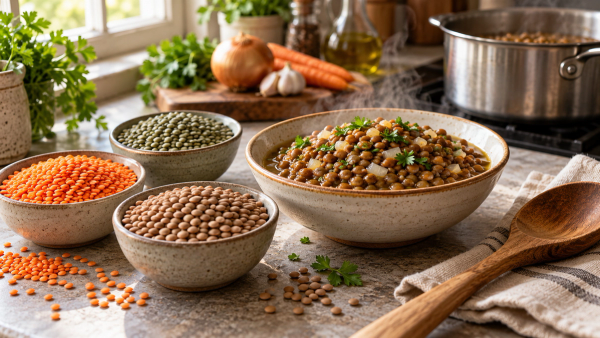
#Beans can be terroir-driven. I know that sounds a bit much, but it’s true. Harsil rajma, grown in the Himalayan belt, cooks up creamy with a thinner skin and a kind of clean sweetness that regular supermarket kidney beans just don’t have. I made a simple rajma one Sunday with only onion, tomato, ginger, cumin, and a bit of ghee, and the pot tasted weirdly complete. No cream, no black cardamom overload, no restaurant-style heavy hand. Just beans being excellent.
Heirloom pulses are having a real moment right now, partly because people care more about biodiversity and partly because they taste better, which is maybe the stronger argument if we’re being honest. So if you want one ingredient that feels both comforting and quietly fancy, this is it.
6) Nolen gur from Bengal, but use it beyond dessert
#I know, I know, nolen gur is seasonal and not exactly some underground secret. But in 2026 I’m seeing more cooks use date palm jaggery in savory glazes, salad dressings, and even smoky marinades, not just payesh and sandesh. That feels exciting. Its flavor is softer and more aromatic than generic jaggery, with almost a toasted caramel edge that can do beautiful things to roasted carrots, pumpkin, duck, or paneer.
I had a smoked beet chaat recently at a chef’s table that used a nolen gur-tamarind reduction and I’ve been annoying people about it ever since. It was sweet, sour, dark, sticky, fresh. Basically everything. If you get your hands on good nolen gur, don’t hide it in the back of the fridge waiting for winter dessert. Play with it.
7) Chak-hao, the black rice from Manipur
#Chak-hao is gorgeous. Almost annoyingly gorgeous. Deep purple-black grains, nutty aroma, and when cooked right it has this chewy, satisfying texture that makes plain rice bowls feel intentional. It’s long been treasured in Manipuri cooking, especially in desserts, but I love it in savory warm salads with herbs, roasted squash, peanuts, and a sharp dressing. It looks dramatic without trying too hard, which honestly is my ideal vibe in food.
With more diners asking where their grains come from, indigenous rice varieties like chak-hao have become part of the wider conversation around regional sourcing in 2026. Just don’t cook it like white rice and expect miracles. Give it time, a soak if you can, and enough water. It’s worth the slight extra faff.
8) Wood-pressed chekku gingelly oil from Tamil Nadu
#This is where pantry ingredients stop being “ingredients” and start being personality. Good wood-pressed sesame oil, especially the nuttier South Indian styles sold as chekku nallennai, can change a dish with half a teaspoon. Drizzle it over podi rice, use it in pickle masala, finish a kootu, toss it with hot idlis and chilli powder, whatever. The aroma is so specific and nostalgic that one whiff and I’m back at a friend’s house in Chennai, eating too many dosas while someone’s auntie insisted I hadn’t had nearly enough.
Cold-pressed and wood-pressed oils have become a much bigger thing in premium Indian pantry shopping lately, partly because people want traceability and less refining, partly because the flavor difference is ridiculous. If your sesame oil tastes flat, it’s not your imagination.
9) Goa’s coconut vinegar
#I’m a little evangelical about this one. Coconut vinegar has brightness, but also depth. It’s not as blunt as white vinegar and not as sweetly rounded as some cider vinegars. In vindaloo it’s classic, obviously, but I also use it in onion pickle, quick slaws, hot sauces, and even to sharpen bean stews. It has this fermented hum in the background that makes food taste more grown-up... if that makes any sense at all.
A bunch of contemporary Indian kitchens have been leaning harder into heritage vinegars and naturally fermented souring agents rather than defaulting to industrial acidity, and I think that’s one of the best flavor trends of 2026. More nuance, less sharp shock. Also if you splash a little into a pan sauce after frying fish? stupidly good.
10) Bhoot jolokia, but not how people usually talk about it
#Yes yes, ghost pepper, superhot, scary, internet challenge blah blah. But beyond the macho nonsense, bhoot jolokia has actual flavor. Fruity, almost citrusy, with a slow-building heat that can absolutely wreck your evening if you get cocky. A tiny bit in pickle, chutney, fermented hot honey, or smoked pork paste goes a long way. The trick is respecting it instead of performing with it.
I had a bhoot jolokia condiment at a Northeast-focused supper club that was served with grilled pineapple and pork fat potatoes, and it was one of those combinations that made the whole table go quiet for a second. That’s usually a good sign. Please wear gloves though. I didn’t once, and let’s just say I learnt the hard way. Horrible. Truly horrible.
11) Guntur gongura powder and leaves
#If your cooking needs more sourness but you’re bored of lemon and tamarind doing all the work, gongura is your friend. These sorrel-like leaves from Andhra cooking are intensely tangy and deeply savory when cooked down. Fresh leaves are fantastic in dal, mutton, chutneys, and stir-fries, but if you can’t source them fresh, even a good gongura pickle or powder can wake things up.
There’s something almost addictive about gongura. The tartness lingers in a different place on the tongue than tomato or tamarind. Hard to explain, easy to crave. I went through a phase of mixing a spoon of gongura pickle into hot rice with ghee and honestly? no regrets, not even a little bit.
12) Lakadong turmeric from Meghalaya
#This one’s probably the easiest gateway ingredient on the list, and for good reason. Lakadong turmeric has become famous for its high curcumin content, sure, but reducing it to wellness-marketing is kinda unfair. It tastes good. More vivid, warmer, less dusty than the anonymous yellow powder that’s been sitting in your cupboard since who knows when. The fragrance blooms fast in hot fat, and even simple dal seems brighter with it.
Turmeric has been pulled into every trend cycle possible, from immunity drinks to fancy lattes to skincare nonsense, but cooks in 2026 are also talking more seriously about provenance and fresh harvest quality. Which is where Lakadong really shines. Use it where you can actually taste it, not just where you want color.
A few actually useful tips before you blow your grocery budget
#Don’t buy all twelve at once. Seriously. You’ll feel virtuous for one afternoon and then stare at your pantry like it belongs to someone else. Pick maybe three. One grain, one souring ingredient, one aromatic or chilli thing. That gives you enough room to experiment without wasting money. Also, label jars with purchase dates because artisanal ingredients are not immortal no matter how cute the packaging is.
- Start with ingredients that fit what you already cook
- If you make dal a lot, get Harsil rajma or Lakadong turmeric, not five niche vinegars
- If you grill or roast, kachri and Byadgi are easier wins
- If you love pickles and bright flavors, coconut vinegar and gongura are a dream
And please, if possible, buy from sellers who tell you where the ingredient came from, when it was harvested, and who produced it. That traceability thing isn’t just foodie fluff. Hyperlocal ingredients mean more when the local part is visible and the producer isn’t erased. Bit preachy maybe, but I do feel strongly about it.
Where I’m seeing this show up in actual food right now
#What’s exciting is that this isn’t staying in the niche-chef corner anymore. More regional tasting menus, bakery collaborations, bottled condiment brands, and independent restaurants are building dishes around specific Indian pantry ingredients instead of vaguely “Indian-inspired” flavor clouds. I’ve noticed millet breads with native pickles, ice creams sweetened with regional jaggery, small-batch chilli oils made from named chillies, and rice-led menus where the grain is treated with the respect usually reserved for protein. About time, honestly.
I also think diners are asking smarter questions now. Not just “is it spicy?” but “what rice is this?” “what oil did you finish that with?” “is that local sesame?” That shift matters. It tells restaurants there’s a real appetite for nuance. Maybe not everyone cares, sure, but enough people do that suppliers and cooks are responding. And then home cooks get curious too, which is how this stuff spreads in the best possible way.
Final pantry ramble
#Anyway, if I had to sum it up, 2026 feels like the year Indian pantries got more specific, more regional, more proud of their weird little details. And that makes me stupidly happy. These 12 ingredients aren’t trendy in a shallow way, or at least they don’t have to be. They can lead you toward better cooking, better sourcing, and honestly better stories. Every time I open a jar of something from one particular valley, coast, hill, or dry patch of desert, I’m reminded that “Indian cuisine” was never one thing. Thank god for that.
If you try even one of these, I’d say start with the one that feels a bit unfamiliar but not terrifying. That’s usually where the good stuff happens. And if you want more rambling food notes like this, plus recipes and very opinionated restaurant thoughts, well... you know, have a scroll through AllBlogs.in.