Every year, the first proper rain hits my window and my brain immediately goes, “chai.” Not weather app, not laundry, not traffic warnings. Chai. And with that chai, obviously, something fried. Onion pakora, mirchi bajji, aloo chop, corn tikki, whatever is hot enough to burn my tongue and make me regret nothing. But somewhere between my romantic monsoon cravings and my actual stomach, there is this slightly boring but very important thing I’ve learned the hard way: rainy-season vegetables in India need respect. Like, actual respect. Not fear, not drama, just some common sense and a bit of extra washing, cooking, choosing, storing. Because monsoon food is glorious, but the season is also basically a free buffet for bacteria, mould, flies, muddy water, and all those tiny troublemakers we pretend don’t exist when we are busy eating pani puri in the rain.
I didn’t always think like this. I used to be that person who bought coriander from the wettest corner of the mandi because it looked “fresh” and smelled amazing, then came home, rinsed it for exactly 4 seconds, chopped it over poha, and felt very farm-to-table. Then one July, many years back, after a beautiful plate of homemade kachumber with tomatoes, cucumber, onion and suspiciously gritty dhania, my stomach staged a protest. Not cute. Not blog-worthy. Just me, ORS, and my mother saying, “I told you to soak it properly.” Since then, monsoon vegetable safety has become one of those kitchen rituals I’m weirdly passionate about. I still eat everything, ok. I am not living on boiled lauki sadness. But I’m more careful now, especially with leafy greens, cut salads, sprouts, and street-side raw chutneys.
Why Monsoon Vegetables Get Tricky, Even When They Look Gorgeous
#Rain does beautiful things to food. Bhutta tastes sweeter when roasted under a plastic sheet by the roadside. Methi paratha feels more comforting. Ridge gourd, bottle gourd, pumpkin, brinjal, colocasia leaves, drumsticks, beans, all of it suddenly starts appearing in home kitchens with that proper seasonal feeling. But the same rain also splashes soil onto crops, floods markets, raises humidity, slows drying, and sometimes mixes clean and dirty water in ways we really don’t want to imagine before dinner. Vegetables can carry soil, pesticide residue, parasites, bacteria like E. coli and Salmonella, and even fungal growth if they’ve been sitting damp for too long. Leafy greens are especially dramatic in monsoon because their folds trap mud and moisture like they’re collecting evidence.
The official advice from food-safety folks is not very glamorous, but it works: keep raw and cooked food separate, wash hands and surfaces, cook thoroughly, keep food at safe temperatures, and use safe water. WHO calls these the Five Keys to Safer Food, and honestly, my nani was doing half of it before anyone made a poster. In India, FSSAI also keeps pushing basic hygiene, proper washing, avoiding contaminated water, and buying from clean vendors. Sounds simple, but simple things become slippery in the rains. Your vegetable basket is wet, the chopping board has raw mud on it, the power goes, the fridge warms up, and suddenly yesterday’s palak paneer is a little too adventurous.
My Rainy-Morning Mandi Rule: If It Smells Wrong, Walk Away
#I love Indian vegetable markets in the rain. I know, chaos, puddles, bargaining, scooters trying to enter spaces where scooters should not exist. But there is also this amazing smell of wet earth, green chillies, curry leaves, and fresh ginger. I once bought the most beautiful bunch of amaranth leaves from a vendor in Pune during a proper filmi downpour. The leaves looked like they were painted, dark green with reddish stems. I imagined a quick garlic-laced saag, maybe with jowar bhakri. Very wholesome. Then I got home and opened the bag and there was this faint slimy smell at the bottom. Not rotten exactly, but not right. Earlier me would’ve trimmed it and cooked it anyway. Current me, older and stomach-wise, threw the bottom half away and cooked only the crisp leaves after a long soak.
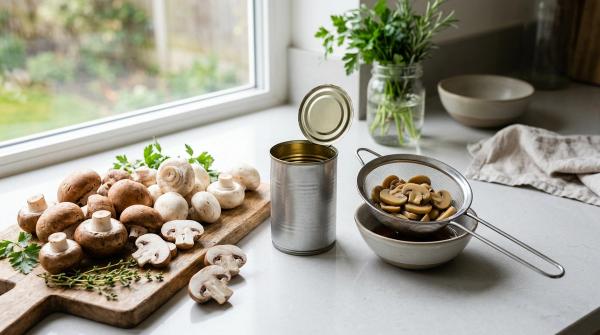
Here’s my personal rule now: vegetables should smell like themselves, not like a wet towel forgotten in a gym bag. Leafy greens should be perky, not limp and sticky. Tomatoes should not have black bruises or watery cracks. Cauliflower should not have fuzzy patches. Mushrooms, if you’re buying them, should be firm and dry-ish, never soggy. Coriander and mint are allowed to look delicate, but if the stems are black and slimy, no thanks. And please don’t buy pre-cut pumpkin, lauki, watermelon, papaya, or salad from stalls sitting open in rainwater and traffic dust unless you really, really trust the place. I know it’s convenient. I also know my stomach has a memory.
The Vegetables I Treat With Extra Suspicion During Rains
#Not all vegetables are equally risky. Some are just easier to clean and cook. Bottle gourd, pumpkin, ridge gourd, carrots, potatoes, beans, brinjal, and gourds generally feel manageable because you peel or cook them well. Leafy greens are the fussy ones. Spinach, methi, bathua if available, chaulai, colocasia leaves, spring onion greens, lettuce, cabbage, coriander, mint, all these need extra attention. Sprouts too. I know sprouts are healthy and crunchy and everyone’s gym friend loves them, but in warm humid weather, raw sprouts can be risky because the same conditions that help them grow also help bacteria grow. I either steam them, toss them in a hot pan, or add them to usal. Raw sprout salad in peak monsoon? For me, no.
- Leafy greens: wash in multiple changes of clean water, then cook properly. No lazy rinse.
- Coriander and mint chutney: make small batches, use safe water, refrigerate, finish quickly.
- Raw salads: peel when possible, avoid if the water source is doubtful, especially outside.
- Sprouts: steam or cook them in monsoon, especially for kids, elders, pregnant people, or anyone with low immunity.
- Mushrooms: buy from a reliable shop, keep cold, cook the same day if you can.
My Washing Ritual, Which Looks Extra But Saves Dinner
#I used to laugh at people who had elaborate vegetable-washing routines. Now I am those people. First, I wash my hands. Obvious, but we forget. Then I remove rubber bands, rotten leaves, roots with clumps of soil, and anything that looks tired. For leafy greens, I fill a big bowl with clean water, dunk the leaves, swish them around, wait for the mud to settle, lift the greens out, throw the water, and repeat. Sometimes three times. Sometimes five, if the spinach came with half the farm attached. Do not just pour water over greens in a colander and call it done. The mud hides. It has ambition.
For firm vegetables like carrots, cucumbers, gourds, potatoes, and capsicum, I scrub under running potable water. If I’m eating cucumber raw at home, I peel it in the monsoon. Tomatoes get washed well and usually cooked into rasam, sabzi, chutney, dal, or gravy. I do use vinegar or salt-water soaks sometimes, but I don’t treat them like magic disinfectants. They can help loosen dirt, sure, but they do not make dirty water safe and they don’t replace cooking. Also, don’t use soap or detergent on vegetables. I’ve seen people do it after those scary WhatsApp forwards. Please don’t. Vegetables absorb smells, and soap is not a masala.
Cooking Is My Favorite Food-Safety Hack, Honestly
#There is a reason Indian monsoon food is so often hot, spicy, fried, steamed, roasted, or simmered. Cooking makes many foods safer, and it also makes them delicious, which is convenient. A proper boil in sambar, a hot tadka over dal, a high-heat stir-fry for beans, steaming patra made with colocasia leaves, pressure-cooking vegetables for pav bhaji, roasting bhutta until it chars slightly, all of this is not just flavour. It’s safety with ghee on top. I’m not saying deep frying fixes everything, because old oil and dirty batter are their own horror story, but hot freshly cooked food is usually a better bet than room-temperature wet snacks sitting around.
One of my favorite rainy dinners is palak moong dal with garlic tadka, steamed rice, pickle, and papad roasted directly on the flame till it curls at the edges. Very basic. Very perfect. The palak gets cleaned like royalty, chopped, cooked down with dal, then finished with jeera, garlic, hing, and a tiny green chilli. Another one is lauki chana dal, which people insult for no reason. Lauki is gentle, it absorbs spices, it behaves. During monsoon I find myself cooking more gourds, pumpkins, beans, and brinjal because they can take heat and masala nicely. Raw lettuce bowl? Maybe in December. In July, give me tori with ajwain and hot phulka.
Street Food in the Rain: I Am Weak, But I Have Rules
#Listen, I’m not going to sit here and pretend I don’t eat street food in the monsoon. That would be lies. If I smell fresh bhutta with nimbu and chilli salt, I become a different person. If someone is frying kanda bhaji while rain hits the tarpaulin, I will stand there like a devotional statue. But I have rules now, because I have suffered and I have learned. I choose stalls with high turnover, where food is being made fresh in front of me. I avoid raw chopped onion garnish if it’s been sitting uncovered. I don’t take watery chutney from a bucket that looks like it has been through three weather systems. I skip pani puri when the water source feels doubtful, even though it hurts my soul a little.
Restaurants are also changing, and this is where the 2026 food scene feels interesting. More places, especially in big cities, are showing off ingredient traceability, hydroponic greens, QR-coded supplier stories, and “zero-waste monsoon menus” with local gourds, millets, and fermented sides. Some modern Indian restaurants now talk about ozone-washed produce or RO-water vegetable prep in their open kitchens. I like the transparency, even if sometimes it feels a bit too marketing-ish. Still, if a restaurant can tell me where its greens come from and how they wash them, I’m listening. The farm-to-table trend has matured from pretty microgreens on everything to actual questions about water, soil, and storage. Good. About time.
A Quick Table I Actually Use Before Buying Vegetables in Monsoon
#| Vegetable or ingredient | What I check in the rainy season | How I usually eat it safely |
|---|---|---|
| Spinach, methi, amaranth | No slime, no sour smell, leaves not black at the stem | Multiple washes, then cooked in dal, saag, paratha filling, or stir-fry |
| Coriander and mint | Fresh smell, not muddy-black at the base | Washed well, dried, made into small-batch chutney with safe water |
| Cucumber and carrot | Firm, no cracks filled with dirt, no soft spots | Scrubbed, peeled if raw, or lightly cooked when I’m unsure |
| Cabbage and lettuce | No rotten outer leaves, no trapped mud or insects | Outer leaves removed, washed leaf by leaf, mostly cooked in monsoon |
| Sprouts | No sour smell, not sticky, bought very fresh | Steamed, sautéed, or cooked into usal instead of raw salad |
| Mushrooms | Dry, firm, clean pack, reliable vendor | Refrigerated and cooked the same day with high heat |
| Gourds and pumpkin | Firm skin, no mould on cut edges | Peeled, cooked thoroughly in sabzi, dal, sambar, or curry |
Storage: The Unsexy Part That Ruins So Much Good Food
#I used to come home from the market, dump everything into the fridge in those thin plastic bags, and feel very accomplished. Then two days later the coriander would become green soup and the beans would smell like regret. Monsoon humidity is brutal. Now I dry vegetables as much as possible before storing. Leafy greens get wrapped loosely in a clean cloth or paper towel and kept in a container. Herbs are washed only if I’m using soon, or else I trim and store them carefully, not drowning wet. Mushrooms stay in breathable packaging. Cut vegetables go into clean airtight boxes and are used quickly. Cooked food goes into the fridge once it cools a bit, not after sitting on the counter for half the night while everyone discusses politics.
Power cuts are another thing. If your fridge has been off for hours and food feels warm, be careful. Reheating is not a time machine. It may kill some bacteria, but it won’t always fix toxins already produced in badly stored food. I know throwing food feels awful, especially with prices going up and vegetable shopping becoming expensive in many cities. But there are days when safety wins. I’ve started cooking smaller portions during heavy rains, especially leafy dishes. Finish the palak today, don’t make it prove itself tomorrow.
What I Avoid When Eating Out During Heavy Rain
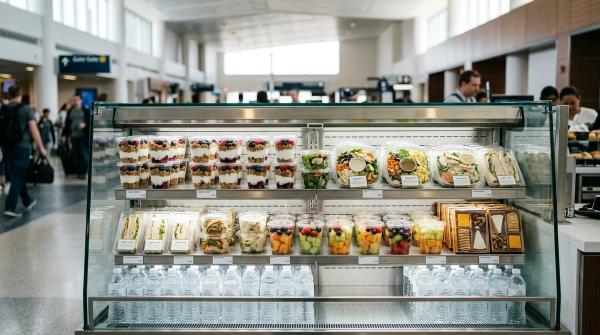
#This is not a snob list, okay. Some tiny places are cleaner than fancy cafes, and some fancy cafes have salad counters that look tired by 4 pm. I look for habits. Are the vegetables covered? Is the chopping area dry-ish and clean? Is the cook handling money and then raw salad without washing hands? Is the chutney chilled or just sitting there? Are flies having a conference on the garnish? I also avoid buffets where salads and cut fruit sit out for too long in humid weather. Watermelon cubes, raw sprouts, mayo-heavy coleslaw, open raita, all these are risky if temperature control is sloppy.
On the other hand, I happily order steaming rasam, hot thukpa, khichdi, freshly made dosa, pav bhaji from a busy stall, misal that is bubbling, momos from a place where they are being steamed constantly, and vegetable cutlets fried fresh. I had a gorgeous monsoon thali last season at a small coastal-style place, the kind with kokum saar, red rice, pumpkin bhaji, tendli, and a hot cabbage poriyal that came straight from the pan. Nothing raw except a lime wedge. I still think about that cabbage, which sounds ridiculous but food people will understand. It was simple and safe and comforting in that rain-on-the-roof way.
Kids, Elders, Pregnancy, and Sensitive Stomachs Need a Little More Care
#At home, I adjust depending on who is eating. My father loves raw onion and cucumber with every meal, but during monsoon we wash, peel, and keep portions small. For my little niece, we avoid raw sprouts and street chutneys completely in the rains. For elders, I cook greens thoroughly and keep spices balanced because a stomach upset can hit them harder. Pregnant people and anyone with weaker immunity should be extra cautious with raw salads, unwashed herbs, cut fruits from outside, and refrigerated leftovers. This is not about making food boring. It’s about choosing the safer version. Like, instead of raw sprout chaat, make warm moong usal with coconut and lime. Instead of lettuce salad, do koshimbir with peeled cucumber at home and eat it immediately. Instead of cold palak smoothie, please just make palak paneer and be happy.
The 2026 Kitchen Trend I Actually Like: Smarter Cleaning, Not Fear-Based Cleaning
#One thing I’m seeing more in home kitchens now is people buying salad spinners, vegetable brushes, produce-drying cloths, fridge storage boxes with vents, and even small ozone or ultrasonic cleaners. I have mixed feelings. A brush and salad spinner? Love. Vent boxes? Useful if you don’t overstuff them. Ozone cleaners? Some people swear by them, but I still wouldn’t use them as an excuse to eat questionable raw greens. The real innovation, to me, is boring but powerful: better cold-chain grocery delivery, more traceable produce, hydroponic lettuce grown in controlled systems, and restaurants taking wash water seriously. Also millets and regional vegetables are still having their moment, which makes me happy because monsoon food doesn’t need imported salad leaves to feel modern.
I’ve been enjoying menus that celebrate Indian rainy-season produce properly. Colocasia leaf patra, jackfruit seed curry, pumpkin with mustard, ridge gourd peel chutney, moringa leaves cooked into adai, corn and millet khichdi, banana stem, gongura, bamboo shoot in the Northeast, seasonal mushrooms in regions where people know what they’re doing. But please, for wild mushrooms, don’t freelance. Buy from trusted sources or eat them in communities and restaurants that actually know the varieties. Every monsoon there are mushroom poisoning warnings in different places, and it’s scary. Food adventure is great. Guessing mushrooms is not adventure, it’s a bad plan.
My Monsoon Vegetable Safety Checklist, The One Stuck in My Head
#- Buy vegetables from vendors who keep produce off dirty water and rotate stock fast.
- Avoid slimy, mouldy, cracked, or foul-smelling vegetables, even if the discount is tempting.
- Wash leafy greens in a bowl with several water changes, not just a quick splash.
- Use clean drinking-quality water for final rinsing, chutneys, salads, and cooking.
- Cook greens, sprouts, mushrooms, and cut vegetables well during peak monsoon.
- Keep raw vegetables separate from cooked food on boards, knives, plates, and fridge shelves.
- Refrigerate leftovers quickly and don’t keep cooked leafy dishes for too many days.
- When eating out, choose hot freshly cooked food over raw garnishes and uncovered salads.
Monsoon food should feel like comfort, not a gamble. I still want the pakora, the bhutta, the saag, the chutney, the whole rainy drama. I just want it washed, hot, and not plotting against me.
A Rainy-Day Meal I Make When I Want Comfort Without Worry
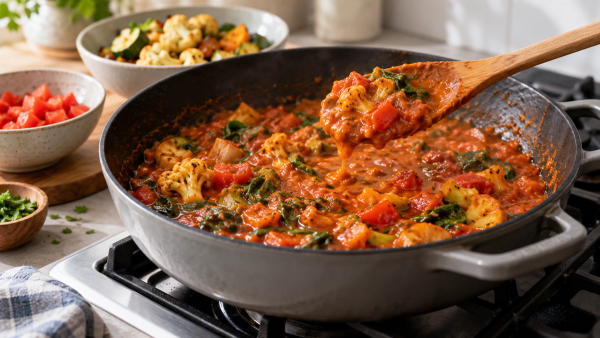
#If you came to my house on a wet evening, there’s a good chance I’d make you vegetable khichdi with whatever feels safest and freshest: lauki, carrots, beans, pumpkin, maybe peas if they’re good, a handful of well-washed spinach added early enough to cook properly, moong dal, rice or little millet, ginger, turmeric, and ghee. Then a tadka with cumin, garlic, curry leaves, and black pepper. On the side, roasted papad, homemade pickle, and curd only if it’s fresh and properly refrigerated. It’s not Instagram drama food, but it is the kind of food that makes the rain sound nicer. And if there’s leftover coriander, I make a quick cooked chutney: coriander, garlic, green chilli, a little coconut, then I temper it and cook it for a couple of minutes. Raw green chutney is amazing, but cooked chutney in monsoon has its own charm.
Another favorite is bhutta-inspired corn usal. Fresh corn kernels, steamed first, then tossed with mustard seeds, curry leaves, hing, turmeric, chilli, grated coconut, lime, and lots of coriander that has been washed like it’s going to an exam. It tastes like roadside corn met Maharashtrian home cooking and they got along beautifully. Sometimes I add boiled peanuts. Sometimes I add nothing because I’m hungry and impatient. Food safety doesn’t mean perfection. It means paying attention where it matters.
Final Thoughts From a Rain-Obsessed Food Person
#I don’t want anyone to become scared of vegetables in the rainy season. That would be such a sad overcorrection. India’s monsoon kitchens are full of brilliant food: patra, bhajiya, saag, gourds, corn, dal, sambar, khichdi, thoran, chutneys, steaming soups, and regional dishes that make the season feel alive. But the rain changes the rules a little. Buy better, wash slower, cook hotter, store smarter, and be picky when eating raw food outside. That’s it. You can still have joy. You can still lick chilli salt off your fingers after bhutta. You can still argue that your city has the best pakoras. Just don’t ignore the muddy coriander at the bottom of the bag, because trust me, it remembers.
And now, because writing about this has made me ridiculously hungry, I’m going to make chai and maybe onion pakoras, the fresh hot kind, not the sad reheated ones. If you love these slightly messy food rambles and practical kitchen notes, wander over to AllBlogs.in sometime. There’s always something tasty to read there, especially when the rain is doing its full drama outside.