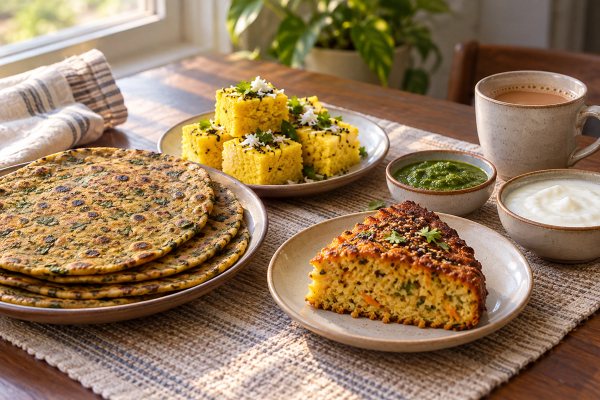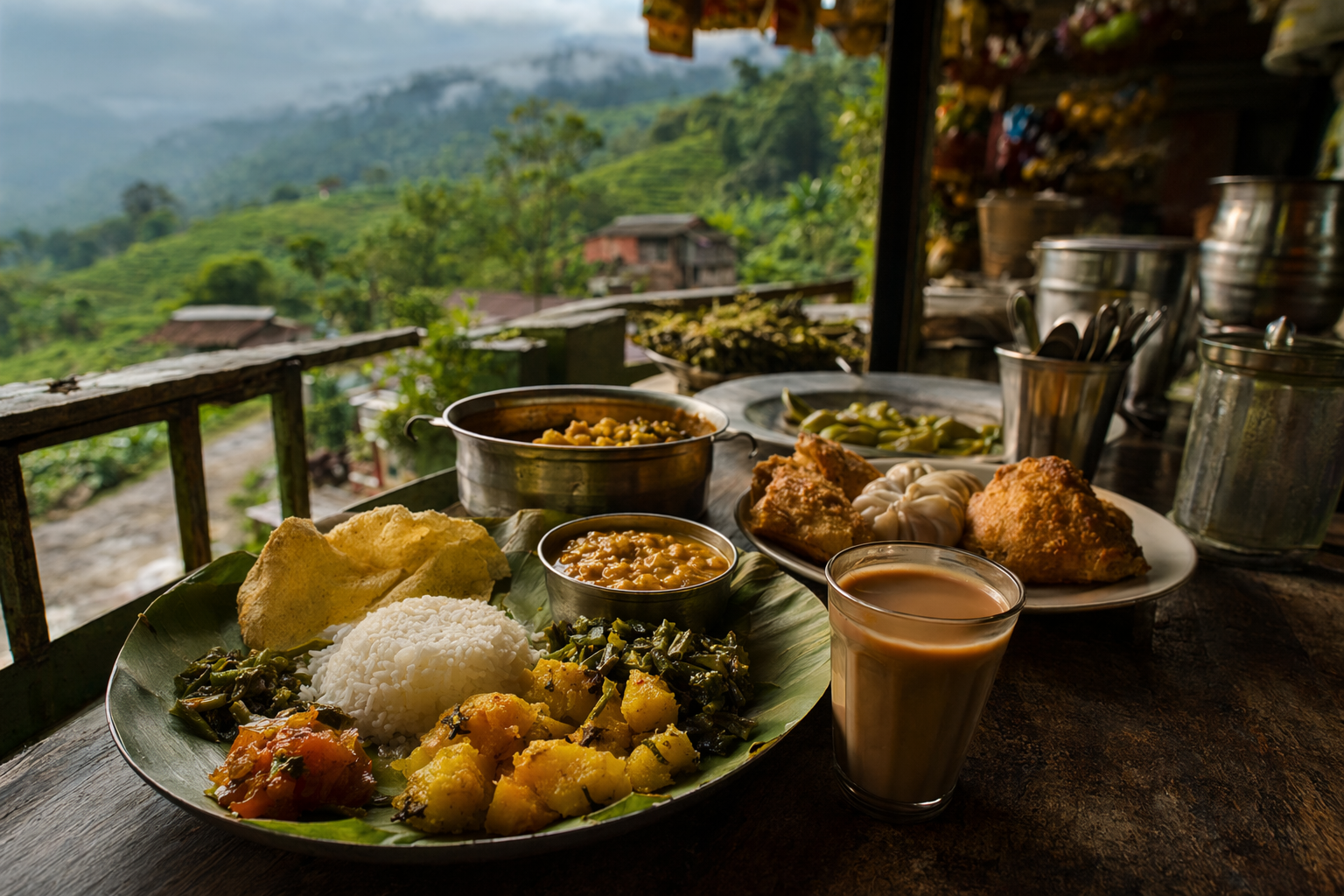
I have this slightly dramatic belief that tea gardens are best seen in the monsoon. Not the postcard-clear winter version, though that’s lovely too. I mean the wet, misty, sock-damp, hair-frizzing version where the road disappears into fog, cicadas get loud, and every food stop feels like a rescue mission. A hot plate of momos in Darjeeling. Fish tenga in Assam while rain hits the tin roof. Peppery rasam in the Nilgiris. Appam and stew after a very slippery walk through Munnar’s tea slopes. That kind of trip stays with you.
This guide is stitched together from my own tea-garden wandering across Darjeeling, Dooars, Assam, Munnar and the Nilgiris, plus the food-travel shifts I keep seeing in 2026: slower tea estate stays, estate-to-cup tastings, hyperlocal menus, zero-waste kitchens, fermented foods, small group culinary walks, and travellers wanting actual regional meals instead of one more generic buffet. Thank god, honestly. Because the best food near Indian tea gardens is usually not fancy. It’s steamy, local, seasonal, often eaten with wet shoes under the table.
First, why monsoon makes tea garden food taste better
#Monsoon changes everything. The tea bushes go glossy and electric green. Hillsides smell of wet soil, eucalyptus, moss, cardamom, woodsmoke, and sometimes leeches, if we’re being honest. The appetite changes too. You stop craving delicate food. You want broth. Spice. Frying oil. Fermentation. Rice. Something sour and hot and alive. In tea regions, that means food gets deeply comforting: thukpa, aloo dum, bamboo shoot pork, smoked fish, Kerala stew, Nilgiri pepper chicken, pakoras with estate tea so strong it could probably negotiate a border dispute.
Also, travel itself has changed. By 2026, tea tourism in India isn’t just a quick factory tour and a cup of orange pekoe anymore. More estates are offering guided plucking sessions, tasting flights, chef-led village meals, picnic lunches near streams, tea-infused desserts, and little menus built around what grows nearby. I’m seeing more travellers asking for less plastic, fewer buffet spreads, local grains, millet breakfasts, and regional home-style food. It’s a good trend. I hope it sticks.
Darjeeling: mist, momos, first flush dreams and that famous rainy-day hunger
#Darjeeling in the monsoon is moody. Sometimes too moody. One minute you’re looking at a valley full of tea, the next minute everything is white fog and you’re arguing with Google Maps like it personally betrayed you. But food-wise? Darjeeling in rain is ridiculous in the best way. Start your morning at Keventer’s if you want the old-school breakfast thing, sausages, eggs, toast, tea, that terrace view when the clouds allow it. Glenary’s is still the classic bakery stop, especially if you need cake after being rained on for no good reason. I know it’s touristy. I don’t care. Some places are famous because they actually do the job.
For proper soul-warming food, I usually head toward Kunga Restaurant for Tibetan and Nepali plates: momos, thukpa, shapta if you eat meat, and that broth that fixes whatever the weather ruined. Sonam’s Kitchen is another cosy one, more breakfasty, with pancakes and eggs and coffee, but during monsoon I like places where the windows fog up and everyone is eating from bowls. Nathmulls Tea Room is worth a stop for tasting Darjeeling teas properly, especially if you’re trying to understand the difference between first flush brightness and the fuller, rain-fed monsoon character. Not every monsoon tea is delicate, and that’s kinda the point. It has body.
- Near tea gardens like Happy Valley, Makaibari, Glenburn and Chamong, ask about estate lunches before you arrive. Some require advance booking, especially in the rainy season.
- Try Darjeeling aloo dum with wai-wai or sel roti if you see it. It’s simple, spicy, cheap, and better than half the polished cafe food people line up for.
- Carry cash. Rain, hills and card machines are not always friends.
My Darjeeling rain meal I still think about
#One afternoon near Lebong, I got caught in that sideways hill rain that makes umbrellas feel decorative. A taxi driver took pity on me and dropped me near a tiny place with steamed windows and no real signboard, just a woman folding momos faster than I could blink. I had pork momos, a bowl of thukpa, and sweet milk tea. Nothing fancy. The table wobbled. My jeans were soaked. Someone’s kid was doing homework beside sacks of onions. But the momo filling had ginger, onion, fat, pepper, and that clean steam smell, and the soup had this plain, honest warmth. I remember thinking: this is exactly why I travel for food. Not for perfection. For this.
Dooars: the underrated monsoon food belt between forest and tea
#People rush to Darjeeling and Assam and forget the Dooars, which is unfair because this region has such a gorgeous mix of tea gardens, forest roads, rivers, Bengali food, Nepali snacks, tribal food traditions, and simple roadside meals. The monsoon here is lush but heavy, so check road conditions around places like Chalsa, Lataguri, Malbazar, Murti and Buxa. Tea gardens like Dam Dim, Samsing, Phaskowa and areas around Gorumara and Jaldapara have that deep green monsoon atmosphere. Food stops are often dhabas, homestays, forest lodges, and small town eateries rather than famous restaurants.
What should you eat? Rice with river fish curry. Mustardy Bengali-style fish if it’s available. Chicken curry with potatoes. Steamed momos from roadside stalls. Hot jalebis in the morning if you find a sweet shop frying them fresh. In some homestays, you might get local greens, bamboo shoot preparations, dal, chutneys, and country chicken. I had one lunch near Murti where the dal was smoky from the firewood, the rice was soft, the fish curry had this sharp mustard kick, and outside the rain was making the whole forest look like it had been newly painted.
Assam: tea country with the best rainy thalis, smoke, sour fish and proper black tea
#Assam is where tea becomes landscape at a massive scale. The estates stretch and stretch, especially around Dibrugarh, Jorhat, Tinsukia, Tezpur and the Brahmaputra belt. In monsoon, the skies can be dramatic and the river can be serious, so plan carefully. But the food, oh the food. Assamese cuisine is gentle and bold at the same time, which sounds contradictory but isn’t. It uses less oil than many Indian restaurant styles, but the flavours hit from souring agents, herbs, smoke, mustard, bamboo shoot, fermented things, and fish that tastes like the river.
If you’re flying through Guwahati, I like using the city as a food gateway before going deeper into tea country. Khorikaa is a known stop for Assamese grills, thalis and smoked meat flavours. Michinga is another place people talk about for regional plates and rice-beer style cultural references, though availability and rules change, so ask locally. Once you move toward Jorhat or Dibrugarh, food gets more estate and homestay driven. Thengal Manor near Jorhat, Wild Mahseer near Balipara, and Diphlu River Lodge near Kaziranga are the kind of places where meals often bring in local ingredients and Assamese home-style cooking, not just standard hotel fare.
| Tea region | Rainy-season food stop idea | What I’d order first |
|---|---|---|
| Darjeeling | Kunga, Glenary’s, Nathmulls, estate lunches | Pork momos, thukpa, Darjeeling tea tasting |
| Dooars | Homestays, forest-road dhabas, small town sweet shops | Fish curry, rice, jalebi, chicken curry with potatoes |
| Assam | Guwahati Assamese restaurants, Jorhat/Dibrugarh estate stays | Fish tenga, duck curry, xaak, bamboo shoot pork |
| Munnar | Tea estate cafes, local Kerala messes, homestay kitchens | Appam stew, puttu kadala, beef fry or veg curry |
| Nilgiris | Coonoor/Ooty cafes, Badaga meals, tea tasting rooms | Ooty varkey, pepper chicken, avarai beans, Nilgiri tea |
What to eat in Assam when the tea gardens are dripping wet
#Start with an Assamese thali if you’re new to the cuisine. You’ll usually get rice, dal, vegetables, herbs, maybe fish or meat, pickle, and something sour or bitter depending on the kitchen. Fish tenga is the monsoon hero for me, a light sour fish curry often made with elephant apple, tomato, lemon or other local souring ingredients. It wakes you up without shouting. Duck curry is richer and beautiful when done well. Pork with bamboo shoot is sharp, funky and comforting, especially if you like fermented flavours. Xaak, local greens, are everywhere and never boring. And jolpan, the breakfast/snack world of flattened rice, curd, jaggery and sometimes cream, is perfect before a long tea estate drive.
Assam tea itself deserves more attention from travellers who only know it as strong breakfast tea. In 2026, more estates and boutique hosts are doing guided tastings of orthodox Assam, CTC, green tea, white tea and experimental batches. Ask for second flush if you like malt and depth. During the rainy months, tea tastes different, less floral than spring teas maybe, but bold and very satisfying with fried snacks. I had black Assam tea with pitha one evening near Jorhat and, not to be annoying about it, but it made most cafe chai back home feel like sweet brown water.
Munnar: Kerala rain, tea hills and breakfasts that make you slow down
#Munnar during monsoon is pure theatre. Waterfalls everywhere, tea slopes rolling like green fabric, clouds sitting low on the road, and cardamom forests nearby adding that sweet-spicy smell to everything. The catch is landslides and road closures can happen, so don’t make tight plans. Give yourself extra time. Food here is a mix of Kerala staples, Tamil influences, plantation-era bakery habits, spice garden tourism, and very practical hill-station snacks.
For casual eating, Rapsy Restaurant in Munnar town has been a backpacker favourite for ages, especially for Kerala meals, parotta, biryani and quick plates. Saravana Bhavan is popular for South Indian vegetarian breakfasts and meals, and yes, there may be queues. I’ve had very good appam with vegetable stew at homestays around Munnar, and honestly that’s where Kerala food shines: a small kitchen, coconut milk, curry leaves, black pepper, soft appam, rain outside. If you eat meat, Kerala beef fry with parotta after a cold wet day is dangerous because you’ll want to nap immediately.
- Do a tea museum or factory visit, but don’t stop there. Ask where workers eat, where locals buy snacks, and which bakery has fresh banana fritters.
- Try pazham pori, parippu vada, puttu with kadala curry, appam stew, and fish curry if you’re coming from Kochi or Thekkady side.
- Spice plantation lunches can be hit or miss. The good ones explain pepper, cardamom, clove, cinnamon and actually cook with them, not just sell you packets.
The Munnar meal that felt like a blanket
#I stayed once in a small place outside town where dinner was served on a covered verandah. Rain was so loud we had to half-shout. The cook brought red rice, sambar, cabbage thoran, mango pickle, papad, a coconut-heavy vegetable curry and tea that tasted faintly smoky because the kitchen used an old stove. It wasn’t a tasting menu. Nobody was styling the plate. But after a day of walking through damp tea paths, that meal felt like a blanket. This is something fancy food travel sometimes forgets: hunger and weather are ingredients too.
Nilgiris: Ooty, Coonoor and the tea-food trail people underestimate
#The Nilgiris have a different mood from Darjeeling or Assam. Softer light, eucalyptus, old bungalows, market vegetables, bakeries, Badaga food traditions, Tamil meals, Anglo-Indian leftovers from colonial hill-station culture, and fragrant Nilgiri tea that’s often brighter and more aromatic than people expect. Monsoon can be gentler in parts compared with the northeast, though heavy rain still happens, especially on ghat roads. Coonoor is my favourite base because it’s calmer than Ooty and close to tea estates, viewpoints and good eating.
In Ooty, Earl’s Secret at King’s Cliff is the kind of place people go for colonial bungalow atmosphere, soups, continental plates and a slow lunch. The Culinarium around Coonoor has been loved for breads, pastries, quiches, desserts and mountain views, though check timings before heading out because hill cafes can change schedules. For tea, Tranquilitea in Coonoor is known for Nilgiri tea experiences and tastings. Also, don’t leave without trying Ooty varkey, the flaky local bakery snack that is best with hot tea when it’s fresh and slightly messy.
The food I get most excited about in the Nilgiris is the local vegetable cooking. Avarai beans, carrots, potatoes, cabbage, greens, mushrooms in season, pepper, and simple rice meals. If you can arrange a Badaga meal through a homestay or local host, do it respectfully and with advance notice. You may come across dishes with millets, beans, greens, and meat preparations that don’t taste like restaurant Tamil food. That’s the point. Tea travel is better when you let the place be itself.
How I plan tea garden food stops in 2026, because winging it only works sometimes
#I used to travel with pure chaos energy: arrive, ask a driver, eat whatever appears. I still do that sometimes, but monsoon tea country needs a little planning. Roads close. Small restaurants shut early. Estate kitchens need notice. Mobile signal vanishes exactly when you’re hungry. These days I plan one main meal and leave one meal open for surprise. That balance works. Too much planning kills the fun, but no planning in rain can leave you eating chips for dinner in a damp room, which has happened to me and I was not spiritually improved by it.
- Book estate lunches or tea tastings at least a day ahead, especially at boutique properties and heritage bungalows.
- Ask what is seasonal right now. In monsoon, greens, mushrooms, river fish, bamboo shoots and fried snacks can be better than the standard menu.
- Carry a light rain jacket, quick-dry shoes, cash, stomach meds, and a reusable bottle. Boring advice, but useful.
- Don’t overdo raw salads or cut fruit from random stalls during heavy rain. I love adventure, but I also love not ruining a trip.
The big 2026 food-travel trends showing up in Indian tea gardens
#The most exciting shift is that tea estates are finally being treated like culinary landscapes, not just pretty backgrounds. Travellers want to know what tea pluckers eat, how tea pairs with smoked pork or varkey or banana fritters, why a certain pickle is sour, which herbs grow wild after rain. I’m seeing more small group tea walks with snacks, chef-hosted plantation dinners, fermented bamboo shoot tastings in the northeast, Kerala spice-and-tea pairings, and Nilgiri tea mocktails. Some places are also experimenting with tea-smoked meats, tea-brined chicken, kombucha-style ferments, and desserts using black tea caramel or matcha-like green tea powders.
Sustainability is no longer just a nice word on a brochure either. The better places talk about reducing plastic, using local produce, composting tea waste, hiring from nearby villages, and serving smaller fresh meals instead of giant buffet spreads. Not everywhere does it well, obviously. Greenwashing exists. But when you find a homestay or estate kitchen genuinely cooking from the region, paying staff properly, and not pretending pasta is local cuisine, support them.
My rule for monsoon tea travel: if the place smells like wet earth, frying onions and strong tea, stop there. It’s probably going to be good.
A rough food route if you have two weeks
#If I had to build a serious Indian monsoon tea garden food trip, I’d do it in sections instead of trying to cover the whole country in one mad dash. For the northeast, start in Guwahati for Assamese food, drive toward Kaziranga or Tezpur, continue to Jorhat and Dibrugarh for tea estates, then fly or train toward North Bengal for Dooars and Darjeeling if weather allows. That’s ambitious but gorgeous. For the south, combine Kochi, Munnar, Thekkady or Marayoor, then fly or train toward Coimbatore and climb into Coonoor and Ooty. You’ll get Kerala spice-and-coconut cooking plus Nilgiri tea and bakery culture in one trip.
Don’t try to compare them too much. Darjeeling is mist and momo bowls. Assam is river, smoke, sour fish and malt tea. Munnar is coconut, pepper, cardamom and soft appam mornings. Nilgiris is bakery crumbs, eucalyptus air, vegetables and fragrant tea. Dooars is forest-edge comfort food. Each has its own rhythm. The mistake is arriving with one idea of “Indian tea garden food” and expecting every region to behave. India never behaves, food-wise. That’s why we keep travelling.
Final rainy, overfed thoughts
#A monsoon tea garden trip in India is not always easy. Your shoes will get muddy. Plans will change. Views will vanish behind clouds. A restaurant you saved may be closed that day for reasons nobody explains properly. But then someone will hand you a glass of tea so hot it hurts your fingers, and a plate of something fried, sour, smoky or coconut-rich, and suddenly the whole wet mess makes sense.
If you go, go hungry and patient. Eat at the famous places, sure, but also eat at homestays, roadside stalls, estate kitchens, market bakeries and tiny rooms where the windows steam up. Ask questions without acting like you discovered people’s everyday food. Tip well. Travel slow. And if you want more food-and-travel ramblings like this, I keep finding nice reads and trip ideas on AllBlogs.in, especially when I’m supposed to be doing something more productive.