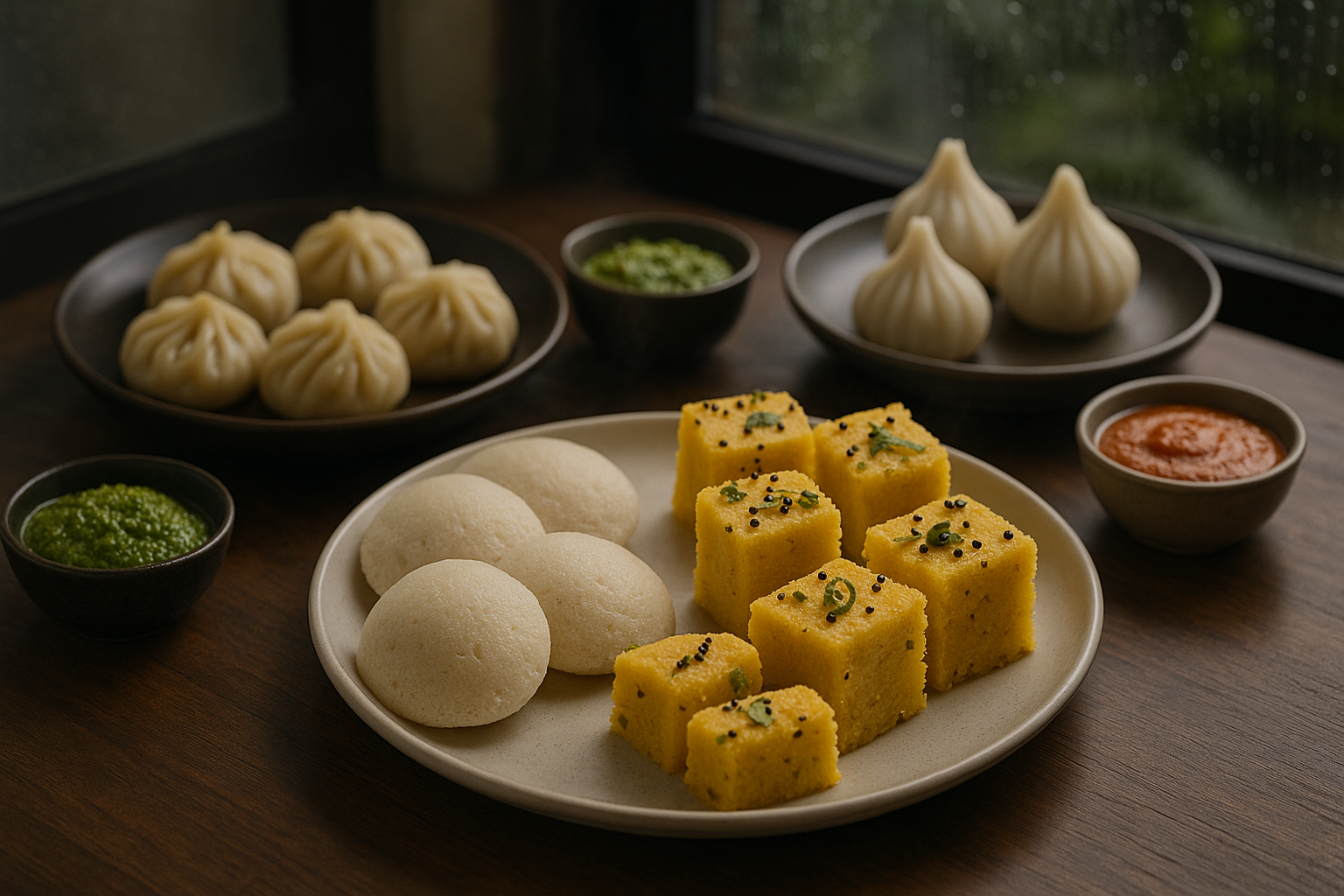
Rain does weird things to my appetite. The second the sky turns grey and the windows fog up a little, I stop wanting proper meals and start thinking about snacks. Not chips, not cookies... actual hot Indian snacks, the kind that come out steaming and smell like curry leaves, mustard seeds, ginger, green chilli, all that good stuff. And weirdly, while everybody around me starts yelling for pakoras, I usually go the other way. I want steamed stuff. Soft, warm, light-ish, comforting. Food that doesn't sit too heavy but still feels like a hug. Maybe it's because one monsoon in Mumbai I ate way too many oily bhajiyas in one evening and fully regretted my life choices after. Since then, steamed snacks for rainy evenings just make more sense to me, honestly.
Also, and this matters now more than it used to, a lot of Indian diners in 2026 are looking for snacks that feel cleaner, gut-friendlier, higher in protein, and less greasy without being boring. You can see it everywhere. Millet batters are showing up more often, fermented foods are having a proper moment again, people are talking about gut health like it's the new astrology, and restaurants are getting smarter about regional snacks. Even cloud kitchens and cafe menus in bigger cities have started adding things like ragi idli bites, vegetable momos with Indian chutneys, and dhokla tasting plates. Some of it is trend-chasing, sure. Some of it is actually delicious.
Why steamed snacks hit different when it's raining
#I know, I know, rainy weather and fried food is this iconic pair. But steamed snacks have this quiet brilliance. They stay warm longer, they absorb chutneys beautifully, and they don't leave you feeling all sluggish and sleepy at 7 pm. Plus the textures are incredible when done right. Spongy, fluffy, bouncy, tender, sometimes just a bit sticky in a comforting way. It feels more home-y to me. Like somebody actually thought about feeding you well instead of just dunking something in oil and calling it a day. Bit harsh maybe, but you get what I mean.
A good steamed snack in the rain is sort of the food version of wearing a dry sweatshirt fresh from the cupboard. Not flashy, just deeply right.
1. Khaman Dhokla, the obvious one... but obvious for a reason
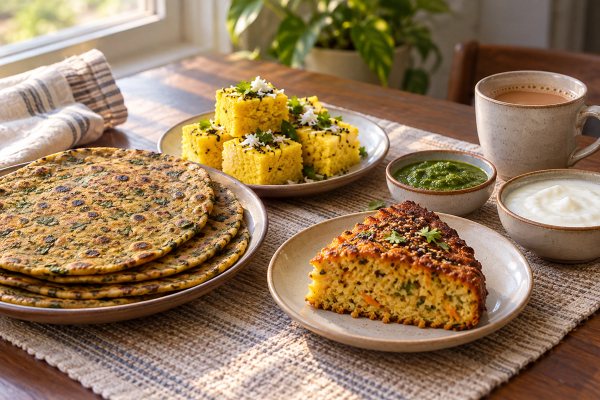
#Let's start with the classic. Khaman dhokla is one of those snacks I never get tired of, even though it's everywhere. The best ones are feather-light, slightly sweet, gently tangy, and soaked just enough with that tempering of mustard seeds, green chillies, curry leaves, maybe a little sugar-lemon water. When I was a kid, I thought dhokla was boring because I only had the dry, sad version from supermarket packets. Then I had fresh khaman at a tiny Gujarati place in Ahmedabad during a drizzly afternoon and wow, complete personality change. It was bright yellow, ridiculously soft, and served with both green chutney and fried chillies. I ate three plates. Me and my cousin still talk about it.
In 2026, I’ve noticed a lot more dhokla variations too. Palak dhokla, beetroot dhokla, and even millet khaman made with jowar or bajra blends. Some are gimmicky, not gonna lie. But the better versions keep the original spirit and just add a little nutrition or color. If you're making it at home, the real trick is not overmixing after adding the fruit salt. People mess that up all the time, including me, like last July when I got distracted by thunder and ended up with a tray of dense yellow regret.
2. Idli, which deserves way more monsoon respect
#Idli is unfairly treated like breakfast only. I reject that. Soft idlis on a rainy evening, especially mini idlis tossed in milagai podi and ghee or dunked in hot sambar, are elite. Proper elite. A fresh idli has that mild fermented aroma and cloud-like texture that just calms me down for some reason. And if the weather is chilly? Even better. Chennai obviously knows this already, but across India now there's more experimentation happening with idli than before. In 2026 menus, I've seen quinoa idlis, kuthiraivali or barnyard millet idlis, and high-protein urad-forward batter blends being promoted in health-focused cafes.
That said, classic always wins for me. During one wet evening in Bengaluru, after getting absolutely drenched because I thought I was smarter than the weather, I ducked into a darshini and had plate idli with vada-sambar. I know vada is fried and this post is about steamed things, but the idli was the star, trust me. It was so soft it barely needed chewing. A lot of newer places are opening with polished branding and fancy steel trays, but honestly some of the best idlis still come from no-frills joints where the batter has been looked after for years. Fermentation is part science, part instinct, part black magic maybe.
3. Momo, not traditionally Indian in origin... still fully part of rainy evening cravings now
#Okay so yes, momo isn't originally Indian in the strict historical sense, but if you've lived in Delhi, Gangtok, Darjeeling, parts of the Northeast, or honestly any Indian city with a decent street food scene, you know it's become part of our snack life. Steaming hot veg momos in the rain with red chilli chutney? Come on. That's a whole mood. I still remember standing under a blue plastic sheet near a market in Delhi with rain splashing at my shoes, holding a flimsy plate of six momos and trying not to burn my tongue because I was too impatient. No regrets. Well, tiny regrets.
The 2026 momo scene is wild, by the way. There are more regional fillings now, not just cabbage-carrot paneer basics. I've seen smoked chicken momo, mushroom-pepper momo, cheese-corn for the younger crowd, and some genuinely nice versions stuffed with millet noodles or tofu for vegan menus. Big city restaurant openings in the casual dining space are leaning hard into momo bars and Himalayan cafe concepts. Some of it feels overbranded, but the good places understand the wrapper matters just as much as the filling. Thin, supple dough. Juicy center. Fierce chutney. That's it.
4. Patra or Alu Vadi, the snack I didn't appreciate soon enough
#This one took me years to really love. Patra, made with colocasia leaves smeared with gram flour masala, rolled, steamed, and then sometimes lightly tempered, has a very specific earthy flavor. As a kid I found it confusing. As an adult? Obsessed. On rainy evenings it has this dense, satisfying quality that feels more substantial than dhokla but still not heavy like fried snacks. The sweet-sour-spicy balance is what makes it. Tamarind, jaggery, besan, chilli, maybe sesame and coconut depending on the style. Such a smart snack.
I've had excellent versions in Maharashtra and Gujarat, and they can be very different in mood. Some are softer and sweeter, some sharper and spicier. If you're new to patra, don't judge it by a dried-out refrigerated slice. Freshly steamed and tempered patra is a totally different creature. Also, colocasia leaves can be tricky because of that itchy thing if not handled right, so proper steaming and balanced seasoning really matter. This is one of those snacks where technique is low-key everything.
5. Muthia, especially dudhi muthia, quietly brilliant
#Muthia doesn't always get the glamour treatment and that's a shame. It's usually made with bottle gourd and flour, shaped into logs or dumplings, steamed, then sliced and sometimes tossed in a light tempering. It's humble food. But wow, on a cool wet evening with masala chai? Lovely. The texture is firmer than dhokla, less airy, more nibble-y, if that makes sense. You actually bite into it. And because it's often got ginger, green chilli, coriander, maybe sesame, it tastes fresh and savory in a very comforting way.
What I like about muthia in 2026 is that younger home cooks and food creators are bringing it back a bit. For a while it felt like one of those foods only somebody's nani made. Now you see air-fried leftover muthia, multigrain muthia, methi muthia meal-prep boxes, all sorts. I don't love every reinvention, but I do love that it's not disappearing. Some old foods deserve a second life without being turned into ridiculous fusion canapes. Please, no deconstructed muthia foam, I beg.
6. Kozhukattai, the savory kind, is deeply underrated outside the South
#Most people hear kozhukattai and think sweet festival dumplings, which fair enough. But savory kozhukattai for rainy evenings? So, so good. Especially the small seasoned rice dumplings with coconut, curry leaves, mustard, maybe a little dal, maybe green chilli, depending on the house. They’re delicate but filling, and they have this homemade sincerity I adore. I had a version in a friend's home in Coimbatore when it was raining so hard we basically gave up on all plans and sat by the balcony eating from steel plates. Sometimes food memories aren't about restaurants at all, they're just about weather and company and someone saying, take one more, there's plenty.
As regional Indian foods keep getting more attention, I do think these kinds of snacks are finally getting a little spotlight in urban food pop-ups and curated tasting menus. Not enough, but more than before. And good, because every steamed snack doesn't need to be marketted as the next healthy superfood. Some things are worth eating simply because they are delicious and carry memory.
7. Panki, the soft-spread magic cooked between leaves
#Panki is one of those foods that makes people pause when they first try it. A rice-lentil batter, often spread thin between banana leaves or similar leaves and steamed till just set. You peel it open and get hit with this warm leafy aroma that's honestly half the joy. Texture-wise it's somewhere between a very soft dosa and an idli's gentler cousin. During the monsoon, I love panki because it feels both light and aromatic, especially with green chutney or dry garlic chutney on the side.
I've seen a few modern Indian restaurants in Mumbai and Ahmedabad put panki back into circulation in a slightly polished way over the last couple years, and I’m not mad at it. If a stylish new restaurant gets more people to discover panki, fine, let them have their ceramic plating moment. Though if they make it too tiny and charge a silly amount, then yeah I'm gonna complain. Still, among all the heritage snack revivals happening right now, panki is one of the more deserving ones.
8. Modak, but hear me out... the savory and lightly spiced versions too
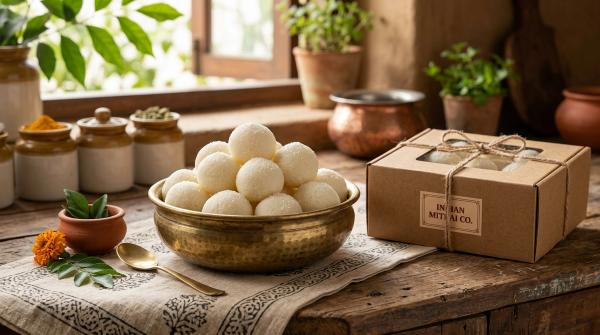
#I know modak is usually put in the festive sweets box, but there are savory steamed versions and even less-sweet coconut ones that work beautifully as evening bites. The rice flour shell, when made right, is so tender and comforting. And in rainy weather, warm ukadiche modak or savory modak with spiced fillings can feel incredibly soothing. This maybe isn't the most standard snack on the list, I admit, but food in real life doesn't stay inside strict categories. We snack how we want.
Also, there’s been a broader move in 2026 toward portion-friendly traditional foods served in cafes and mithai shops as all-day snacks, and modak has benefited from that. Smaller formats, less sugar, better-quality coconut, jaggery from specific regions, even savory lentil fillings in some experimental kitchens. Some of these are excellent. Some are... trying very hard. But I appreciate the curiosity. Indian steamed foods have way more range than people often give them credit for.
A few things I’ve learned from chasing steamed snacks in the rain
#- Freshness matters more than almost anything else. A 15-minute-old idli and a 2-hour-old idli are basically different species.
- Fermentation isn't just for flavor, it changes texture, digestibility, and that little bit of tang you miss when it's rushed.
- Tempering is not decoration. Those mustard seeds, curry leaves, sesame bits, chilli oil drizzles... they finish the snack.
- A lot of these foods are naturally vegetarian, and many are vegan or easy to adapt, which is probably one reason younger diners are rediscovering them now.
- Steamed does not mean bland. I will defend this with my whole chest.
If you want to make the rainy evening plate perfect
#My ideal spread is not complicated. One fluffy thing, one dumpling-ish thing, one sharper chutney, one soothing dip, and hot chai. So maybe dhokla with coriander chutney, momos with red chilli sauce, or idli with sambar and podi. If friends are over, add patra because it looks impressive even when you did almost nothing except plate it nicely. And don't forget texture contrast. A little tempering, a sprinkle of coconut, roasted peanuts somewhere, maybe fried green chilli if your spice tolerance isn't fake like mine used to be.
I should also say this, because it gets ignored when people talk trends: steamed snacks are not just healthier by default. You can still overdo sugar in dhokla syrup, sodium in chutneys, or richness in accompaniments. But generally, if you're craving rainy day comfort and don't want that heavy post-snack slump, these are a pretty fantastic route. They feel old-school and current at the same time, which is maybe why they fit 2026 so well.
Final monsoon food thoughts, before I start craving another plate
#Every rainy season I tell myself I'll be normal and not romanticize snack time so much. Then the clouds roll in, the air smells like wet mud, and suddenly I'm thinking about steamed batter, banana leaves, coconut fillings, chilli chutneys, all of it. These 8 snacks remind me how broad Indian food really is. Not just loud, fried, crunchy excitement, but soft warmth too. Fermented comfort. Steamed cleverness. Food with memory built into it. If you're planning your own monsoon eating list, start here and wander from there. And if you like reading rambling food obsessions like this one, go poke around AllBlogs.in sometime.