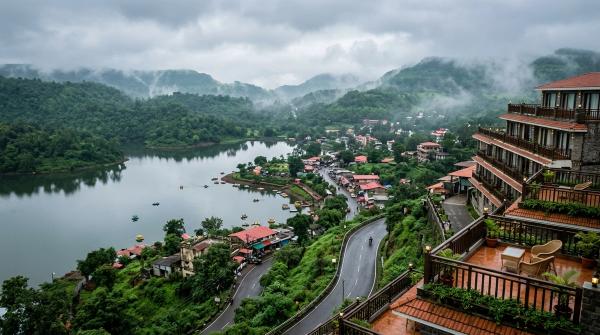
So, um, Japfu Peak. I’d been hearing about this trek for years – mostly in those random WhatsApp forward photos where someone will send a misty mountain with a quote like “escape the ordinary” and all that. But actually going there, walking those rhododendron trails near Kohima, seeing Dzukou valley from up there… honestly, it hit very different in real life.
If you’re an Indian traveler who's tired of the usual Manali–Kasol–Triund circuit and all the “yaar too crowded ho gaya” scenes in Himachal and Uttarakhand, Japfu Peak in Nagaland is like a completely different universe. Less commercial, more raw, slightly confusing to plan, but sooo worth it once you’re standing under that giant Japfu tree with your legs crying and your heart very happy.
Where Exactly Is Japfu Peak & Why Everyone Talks About The Rhododendrons
#Japfu Peak is in Nagaland, close to Kohima, in the Southern Angami region. Height-wise it’s around 3,048 m (10,000 ft plus), so not exactly a joke, but also not an Everest base camp level suffering. The trek is famous for two things basically:
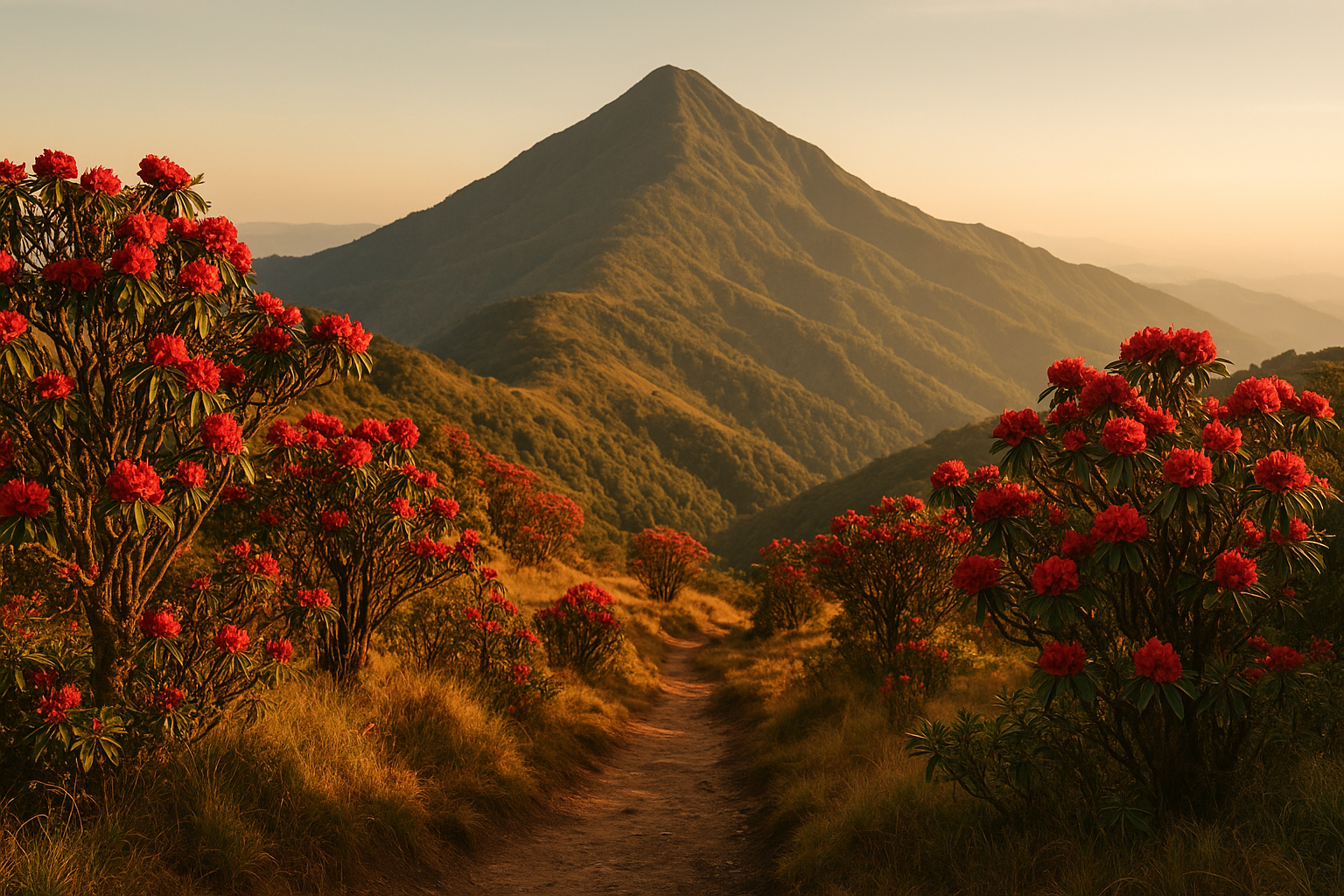
- The insane rhododendron forests – in late March to early May the whole trail gets these pink-red flowers, like some Bollywood set designer went crazy with color
- One of the tallest rhododendron trees in the world (over 130 ft, people keep quoting different numbers but haan, it’s massive)
Plus from the top, on a clear day, you can see Dzukou Valley on one side and layers of hills just melting into the distance. I got partial views only because clouds decided to show attitute, but even that was.. I don’t know, kind of magical.
Getting To Japfu: How I Actually Reached (And What I’d Do Differently)
#Most people base themselves in Kohima and then head towards the trailhead near Kigwema / Viswema side. That’s what I did too. I flew into Dimapur, took a shared taxi to Kohima, then hired a small car for the trek day.
Roughly this is how it worked for me:
- Flight to Dimapur – Indigo and a couple of other airlines operate from Kolkata, Guwahati, Delhi (sometimes with a stop). Book early, last-minute can be weirdly expensive.
- Dimapur to Kohima – About 3 hours by shared sumo/taxi. Outside the airport and railway station you’ll hear people shouting Kohima Kohima. I paid around ₹400 for a shared one; private cab was being quoted ₹2500–₹3000.
- Kohima to Japfu trailhead – I stayed near Kigwema, which is around 45–60 mins from Kohima town by road. Small local taxis charge ₹800–₹1200 depending on season and your bargaining mood.
Btw, network is decent in Dimapur and Kohima (Jio / Airtel), but once you get closer to the trail and definitely on the trek, signals get patchy. So don’t rely on last-minute online maps. I made the mistake of assuming Google Maps will save me, but in the forest it got confused like me in my 20s.
Permits, Local Rules & Safety – Don’t Skip This Part
#Nagaland has become much more traveler-friendly in the last few years. Earlier there was the Inner Line Permit drama for everyone, now Indian tourists can apply online and the process is smoother. Still, check the official Nagaland tourism site before you go. Sometimes they tweak rules, especially around big festivals or security updates.
For Japfu specifically, here’s what’s important:
- Register locally – Many homestays in Kigwema / Viswema and Kohima help you with basic trek registration or guide contacts. Don’t just walk in like “hero hoon main”, respect local rules.
- Guide strongly recommended – Trails are not like those broad highways in Himachal. In some patches it’s just a narrow path between thick forest, and fog can come anytime. I took a local Angami guide and honestly that was the best decision. Guide fee was around ₹1500–₹2000 for the day, which we split between three people.
- Current situation & safety – At the time I went, things were peaceful, army presence was there on roads but nothing scary. Local people are super chill and welcoming. Still, before going, just check latest updates on Nagaland tourism Insta, Twitter, or some recent travel blogs. Ground realities can change sometimes.
Also, basic thing – take your trash back. People there are quite proud of their hills. I saw a local aunty scold some boys for throwing plastic chai cups. Low-key loved that.
Best Time To Do Japfu Peak Trek (Rhododendron Season And All That)
#Timing matters a lot for this trek. Like, you can technically go most of the year (except full-on peak monsoon when trails get super slushy) but if you want the rhododendron magic, you need to plan a bit smartly.
Broadly:
- Late March to early May – Best for rhododendron bloom. Forest literally has patches of pink, red, sometimes even white flowers. Weather is pleasant but can be humid, and afternoon clouds are common.
- October to February – Clearer skies, better views, but colder and no major bloom. Good if you prioritise views of Dzukou and want less mud. Around December, it can get quite cold at night, near 0°C at higher points.
- June to September – Monsoon. Honestly I wouldn’t recommend unless you really know what you’re doing. Leeches, slippery rocks, landslide-prone roads… not fun for casual trekkers.
I went in early April. Hit the jackpot with flowers, but the peak itself was fully in clouds by late morning. If sun and far views are your priority, maybe post-monsoon October–November is safer. If you’re like me and lowkey obsessed with rhododendrons, then March-end to mid-April is perfect.
How Tough Is Japfu Peak Trek Really?
#I’d call it moderate. Not super easy where you just stroll and click selfies, but not some hardcore Himalayan expedition also. It’s a full day of trekking though, so don’t underestimate. I saw one guy turn back halfway because he overestimated his fitness and underestimated gravity.
Basic stats from my day (not from some fancy watch, just guide and phone pedometer ka combined gyaan):
- Duration: Around 6–8 hours round trip depending on your pace, breaks, and photo stops. I took almost 7.5 including a lazy lunch break.
- Elevation gain: Roughly 800–1000 m of climb. A lot of it feels steeeep because the trail in some forest sections just goes up and up.
- Trail type: Forest path, roots, mud, a few rocky patches, and the last stretch has a steep climb with loose soil where your lungs will question your life choices.
If you walk regularly, do some stairs, and don’t smoke like a chimney, you’ll manage. You don’t need crazy trekking experience, but a bit of basic fitness helps a lot. I did 2–3 weeks of evening walks and squats before going and still huffed and puffed. But manageable. Bas thoda patience chahiye.
My Trek Day: From Misty Morning To That Crazy Tall Rhododendron Tree
#We started from Kigwema around 5:30 am, sleepy but excited. The car dropped us near the starting point and from there it was just us, our guide, and a trail disappearing into forest. Morning was chilly but not freezing, so I had just a light jacket on top of a dry-fit tee.
First part was gentle, like a warm-up walk through farms and patches of bamboo. Then the forest starts. The air there… I don’t know how to explain, it’s like breathing in a mix of earth, wet leaves, and a hint of flowers. No traffic sounds, no honking, just birds and our footsteps. And my heavy breathing, of course.
Around mid-way we reached the famous giant rhododendron tree. Bro, it’s HUGE. Photos don’t do justice. You stand at the base and you literally have to bend your neck all the way back to see the top. According to locals, it’s one of the tallest rhododendron trees in the world, and they’re quite proud of it. There’s a small board there and lots of people click the standard hugging-the-tree pictures.
From there the trail gets steeper and the flowers get more frequent. Pink and red clusters hanging from branches, some fallen on the ground making natural confetti. I kept stopping every few mins just to click photos and also to, you know, secretly catch my breath. The guide was just casually walking like he’s going to buy milk from the shop downstairs.
Last stretch to the peak was honestly the toughest for me. The clouds had started rolling in, ground was slightly damp, and there were a couple of spots where I thought, “Why am I doing this again?” But once we reached the top, that feeling disappeared. There’s a small rocky area where you can sit, have snacks, and stare at the hills. Parts of Dzukou valley were peeking out whenever the cloud curtain shifted. Most of the big mountain ranges were hiding but that’s mountains for you – moody and stubborn.
What To Pack For Japfu Peak (From Someone Who Overpacked A Bit)
#I always overpack on treks. Like, I know I don’t need three types of snacks but suddenly on trek day my brain’s like “what if you get hungry-hungry?” Anyway, learn from my mistakes. Here’s what you actually need for a one-day Japfu trek:
- Proper trekking shoes – Not your casual sneakers please. Trail can be muddy and slippery. I wore mid-ankle trekking shoes and they saved me 10 potential falls.
- Rain jacket or poncho – Even in non-monsoon months, random drizzle is common. Mountain weather has no manners.
- Light fleece or hoodie – Morning and peak can be chilly, especially Oct–Feb.
- 2-litre water bottle – There are not many safe water sources on the way. Don’t depend on finding streams.
- Snacks – Dry fruits, chikki, energy bars, biscuits, maybe some boiled eggs or sandwiches if your homestay can pack. Avoid heavy oily stuff, your stomach will protest on steep climbs.
- Cap, sunglasses, sunscreen – Forest covers you for a good part, but once you’re in open areas the sun can hit hard.
- Basic medical kit – Band-aids, painkiller, ORS, crocin, volini, maybe anti-leech spray if going in shoulder monsoon.
I also carried my camera, but honestly a decent phone is enough unless you’re super into photography. Just protect your electronics from moisture. Nagaland air loves humidity.
Staying Near Japfu: Homestays, Prices & What The Vibe Is Like
#Most trekkers either stay in Kohima and do a day trip, or base themselves in nearby villages like Kigwema or Viswema. I highly recommend staying in the village side, not just because it’s closer to the trailhead, but also because the vibe is more relaxed and you get a feel of Naga village life.
Price-wise (as of the latest trends, roughly):
- Budget homestays in villages – ₹800–₹1500 per person per night including basic meals (breakfast + dinner). Rooms are simple, often shared bathrooms, but clean and cozy.
- Mid-range guesthouses near Kohima – ₹2000–₹3500 per room per night, sometimes with breakfast. Good if you want more comfort and access to cafés, ATMs, etc.
- Hostels & backpacker stays – A few new-age hostels have popped up in and around Kohima with dorms from ₹600–₹1000. These get filled up during Hornbill Festival season fast though.
My homestay family in Kigwema was super sweet. The aunty kept asking, “Beta, khana aur loge?” every 20 minutes and uncle had a whole collection of stories about pre-tourism days when only a few crazy trekkers used to come. They helped arrange our guide, early breakfast, and packed some boiled potatoes and axone chutney also for the trek. Too good.
Food Around Japfu: Pork, Bamboo Shoot & Surprising Momos
#Naga cuisine deserves its own blog, honestly. It’s not like your usual North Indian “paneer butter masala and naan” scene. It’s more earthy, smoky, and very non-veg heavy. If you’re vegetarian, don’t worry, you won’t starve, but options will be fewer in small villages.
Some of the stuff I tried around Japfu / Kohima side:
- Smoked pork with bamboo shoot – This is like the poster dish of Nagaland. Smoky, slightly tangy, usually not too spicy unless they add Raja mircha. Had it with rice and local greens… perfect after a trek.
- Axone (fermented soybean) chutney – Smell can be intense for first-timers, but taste is addictive. Think of it as Nagaland’s answer to blue cheese, but in chutney form.
- Chicken with Raja mircha – Careful with this one, the chilli is no joke. I took one over-confident bite and spent the next 5 minutes just drinking water and re-evaluating my life decisions.
- Local rice beer (where available) – Mild, slightly sweet, usually had in social settings. Ask your host about customs, don’t just randomly demand it like you’re in some bar.
In Kohima town you also get momos, chow, bakeries with good coffee, and some trendy cafés that have come up as more tourists and young locals hang out. Prices are very reasonable compared to metro café scenes.
Japfu vs Dzukou: Which One First?
#A lot of people get confused where to go if they have limited time – Japfu peak or Dzukou valley. Honestly, if you can, do both. They’re close by, share the same general region, but feel very different:
- Dzukou valley – Rolling green/brown valley depending on season, famous for Dzukou lily, more open landscapes. Trek is a bit easier in terms of continuous steepness, but can be long depending on which route you choose.
- Japfu peak – More forest, more rhododendrons, more viewpoint style. Tougher in short bursts because of steep climbs, but it’s a day trek (most people don’t camp at the top).
I did Japfu first, then Dzukou the next day with half-dead legs. If you want to be more sensible than me, maybe keep a buffer/rest day in between. Or do whichever is clearer weather-wise first, because views are moody here.
Local Culture & Etiquette – Don’t Be That Rude Tourist
#The villages around Japfu – like Kigwema, Viswema, Jakhama – are mostly Angami Naga communities. People there are quite modern and well-spoken, but also deeply rooted in their traditions and church life. You’ll see clean houses, neat kitchens, and a lot of community spirit.
Couple of simple things that go a long way:
- Dress decently in villages – No one is forcing you to wear suits obviously, but just don’t roam around in super-revealing clothes. It’s a conservative society in many ways.
- Ask before taking photos – Especially of people, churches, and inside homes. Most will happily say yes, but asking shows basic respect.
- Support local – Hire local guides, buy small handicrafts or smoked pork from local markets, tip homestay staff if they’ve been extra helpful.
One evening our host uncle sat with us near the fireplace and talked about how tourism has grown. He said earlier only a few backpacker types would come for Japfu and Dzukou, now more Indian families and solo women travelers are visiting too. He was happy but also worried about plastic waste and noise. So yeah, if we want these places to stay special, we all need to behave a bit more responsibly na.
Budgeting Your Japfu Trip – Rough Cost Breakdown
#Obviously costs change year to year, but just to give you a rough idea of what a short Japfu + Kohima trip can look like (excluding your flight/train to Dimapur):
- Dimapur–Kohima shared taxi (return): ~₹800–₹1000
- 3 nights homestay/guesthouse: ₹2500–₹4500 per person depending where you stay
- Food per day: ₹400–₹800 (more if you café-hop a lot)
- Japfu trek guide + local transport: Around ₹2000–₹3500 total, split among group
- Misc (permits, snacks, small shopping): ₹1000–₹1500
So for a 3–4 day trip around Japfu and Kohima, you can manage in the range of ₹7k–₹12k per person (plus travel to Dimapur) depending on your style. If you’re super budget and share everything, it can be less also. If you want fancy stays, obviously more.
Is It Safe For Solo Travelers & Women?
#Short answer: Yes, overall quite safe. But basic caution is always needed like anywhere else in India.
Nagaland, especially the Kohima side, has a very strong community and church culture. Crimes against tourists are rare and people are generally polite. I met a few solo women travelers in my homestay who had absolutely no issues. They said they felt safer walking in Kohima at night than in some big Indian cities, which honestly I can believe.
On trek days, just make sure:
- You inform your homestay where you’re going and roughly what time you’ll be back
- You go with a known local guide, not some random guy who appears at the junction
- You keep at least one emergency number written on paper in case your phone dies
Network can drop and weather can change quickly, but people in the villages and on the trail are genuinely helpful. I never felt unsafe even for a second, only out of breath.
New Trends: Japfu, Hornbill Festival & The Slow Travel Scene
#In the last few years, Nagaland tourism has been getting more attention – obviously because of Hornbill Festival in December, but also because younger Indian travelers are looking for “offbeat North-East” locations. Japfu often gets added as a side adventure to a Hornbill trip since it’s close to Kisama Heritage Village where the festival happens.
What I noticed though is a new slow-travel kind of vibe. People staying longer in homestays, working remotely from Kohima cafés, going for multiple treks with local guides instead of just one selfie trip. Some hostels even offer mini hiking circuits now – Japfu, Dzukou, local village walks, church visits, handicraft workshops. It’s nice to see tourism moving in a direction that actually benefits locals and not just quick weekend crowds.
If you’re planning for late-year travel around Hornbill time, just remember to book your stay well in advance. Prices spike, traffic increases, but the cultural experience is next level. If you want quiet trails with fewer people, shoulder months before and after are better.
Would I Do Japfu Peak Trek Again?
#Honestly, yes. Maybe next time in post-monsoon season to get clearer views from the top. I’d also love to combine it with more village homestays, just slow down and spend time walking around farms and talking to elders. That’s the thing about places like Japfu – it’s not only about the peak. The journey through those rhododendron forests, the village mornings with fog on the hills, the simple rice-and-pork dinners… all of that stays in your head long after the trek is over.
If you’re still on the fence thinking, “Should I go all the way to Nagaland just for one trek?” my answer would be – don’t go just for one trek. Go for the entire experience. Use Japfu Peak as the excuse to finally explore this side of India properly. Combine it with Dzukou, explore Kohima, maybe head further to Mokokchung or Mon if you have time. But even if you only manage Japfu and a couple of lazy village days, trust me, it’ll feel worth the effort.
Final Thoughts (And Where To Read More Stuff Like This)
#Japfu Peak Trek on the rhododendron trails in Nagaland is not the most hyped Instagram trek in India, and honestly that’s what I loved about it. It’s still raw, still a bit confusing to plan, still dependent on local knowledge. You can’t just blindly follow a crowd; you have to talk to people, listen to their stories, respect their land. And somewhere in between all of that, between the steep climbs and flower-filled paths, you end up feeling oddly at home in a place that’s not yours, but still welcomes you.
If you’re planning your own trip and want to dig into more such real, slightly messy, honest travel stories from India, you should totally keep an eye on AllBlogs.in. I keep going back there to read other travelers’ experiences and to find new offbeat ideas whenever that itch to escape city life starts again… which, let’s be honest, is like every alternate week now.