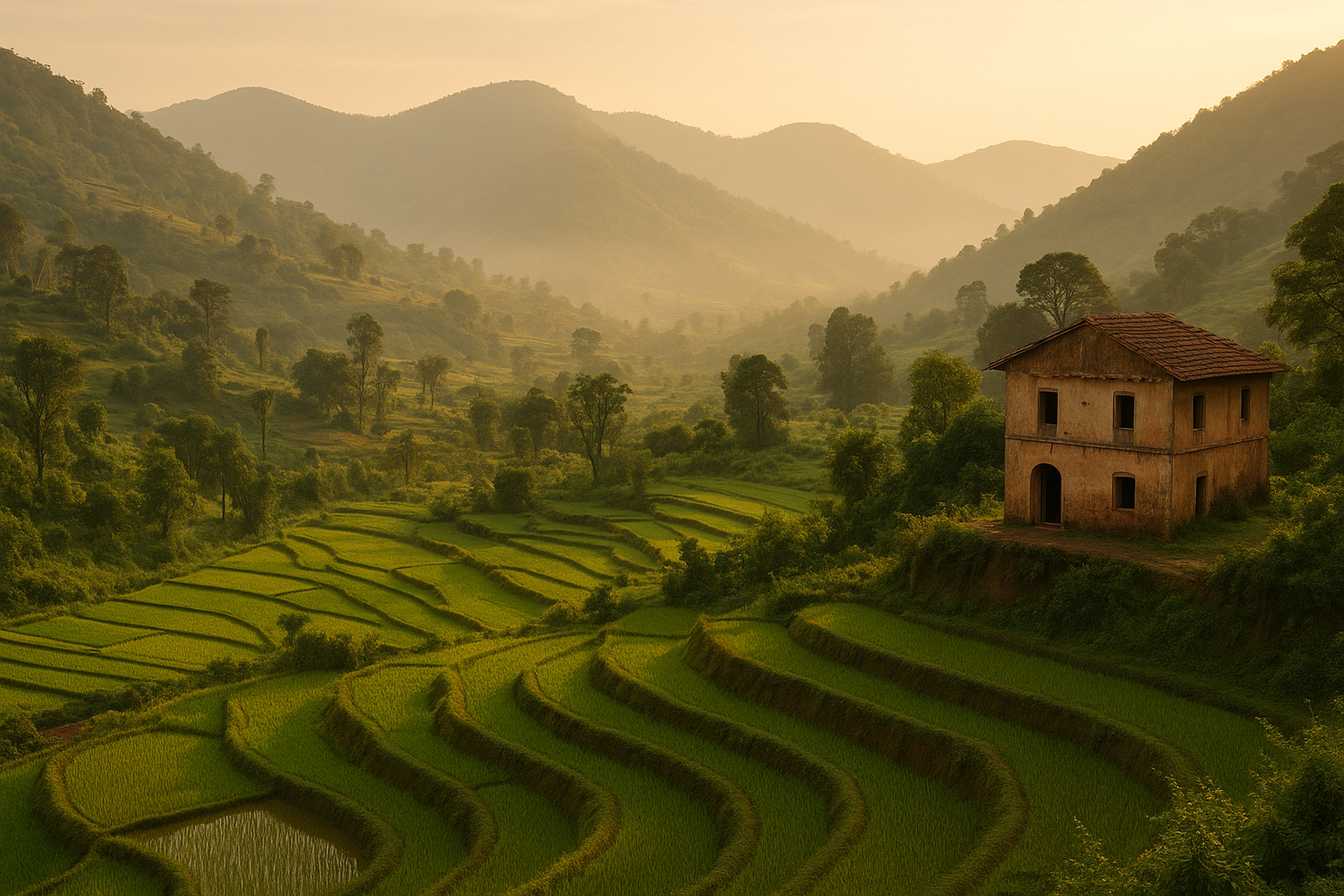
Trekking Araku Valley in 2026: new trails, cheap-ish budgets, and why I can’t stop thinking about it
#So… I didn’t plan to become “that person” who won’t shut up about Araku Valley. But here we are.
I first went years back on one of those rushed weekend trips (you know the type: leave late, eat junk, take 400 photos, come home tired and slightly broke). And I liked it, sure. But 2026 Araku feels kinda different. Like it’s still the same green, misty, coffee-smelling valley… but there’s this new wave of eco-tourism + trekking trails + locals pushing back (in a good way) against messy tourism. And I’m honestly into it.
Also, if you’re thinking “Araku is just a day trip from Vizag,” yeah, that’s the old mindset. The fun part now is slowing down and actually walking it. Properly. Sweaty, muddy, leech-paranoia walking.
First, what Araku actually is (and what people get wrong about it)
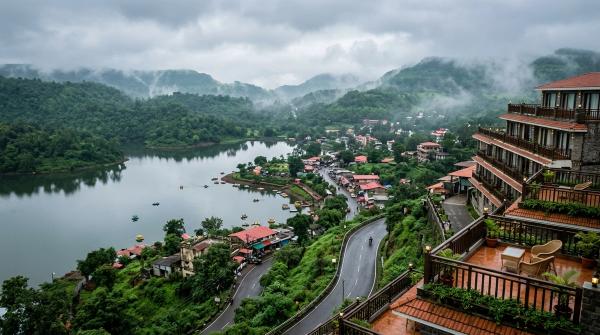
#Araku Valley sits in the Eastern Ghats, in Andhra Pradesh, and it’s connected to Visakhapatnam by road and that famous train route through tunnels and bridges (the Vistadome-style glass coach hype is still going strong, btw). Most folks do Borra Caves, some viewpoint, maybe coffee museum, then bounce.
But Araku isn’t a “single spot.” It’s a whole patchwork of hamlets, coffee plantations, forest edges, and tribal communities (Adivasi groups like the Kondh and others in the region). If you treat it like a theme park, it’ll feel shallow. If you treat it like a lived-in landscape… it hits different.
And yeah, I’m gonna be slightly preachy: Araku deserves slow travel. Not just because it’s pretty, but because fast tourism is kind of the reason some trails get trashed in the first place.
What’s new in 2026: trails, eco-stays, and this whole “budget eco” thing
#Here’s what I’ve noticed (and what local guides were telling me over chai):
1) People are asking for guided treks more than ever, not just selfies.
2) Homestays and community-run stays are getting more traction, especially with travelers trying to keep costs down.
3) There’s more talk about responsible trekking—carry-back-your-trash, staying on trails, not blasting music on a ridge like you own it.
Also, “budget eco-tourism” sounds like an Instagram buzzword, but it’s basically: travel cheaper while not being a jerk to the place. I’ve seen more small operators offering low-cost trail days with packed local meals (millet-based stuff, seasonal veg, simple but soooo good).
One more thing: prices in general are up in 2026—fuel, food, everything—so people are planning smarter, sharing jeeps, doing 2-3 day loops instead of expensive resort stays. Which, honestly, is a win for the vibe.
My favorite part: the ‘new’ trails (not brand-new roads, more like… newly popular routes)
#Okay, I need to say this carefully: I’m not going to drop hyper-specific “walk here, turn left at that rock” directions for every route, because overtourism is real and some paths shouldn’t suddenly get 500 people a weekend.
But broadly, 2026 trekking in Araku is getting shaped around a few kinds of routes:
- Ridge-and-viewpoint walks: shorter climbs that end in those ridiculous cloud-break views. Great for sunrise, but also… crowded if you go at the exact same time as everyone.
- Coffee belt trails: walking through plantation edges + small farms, learning what shade-grown coffee actually looks like (spoiler: it’s not a neat little ‘garden,’ it’s messy and alive).
- Forest fringe hikes: longer, slower, more “listen to birds and don’t step in cow dung” type days. These usually need a local guide, and for good reason.
- Village-to-village footpaths: my personal fave. It’s less about summits and more about seeing how people actually move through the landscape.
On my last trip, we did this half-day footpath that connected two hamlets (won’t name which), and it was like… kids running past us barefoot, an old uncle telling us to slow down because “rain will come,” and me trying to look chill while silently worrying about slipping on wet stones. Very humbling. Also my calves hated me the next day.
A quick (messy) 3-day trekking plan that actually works
#Not everyone can do a full-on week. I get it. Work, money, life, random family functions that appear outta nowhere.
So here’s a realistic 3-day plan I’ve done (with variations). It’s not perfect, but it’s a good start:
- Day 1: Arrive, do a short acclimatization walk + coffee tasting (don’t laugh, it helps you slow down). Evening: local food, early sleep.
- Day 2: Main trek day. Start early. Do a ridge hike + plantation stretch (guided). Carry water and snacks. Return before dark. Don’t underestimate Eastern Ghats weather… it flips moods fast.
- Day 3: Easy village trail + market/handicraft time, then head out. Or, if you’re like me and over-optimistic, squeeze in one more short hike and regret it on the bus ride back.
What makes this work is not cramming 12 attractions into 3 days. It’s picking 1 big walk, 1 small walk, and leaving room for… just sitting. Listening. Eating. Being a person.
Budget 2026: what I spent (and how to keep it sane)
#Money talk, because nobody likes surprise expenses.
In 2026, a comfortable budget-ish Araku trip depends on how you get there and where you sleep. I’ve done it in both “student broke” mode and “okay I want a nice shower” mode.
Here’s a rough per-person range for 3 days (not luxury, not dirt-cheap either):
- Transport (Vizag ↔ Araku): shared jeep/bus/train combos can keep it reasonable, but last-mile rides add up.
- Stay: homestays usually cheaper than big resorts, and more fun. Resorts spike on weekends/holidays.
- Food: local meals are affordable; cafés aimed at tourists are where your wallet cries.
- Guide: if you’re trekking forest fringe routes, please pay for a local guide. It’s safety + livelihood. This is one cost I don’t try to “hack.”
When I did it recently, my biggest savings were: splitting rides with other travelers (met them at a chai stall, very organic), choosing a homestay with meals included, and not buying random packaged snacks every hour like a toddler.
And yeah, prices vary wildly with season. Peak misty months = peak prices. That’s life.
Tiny budget tips that aren’t annoying (I hope)
#- Travel midweek if you can. Weekends feel like Araku becomes… a festival queue.
- Carry a refillable bottle. Some stays have filtered water. Don’t buy 10 plastic bottles, please.
- Ask your host about trail difficulty before you commit. I once said “yeah, moderate is fine” and then proceeded to wheeze like an old bike pump.
- Pack a poncho even if the forecast says no rain. Eastern Ghats forecasts are… vibes-based sometimes.
Eco-tourism, but like… the real version, not the brochure version
#I have mixed feelings about the phrase “eco-tourism.” Sometimes it means genuine low-impact travel. Sometimes it’s just a fancy label slapped on a property with a bamboo sign and plastic chairs.
What felt genuinely eco (to me) in Araku lately:
- Community-run or community-connected stays where the money actually circulates locally.
- Guides who teach you what plants are used for what, why certain areas are avoided, how people farm on slopes.
- Food that’s seasonal and local-ish (millets, greens, simple curries) rather than trucking in everything for a “continental breakfast.”
What did NOT feel eco:
- Loud music in forest-adjacent areas.
- Off-road driving into muddy patches for “adventure” photos.
- Litter. Obviously.
Also, I’m not pretending trekking is zero impact. It isn’t. But you can make it… less stupid, you know?
The best ‘eco’ moment I had was watching a guide pick up trash that wasn’t even his, without making a speech about it. Just did it. That hit me harder than any signboard.
Wildlife + safety stuff (because it’s not Disneyland)
#Araku sits near forested zones, and while you’re not exactly in tiger territory like some reserves, you’re still in a living landscape. Which means:
- Don’t wander deep trails alone if you don’t know the area.
- Leeches can happen in wet months. It’s gross, but it’s manageable. Salt helps. So does not panicking.
- Snakes exist. Most want nothing to do with you. Watch where you step.
- Weather changes fast. Fog can roll in and make a familiar trail feel weirdly disorienting.
I’m saying this because I saw a group last time with zero water, wearing slick sneakers, arguing loudly about Google Maps. In a forest edge zone. Like… come on.
If you’re new to trekking, hire a guide for at least the bigger day. It’s not just navigation; it’s reading the land.
Responsible trekking etiquette (yes, I’m going there)
#This is the part where I sound like your strict cousin, sorry.
If you trek in Araku in 2026, please do these things:
- Carry your trash back. Even orange peels. Even ‘biodegradable’ stuff. Animals don’t need your snack leftovers.
- Stay on established trails when possible. Shortcutting causes erosion, and these hills are already fragile.
- Keep noise down. People live here. Birds live here. You don’t need a bluetooth speaker on a ridge, I beg.
- Ask before photographing people, especially in villages. A smile + gesture works wonders.
I’ll admit I’ve messed up too. Once I took a photo too quickly and the woman clearly didn’t like it. I felt like absolute crap. I apologized, showed her the photo, deleted it. It was awkward. But… lesson learned. Slow down. Ask.
Coffee, culture, and the stuff you’ll remember more than the viewpoint photos
#Everyone talks about Araku coffee and yeah, it’s legit. The smell alone in the morning is unfair.
But what stuck with me wasn’t just “nice coffee.” It was seeing how coffee fits into livelihoods, how shade trees matter, how the land is used carefully in some places and… less carefully in others.
If you get a chance to do a simple plantation walk with someone who actually works the land (not a scripted tour guide), do it. You’ll start noticing tiny things: compost pits, intercropping, the way people talk about rain like it’s a moody relative.
And cultural stuff—local markets, seasonal foods, small festivals—those moments are harder to plan but way more real than rushing from spot to spot.
When to go in 2026 (and when to avoid if you hate crowds like me)
#Araku’s vibes shift by season:
- Monsoon-ish months: everything is green, dramatic, slippery. Trekking is beautiful but messy.
- Cooler months: better for long walks, clearer mornings sometimes, but also peak crowds.
- Summer: warmer, but still doable if you start early and don’t act like a hero.
If you want budget + peace, midweek in shoulder season is the sweet spot. I know, easier said than done. But if you can take 2 random leave days, you’ll thank yourself.
Also: start treks early. Like properly early. The light is nicer, the air is cooler, and you avoid the “everyone arrived at 10:30am” chaos.
Gear I packed vs gear I actually used (lol)
#Confession: I overpack. Every time. I pack like I’m going to get lost and end up living in the forest for 6 days.
What I actually used:
- Good shoes with grip (not brand-new).
- Light rain layer / poncho.
- Cap + sunscreen (cloudy days still burn you, rude but true).
- A small first-aid kit: band-aids, antiseptic, ORS.
- Dry bag or plastic covers for phone/documents because rain will find you.
What I didn’t really need (but carried anyway because anxiety): extra extra clothes, heavy snacks, a second flashlight.
One thing I wish I’d carried: a small sit pad. Sitting on wet rocks is a personality test.
Little contradictions I’m still thinking about (and you might too)
#Here’s the weird part: I want more people to discover trekking in Araku… but I also don’t want it to get overrun.
I love the new eco-stays… but I also worry “eco” becomes a marketing sticker and nothing else.
I want budget travel to grow… but sometimes low budgets lead to cutting corners (no guide, more litter, more pressure on free spaces).
So yeah, I don’t have a neat conclusion. I’m just trying to travel better than I used to. That’s the whole thing. Incremental improvement, not perfection.
If you only do ONE thing differently on your Araku trek… do this
#Spend one evening not scrolling, not chasing the next point on Google Maps, not arguing about which “top 10” place is worth it.
Just sit outside wherever you’re staying. Listen to insects. Talk to your host if they’re chatty. Drink something warm. Let the valley do its thing.
I know it sounds cheesy. But I swear, those slow moments are the ones that replay in your head later, not the 47th viewpoint photo that looks exactly like the other 46.
Final thoughts (and yeah, go trek it… just don’t be weird about it)
#Trekking Araku Valley in 2026 feels like it’s entering this new chapter: more walking routes getting attention, more people wanting lower-cost, lower-impact travel, and more locals (at least the ones I met) trying to shape tourism so it doesn’t eat the place alive.
If you go, go gently. Pay guides fairly. Stay longer than one day if you can. Carry back your trash. And don’t treat villages like they’re museum exhibits.
Anyway, that’s my rambly kitchen-table take. If you’re into more travel reads like this (not always polished, but honest), you can poke around AllBlogs.in too—there’s usually something fun to stumble on there.