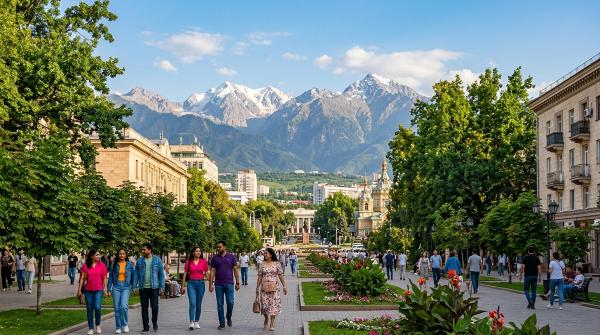
Kazakhstan was one of those countries I kept ignoring for no good reason. We Indians usually look at Thailand, Dubai, maybe Europe if budget allows, but Central Asia? Not always first on the list. Big mistake, honestly. The first time I landed there, I realised how underrated it is. Clean cities, giant landscapes, surprisingly modern public spaces, and food that felt both unfamiliar and weirdly comforting at the same time. But before all that pretty mountain stuff and café hopping in Almaty, there was the visa question. That’s the part everybody gets stuck on. So this post is basically the guide I wish someone had sent me on WhatsApp - simple, practical, no fluff, but also from someone who has actually gone through the process and then gone there and seen how things work on ground.
If you're searching for Kazakhstan visa for Indians, the short version is this: yes, Indians generally do need a visa, and for many travelers the eVisa route is the easiest if your purpose and paperwork match the rules. The process is not the most difficult thing in the world, but it does need attention. One small mismatch in hotel booking, passport scan, invitation details if required, or travel dates and you can end up stressing for no reason. I nearly did. So let’s go point by point... and also I’ll tell you the practical bits nobody explains properly, like what immigration actually asked me, how much money I roughly spent, and what kind of documents are safer to keep printed even if everything is digital these days.
First thing first - do Indians need a visa for Kazakhstan?
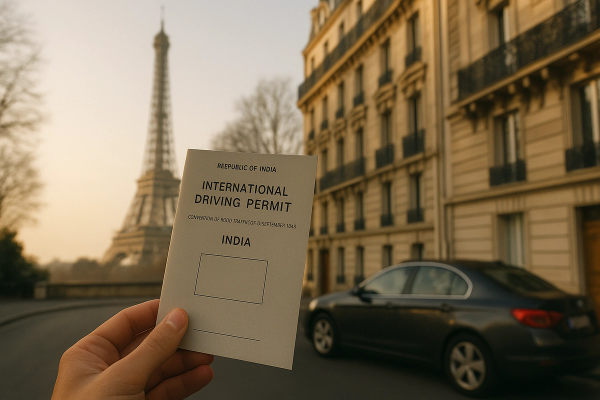
#Yes, in most normal cases, Indian passport holders need a visa to enter Kazakhstan. For tourism or short visits, many travelers look at the Kazakhstan eVisa because it saves time compared to old-school embassy paperwork. But, and this matters, eligibility can depend on the category of visit and whether you have the supporting approval or invitation structure required by Kazakhstan’s system at that time. Rules do change once in a while, so before booking anything non-refundable, always check the official Kazakhstan visa portal or embassy updates. I know, boring advice... but trust me, this is one of those cases where five minutes of checking saves twenty thousand rupees of regret.
When I was planning my trip, I first assumed it would be some super complicated ex-Soviet paperwork maze. It wasn’t exactly fun, but it also wasn’t as scary as people made it sound. The bigger issue was understanding which website was official and which random agency page was just trying to look official. That confusion is very real. If a site is aggressively pushing urgency and charging huge service fees before even telling you the actual visa fee, step back a bit.
Kazakhstan eVisa for Indians - who it works best for
#For Indian travelers, the eVisa is usually the most convenient option if you're going for tourism, business, or a short personal visit and your paperwork fits the required category. In simple words, if your trip is straightforward and you’re entering through approved international checkpoints, eVisa can save you embassy visits and a lot of back-and-forth. The application is online, the visa is issued electronically, and you carry a printout along with your passport. Very manageable.
- Best for short trips where your itinerary is clear and fixed
- Useful if you live far from embassies or consulates and don’t want physical submission drama
- Good if you already have your passport valid for at least 6 months beyond travel and can arrange docs neatly
- Not ideal if your travel history or purpose is messy, unclear, or changing every two days
One thing people miss - eVisa travelers are usually expected to use specific entry points, often international airports and certain checkpoints that accept eVisas. So don’t casually plan some overland route from another country without double-checking. I entered by air, and that made life easy.
Documents you’ll usually need for a Kazakhstan visa
#This is where most Indian travelers overcomplicate things. The document list isn’t endless, but every file should be clean, readable, and consistent. In my case, I kept both soft copies and printouts. At immigration, they barely looked at half of it, but I’d still say carry everything. When officials ask, you don’t want to be the person digging through email spam at 2% battery.
- Original passport with enough validity, ideally 6 months or more from your travel date
- Scanned passport bio page in clear color, not some dark cropped image
- Recent passport-size photo, as per required background and dimensions
- Completed online visa application form
- Valid email ID because updates and visa copy usually come there
- Payment method for visa fee and any processing charges
- Travel itinerary, return or onward ticket reservation is smart to keep
- Hotel booking or accommodation confirmation
- Invitation letter or visa support document if the category asks for it
- Travel insurance, not always dramatic at check-in, but very wise to have
A tiny thing, but important - make sure the name on your flight booking and passport is exactly the same. Indian travelers know this pain. One extra initial issue and the whole mood goes off. Also, if you’re staying with a friend or family member there, keep their address and contact details handy. Immigration officers may ask where exactly you are staying, and saying ‘some apartment in Almaty’ is not a great answer, yaar.
Kazakhstan visa fees for Indians - what you should budget
#The visa fee can vary depending on visa type, number of entries, processing route, and whether you are applying directly or through an agency. For most short-term travelers, think in terms of a basic visa charge plus possible service fees, bank/payment charges, and if you use an agency, their markup on top. In practical travel-budget terms, many Indians should keep a rough visa budget of around Rs 4,000 to Rs 10,000+, depending on category and assistance used. Business or invitation-linked cases can differ. Prices move, so I’m not going to pretend one fixed figure stays true forever.
My own spending was not just the visa fee. There was the visa cost, photo, printouts, insurance, and a little extra because I changed one hotel booking after applying. So when people say, ‘bro visa is only this much’, they’re often talking about the narrow official fee, not the actual end-to-end cost. Real life doesn’t work like that. Budget slightly above the official amount and you’ll be calmer.
| Expense | Typical range for Indians | My take |
|---|---|---|
| eVisa or short-stay visa fee | Varies by category, often moderate | Check official source before payment |
| Agency/service charges | Rs 1,000 to Rs 5,000+ | Avoid unless you really need hand-holding |
| Travel insurance | Rs 500 to Rs 2,000+ | Worth it, don’t skip casually |
| Photo/printouts/misc | Rs 100 to Rs 500 | Small cost, but keep cash/card ready |
| Hotel hold or itinerary changes | Depends | This is where unplanned cost sneaks in |
How the application process felt, step by step
#So, the process. Mine was basically this: I checked eligibility, gathered documents, filled the online form carefully, uploaded the files, paid, and then waited while checking email too many times like an idiot. If your visa category requires an invitation or reference support from the Kazakhstan side, that part needs to be arranged first. Without that, the rest won’t move properly. Once approved, you usually get the eVisa electronically and need to print it. Don’t depend only on your phone. Airport Wi-Fi is moody in every country, not just India.
- Check current visa category rules and whether eVisa is valid for your purpose
- Prepare passport, photo, bookings, and support docs
- Fill form slowly - spellings, passport number, travel dates, all must match
- Pay the fee and save payment proof/screenshot
- Wait for processing and monitor email regularly
- Print the approved eVisa and carry backup copies
My advice? Apply early. Not ridiculously early, but comfortably ahead of your trip. Don’t do the classic Indian thing of ‘haan ho jayega’ ten days before departure. Sometimes it does. Sometimes it very much does not.
What happened at immigration when I landed
#This part was smoother than I expected. I landed a bit nervous because online visa stories always sound more dramatic than reality. The officer checked my passport, visa printout, and asked a few basic questions - purpose of visit, number of days, where I was staying. Very normal stuff. I had my return ticket and hotel booking printed too, though I wasn’t deeply grilled. The key was simple: answer clearly, don’t over-explain, don’t joke around unnecessarily. Immigration is not the place for your stand-up career.
The funny thing is I spent more time worrying about immigration than actually being questioned there. Once you’re prepared, it’s mostly routine.
Also, keep in mind local registration or migration-related requirements can change, especially depending on your stay length and accommodation type. Hotels often handle practical reporting steps better than private stays, but don’t assume. Ask. That one question at reception can save a lot of confusion later.
Best time to visit Kazakhstan, because weather there is no joke
#If you’re going mainly for city travel, mountain views, day trips, and comfortable walking around, I’d say late spring to early autumn is the sweet spot. Around May to September is easiest for most Indian travelers. Almaty is lovely in shoulder season, and outdoor spots feel way more enjoyable when you’re not freezing your bones off. Summer is popular for lakes, hiking, and green scenery. Winter, though beautiful, is serious winter. Not Delhi ‘it’s cold yaar’. Actual cold. Dry air, snow, icy sidewalks, proper jackets needed.
- May to June - nice weather, good for sightseeing and fewer extremes
- July to August - warmer, popular, great for outdoor trips and lakes
- September - really pretty, cooler, often a sweet spot
- November to February - only if you genuinely enjoy winter or skiing
I went when the weather was pleasant enough to roam around without suffering, and that changed the whole trip. Big part of Kazakhstan’s charm is just being outside - broad roads, parks, mountain backdrops, open plazas. If weather fights you, half the magic goes down.
Where to stay and how much it costs
#Accommodation in Kazakhstan can be surprisingly reasonable compared to many international destinations Indians usually consider. In Almaty, I found hostels, budget hotels, serviced apartments, and mid-range business hotels all pretty easy to compare online. Astana too has a good range, though some areas feel more business-oriented than cozy. For budget travelers, hostels or simple guesthouses can start roughly around Rs 1,200 to Rs 2,500 a night. Mid-range hotels often sit around Rs 3,500 to Rs 7,000, and nicer stays can go much higher depending on location and season.
Personally, I’d recommend staying in central Almaty if it fits your budget. Being near cafes, metro, walkable streets, and easy taxis makes a huge difference. I once saved money by choosing a place slightly far out on one leg of the trip and then spent that saving on taxis anyway. Classic false economy. If you’re in Astana, choose based on your sightseeing plan because distances can feel larger and the city has that wide, spread-out feel.
Getting around, eating well, and feeling comfortable as an Indian traveler
#Transport was easier than I expected. In cities, taxis through ride apps are common and usually far more convenient than trying to negotiate on street every time. Public transport exists and is usable, and Almaty’s metro is small but neat. If you want day trips to places like Big Almaty Lake region, Charyn Canyon, Kolsai Lakes, or nearby mountain points, tours and private transfers are easy to arrange. For us Indians, food is always a concern by day two, let’s be honest. Kazakhstan has meat-heavy local cuisine, lots of bread, noodles, dumplings, grilled dishes, soups, and dairy-based items. You’ll find vegetarian options, but not everywhere in the Indian sense of ‘pure veg’. Plan a bit if that matters to you.
- Ride-hailing apps are super useful in Almaty and Astana
- Local cafes are often affordable, modern, and actually quite good
- Indian restaurants do exist in bigger cities, but don’t expect one on every corner
- Keep some snacks if you’re strict vegetarian or traveling to remote areas
I genuinely enjoyed trying local food, though after a few days I was dreaming of achar and proper masala chai. Still, there’s good coffee culture there, some excellent bakeries, and in bigger cities you’ll get international food without much struggle. One random thing I loved - the supermarkets. Very clean, well-stocked, and useful for budget breakfast runs.
Safety, current travel feel, and what Indians should know right now
#From my experience, Kazakhstan felt fairly safe for travelers, especially in major cities and standard tourist routes. Of course, basic common sense applies - don’t flash cash, don’t get sloppy drunk in unknown areas, keep passport copies, use official taxis or known apps, and stay updated on local advisories. The overall tourism vibe has grown a lot in recent years, and more travelers are noticing Central Asia now, including Indians who want something different from the usual circuit. Cities like Almaty feel modern and comfortable, and tourist infrastructure is getting better, though English is still not universal. A translation app helps a lot. Like, a lot.
There can be periods when regulations, protests, or regional advisories change, so before departure do a quick check of official travel notices and entry rules. I know blogs sometimes act timeless, but this bit should always be verified fresh. Also save your hotel address in English and local script if possible. That little move made taxi rides much less awkward for me.
A few lesser-known tips I wish someone told me earlier
#Okay, this is the part that doesn’t fit neatly into embassy checklists, but matters in real travel life. Carry a pen. Keep small paper copies. Download offline maps. Don’t assume every cafe or local spot takes your foreign card smoothly. Currency exchange is available, and cards work in many urban places, but a little local cash is smart. Dress in layers because weather changes fast, especially if mountain day trips are involved. And if you are doing a visa-backed itinerary, don’t randomly change all your hotel stays after issuance unless you understand whether it affects anything. Usually small changes are fine for tourists, but still, keep your core plan sensible.
- Print visa, hotel booking, insurance, and return ticket
- Keep passport copy separately from original
- Use eSIM or local SIM if available for easier ride bookings
- Learn a few words - even basic greetings help break the ice
- Don’t pack like you’re going only to Mumbai weather
And this is personal opinion maybe, but Kazakhstan rewards slower travel. Don’t go only for a visa stamp and one shopping mall. Take a day trip. Sit in a local cafe. Walk in the evening. Watch the mountains shift colour. It’s a place that grows on you quietly.
So... is Kazakhstan easy for Indians? Yes, mostly
#I’d say Kazakhstan is one of those destinations that feels more intimidating before the trip than during it. The visa part needs care, yes. The eVisa route can be a real convenience if you qualify and follow the process properly. Fees are manageable compared to many long-haul destinations, documents are not impossible, and once you land, the country itself is much more accessible than people assume. For Indians wanting something fresh, scenic, safe-ish, and not ridiculously overdone on Instagram, it’s a solid choice.
If you’re planning your own trip, be methodical with the visa, practical with your budget, and flexible once you’re there. That’s kinda the sweet spot. I went for the landscapes and curiosity, but I came back talking about how easy the city life felt, how underrated the food scene was, and how the whole trip just felt... different in a good way. Not perfect, not flashy, just memorable. And yeah, if you like reading travel stuff in a more real, less robotic way, have a look at AllBlogs.in too.