If you're sitting in India right now comparing Kenya safari cost vs Tanzania safari cost and your browser has like 17 tabs open, chai getting cold, family asking “toh final kya decide kiya?”, I get you. I was exactly there. And honestly, both countries are amazing. Like absurdly amazing. But they are not the same trip, not the same vibe, and defintely not the same value depending on how you travel. I did Kenya first and Tanzania later, both from an Indian traveler mindset, meaning I was absolutely calculating flights, visa ease, food comfort, whether my parents would survive the drives, and if the whole thing was worth the money or just Instagram hype. Short answer: both are worth it. Longer answer... Kenya usually gives better safari value for most Indian travelers, while Tanzania can feel more dramatic and premium if your budget stretches.
This is not one of those robotic country-comparison posts where everything is “world class” and “breathtaking”. I mean yes, the wildlife is insane, but practical stuff matters too. Airport hassle matters. How much a game drive actually costs matters. Whether you can get veg food or at least some decent dal-rice type comfort meal after two days of jeep rides matters a LOT more than travel magazines admit. So here’s the real breakdown, with the good, the annoying, and the bits I wish someone had told me earlier.
The quick answer, if you’re in a hurry
#For Indian travelers looking for the best overall safari value, Kenya often wins on easier planning, a wider range of mid-budget lodges, and stronger road-and-flight safari combinations around Maasai Mara, Amboseli, Lake Naivasha, and Nakuru. Tanzania, though, can deliver a more vast, cinematic safari feel in Serengeti and Ngorongoro, but usually at a higher total trip cost once park fees, transfers, and lodge rates kick in. So if your question is pure value-for-money, I’d lean Kenya. If your question is once-in-a-lifetime, giant-landscape, fewer-compromises safari magic... Tanzania starts whispering in your ear.
If this is your first Africa safari and you don’t want to feel financially punched in the face, Kenya is usually the safer bet. If you’re okay spending more for a slightly grander, wilder feeling, Tanzania is kind of ridiculous in the best way.
Flights from India, visa stuff, and that whole annoying planning phase
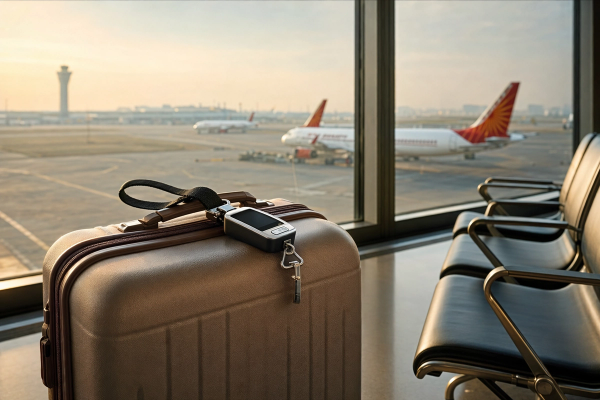
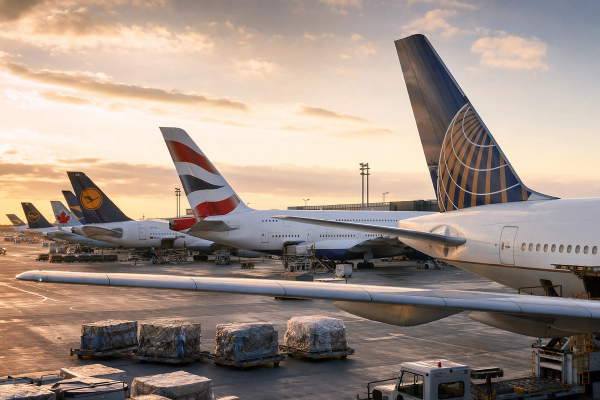
#From India, getting to Nairobi tends to feel a bit simpler for many people, especially because Nairobi is such a major East African hub. Depending on your city, you’ll usually find one-stop routes via Middle East carriers pretty easily. Tanzania is also reachable without too much drama, usually into Kilimanjaro, Dar es Salaam, or even Zanzibar if you’re combining beach plus safari, but flight combinations can be pricier and sometimes less neat. I found fares to Nairobi a little more competitive on average, especially if booked early and not during peak holiday madness.
Visa-wise, Indian passport holders should always double-check the latest official rules before booking because these things change, like, weirdly often. But in general, both Kenya and Tanzania have become more straightforward than people assume. E-visa or online approvals have made life easier compared to old-school embassy panic. Carry printouts anyway. Don’t be overconfident. African immigration counters are usually fine, but this is not the moment to say “it’s on my phone somewhere”. Keep hotel confirmations, return ticket, safari booking, yellow fever rules if you're crossing borders, all that sorted.
One practical point a lot of Indian travelers miss: if you’re trying to do Kenya and Tanzania in one trip because map pe dono paas paas lagte hain, it can get expensive and tiring unless you plan it really well. Border crossing logistics, domestic flights, visa checks, yellow fever certificate questions, all this can eat time and energy. A single-country safari is often better value than a rushed combo.
Where Kenya gives better value, like genuinely better
#Kenya surprised me because it had more layers at different budgets. That’s the easiest way to explain it. You can do a shared safari from Nairobi, stay in a decent camp outside Maasai Mara, mix in Lake Naivasha or Nakuru, and not feel like you’ve completely destroyed your savings. Is it cheap? No yaar, safari is never really cheap. But Kenya gives you more price bands. More mid-range camps. More operators. More chances to tweak the itinerary.
A typical mid-range Kenya safari for Indian travelers, say 4 to 6 days covering Maasai Mara plus one or two other parks, can sit in that manageable middle zone depending on season, lodge level, and whether you join a group or take a private vehicle. Budget camping/shared departures can go much lower, while luxury jumps fast. But the key is: Kenya has more room to play. In Tanzania, once you add Serengeti and Ngorongoro properly, the floor price often starts higher. Park fees there can be painful, and many good lodges are much more expensive than they first appear online because transfers, concession fees, and taxes suddenly pop up and say hello.
- Kenya usually has better-value shared safaris from Nairobi
- More mid-range camps around Maasai Mara and nearby circuits
- Easier to combine safari with city time, lakes, or even coast if you want
- Road trips are long, yes, but often reduce domestic flight costs
What really helped my wallet in Kenya was flexibility. One night in Nairobi, then road safari, then maybe a flight back if you’re tired. Or all-road if you’re with friends and don’t mind the bumps. In Tanzania, especially if your dream is central Serengeti and Ngorongoro crater, you often end up paying more just to reach the good stuff.
But Tanzania... uff, the safari drama is next level
#Now let me be fair because Tanzania is not expensive for no reason. The landscapes in Serengeti are absurd. That wide-open endless plain feeling, the sky going all dramatic at sunset, lions looking like they’ve been placed by a film director... it really does hit different. Ngorongoro Crater also feels almost unreal, like somebody made a wildlife bowl and filled it with animals. I didn’t expect to be this affected by it, but I was. A little emotional, actually.
Tanzania also feels less crowded in certain circuits, more spread out, more immersive if you stay inside or close to the parks. And if you pair safari with Zanzibar, then okay, now you’re cheating because that becomes a very strong holiday. Safari plus Indian Ocean beaches is hard to beat. But value-wise, you need to ask yourself whether you want the most sightings per rupee or the most epic overall experience. Those are not always the same thing.
Best parks for Indian travelers, and what they feel like on the ground
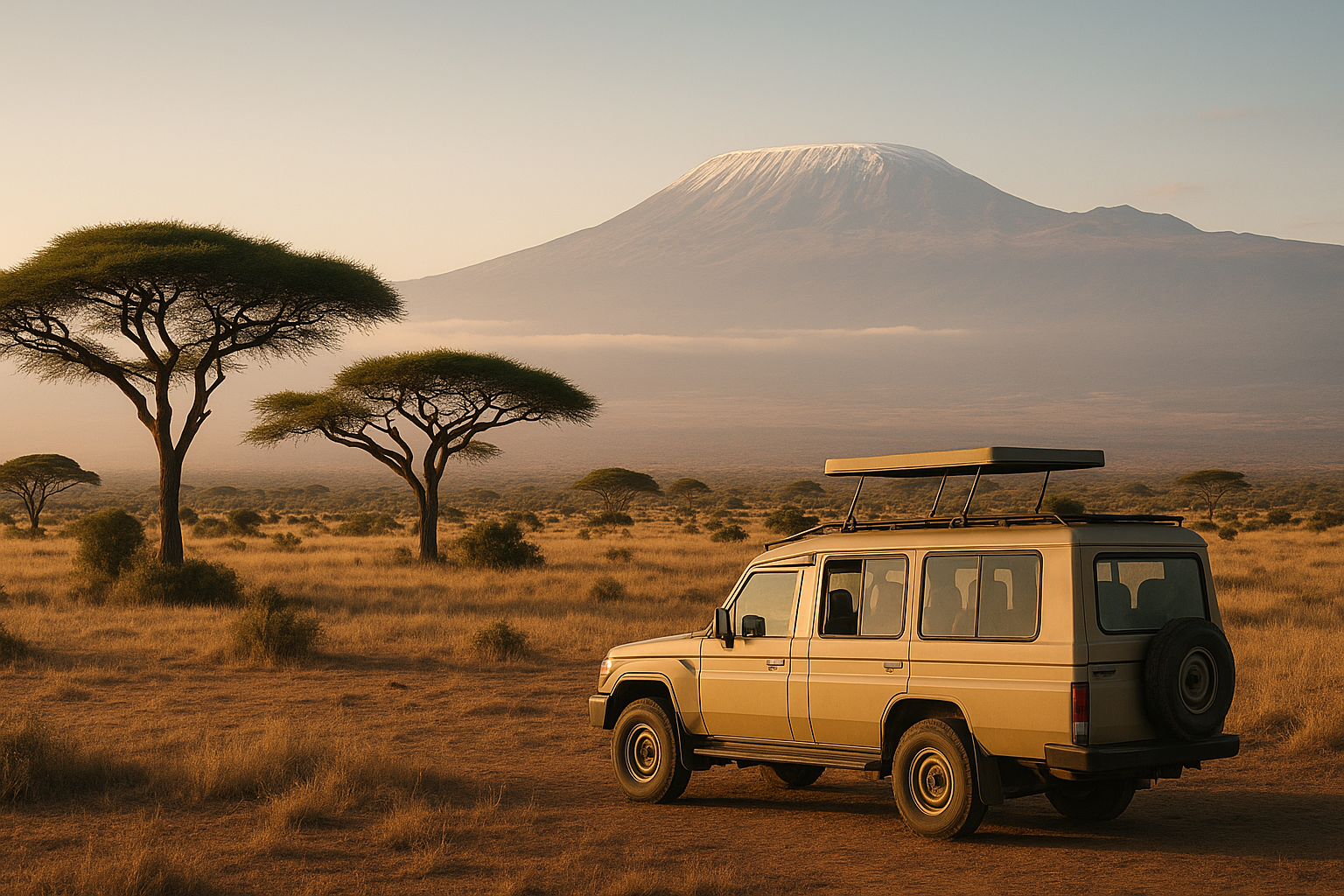
#In Kenya, Maasai Mara is the headline act for a reason. Big cats, open grasslands, classic safari look, and if you time it around the migration months, the drama is very real. Amboseli is brilliant if you want elephants with Kilimanjaro in the background, and honestly that view alone felt worth it. Lake Nakuru gave us rhinos and some lovely scenery, while Naivasha was a softer break from game drives, with boat rides and a more chilled pace. Kenya felt varied within shorter distances, even when the roads tested my spine.
In Tanzania, Serengeti is the giant. It feels huge because it is huge. The wildlife density in some areas is ridiculous, but drives between zones can be longer than first-time visitors expect. Ngorongoro Crater is compact and spectacular, though because it is so famous, costs are high and timing matters. Tarangire, btw, is underrated for elephants and baobabs. Many Indian travelers skip it to save money, but if your itinerary allows it, I’d keep it. Lake Manyara is more mixed in terms of sightings, but good as part of a circuit. Southern Tanzania, places like Nyerere, can be more adventurous and less mainstream, though not usually the first choice for first-timers focused on maximum classic safari value.
Best time to go, because season changes everything
#This part matters way more than people think. If you travel in peak migration season, especially around Maasai Mara or Serengeti, prices shoot up. Like instantly. Camps that looked sort of affordable suddenly become “acha, leave it” expensive. Dry season is usually best for wildlife viewing because animals gather near water and grass is lower, but shoulder season can give surprisingly good value. I’m a big fan of that in-between timing if your budget is not unlimited.
For Kenya, the dry months are generally strongest for classic game viewing, and the migration usually peaks in the Mara around July to October, though nature does not read our itineraries and timings can shift. Tanzania’s northern circuit is also fantastic in dry months, and the migration moves through different parts of Serengeti through the year. Calving season in southern Serengeti, roughly around Jan to March-ish, can be incredible too, especially for predator action. Basically don’t just google “best month” and stop there. Match the month to the exact park and what you want to see.
If you want better value, shoulder months are your friend. Not the heaviest rain periods maybe, but the edges. Lodges often soften rates, the parks can feel less packed, and photos are still gorgeous because the landscapes have more colour. Just carry a light rain jacket and don’t emotionally collapse if one game drive is slower.
Accommodation, food, and the things Indian families always ask first
#Let’s be honest. Our families do not ask “how is the ecosystem?” first. They ask, “Khana milega na?” and “washroom clean hoga?” Fair questions, honestly. In both Kenya and Tanzania, safari accommodation ranges from basic tents to super-luxury lodges with plunge pools and prices that can make your soul leave your body. Mid-range camps in Kenya felt more plentiful to me. Clean rooms, hot water most of the time, buffet meals, early morning tea, packed breakfasts, all that. Tanzania also has excellent lodges, but the mid-range sweet spot felt narrower in the big-name parks.
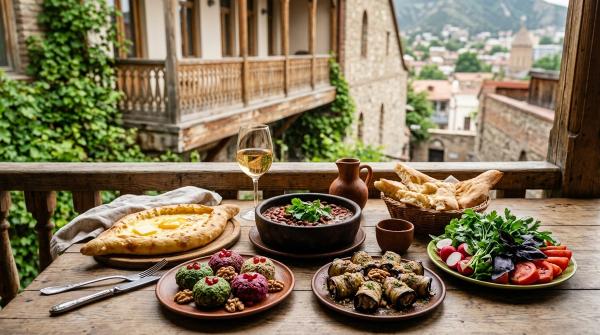
Price-wise, rough broad-brush numbers for Indian travelers: budget/shared safari setups can start low but come with compromises, mid-range camps usually sit in the comfortable sweet spot, and luxury goes sky high in both countries. If I simplify a lot, Kenya gives more decent options in the middle. Tanzania gives more wow, but often for more money. Also, many lodges in both countries understand vegetarian requests if told in advance. I got decent veg curries, rice, soups, grilled vegetables, fruit, eggs, chapati-style breads here and there. Don’t expect proper Indian food everywhere, but Nairobi has many Indian restaurants, and even Arusha has some good South Asian options because of the old Indian community links in East Africa. That was a happy surprise, not gonna lie.
- Nairobi is much better if you want a proper Indian meal before or after safari
- Arusha has Indian restaurants too, though the range is smaller than Nairobi
- Tell safari camps in advance if you need Jain or strict vegetarian meals
- Carry thepla, khakhra, cup noodles, or ready poha anyway... trust me on this
Safety, road conditions, scams, and the normal stuff no brochure tells properly
#Overall, both Kenya and Tanzania felt manageable for Indian tourists if you use common sense. Safari areas themselves usually feel quite controlled because you’re with guides, lodge teams, and organized routes. The bigger caution is in cities. Nairobi gets talked about like it’s some giant danger zone, which I think is overdone, but you should absolutely use proper taxis or app cabs, avoid random night wandering, and keep phones and cash sensible. Arusha felt calmer to me, though less dynamic. Dar es Salaam is busy and not really where most safari people linger long anyway.
Road conditions can be rough, especially on approaches to some parks. Kenya’s drives, particularly to Maasai Mara depending on the route and current road works, can be bumpy enough to rearrange your internal organs. Tanzania also has long dusty stretches. If parents have back issues, don’t act macho and save every rupee by forcing all-road itineraries. One domestic bush flight can save the trip. Also pack ORS, motion sickness tablets, sunscreen, lip balm, and a power bank. These become weirdly important.
As for scams, the usual travel-world stuff applies. Confirm what’s included in the safari quote. Park fees, crater fees, drinking water, airport transfer, balloon safari, tips, all of this must be written clearly. If a price seems suspiciously cheap, it usually means something major is excluded. I nearly booked one such “deal” before noticing the game drives were shorter and park entry wasn’t fully covered. Sneaky stuff.
If you’re traveling as a couple, with friends, solo, or with parents
#This changes the best safari value equation a lot. Couples on honeymoon-ish trips often prefer Tanzania, especially if adding Zanzibar. It has that romantic, sweeping, special-occasion mood. Friend groups who want to split a private jeep often get excellent value in Kenya because costs divide well and there’s more flexibility. Solo travelers usually find Kenya easier for joining group departures. Families with older parents, I would say pick based on comfort not just destination. A smoother lodge, fewer park changes, and one short flight can make Kenya or Tanzania equally good, but the wrong itinerary can make both exhausting.
With kids, Kenya is maybe a little easier for first-timers because there are many family-friendly lodges and simpler circuit options. With wildlife-photography types who are willing to spend, Tanzania can become deeply rewarding. It really depends what kind of tired you’re okay with. Budget tired? Road tired? Luxury tired? Safari has all versions, lol.
Some lesser-known bits I loved, which don’t always make the first-page itineraries
#One thing Indian travelers sometimes do is over-focus on the single famous park and miss the side experiences that make the trip feel richer. In Kenya, I loved the slower mood around Naivasha more than expected. After endless scanning for lions, a boat ride with hippos and birds felt peaceful in a completely different way. Nairobi also has more to do than people think, like the Giraffe Centre, Karen area cafes, and the elephant orphanage if timing works. In Tanzania, Arusha can be a useful reset stop, and Tarangire deserves more respect than it gets. If you're doing Zanzibar after safari, Stone Town is not just a transit point, spend at least a little time wandering there.
Also, local culture matters. In both countries, if you’re visiting Maasai communities, please don’t treat it like a human zoo photo stop. Some visits are meaningful, some are performative, and you can usually sense the difference. Go with respect, ask before photographing, and don’t bargain so hard over crafts that you lose basic decency. We Indians are champions at negotiating, I know, but still.
So... Kenya or Tanzania? My honest verdict for best safari value
#If my cousin called me tomorrow and said, “Bhai, first Africa safari, want max value, not crazy luxury, what should I book?” I’d say Kenya. Pretty quickly, actually. Better range of operators, easier access, more mid-budget options, and a very strong first-safari payoff. You can see a LOT without going totally broke. Especially for Indian travelers who are balancing annual leave, airfare, exchange rates, and maybe family expectations too, Kenya makes practical sense.
But if that same cousin said, “Budget is decent, I want the most cinematic safari possible, fewer compromises, maybe combine with beach,” then I’d say Tanzania. Serengeti plus Ngorongoro is unforgettable. Not cheap, no point pretending otherwise, but unforgettable. In some ways, Tanzania felt like the more emotional trip. Kenya felt like the smarter-value trip. And depending on your stage of life, either one can be the right answer.
My simple take: Kenya wins for safari value. Tanzania wins for safari grandeur. Pick your pain point... money or FOMO.
A few final practical tips before you book anything
#Compare total package cost, not just base safari price. Check whether park fees are included. Ask how many game drives are full-day versus half-day. Ask the exact camp names, not “or similar”. Don’t underestimate travel insurance. Keep some USD cash in good condition because old or torn notes can be rejected in parts of East Africa. Use cards in cities, but on safari cash tips are still common. And please get a proper universal adapter, because charging camera batteries through jugaad methods in a tent camp is not the adventure you want.
One last thing. If this is a dream trip, don’t over-optimize it so much that you suck the joy out of it. I did that at first, spreadsheets and all. Then I saw a lioness walking through golden grass at sunset and realized some trips are bigger than our little calculations. Still do the calculations though. Very important. Just... leave some room for wonder also.
Anyway, that’s my no-nonsense take after doing both from an Indian traveler lens. If you want the better safari value, start with Kenya. If your heart keeps drifting to Tanzania and you can stretch the budget, go there without guilt. Either way, Africa gets under your skin a bit. In the best possible way. And if you like this kind of practical-but-personal travel writing, have a look at AllBlogs.in too, there’s some genuinely useful stuff there beyond the usual copy-paste travel fluff.