
Landing in India for the first time can feel a bit like being dropped into five countries at once. That sounds dramatic, I know, but trust me, it kind of is. One airport ride in and you’ll see luxury hotels, temple bells, chai stalls, food delivery bikes flying past, aunties bargaining like pros, and someone casually paying ₹12 for tea by scanning a QR code in half a second. If you’re visiting India for the first time, the biggest stress usually isn’t where to go. It’s the practical stuff. Money. Internet. Getting a local SIM. Figuring out if UPI works for you. And of course, safety. I’ve travelled across Delhi, Mumbai, Jaipur, Kochi, Varanasi, Bengaluru, Goa, and plenty of smaller places too, and the same questions always come up from first-time visitors. So this is the guide I’d give a friend, not some stiff brochure-type thing.
Also, small reality check. India is not one neat, single travel experience. What works in Mumbai may not work in a small town in Uttarakhand. What feels safe at 8 pm in one neighbourhood may feel annoying or overwhelming in another. But once you understand the basics, the country becomes way easier to handle. And honestly... a lot more fun. You stop panicking and start noticing the good stuff, like that tiny dosa place near the metro station, or the old uncle at the kirana shop who helps you recharge your number even though you barely explained anything.
Cash in India: Yes, you still need it, even though digital payments are everywhere
#This is probably the first myth to clear up. No, India is not fully cashless. And no, you don’t need to carry huge wads of cash either. The truth is somewhere in the middle. In cities, you can survive surprisingly well with card and digital payments at hotels, malls, chain cafes, airport counters, many restaurants, app cabs, and bigger stores. But the second you step into local markets, smaller eateries, autos, tea stalls, temples, luggage porters, local buses, old-school guesthouses, or random roadside shops, cash suddenly matters again.
My usual advice? Carry a mix of ₹100, ₹200 and ₹500 notes, plus a little emergency stash separate from your wallet. Don’t expect everyone to have change for ₹500 early in the morning. This happens all the time. You buy one bottle of water and the shopkeeper gives you that face... like bhai, change kahan se doon? So break bigger notes at supermarkets, pharmacies or chain stores whenever you can. ATMs are common in cities and tourist zones, but some machines don’t work, some run out of cash, and some foreign cards get fussy. So when you find a working ATM in a decent area, just withdraw enough for a couple of days and move on.
- For daily basics, ₹1,500 to ₹3,000 in cash is usually enough if you’re also using card or app payments
- Keep small notes for autos, snacks, tips, station porters, public toilets, and market shopping
- Use ATMs attached to major banks when possible, they’re usually more reliable
- Don’t flash lots of cash in crowded stations, markets, or outside ATMs. Sounds obvious, but still
UPI in India is brilliant... but first-time visitors need to know the catch
#UPI is basically the backbone of daily payments in India now. You’ll see QR codes everywhere. Like literally everywhere. Fancy restaurants, chai stalls, flower sellers, parking guys, fruit carts, tiny hostels, even some beggars in big cities sometimes, no joke. For locals, it’s seamless. Scan, pay, done. For foreign travellers, it used to be super frustrating because you often needed an Indian bank account. That’s still partly true, but things have improved a lot. Some international travellers can now access UPI through selected travel/payment setups linked to foreign numbers or prepaid travel products, especially at airports and through partnered services. Availability depends on where you’re from, which service you use, and which merchants accept it.
So here’s the practical version, not the hype version. Don’t arrive assuming UPI will definitely solve everything from day one. If it works for you, amazing, use it because life gets much easier. If it doesn’t, that’s normal too. Have backup options ready. A Visa or Mastercard, some cash, and maybe a second card stored separately. In places like Delhi airport, Mumbai airport, Bengaluru, and some international arrival hubs, there are now counters and fintech services trying to help travellers get onboarded to UPI-style payment systems. Some do work pretty smoothly. Some are a bit confusing, honestly. India being India.
The smartest move is not choosing between cash or UPI. It’s carrying all three layers: cash, cards, and if possible UPI. That combo saves you from 90% of travel headaches.
How I’d handle money on a first India trip, if I was landing fresh again
#If I was doing my first trip all over again, I’d keep it dead simple. Withdraw some cash at the airport only if needed, but not a huge amount because airport exchange counters usually aren’t the best deal. Use a bank ATM instead. Keep one card in your wallet and another in your luggage. If your hotel takes online card payment, pay larger bills that way and save cash for local use. For things like metro cards, app cabs, museum tickets, chain restaurants and train bookings, digital is easier. For street food, local transport, market shopping, and small town life, cash still wins a lot of the time.
Typical budget-wise, backpacker hostels in India can start around ₹500 to ₹1,200 for a dorm bed in many cities, though in peak season or trendier places like Goa, Rishikesh, Manali, Mumbai or central Bengaluru, prices can go higher. Decent budget private rooms often sit around ₹1,500 to ₹3,500. Mid-range hotels are commonly ₹3,500 to ₹7,000, and then of course the sky is open after that. I’m saying this because your payment strategy changes with your style. If you’re staying mostly in budget places and eating local, cash becomes more important. If you’re in business hotels and booking cabs via apps, cards matter more.
Getting a SIM card in India without losing your mind
#Okay, SIM cards. This part can be weirdly easy or weirdly annoying. There is no in-between. The main players most travellers look at are Jio, Airtel and Vi. In real-world use, Airtel and Jio are usually the safest bets for coverage and data in most tourist circuits, metro cities, and airport areas. Jio often gives strong data value. Airtel is often praised for better consistency in some urban and travel-heavy routes. But seriously, network quality changes by state, mountain area, beach town, even by building. I’ve had full bars in one corner of a hill station and zero signal ten minutes later.
At major international airports, you may find tourist SIM desks or telecom counters, but not always in the smooth, magical way blogs promise. Sometimes they’re shut. Sometimes stock is limited. Sometimes activation takes time. You usually need your passport, visa details, and sometimes a local address or your hotel address. Some SIMs activate quickly, others can take a few hours. So before you land, download offline maps, save your hotel address, and screenshot the booking. Don’t depend on instant data the moment you step outside immigration. That’s where people get stressed and overpay random taxi guys.
- If your phone supports eSIM, check before travel whether your device and chosen provider will work in India
- Airport SIMs are convenient, but city stores sometimes offer better clarity and plans
- Have passport photocopies or digital copies ready, plus your first hotel address
- Once active, do a small test call and check mobile data before leaving the shop. Please do this. Really
Best mobile data plan strategy for tourists
#Most travellers don’t need anything fancy. India mobile data is still pretty affordable compared to many countries. A prepaid plan with daily data, unlimited calling inside India, and 2 to 4 weeks validity is usually enough. If you’re hopping cities and working remotely, get a higher data plan because video calls, maps, ride apps, and Instagram uploads will eat through it faster than you think. Public Wi-Fi exists in airports, cafes, and some hotels, but I wouldn’t build my whole trip around it. Hotel Wi-Fi can be excellent or complete bakwaas depending on the place.
One thing I always tell people: your SIM is not just for internet. In India it’s your access key. You’ll use the number for OTPs, app sign-ins, train alerts, food delivery, cab bookings, and maybe payment apps too. If your number stops working or activation fails, your day can get derailed fast. So spend a little extra time getting this sorted properly. It saves so much headache later.
Safety in India: not panic-mode, but don’t be careless either
#People love making India sound either dangerously chaotic or spiritually magical. It’s neither all the time. It’s just a real place, with good people, scams, warmth, noise, kindness, crowding, generosity, and the usual urban nonsense mixed together. As an Indian traveller, I’ll say this very clearly: most trips go totally fine if you use common sense and stay a little alert. The biggest issues for first-time visitors are usually overcharging, confusion, transport scams, pushy touts, pickpocket-prone crowds, and lack of situational awareness, not dramatic movie-style danger.
In big cities, book cabs through known apps when possible, especially from airports and railway stations. Prepaid taxi booths are still useful in some places. Avoid getting into random cars offered by men who approach you saying “cheap taxi madam/sir.” At stations, be extra careful with bags during boarding chaos. On overnight trains, lock your luggage. In crowded markets and festival areas, keep your phone in a front pocket or zipped sling. If someone tries to distract you with too much helpfulness, just pause for a sec. Sometimes it’s genuine, sometimes it’s the opening scene of a scam.
- Arrive at your hotel in daylight if possible, especially in a new city
- Use Google Maps, but also ask hotel staff which lane or side entrance is safer at night
- Share your live location or cab details with one trusted person when moving late
- Dress how you want, but in conservative areas a low-key outfit attracts less staring and less nonsense
- Trust your gut. If a place, driver, or situation feels off, leave. No need to be polite forever
Extra safety tips for solo women, because this matters and no, we shouldn’t sugarcoat it
#India is travelled by loads of solo women, both Indian and international, and many have a great time. But yes, some places can feel intense. Staring is common in parts of the country, especially if you stand out. Sometimes it’s curiosity, sometimes it’s plain irritating. I hate that this still needs saying, but practical caution helps. Choose accommodation with lots of recent reviews, preferably from women travellers too. For late arrivals, arrange the airport transfer with your hotel or use a known app. If you’re taking local transport after dark in an unfamiliar area, sit near families or women when possible. In metros, use women-only coach options where available. Delhi Metro has this, and it’s honestly helpful.
And yeah, don’t tell random strangers you’re travelling alone if you don’t want to. You can casually say your friend is waiting, your brother is at the hotel, whatever. It’s not lying in some evil way, it’s just self-protection. Most interactions will be harmless and even sweet, but there’s no prize for being over-trusting. Also, if anyone asks for selfies and you’re uncomfortable, just say no and keep walking. You don’t owe politeness to weirdness.
Transport, bookings, and the little scams that catch first-timers
#This is where people lose money without realizing it. Airport taxi overcharges. Fake guides. Drivers claiming your hotel is closed. Auto drivers saying “meter not working.” Someone at a station insisting your train is cancelled and directing you to a travel desk. Please ignore these classics. Confirm info only through official apps, railway boards, hotel calls, or verified counters. For trains, book through official channels or trusted booking platforms. For city travel, metros in places like Delhi, Bengaluru, Kochi, Mumbai and Hyderabad are super useful. They’re cheap, fast, and save you from traffic meltdowns.
If you want rough city transport costs, app cabs for short urban rides may be anywhere from ₹120 to ₹400 depending on city, timing, demand and weather. Airport rides can be much more. Auto-rickshaws are cheaper for short hops, but fares vary wildly unless meter use is common in that city. In Goa or hill stations, expect transport to cost more than you think. People budget for rooms and food, then get punched by taxi prices. It happens every season, lol.
Where to stay on your first trip, and what kind of area is better
#For a first India trip, I honestly think location matters more than luxury. Stay in a well-connected neighbourhood close to metro access, major attractions, or a known commercial zone. In Delhi, many first-timers prefer Aerocity for airport convenience, Connaught Place for central access, or South Delhi pockets for cafes and a calmer feel. In Mumbai, places near Bandra, Colaba, or Andheri are practical depending on your plans. In Jaipur, staying inside or close to the old city gives atmosphere, but a quieter road just outside can be more restful. You get the idea. Don’t book the cheapest room on the outer edge of town and then regret every commute.
These days India has everything from backpacker hostels with coworking corners to heritage havelis, business hotels, homestays, wellness retreats, and slick serviced apartments. Reviews matter a lot. Read the latest ones, not just the rating. Check comments on cleanliness, hot water, Wi-Fi, neighborhood safety, and whether staff actually help with local transport. Sometimes a 7.9-rated place with kind staff is way better than a shiny 8.8 where nobody cares if your airport pickup vanished.
Best season to visit India? Depends where you’re going, but here’s the honest version
#For a broad first trip covering Delhi, Rajasthan, Agra, Varanasi, Mumbai, or most classic circuits, the cooler months from roughly October to March are easiest. Weather is more comfortable and sightseeing doesn’t feel like punishment. December and January can get surprisingly cold in North India, especially mornings and nights, and fog sometimes messes with flights and trains. Summer, from around April to June, can be brutally hot in much of the north and central belt. Like, not cute hot. Exhausting hot. Hill stations and some southern/coastal areas become alternatives then, though they have their own crowd patterns.
Monsoon travel can actually be beautiful if you’re okay with delays, humidity and wet shoes forever. Kerala, Goa, Western Ghats areas, and parts of the northeast look lush and gorgeous in rain, but transport can get messy. If this is your first-ever India visit and you want fewer logistical surprises, I’d still say aim for the cooler season. It just makes the learning curve gentler.
Food, water, and not getting knocked out by your own bad decisions
#India is one of the best food countries in the world and I will die on that hill. But your stomach may not agree on day one if you go too hard. The rookie mistake is landing and immediately eating raw chutney from three street stalls, cutting chai from a dubious platform vendor, and pani puri from a place where even locals are hesitating. Slow down yaar. Start with busy, high-turnover food spots. Eat hot, freshly cooked food first. Move toward street food once your confidence and stomach settle a bit.
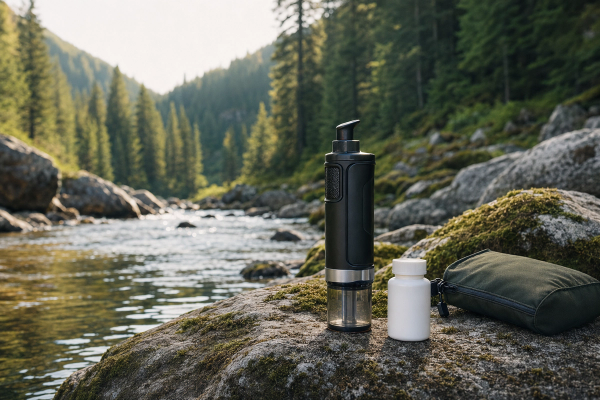
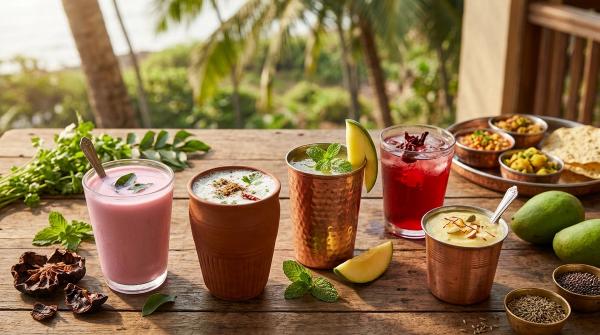
Drink sealed bottled water or use a reliable purifier bottle. In good hotels and cafes, filtered water may be fine, but if you’re unsure, don’t risk it. Keep ORS packets, basic meds, and hand sanitiser. Local food can be incredibly cheap still, from ₹40 breakfasts to ₹200 thalis to ₹500 cafe meals, depending on city and area. Try regional dishes, not just butter chicken everywhere. In Mumbai, have vada pav from a busy place. In Jaipur, try pyaaz kachori. In Bengaluru, benne dosa. In Kolkata, kathi rolls. In Kerala, appam and stew or fish meals. Food is part of understanding India properly, not just ticking boxes.
A few lesser-known things first-time visitors usually don’t expect
#One, OTP culture. Everything may ask for your phone number. Two, addresses can be messy. Landmarks matter almost as much as street names. Three, Google Maps is useful but not holy scripture. Four, airport-style personal space does not exist in many queues. Five, people may ask personal questions very fast, like where are you from, married or not, salary kitna. It can feel nosy, but often it’s just social curiosity gone wild. And six, kindness appears in random places. A shopkeeper will help you find your bus. A family on a train may share snacks. Someone will probably help you pronounce a place name you’ve been murdering for two days.
That mix is India, honestly. Frustrating and generous. Loud and tender. Efficient in one moment, completely impossible in the next. If you arrive expecting perfection, you’ll be tired. If you arrive prepared but open, you’ll probably end up loving it more than you expected.
Final thoughts before you land
#So yeah, if this is your first time in India, don’t overcomplicate it. Carry some cash. Try for UPI if your setup allows it, but keep backup options. Get your SIM sorted early. Book your first hotel in a sensible area. Use trusted transport. Stay alert without becoming paranoid. And leave room for the country to surprise you a little. Because it will. In annoying ways sometimes, sure. But also in the best ways. A chai handed over on a rainy platform, a perfect thali in a place you almost skipped, a stranger helping you find the right platform when you were one minute away from losing it... that kind of stuff stays with you.
If you’re planning your route next, city by city, and want more grounded travel reads instead of over-polished nonsense, have a look at AllBlogs.in. I’ve found some genuinely useful stuff there, and that’s pretty rare these days tbh.