Travelling with a pet in the Indian monsoon sounds very cute till your dog decides to shake rainwater inside the car, your “waterproof” bag gives up near Lonavala, and the homestay uncle says, “pet allowed, but bed pe nahi, okay?” I learnt most of my monsoon pet travel lessons the messy way. Not from one perfect Instagram road trip, but from wet towels, last-minute vet calls, muddy paws, delayed trains, and that one time my dog refused to pee because the grass was too soggy. Typical.
This guide is basically what I wish somebody had told me before I started doing rainy-season trips with my dog around India. It’s for road trips, train journeys, short getaways, beach stays, hill stations, and even those “bas two days chalte hain” plans that become complicated because pets need more planning than humans. Especially in the monsoon, boss. India is beautiful in the rains, no doubt, but it is also slippery, damp, humid, full of ticks, and sometimes totally unpredictable.
First Thing: Should You Travel With Pets During Monsoon in India?
#Honestly? Yes, but not blindly. Monsoon travel with pets can be lovely if your pet is healthy, calm with travel, and you choose the right route. The weather is cooler, waterfalls are alive, forests smell amazing, beaches are less crowded in some places, and many pet-friendly stays are cheaper than peak winter rates. But if your pet gets anxious with thunder, hates car rides, has skin issues, is elderly, or is a very young puppy or kitten, you need to think twice. Not cancel forever, just plan better.
In most parts of India, the main monsoon months are June to September. Kerala and parts of the Western Ghats start earlier, sometimes late May. Northeast India can recieve heavy rain even outside the “normal” season. Places like Goa, Coorg, Chikmagalur, Munnar, Lonavala, Mahabaleshwar, Wayanad, Sakleshpur, Meghalaya, Konkan, Uttarakhand and Himachal look dreamy, but landslides, road closures, flooding and leech-heavy trails are real things. Before any trip, I now check IMD weather alerts, Google Maps road updates, local news, and if it’s a hill route, I call the hotel also. Sounds extra, but it has saved me.
My Monsoon Pet Travel Rule: Health Check Before Packing Anything
#I used to start with cute raincoats and collapsible bowls. Big mistake. The first checklist is not gear, it’s health. A monsoon trip can trigger fungal infections, stomach upsets, tick fever, paw irritation, ear infections, and leptospirosis risk if your pet steps into contaminated water. In many Indian cities during rains, street water mixes with sewage, garbage and god knows what else. Dogs sniff everything, lick paws, drink from puddles if you blink for 2 seconds. Cats are usually more careful, but still.
Before a trip, I usually do a quick vet visit if we’re going for more than 2 nights, especially to hills or coastal areas. Keep vaccination records updated, including rabies. Ask your vet about leptospirosis vaccine for dogs, tick and flea prevention, deworming, motion sickness medicine, anxiety support if needed, and what dosage of basic medicines is safe. Please don’t randomly give human tablets. I know Indian families love saying “half Crocin de do” for everything, but pets are not built like us.
- Carry vaccination certificate and recent health certificate if taking train or flight. Some stays also ask for it now, especially better pet-friendly resorts.
- Use tick/flea prevention before the trip, not after you find a fat tick behind the ear. Been there. Very disgusting.
- Trim nails before travel. Wet floors plus long nails equals sliding dog, comedy for 3 seconds, injury risk after that.
- Check ears daily during humid weather, especially floppy-eared breeds like Beagles, Cockers, Labs.
The Monsoon Pet Travel Gear Checklist I Actually Use
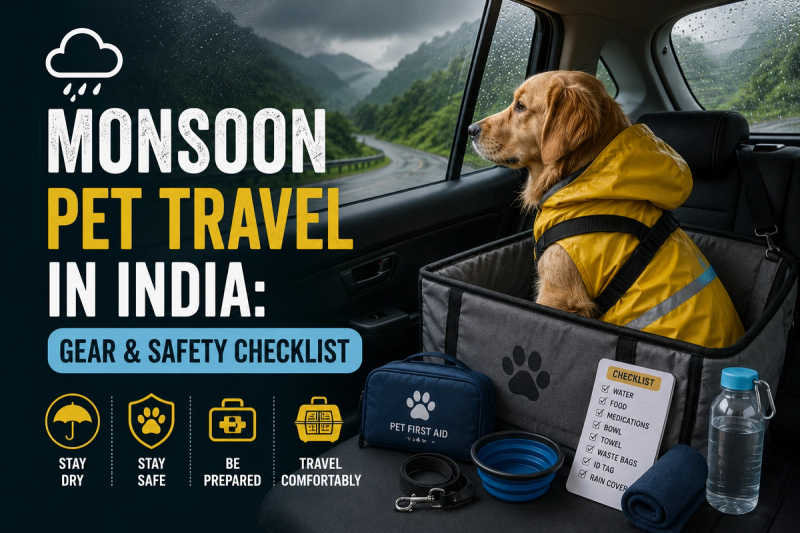
#I have bought many useless pet travel things over the years. Fancy bandanas? Cute, but not critical. A waterproof seat cover? Life saver. A towel that dries fast? Even more important than your own jeans sometimes. Below is my practical gear list, the kind that has survived Goa rain, Pune-Mumbai expressway spray, a Konkan homestay with red mud everywhere, and one very damp Coorg weekend.
| Gear | Why it matters in monsoon | My honest tip |
|---|---|---|
| Waterproof leash and harness | Fabric leashes stay wet and smell bad | Biothane or nylon is easier to wipe clean |
| Pet raincoat | Keeps body dry, reduces chill | Choose belly coverage, not only cute cape style |
| Quick-dry towels | For paws, belly, car seat, everything | Carry 2-3. One towel is never enough |
| Paw balm or wax | Protects from wet roads, mud, rough stones | Apply before walks and after drying paws |
| Tick and flea comb | Monsoon is tick season in many places | Check after every grass walk |
| Portable water bottle | Stops puddle drinking | Offer water often, even in cool weather |
| Collapsible bowls | Food and water on highways or trains | Silicone ones clean easily |
| Waterproof seat cover | Saves car seats from mud and smell | Get hammock style if dog moves around |
| Pet first-aid kit | Minor cuts, vomiting, upset tummy | Ask vet to customise medicines |
| ID tag and GPS tracker if possible | Rain and thunder can spook pets | At least tag with phone number is must |
| Waste bags | Basic civic sense, yaar | Carry extra because rain ruins paper bags |
| Old bedsheet or mat | For hotel rooms and dhabas | Makes pet feel settled too |
Packing Food in the Rains: Don’t Learn This the Hard Way
#Pet food gets spoilt faster in humid weather. I once carried kibble in its original open packet, folded with a rubber band, very confidently. By day two it had that oily stale smell and my dog looked at me like I had betrayed the family. Now I pack dry food in airtight boxes or zip pouches, keep wet food cans unopened till feeding time, and never leave food in the car for hours when it’s hot and damp.
If your pet eats home food, monsoon travel becomes slightly tricky but manageable. Carry boiled rice, curd only if your pet tolerates it, boiled chicken, paneer, eggs, pumpkin puree, or whatever your vet-approved regular meal is. Avoid experimenting with local spicy food. Yes, your dog will stare at your vada pav, fish thali, poha, momos, bhutta, and Maggi with full emotional blackmail. Don’t fall for it every time. Maybe one tiny plain bite, but no masala, onion, garlic, chocolate, grapes, alcohol, bones, or fried leftovers.
On highways, I usually stop at cleaner food courts or dhabas with open seating. Maharashtra expressways have decent options around Lonavala-Khandala side, but pets may not be allowed indoors. Goa and coastal Karnataka have many cafes with outdoor seating where dogs are welcome, but always ask first. In hills, small Maggi points are usually relaxed if your pet is calm and leashed. Still, carry your pet’s own meal. Don’t depend on finding pet food in smaller towns, because you may only get basic pedigree packets, and not your regular brand.
Road Trips With Pets in Monsoon: My Favourite, But Also Most Risky
#Road trips are the easiest way to travel with pets in India, at least for me. You control breaks, carry more luggage, stop when your pet needs to stretch, and avoid explaining to five different people why your dog is not dangerous. But monsoon roads are not forgiving. Hydroplaning, sudden potholes, low visibility, waterlogging, landslides, fallen branches, and random cattle standing in rain like philosophers — sab milega.
If you’re doing a Mumbai-Pune-Lonavala, Bangalore-Coorg, Delhi-Rishikesh, Chennai-Pondicherry, Kochi-Munnar, Pune-Goa, or Hyderabad-Hampi kind of route in monsoon, leave early. Daylight driving is safer. Keep your pet secured with a car harness, crate, or barrier. I know many people let dogs put their head out of the window, and it looks filmy, but in rain, dust, insects, sudden braking… not worth it. Also never leave pets alone in a parked car, even in cloudy weather. Cars heat up fast, and humidity makes it worse.
- Plan pee breaks every 2-3 hours, but avoid flooded patches and garbage corners.
- Keep AC or ventilation steady. Wet dog smell is real, but don’t blast cold air on a damp pet.
- Use a crate or seat belt harness. Loose pets during sudden braking can get badly hurt.
- Avoid night driving in landslide-prone routes like some parts of Himachal, Uttarakhand, Sikkim, Meghalaya, Western Ghats ghat roads.
- Download offline maps. Network disappears exactly when you need it, naturally.
Train Travel With Pets in India During Monsoon
#Indian Railways can be a good option if you plan properly, but it’s not as simple as booking a human ticket and walking in with your dog. As per the usual railway rules, dogs are generally allowed in First AC coupe or cabin, subject to rules, availability and consent conditions, or they may have to travel in the brake van dog box. Pets are not allowed casually in sleeper, 2AC, 3AC, chair car etc. You also need to book the pet at the luggage office and carry vaccination/health documents. Rules and enforcement can vary by station, so check the latest with Indian Railways before travel.
Monsoon adds a few more problems. Stations get crowded, platforms can be slippery, drains overflow, and trains may be delayed. If your dog is nervous with crowds or loud announcements, train travel in rains can become stressful. Choose direct routes if possible. Carry an absorbent mat, towels, poop bags, water, and food in a separate easy-access bag. Don’t assume pantry food will work for your pet. Also, reach early. Pet booking at luggage office is not something to do at the last minute while your train is honking.
Flying With Pets: Possible, But Read Airline Rules Twice
#Flying with pets in India is improving, but it still needs careful planning. Air India and Akasa Air have pet travel options on select routes and conditions, while many airlines only allow service animals or have limited pet policies. Cabin vs cargo rules depend on airline, aircraft, pet weight, crate size, breed restrictions, health certificates and weather conditions. Since airline rules change, always check the official airline page and call customer care before booking. Not after booking, before.
For monsoon, flights can be delayed due to heavy rain, especially in cities like Mumbai, Kochi, Goa, Guwahati, Kolkata and sometimes Bengaluru during bad weather spells. If your pet is flying cargo, ask about handling, temperature, crate requirements and reporting time. Short direct flights are better than connections. Brachycephalic breeds like Pugs, Bulldogs, Persian cats and Shih Tzus need extra caution because breathing issues can worsen with stress and humidity. Personally, I avoid flying with my dog unless absolutely needed. Road is slower, but less stressful for us.
Pet-Friendly Stays in Monsoon: What to Check Before Paying Advance
#Pet-friendly accommodation in India has grown a lot, especially after the work-from-anywhere trend. Goa, Alibaug, Lonavala, Karjat, Panchgani, Coorg, Chikmagalur, Wayanad, Pondicherry, Jaipur outskirts, Rishikesh, Manali side, and even city staycations near Delhi NCR, Mumbai, Pune and Bangalore now have many pet-friendly villas, homestays and resorts. But “pet-friendly” can mean anything from truly welcoming pets to “allowed but please keep outside only,” which is not the same thing.
Typical prices vary a lot. Basic pet-friendly homestays in smaller towns may start around ₹1,500-₹3,500 per night. Comfortable cottages and boutique stays are often ₹4,000-₹8,000. Private villas near popular cities can be ₹8,000-₹25,000+ per night depending on pool, lawn, number of rooms and weekend demand. Some places charge a pet fee, usually ₹500-₹2,000 per pet per stay or per night. In peak long weekends, rates jump like anything. In heavy monsoon, weekdays are cheaper, but check road access because some beautiful stays become mud traps.
Before booking, ask very specific questions. Are pets allowed inside the room? On the bed? In restaurant areas? Is there a fenced lawn? Any resident dogs? Any extra cleaning charge? Are there ticks in the property? Is the approach road okay in rains? Is there a vet nearby? Is power backup available? I sound like a strict aunty when I call hotels now, but it avoids drama later.
Best Monsoon Pet-Friendly Destinations in India, From My List
#Not every rainy destination is good for pets. Some places are gorgeous but too risky due to landslides, leeches, extreme humidity or lack of vet access. For easy trips, I like destinations within 3-6 hours from home, with good roads and pet-friendly stays. If you’re from Mumbai or Pune, Lonavala, Karjat, Alibaug, Panchgani and parts of Konkan are popular. Goa in monsoon is green and relaxed, though some beaches have rough seas and strong currents, so don’t let pets run into water. From Bangalore, Coorg, Chikmagalur, Sakleshpur and Kabini side are lovely, but check rainfall and estate roads. From Delhi NCR, Jaipur farmstays, Rishikesh outskirts, Dehradun side and Mukteshwar can work, but avoid pushing into unstable hill routes during heavy rain alerts.
Kerala is beautiful in the rains, especially Wayanad, Munnar and Varkala, but humidity is high and leech/tick checks are compulsory. Meghalaya is stunning, no argument, but it rains heavily and continuously, so only take pets who are comfortable with wet weather and long drives. Also, some protected areas, national parks, temple complexes and beaches may restrict pets. Always check local rules. Don’t be that traveller arguing at the gate with a Labrador and three bags.
Lesser-Known Monsoon Experiences That Work With Pets
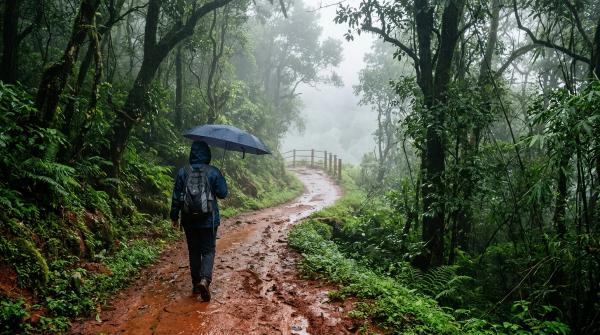
#Everyone talks about waterfalls, but crowded waterfall points are honestly not great with pets. Slippery rocks, drunk crowds sometimes, loud music, plastic waste, and sudden water flow. I prefer quieter experiences. A misty farmstay near Karjat. A spice plantation stay in Coorg where pets can walk on leash. A beach shack in South Goa during early morning when the tide is safe. A private villa near Mulshi where the dog can sniff wet grass for one hour and feel like he owns Maharashtra.
Btw, here’s something cool I found: many pet parents are now choosing slow stays over sightseeing. Like, one cottage, two nights, home-style food, short walks, board games, chai, and pets sleeping near the balcony while rain falls. It sounds boring to some people, but with pets, this is actually perfect. Monsoon is not the season to tick 12 attractions in one day. It’s the season to not rush.
Local food is also part of the fun, obviously. In Maharashtra, rainy trips mean kanda bhaji, misal, vada pav, hot chai, corn pakoda. In Goa, fish thali if you eat seafood, poi bread, cafreal, local bakeries. In Coorg, pandi curry for non-vegetarians, akki roti, filter coffee. In Kerala, appam, stew, puttu, banana chips. Just enjoy your food and keep your pet’s food boring. Boring is safe.
Rain, Thunder and Pet Anxiety
#One thing people underestimate is thunder anxiety. Many pets are okay at home but panic in new places when thunder starts. My dog is mostly brave, except when thunder sounds like someone dropped a steel cupboard from the sky. Then he wants to sit inside my ribcage basically. For such pets, carry their familiar blanket, favourite toy, chew, and if your vet approves, calming supplements or medication. Don’t scold them for being scared. They’re not doing drama.
Choose rooms that are not too exposed. A ground-floor cottage with tin roof may sound romantic, but rain noise can be very loud. Close curtains during lightning, play soft music or white noise, and create a corner with their bed. If your pet is crate-trained, the crate becomes a safe den. If not, don’t introduce a crate suddenly on the trip. That’s just adding one more problem.
The Safety Checklist Before You Step Out Each Day
#Every morning on a monsoon trip, I do a small routine. It takes 10 minutes, and yes sometimes I’m lazy, but it helps. Check paws for cuts or redness. Check ears. Apply tick spray or whatever your vet has recommended. Pack water, towel, waste bags and treats. Look at the sky and road condition. If locals say “aaj mat jao upar,” listen. Indian uncles at tea stalls often have better weather intelligence than apps.
- Check IMD alerts and local road updates before leaving the stay.
- Avoid flooded roads, fast streams, slippery rocks and unknown trails.
- Keep pets leashed outdoors, even if they have good recall. Thunder can change behaviour suddenly.
- Dry paws, belly and ears after every wet walk.
- Do a tick check around ears, neck, armpits, between toes and tail base.
- Don’t let pets drink from puddles, lakes, drains or stagnant water.
- Keep emergency vet numbers saved offline, not just in WhatsApp somewhere.
What to Keep in a Pet First-Aid Kit for Indian Monsoon Trips
#A pet first-aid kit doesn’t need to be fancy, but it should be practical. Mine has gauze, crepe bandage, antiseptic solution recommended by vet, saline, cotton pads, digital thermometer, tick remover, ORS or pet electrolyte if approved, probiotic sachets, prescribed anti-vomiting medicine, any regular medicines, paw balm, muzzle for emergency handling, and copies of medical records. Also keep your vet’s number and a local vet number. In touristy places, good vets may be 30-60 minutes away, sometimes more.
In 2026 and beyond, I think pet travel in India will become even more common, but vet access on highways and in remote stays is still uneven. Big cities are sorted. Smaller towns, not always. So don’t assume you’ll “find something there.” Carry basics, and don’t take sick pets to remote places just because the cottage has a pretty balcony.
Seasonal Timing: When Monsoon Travel Is Best and When to Avoid
#Early monsoon, around June, is fresh and exciting but roads can be unpredictable because the first heavy showers expose potholes and cause initial landslides. July and August are lush but often the heaviest rain months in many regions. September is my personal favourite for pet travel in many places because the landscape is still green, but rain is slightly less aggressive. October works beautifully in some regions as post-monsoon season, with clearer roads and still-green views.
Avoid travelling during red alerts, cyclone warnings, flood news, or when hill authorities are advising against non-essential travel. Also avoid long treks with pets in leech-heavy forest areas unless you really know what you’re doing. Leeches are not usually dangerous, but the bleeding and panic, uff. And check beach warnings. Monsoon sea is powerful. Even strong dogs can get pulled by waves.
Budgeting for a Monsoon Pet Trip in India
#Pet travel costs more than normal travel. Not always double, but definitely more. You may need a bigger room, private cab, pet fee, vet visit, extra cleaning, better gear, and emergency buffer. For a 2-night road trip from a metro city, a realistic budget for two people and one pet can be ₹10,000-₹30,000 depending on distance and stay. Budget homestay trips can be cheaper. Luxury villa weekends can cross ₹50,000 easily, especially near Mumbai, Pune, Bangalore or Delhi NCR.
Transport also matters. Self-drive car is usually most flexible. Pet-friendly cabs exist in cities, but intercity pet taxis can be expensive, sometimes ₹18-₹35 per km or package-based. Trains may be cheaper if First AC works out, but availability is the issue. Flights are fastest but can add crate cost, airline pet charges, health certificates and stress. Basically, choose based on your pet’s temperament, not only your leave balance.
A Few Mistakes I Made So You Don’t Have To
#I once booked a “pet-friendly” stay without asking if the lawn was fenced. It wasn’t. The property opened directly into a village road with bikes zooming past. So relaxing, no? Another time I forgot extra towels and used my own bath towel for muddy paws, then had to dry myself with a T-shirt. I’ve also underestimated ticks in estate stays. One walk through wet grass and later I found three tiny ticks near the collar. Since then, collar comes off during checks.
Also, don’t overpack activities. With pets, the best monsoon plan is flexible. Wake up, see rain, decide. Maybe today is just balcony and chai. Maybe short drive to a viewpoint. Maybe nothing. Pets don’t care if you covered all “top 10 places.” They care if they feel safe, fed, dry and near you. Sounds cheesy, but true.
Final Thoughts: Monsoon Pet Travel Is Worth It, If You Respect the Season
#Monsoon pet travel in India is not effortless. It needs planning, patience, and a high tolerance for wet smells. But it can be really special. The roads are greener, hotels are quieter on weekdays, the air feels softer, and pets seem to enjoy those slow sniffy walks in the rain-washed world. Just don’t treat monsoon like summer travel with an umbrella. It has its own rules.
If you remember only a few things, remember these: vet check first, waterproof gear, tick protection, safe transport, pet-friendly stay verification, and flexible plans. Don’t chase dangerous waterfalls or flooded roads for content. Don’t ignore your pet’s stress. And don’t feel guilty if your trip becomes less sightseeing and more sitting together while rain hits the window. That’s also travel, na. Sometimes the best kind.
Hope this checklist helps you plan a safer, happier rainy-season trip with your furry travel partner. I’ll keep adding more practical pet travel notes from my own India trips, and if you like reading grounded travel guides with real-world tips, casually browse AllBlogs.in too — there’s always something useful there for the next plan.