I used to think hostel breakfast meant two sad slices of white toast, a banana with bruises, and instant coffee that tasted like someone described coffee to hot water from across the room. Which, to be fair, still happens. But after years of bouncing between dorm bunks in Lisbon, Tbilisi, Oaxaca, Hanoi, Kraków, and one deeply chaotic hostel kitchen in Athens where nobody knew who owned the only frying pan, I’ve gotten weirdly passionate about breakfast without a fridge. Like, genuinely passionate. Because when you travel cheap, breakfast is where the whole day either starts beautifully or falls apart by 10:30 when you’re hangry in a museum queue wondering why ancient pottery suddenly makes you furious.
And no-fridge breakfast is a whole thing now. More travelers are doing carry-on only trips, booking capsule hostels, taking overnight trains, working remotely from cheaper cities, and trying not to waste food. In 2026, the travel food vibe is very much about compact, shelf-stable, local-ish, protein-forward, and low-waste. I’ve seen more people packing collapsible bowls, powdered oat milk, nut butter sachets, instant miso, and those fancy coffee steeping bags than I ever saw five years ago. Some hostels have kitchens but no real fridge space. Some have a fridge that smells like abandoned cheese and regret. And some, honestly, have nothing but a kettle and vibes.
The Golden Rule: Breakfast Should Survive Your Backpack
#Here’s my basic rule, learned after one unfortunate yogurt incident in Seville: if it can leak, sweat, ferment, melt into sadness, or make your backpack smell like a small dairy farm, don’t trust it. No-fridge breakfasts need to be shelf-stable until morning, easy to make half-asleep, and preferably not require a knife because hostel knives are either missing, blunt, or being used by a guy named Marco to cut rope for some reason.
The best hostel breakfast kit is simple: oats or muesli, nuts, dried fruit, something spreadable, something crunchy, maybe instant coffee or tea, and a fruit you buy fresh that morning or the night before. Add local bakery stuff when you can. That’s the trick. You don’t have to eat “travel food” all the time. You build a boring-but-reliable base, then decorate it with whatever city you’re in. In Istanbul it might be sesame simit and tahini. In Mexico City, a sweet concha and a little packet of peanut butter. In Bangkok, tiny bananas from a street stall and roasted coconut snacks. In Portugal, okay fine, breakfast is pastel de nata and espresso some days. I won’t pretend I’m better than that.
Overnight Oats Without the Overnight Part
#People always talk about overnight oats like you need a fridge and a glass jar and a calm personality. You don’t. Hostel oats can be made in ten minutes with hot water from a kettle, or even room-temperature water if you’re desperate and patient. I carry quick oats in a zip bag or buy a small packet locally. Then I add whatever I can find: raisins, dates, roasted peanuts, cinnamon, chia seeds, powdered milk, or powdered oat milk. In lots of European supermarkets now, you’ll find single-serve protein oat sachets, and honestly some are good, some taste like cardboard doing CrossFit.
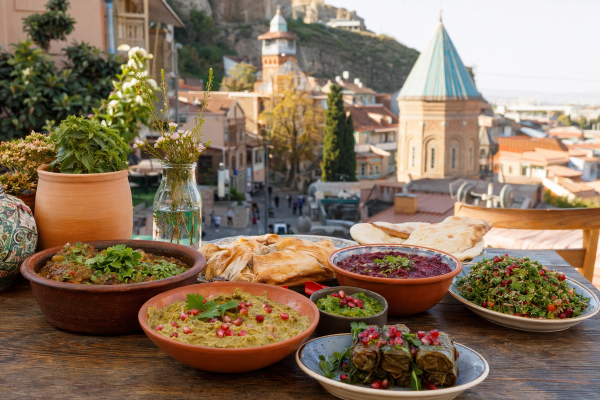
My favorite version was in Tbilisi, Georgia. I had oats, walnuts from a market stall near Dezerter Bazaar, dried apricots, and a spoonful of local honey I bought from an old woman who kept calling me “baby” even though I am very much not baby. I ate it sitting on the hostel balcony while the city was still waking up, with church bells somewhere in the distance and stray dogs doing their morning politics. It was cheap, warm, filling, and it tasted like being exactly where I was. That’s the part I love. Breakfast doesn’t have to be fancy to feel like travel.
- Basic hostel oats: quick oats + hot water + pinch of salt + nuts + dried fruit. Done. Not glamorous, but it works.
- More fun oats: add tahini, honey, cinnamon, chopped dates, and sesame seeds if you’re somewhere with good Middle Eastern groceries.
- Emergency oats: oats + instant coffee + sugar + peanuts. I’ve done it. Was it elegant? Absolutely not. Did it keep me alive until lunch in Berlin? yep.
Bread, Spreads, and the Joy of Local Bakeries
#If you are traveling and not using bakeries as breakfast infrastructure, you are missing one of life’s cheapest pleasures. Bakeries are the traveler’s best friend because bread doesn’t need a fridge, it’s usually affordable, and it tells you a lot about a place. A crusty roll in Vienna, burek in the Balkans, pão in Portugal, bolillo in Mexico, barbari bread in Iran if you’re lucky enough to be there, or fluffy milk bread in Japan. Even plain bread becomes a tiny culinary postcard when you eat it in the city that made it.
For spreads, I rotate between peanut butter, tahini, jam, chocolate-hazelnut spread, honey, and those tiny olive oil packets you can sometimes find in supermarkets. Nut butter sachets are everywhere now in outdoorsy shops and airport wellness stores, though they can be overpriced in a hilarious way. In 2026, I’ve noticed more plant-based protein spreads and seed butters popping up, especially in Western Europe, Australia, and parts of North America. Sunflower seed butter is great if you can find it. Tahini is my favorite because it works sweet or savory and doesn’t make me feel like I ate candy for breakfast, even when I kind of did.
One morning in Lisbon, I bought a warm papo seco roll, a banana, and a little jar of peanut butter from a corner shop. I sat near Miradouro da Senhora do Monte, spreading peanut butter with the handle of a spoon because I had no knife, watching the city go gold. Was it a traditional Portuguese breakfast? Not really. Was it perfect? Actually yes. Later I had a pastel de nata because balance is important and also because I have no self control around custard.
Savory Breakfasts When You’re Sick of Sweet Stuff
#This is where no-fridge breakfasts get interesting, because so many backpacker breakfasts lean sweet. Oats, bananas, jam, granola bars. After a week, your mouth starts begging for salt. Savory shelf-stable breakfasts are underrated and, in my opinion, more satisfying when you’re walking ten miles around a city.
Instant miso soup is one of my favorite travel breakfasts. I know, soup for breakfast sounds odd if you grew up on cereal, but plenty of the world eats savory in the morning and they’re right. A sachet of miso, hot water, maybe instant rice crackers or crispbread on the side, and you feel human. In Japan and Korea, convenience stores make this even easier with seaweed snacks, shelf-stable rice packs, roasted nuts, and instant soups. In 2026, convenience store food tourism is still having its moment, especially in Japan, South Korea, Taiwan, and Thailand. People plan whole snack crawls now, and I get it. A 7-Eleven breakfast in Tokyo can be better than a mediocre café breakfast in a tourist square, don’t argue with me.
- Savory combo I love: crispbread + tahini + za’atar, with instant coffee. Very hostel, very Levant-ish, very good.
- Another one: rice cakes + shelf-stable tuna pouch, if you’re okay being that person in the dorm kitchen. Eat near a window, please.
- Best salty lazy breakfast: instant soup + crackers + fruit. It sounds like illness food but it’s weirdly comforting.
Fruit That Doesn’t Betray You
#Fruit is tricky without a fridge, but not impossible. Bananas are the obvious backpacker fruit, though they have a dramatic personality and bruise if you look at them wrong. Apples are sturdy. Oranges travel well. Dates are basically travel candy with fiber. Figs, if dried, are excellent. Fresh berries? Don’t do it unless you’re eating them immediately. Mangoes? Beautiful but messy, and if you’ve ever tried to cut a mango with a hostel butter knife while three strangers wait for the sink, you know the pain.
I buy fruit from markets whenever I can because markets are my favorite breakfast scouting grounds. In Oaxaca, I’d grab bananas and little bags of toasted amaranth near Mercado Benito Juárez, then eat them with yogurt if I had a same-morning plan or with peanut butter if I didn’t. In Hanoi, I once bought dragon fruit from a woman who laughed at my pronunciation and then gave me the better one from behind the pile. In Barcelona, I learned the hard way that buying too many peaches in summer is not thrifty, it’s a race against time and fruit flies.
My Tiny No-Fridge Breakfast Pantry
#I don’t carry all of this at once because I’m not trying to open a breakfast shop from my backpack, but these are the things I rotate through. The goal is to have two or three reliable items, then buy fresh local additions as you go. Also, please don’t be the person who takes over the entire hostel counter with twelve jars at 8 a.m. while everyone else is trying to make coffee. We’ve all met that person.
| Item | Why it works | Best travel use |
|---|---|---|
| Quick oats | Cheap, filling, easy with hot water | Cold mornings, train days, hiking days |
| Nut butter or tahini | Protein and fat, no fridge needed before opening for short trips | Bread, fruit, oats, crackers |
| Dried fruit | Lightweight and sweet without being too messy | Oats, trail mix, emergency snacks |
| Roasted nuts or seeds | Crunchy, filling, survives heat better than chocolate | Oats, bread, market fruit |
| Instant coffee or coffee bags | Hostel coffee is risky business | Early buses and kitchen-free stays |
| Crispbread or rice cakes | Doesn’t squash as badly as soft bread | Savory breakfasts, tuna pouches, spreads |
| Instant miso or soup sachets | Savory, warm, comforting | Cold hostels, rainy mornings |
| Electrolyte tablets | Not breakfast exactly, but travel mornings need help | Hot climates, after night trains, after too much wine |
Breakfast by Destination: Little Ideas I’ve Actually Used
#In Istanbul, my no-fridge breakfast fantasy is simit, tahini, honey, and strong tea. You can buy simit from street carts, and it has that sesame crunch that makes everything feel intentional. If you’re near a market, get olives only if you’ll eat them right away or have a proper sealed container, because olive juice in your bag is a tragedy. In Greece, bakery spanakopita or koulouri makes an easy breakfast, and I’ve carried little honey packets for yogurt-free sweetness. In Morocco, msemen from a morning stall with honey is one of those breakfasts that makes you forget you ever liked cereal.
In Mexico, pan dulce is everywhere, but I like pairing it with peanuts or a protein bar because otherwise I crash fast. In Oaxaca and Mexico City, breakfast culture is huge, and if you can go out for chilaquiles, do it. But on bus days, a concha with peanut butter and a banana works. In Vietnam, I’m not going to pretend my hostel breakfast beat a bowl of pho on a plastic stool at sunrise. It didn’t. But if I had a 6 a.m. tour pickup, I’d keep sesame crackers, instant coffee, and fruit ready. The real breakfast came later, obviously.
In Spain, especially Madrid or Barcelona, I’ve done the simple thing: bread, olive oil, tomato if I can eat it immediately, and salt packets stolen from yesterday’s café. Okay, not stolen-stolen, more like adopted. In Portugal, supermarkets sell little shelf-stable milk cartons, which are useful for cereal if you buy a small box and finish it quickly. In the Balkans, burek is the answer to most breakfast problems, though it is oily enough to make the paper bag transparent. This is not a complaint.
The 2026 Travel Food Trends That Actually Help Backpackers
#Some food trends are just rich people putting flowers on toast, but a few recent travel food trends genuinely help budget travelers. First, low-waste and refill culture is growing. More hostels and co-living spaces now have filtered water stations, communal spice shelves, and “free food” baskets where departing travelers leave unopened pasta, oats, tea, salt, and sometimes extremely mysterious sauces. Check the date and use common sense, but those shelves can save you money.
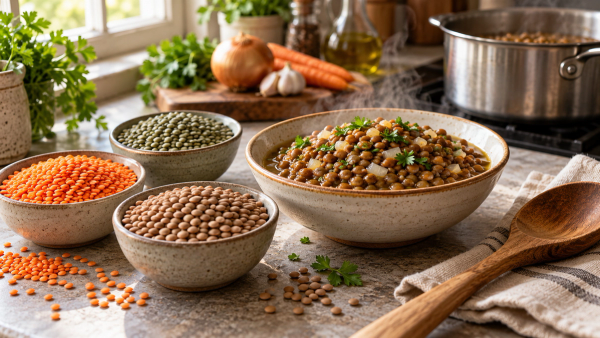
Second, shelf-stable plant-based options are much better than they used to be. Powdered oat milk, pea protein sachets, vegan jerky, seed bars, and instant lentil soups are easier to find in big cities. Third, convenience-store food has become a legit part of food travel, not just desperation. Travelers are swapping recommendations for the best onigiri, yogurt drinks, packaged pastries, spicy noodles, and canned coffee like they used to swap restaurant tips. And fourth, culinary travelers are caring more about local breakfast traditions. I love that. Dinner gets all the glory, but breakfast shows you how a city really wakes up.
A Quick Food Safety Reality Check, Sorry but It Matters
#I’m not your mum, but I have poisoned myself enough times to be annoying about this. No-fridge means you need to be careful with dairy, cooked rice, eggs, cut fruit, meats, and anything creamy. If you buy yogurt, eat it right away. If you open a tuna pouch, finish it. If you buy cheese and it’s hot outside, don’t carry it around all morning and then act surprised when your stomach files a complaint. Some hard cheeses are more forgiving than soft cheeses, but still, heat is heat.
Also, hostel kitchens can be gross. Wash your spoon. Don’t leave open jars around. Label your food unless you enjoy emotional damage. Use sealed bags or containers because ants are tiny criminals and they will find your granola. I once woke up in a hostel in Chiang Mai to discover ants had formed a full highway into my bag because of one forgotten coconut candy. It was impressive, honestly. Horrible, but impressive.
My Favorite No-Fridge Breakfast Combos
#- Oats with dates, walnuts, cinnamon, and tahini. This is my “I’m going to walk 25,000 steps today” breakfast.
- Fresh bakery roll with peanut butter and banana. Basic backpacker classic, still undefeated when the bread is good.
- Instant miso soup with rice crackers and an orange. Good for rainy mornings and train stations.
- Crispbread with tahini, za’atar, and honey. Sweet-salty, crunchy, no cooking, tastes fancier than it is.
- Granola with shelf-stable milk, eaten immediately from a mug because all bowls are missing. Happens more than you’d think.
- Local pastry plus nuts and fruit. Not nutritionally perfect, but travel isn’t a spreadsheet.
The Hostel Breakfasts I Still Think About
#The best no-fridge hostel breakfasts weren’t always the most delicious in a restaurant sense. They were the ones tied to a place. In Kraków, I ate poppy seed pastry with instant coffee before walking through the old town in freezing air, and it tasted like survival and sugar. In Sarajevo, I bought bread early and ate it with ajvar from a small jar, sitting on the hostel steps while the call to prayer moved through the hills. In Seoul, I had convenience store kimbap for breakfast one morning, which technically needed proper handling and I ate it immediately, don’t worry, and then followed it with canned coffee that was too sweet but somehow perfect.
Food travel isn’t just restaurant reservations and famous dishes. It’s also the half-asleep breakfasts, the market bananas, the bread eaten on buses, the coffee you make badly because the kettle has one setting, which is “angry volcano.” It’s the German cyclist in your dorm who offers you sunflower seeds, the Brazilian girl who teaches you to put condensed milk on bread, the Australian guy who puts hot sauce on oats and says it’s “not bad actually,” which is a lie but I respected the confidence.
A good hostel breakfast doesn’t need a fridge. It needs a little planning, one decent spoon, and the willingness to turn whatever city you’re in into part of the meal.
What I’d Pack for a One-Week Hostel Trip
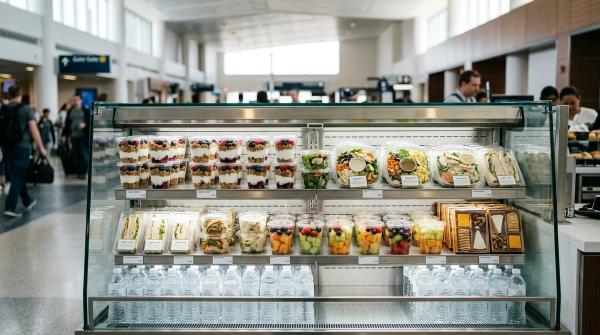
#If I were packing tomorrow for a week of hostels with uncertain kitchen situations, I’d bring a collapsible bowl, a spork, a tiny salt container, zip bags, instant coffee, oats for two mornings, nut butter sachets, and maybe instant miso. That’s it. I’d buy the rest locally: bread, fruit, nuts, pastries, honey, whatever looks good. I try not to overpack food anymore because half the joy is shopping where you land. Supermarkets are cultural museums with fluorescent lighting. Markets are even better. You learn what people snack on, what flavors dominate, what fruit is in season, which bakery has a line, which old ladies are judging your tomato choices.
And honestly, some mornings you should skip the hostel breakfast plan completely and go eat the local thing. Have pho in Hanoi. Have menemen in Turkey if you find a good breakfast spot. Have tostadas in Mexico, kaya toast in Singapore, shakshuka where it’s done properly, or a croissant in Paris that makes you temporarily forgive Paris for being expensive. The no-fridge kit is not meant to replace food travel. It’s there for the awkward mornings: bus departures, early hikes, closed cafés, remote hostels, and days when your budget is wheezing.
Final Crumbs
#No-fridge hostel breakfasts are not about deprivation. They’re about being clever, a bit scrappy, and open to eating in a way that fits the road. Some of my favorite travel mornings started with oats from a mug or bread from a paper bag, eaten on a balcony, a train platform, a hostel stairwell, or a beach wall while the city stretched awake. Keep it safe, keep it simple, add something local, and don’t underestimate the emotional power of good bread. If you’re hungry for more casual food-and-travel rambling like this, I’d have a browse through AllBlogs.in sometime, preferably with coffee and a snack nearby.