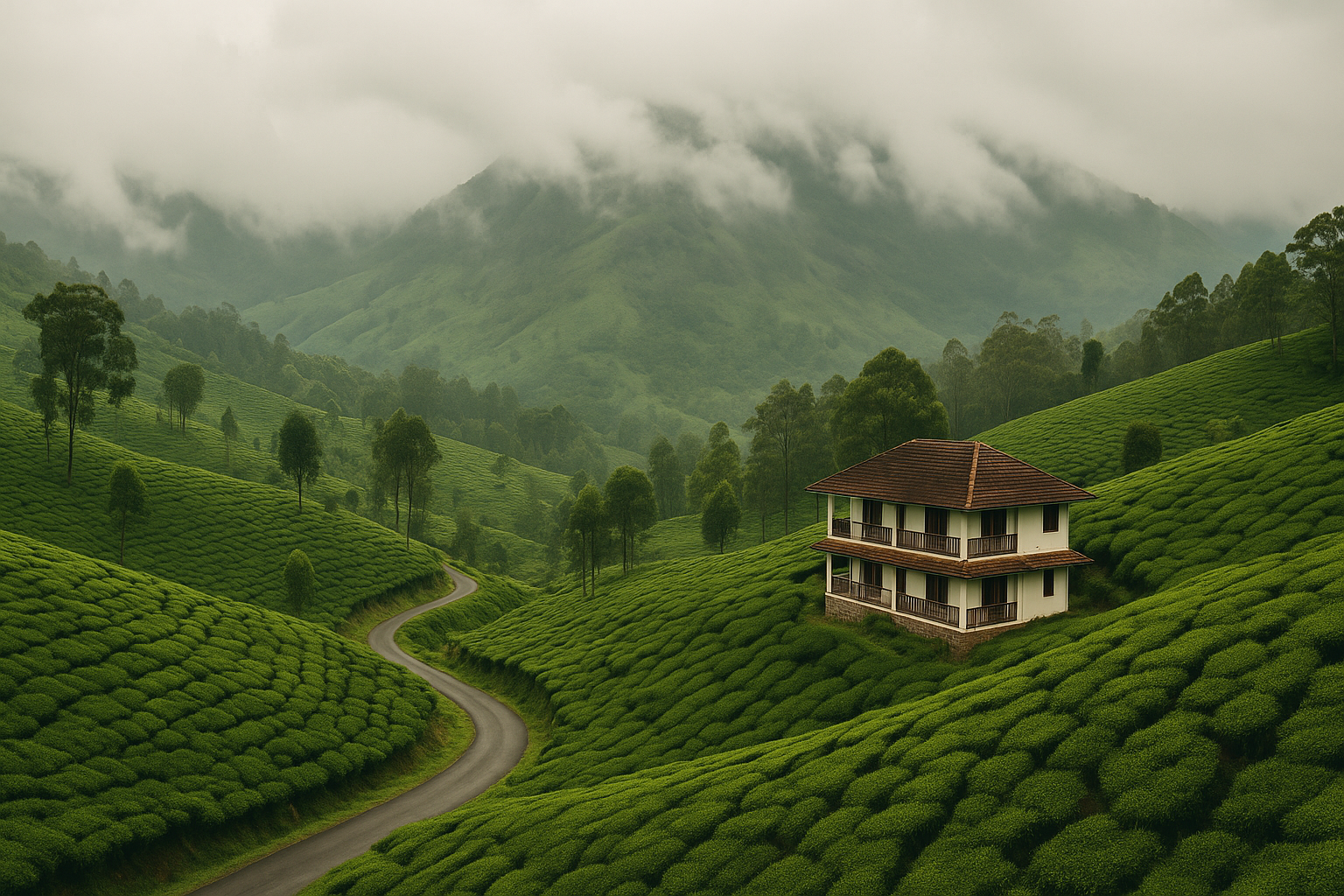
If you’re stuck choosing between Munnar and Vagamon in monsoon, honestly... same. I’ve done both during the rainy season, and both of them hit very differently. One feels dramatic, famous, cinematic almost. The other feels softer, slower, less crowded, like Kerala whispering instead of showing off. And if you only have 2 days, this choice matters more than people say. Because in monsoon, travel time gets longer, viewpoints disappear into fog without warning, and your whole trip can either become magical or mildly annoying depending on what kind of hill-station person you are.
For me, this wasn’t just a random comparison I pulled from Instagram reels. I’ve done a wet, chai-filled weekend in Munnar where the clouds literally rolled across the road in front of us, and I’ve also done Vagamon in that drizzly weather where pine trees, meadows, and tea stalls made the whole place feel weirdly peaceful. Both are in Kerala, both are gorgeous in the rains, and both work for a short escape from Kochi, Kottayam, or even a longer South India road trip. But no, they are not the same trip. Not even close.
The short answer first, because I know some people just want the verdict
#Go to Munnar in monsoon if you want iconic scenery, endless tea plantations, more hotel choices, a busier vibe, and that classic Kerala hill-station experience. Go to Vagamon if you want a quieter 2-day break, easier movement between spots, lower crowd stress, soft rolling landscapes, and a more relaxed budget-friendly feel. That’s the simple version. But yeah, the real answer depends on weather tolerance, road patience, and what kind of weekend you’re after.
Munnar feels like a proper hill destination with drama. Vagamon feels like a rainy exhale.
What monsoon in these places actually feels like, not just how the brochures describe it
#Kerala monsoon is beautiful, yes, but let’s not romanticise it too much. It can be stunning and inconvenient at the same time. Roads get slippery. Visibility drops. Leeches show up in some green trail areas. Outdoor plans change fast. Sometimes your “viewpoint” is just white fog and your friend pretending to enjoy it for photos. Still, this is also when the hills look their absolute best. The greens are greener, waterfalls look alive, the air is cold in a nice way, and everything smells fresh, almost peppery and earthy at once.
Munnar usually gets heavier tourist traffic even in monsoon, especially on weekends and long holidays. The roads from Kochi side can get slow because everyone and their cousin decides to drive up. Vagamon, on the other hand, still gets visitors but rarely feels as hectic. In heavy rains, both destinations can see temporary route delays or local restrictions near landslide-prone stretches, so checking Kerala tourism advisories, district updates, and your hotel’s local road condition updates before leaving is honestly not optional now. It’s one of those practical things people ignore until they’re stuck behind ten vehicles and one confused tempo traveller.
How I’d compare Munnar and Vagamon for a 2-day trip, point by point
#If your trip is only 2 days, time matters more than bucket-list bragging rights. Munnar is bigger in terms of tourist spread. The main attractions are more scattered out, and if weather gets messy, your day can shrink fast. You’ll spend a fair amount of time in the car. Places like Top Station, Eravikulam National Park side, Mattupetty, Echo Point, tea museum areas, and photo stops can all take time to connect depending on where you stay. Munnar rewards early starts, patience, and a small acceptance that you may not “cover” everything.
Vagamon is easier on the nerves. Pine Forest, Vagamon Meadows, viewpoints, tea slopes, little café stops, and nearby rolling hills are more manageable in a shorter itinerary. It doesn’t have Munnar’s star power, sure, but it works really well when your main goal is to breathe, eat hot food, take long rain-watching breaks, and not spend your weekend honking on mountain roads. That was the big difference I felt. In Munnar I was excited. In Vagamon I was calm. Both good, just not same-good.
- Best for first-time Kerala hill trip: Munnar
- Best for a peaceful monsoon weekend: Vagamon
- Best for tea-estate scenery and classic viewpoints: Munnar
- Best for less crowd, more chill, easier 2-day pacing: Vagamon
- Better if you hate overplanning: Vagamon, easily
Getting there in monsoon, and why that changes the whole trip
#Most people coming from Kochi, Ernakulam, Kottayam, or nearby towns will find Munnar and Vagamon both doable by road. From Kochi to Munnar, it usually takes around 4 to 5.5 hours depending on rain, traffic, and snack breaks that become suspiciously frequent after Adimali. Vagamon from Kochi can also take roughly 4 to 5 hours, sometimes a bit less or more depending on your route. From Kottayam side, Vagamon is usually more convenient and makes a lot of sense for a short trip. That’s one major reason why so many Kerala travellers quietly prefer it for quick escapes.
Self-drive cars, rented bikes, cabs, and KSRTC or private buses are all possible, but monsoon changes the recommendation. If you’re not confident on wet hill roads, don’t do the bike fantasy thing just because it looks nice on YouTube. A car with good tyres and a careful driver is better. Shared cabs and local taxis are available at both places, though Munnar has a more developed tourist transport scene. In recent travel seasons, many stays also help arrange local sightseeing jeeps, which is useful when visibility is low and you don’t want parking stress.
Munnar in monsoon: what I loved, what honestly tested my patience
#Munnar in the rains is ridiculously pretty. Like, almost unfair. Tea gardens look freshly washed, low clouds drift over the hills, and every turn seems designed for cinema. The first time I reached there in monsoon, I had that stupid grin on my face the whole way because it really does feel like entering a green world. Hot chai from a roadside shop tastes better there, I don’t care what anyone says. Even simple things, like standing under a tin roof listening to rain hit the tea estate below, become part of the trip.
But Munnar also asks for effort. Traffic bottlenecks happen. Popular points get crowded if the rain pauses. If you dream of clear panoramic views, monsoon may humble you. Eravikulam National Park can have controlled access timings or weather-based disruptions, and some viewpoints become more about feeling the fog than seeing the valley. Which is nice, but also, you know... not ideal if you came mainly for those huge open views from photos. Accommodation ranges from simple homestays around ₹1,500 to ₹3,000 to mid-range hotels around ₹3,500 to ₹7,000, and premium resorts can go way beyond that, especially on weekends. Monsoon deals exist though, so this is actually a smart season if you book carefully.
Vagamon in monsoon: low-key, underrated, and kind of addictive
#Vagamon surprised me more. I expected it to be nice. I didn’t expect it to stay with me after the trip. The rain sits differently there. The landscape is more open in parts, with grassy slopes, meadows, pine stretches, and viewpoints that feel less commercial. Even the silence feels louder. We spent one evening just parked near a misty slope with tea in paper cups, no big attraction, no agenda, and it ended up being my favourite memory. That’s Vagamon for you. It sneaks up on you.
For 2 days, it’s honestly super practical. You can check into a cottage or homestay, visit Vagamon Meadows, Pine Forest, Kurisumala viewpoints from a distance if weather allows, maybe a tea garden stretch, and still have time to do absolutely nothing. Adventure activities like paragliding are usually weather dependent and often not reliable in peak rainy spells, so don’t build your whole plan around that. Stay options are improving a lot here too. Budget rooms may start around ₹1,200 to ₹2,500, decent mid-range stays often fall between ₹3,000 and ₹6,000, and premium private-view villas can go much higher. Compared to Munnar, I found Vagamon stays slightly better for peace and space, though Munnar has more total options.
Food scene, because no Kerala hill trip is complete without eating too much
#Munnar definitely has more cafés, tourist restaurants, bakeries, and multicuisine options. You’ll find Kerala meals, porotta and beef in some places, appam-stew combos, fried snacks, chocolate shops, tea tastings, and those small local bakeries selling hot puffs when it’s raining outside. There are a few newer cafés now doing good coffee and viewpoint dining too, which younger travellers seem to love. It’s a little more polished, little more tourist-facing.
Vagamon’s food scene is simpler, more local, less flashy. And somehow that worked for me. Small restaurants, homestay food, hot kappa-meen curry style meals in nearby areas, puttu, egg roast, chaya-kadi, and proper filling Kerala breakfasts. Don’t expect endless café hopping. Do expect comfort food. Also, tiny tip, if your stay offers home-cooked dinner, take it. Monsoon plus hot rice, curry, thoran, and maybe a fish fry if you eat non-veg... unbeatable. Proper soul reset stuff.
Safety, road conditions, and the boring but important stuff you really should know
#Monsoon travel in Kerala is amazing, but yeah, be sensible. Both Munnar and Vagamon can experience heavy rain spells, foggy driving conditions, falling branches, and on bad weather days, occasional landslide-related disruption on certain approach roads. This doesn’t mean don’t go. It means don’t travel blindly. Start in daylight. Avoid late-night hill driving in peak rain. Keep fuel topped up before climbing. Download offline maps because some stretches still get patchy signal. Carry cash, not a lot, but enough in case UPI gets moody in remote areas.
Shoes matter more than outfits. Wear proper sandals with grip or trekking shoes you don’t mind getting muddy. Pack one rain jacket, one backup T-shirt, and don’t trust umbrellas too much in windy stretches. Leech socks can actually help if you’re walking into grassy or forest-side areas after strong rain. Families with kids and older parents usually find Vagamon slightly easier and less exhausting for a short monsoon break. Couples and friend groups who want the big-hills energy may still prefer Munnar. Neither is unsafe if you use common sense, but monsoon is not the time for overconfidence. That’s where people mess up.
Best months to go, and when I personally think each place looks its best
#For full monsoon mood, June to September is the main window. July is lush but can be intense. August is gorgeous when rains and breaks balance out. Early September can be especially lovely with cleaner skies between showers. If you want the green scenery without nonstop rain stress, late September into October is kind of a sweet spot, though technically that starts blending into post-monsoon travel. Munnar looks spectacular throughout monsoon, but if you want a better chance of partial views plus greenery, I’d lean August-end or September. Vagamon is more forgiving visually because even when the views are foggy, the meadows and pine areas still feel dreamy.
Weekend crowd is real in both places, especially with short-break travellers from Kerala and Tamil Nadu. So if possible, do a weekday departure. Rates dip, roads are calmer, and you get more of that rain-hill silence you actually came for. This has become even more noticeable lately because quick road-trip culture has exploded, reels have made hidden spots less hidden, and everyone wants those cloudy tea-estate photos now.
My ideal 2-day plan for Munnar, and another one for Vagamon
#If you choose Munnar, Day 1 should be mostly arrival plus nearby sightseeing only. Stop at waterfalls if they’re safely accessible, check in, have lunch, then do Mattupetty side or a relaxed tea-garden circuit depending on rain. Evening should be for chai, local snacks, maybe a short market walk, and early sleep. Day 2, start early and pick just 2 to 3 major stops max. Don’t try to do everything. That’s where people ruin the vibe. One national park or viewpoint cluster, one tea or scenic stop, one slow meal. Done. Nice trip.
If you choose Vagamon, Day 1 can actually feel like a holiday instead of a race. Reach by noon if possible, check in, then do meadows and a couple of viewpoints. Sit somewhere. No really, sit. Watch the mist move. Day 2 can include Pine Forest, tea garden stretches, local food, maybe a small walk if weather allows. If you’re travelling with friends, Vagamon is great for bonfire-style stays too, though in monsoon actual bonfires depend on the property and weather, so don’t assume. Some stays now offer indoor game areas and valley-view common spaces, which is smart because rain can trap you indoors for hours.
So... Munnar or Vagamon? My honest pick after doing both in the rains
#If this is your first monsoon hill escape in Kerala and you want that wow feeling, choose Munnar. It has scale, beauty, those famous landscapes, and enough tourism infrastructure to make the trip easy-ish even when weather goes sideways. If your goal is to say, yes, I did a proper Kerala hill station, Munnar wins. I still love it. I’ll probably keep going back. Even the overhyped parts have a charm when the clouds settle low and the tea gardens shine.
But if you asked me what I’d pick for a simple 2-day monsoon reset right now... I might quietly choose Vagamon. Little less pressure, little less traffic, more breathing space. It’s not trying so hard to impress you, and that’s exactly why it does. For couples, writers, burned-out office folks, and anyone who wants to hear rain more than tourist engines, Vagamon is such a good call. Maybe not the famous answer, but a very satisfying one.
Choose Munnar for the postcard. Choose Vagamon for the pause.
A few last tips before you book anything
#Book a stay with flexible cancellation in monsoon. Seriously. Check whether your room has valley view only in name, because some places write “view” and then give you one wet wall and a disappointed balcony. Call the property once before travel and ask about current road access, parking, hot water timings, and whether food is available in-house during heavy rain. In hill stations, these small details become big details very fast. Also, leave some room in the schedule. Monsoon trips are not for control freak mode. The weather decides things, and honestly that’s half the charm.
So yeah, Munnar vs Vagamon in monsoon is not about which place is better in some absolute way. It’s about what kind of 2-day Kerala escape you need right now. Big views and classic tea-country beauty, or quiet hills and mental peace. Either way, go with good shoes, low expectations for perfect weather, and a high appetite for chai and hot snacks. That combo never fails. And if you like this kind of practical-but-personal travel writing, you’ll probably enjoy browsing more stories on AllBlogs.in too.