I’ll be honest, Mizoram wasn’t one of those places I grew up dreaming about in the obvious, checklist-travel way. It kind of crept up on me. One random late-night rabbit hole about smoked pork, hill markets, and bamboo shoot later, I was fully obsessed. And after actually going, yeah... I get why more food-minded travelers are quietly putting it on their 2026 India list. Not in a loud, overhyped way. More like, if you care about regional food that still feels rooted, seasonal, and not overly packaged for tourists, Mizoram hits different.
This is not a glossy luxury-guide type thing. It’s more like what I wish a hungry friend had texted me before I went. What to eat first, where to stay without making your trip annoying, what the permit scene is like, and the little food details that really matter when you're in Aizawl and suddenly staring at a menu thinking, wait, what exactly is bai again?
First things first: why go to Mizoram for food?
#Because the food feels honest. That sounds cheesy, I know, but I mean it. Mizo food isn’t trying to punch you in the face with heavy spice or butter or fancy plating. It’s gentler than that. Clean flavors. Steamed greens. smoked meats. Fermented notes. Rice at the center of everything. A lot of dishes are built around what grows locally and what actually makes sense in a hilly place with strong community food traditions. I found meals here weirdly comforting, even when I couldn’t name half the stuff on the plate.
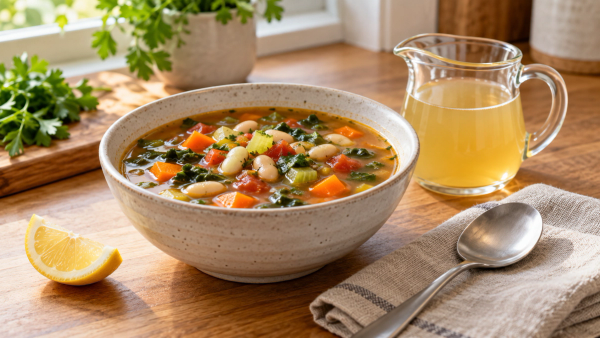
- Bai is the dish you’ll hear about the most, and for good reason. It’s usually a light, nourishing stew with vegetables, sometimes pork, sometimes fermented ingredients, and it tastes way better than the simple description makes it sound.
- Smoked pork is a big deal. If you eat meat, don’t leave without trying local pork preparations with bamboo shoot or mustard greens. I’m still thinking about one smoky, salty plate I had in Aizawl that basically ruined bland pork for me forever.
- Sawhchiar, a rice-and-meat preparation, is one of those humble dishes that sneaks up on you. It looks almost too plain, then suddenly it’s the thing you crave on a rainy evening.
- Chhangban and local tea breaks are underrated. Not every memorable food experience has to be a giant meal.
Also, and this matters in 2026, there’s a growing travel trend toward what people call low-noise destinations and slow culinary travel. Less bucket-list panic, more meaningful eating. Mizoram fits that beautifully. You’re not rushing from influencer café to influencer café every 20 minutes. You actually sit. You taste. You ask questions. Honestly, that alone felt luxurious.
Getting in: permits, paperwork, and the part everybody overcomplicates
#Okay so, permits. This is the bit that makes some people give up before they even go, which is kinda a shame because it’s not impossible, just a thing to sort out properly. For Indian travelers, Mizoram generally requires an Inner Line Permit, often called ILP. The process and issuing points can change, so do not rely on some dusty blog from ages ago. Check the latest Mizoram government or tourism guidance before travel, because rules, fees, validity, and whether you can apply online or at liaison offices do shift.
When I planned my trip, my basic rule was simple: verify from official sources, then carry both print and digital copies because network can be patchy and “I have it on my phone” is not always the winning argument you think it is. Foreign nationals have had different entry and registration requirements over time, so again, please double-check the current framework before booking non-refundable stays. I know that sounds boring, but boring admin saves trips.
- Apply early if you can. Last-minute travel works for some places, not always for permit-based ones.
- Keep ID copies, passport photos if asked, and hotel details ready.
- If you’re entering by road from Assam, ask in advance what checkpoint process looks like right now, not what it looked like two years back.
My own permit-check moment was pretty uneventful, which is exactly what you want. A few documents, a few minutes, done. The stress mostly existed in my head before I arrived. Typical me, honestly.
Aizawl: where to base yourself if food is the priority
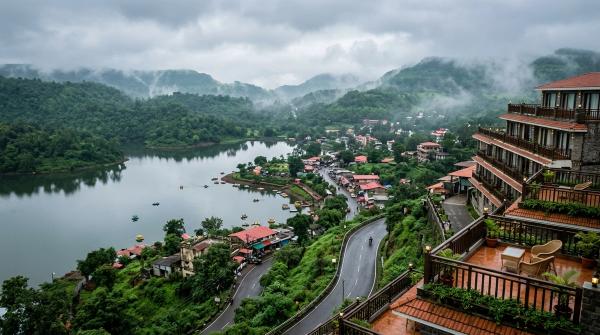
#Most first-time visitors should stay in Aizawl. It’s not just the capital, it’s your easiest base for eating around, finding transport, sorting practical stuff, and getting a feel for everyday Mizo life. The city is all steep roads, layered houses, church spires, and views that make you stop mid-sentence. I spent a stupid amount of time just looking out over the hills with a cup of tea and no real plan. Very healing, very main-character, lol.
Where to stay depends on your tolerance for hills and your idea of convenience. I’d suggest staying somewhere fairly central or at least somewhere with easy taxi access, because hauling yourself up endless slopes after a heavy pork lunch is... character building. There are mid-range hotels, guesthouses, and homestays that work well. If food is your focus, I honestly think a good homestay or a modest, well-run local hotel beats a sterile business property. Hosts often know where the good food actually is, which market is best that morning, and which places are closed on Sundays.
My best meal tip in Mizoram didn’t come from a map app. It came from a host who looked at me for two seconds and said, no no, don’t eat there, I’ll tell you where to go.
What I actually ate, and what you should hunt down
#The first meal that really got me was deceptively simple. Rice, a bai-like vegetable preparation, smoked pork, a chili chutney situation that nearly reset my soul, and some boiled greens. Nothing on the plate looked dramatic. Then I started eating and sort of went quiet. That happens to me when food is really, really good. It was balanced in a way I’m not used to in more mainstream Indian travel circuits. Less oil, less clutter, more ingredient taste. You notice the smoke. The freshness. The slight funk from fermented bits. The warmth rather than heaviness.
You should absolutely try smoked pork with bamboo shoot if you eat meat. The bamboo shoot gives this tangy, earthy edge that can be a little sharp if you’re new to it, but when it works, wow. Also look for vawksa rep, local pork preparations, simple chicken stews, local leafy greens, and chutneys made with king chili or local herbs. If someone offers you a home-style thali, say yes. Actually say yes twice.
A small reality check about restaurants
#Mizoram’s best food moments are not always in shiny “must-visit” restaurants with photogenic signs. Some are in canteens, some in small local joints, some through homestays, and some at markets if you go with patience and basic manners. Business hours can be different from what you’re used to. Sundays especially can be quiet due to church and local rhythms of life, so plan your major eating around that. I made the rookie mistake of assuming I’d just wander out and find options on a Sunday evening. Reader, I was humbled.
Markets, tea breaks, and the food experiences that stay with you
#If you only do sit-down meals, you’ll miss half the point. The local markets are where Mizoram starts making sense through food. I loved wandering through stalls with fresh greens I couldn’t identify, smoked fish, local herbs, bamboo shoot, bananas, sticky rice snacks, and all sorts of everyday ingredients that never show up in generic travel writing. Vendors were busy but not unfriendly. If you’re respectful and not shoving a camera in everybodys face, people are usually decent.
I remember one rainy morning in Aizawl, shoes slightly wet, hair fully defeated by mist, eating a hot snack and tea near a market stretch while traffic did its uphill-downhill thing. Nothing “epic” happened. But that hour is one of my favorite memories from the trip. Maybe that’s the real draw of food travel in Mizoram. It doesn’t scream for attention. It sort of settles into you.
Day trips and eating beyond the city
#If you have time, don’t just stay put in Aizawl. The drives around Mizoram are beautiful, though also slow, bendy, and occasionally enough to test your motion-sickness meds. Places like Reiek are popular for shorter escapes from Aizawl, and they make sense if you want mountain air, village context, and a chance to experience food in a more relaxed setting. Some travelers also head toward Hmuifang or longer routes depending on schedule and road conditions. The thing is, in Mizoram, travel time and food time blur into each other. A roadside stop for tea and boiled corn can matter as much as your “destination.”
One thing I noticed in newer 2026 travel patterns is that more domestic travelers are actively choosing community-linked stays, smaller group travel, and regional cuisine over generic multicuisine menus. Good. As they should. Mizoram rewards that mindset. If you come expecting paneer butter masala every night, you’re doing the place a disservice, and also yourself tbh.
Practical stay tips so your trip doesn’t go sideways
#- Book refundable rooms if your permit or transport timing is still uncertain. Hill travel has a way of laughing at rigid itineraries.
- Ask your stay if they can arrange airport pickup or a trusted taxi, especially if you’re arriving late.
- Choose lodging with meal options if you’re arriving on a Sunday or holiday.
- Don’t obsess over luxury. Clean room, hot water, helpful staff, decent location, done. That’s the winning combo here.
- If you’re a serious food traveler, message ahead and ask whether they can serve local breakfast or dinner. Sometimes the best thing on your trip isn’t on any menu.
A few things people don’t tell you enough
#One, Mizoram is generally cleaner and more orderly than a lot of Indian travelers expect, so act accordingly and don’t be That Tourist. Two, local culture is deeply shaped by community and church life, and you should travel with basic respect. Three, food here can look mild and still have hidden heat. I learnt this the fun way. Four, not every place is built around tourism, which is exactly why it feels special. But it also means you need patience, flexibility, and less entitled energy.
And yeah, cash is still useful. Digital payments exist in many places, sure, but I would not travel in hill areas assuming every tiny food stop wants your QR code drama. Carry change. Keep your phone charged. Download offline maps. The boring stuff matters.
So... is Mizoram worth it for food people?
#Absolutely, yes. But maybe not if your definition of food travel is a nonstop hunt for trendy plating and reservation-only tasting menus. Mizoram is for the traveler who gets excited about smoked aromas drifting out of a small kitchen, about asking what leaf that is in the stew, about discovering that simple rice and pork can be more memorable than some expensive over-designed meal in a metro. It’s subtle, and because it’s subtle, it lingers.
I left with a notebook full of dish names spelled half-wrong, a suitcase smelling faintly of tea and market purchases, and one major regret that I didn’t stay longer. That’s usually how I know a place got under my skin. If you go, go hungry, go curious, and don’t overplan every bite. Mizoram kinda reveals itself slowly like that. And if you’re into more rambling food-and-travel stories, you know, the ones with a bit of mess and obsession in them, have a look at AllBlogs.in.