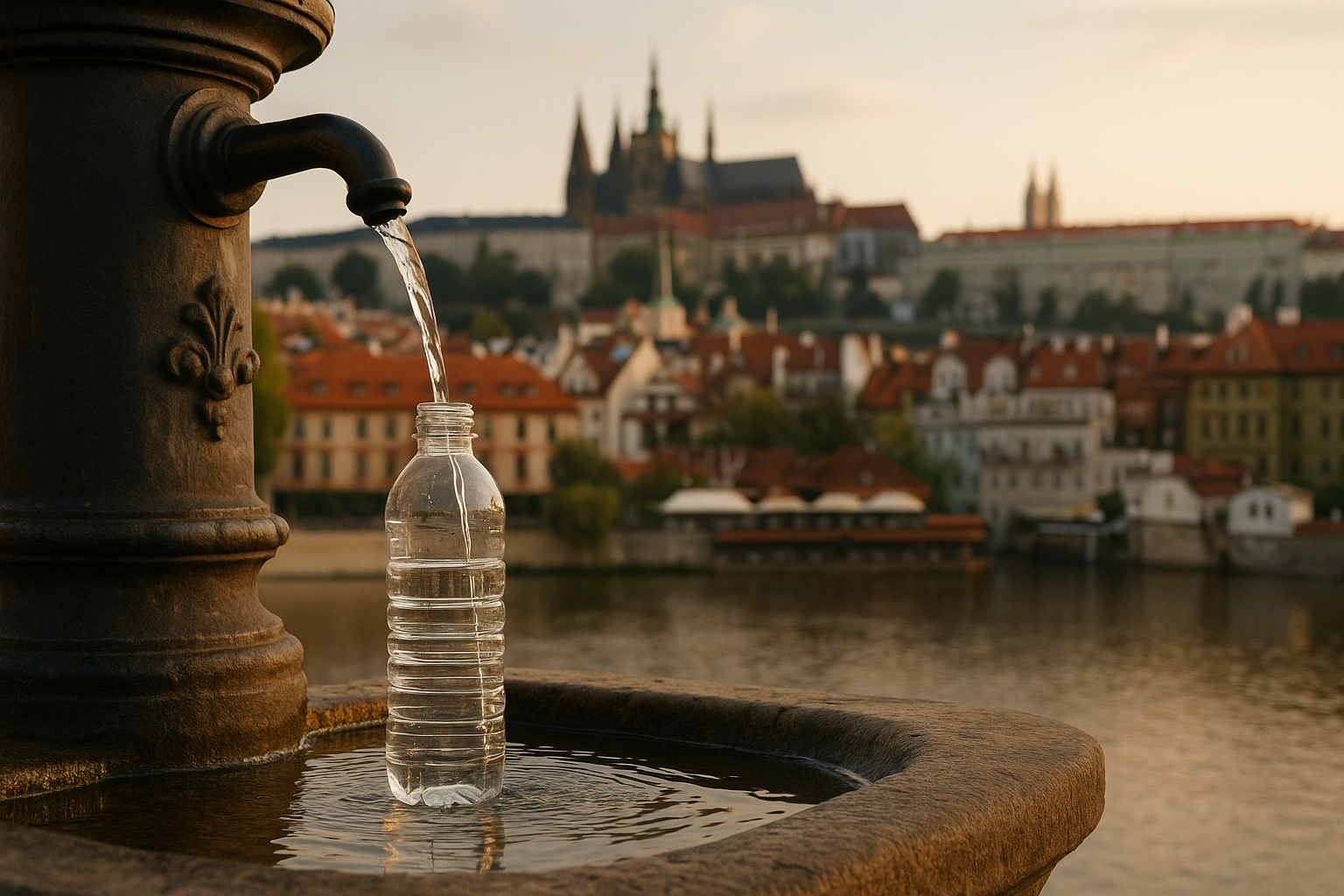
This is one of those questions I should’ve asked properly before my first Europe trip, but obviously I didn’t. Typical. I landed there with one half-filled bottle from the airport, saw people casually refilling bottles from random taps, and for a solid 10 minutes I was like... wait, are they all just fearless or am I the only Indian here mentally calculating stomach disaster + pharmacy bill + ruined itinerary? If you’re coming from India, where tap water safety depends hugely on the city, building, filter, and honestly a bit of luck too, Europe can feel confusing. The short version is yes, in a lot of Europe you can drink tap water. But not everywhere, not every single tap, and not always in the same way. That’s the real answer. And trust me, that little difference matters.
I’m writing this properly because I’ve now done the whole thing — budget hostels, trains, public fountains, Airbnbs with mysterious old pipes, tiny village guesthouses, expensive hotels where they still try to sell you a 4 euro bottle, all of it. And as an Indian traveler, you think about this stuff in a very practical way. Safe hai kya? Will it upset my stomach? Is bottled water better? Can I save money here or not? So this guide is not just a generic Europe travel article. It’s the kind of thing I wish someone had told me before I started overthinking every sink.
So... is tap water in Europe safe or not?
#Mostly, yes. Across much of Europe, public tap water is regulated to high standards and is usually safe to drink. Countries like Germany, France, Netherlands, Switzerland, Austria, Denmark, Norway, Sweden, Finland, Belgium, Luxembourg and a lot of Central and Northern Europe generally have excellent drinking water systems. In many cities, tap water is tested very strictly and locals drink it daily without even thinking twice. Some places even have mountain-fed water and, no joke, it tastes better than bottled water I’ve paid for in India at airports.
But — and this is the part blogs sometimes make too neat — Europe is not one single water zone. Water safety can vary by country, region, island, rural area, old building plumbing, and whether the water is technically safe but tastes weird because of minerals, chlorine, or old pipes. In some parts of Southern and Southeastern Europe, the tap water may be safe in main cities but people still prefer bottled water in older neighborhoods, remote islands, or places with seasonal infrastructure pressure during peak tourism months. So don’t use one rule for the whole continent. That’s where people mess up.
My rule became pretty simple: trust the country, then check the building, then ask one local. If all three feel okay, I drink it.
Countries where I personally felt most relaxed drinking tap water
#Germany was easiest for me. Berlin, Munich, Hamburg, smaller towns too — I just drank from the apartment tap after the host said it was fine. Same in Amsterdam and across the Netherlands, where refilling felt almost normal and nobody made a big deal of it. Switzerland was probably the most confidence-giving place because there are fountains everywhere and many are drinkable unless marked otherwise. I still checked, because I’m not that brave, but yeah, amazing. Austria also felt very safe. Vienna tap water is famously good, and after one cautious sip I was like okay, this is actually better than what I expected.
- Germany, Netherlands, Switzerland, Austria, Denmark, Norway, Sweden, Finland — generally very reliable tap water
- France and Belgium — usually fine in cities and hotels, though taste can vary a bit
- Czech Republic, Slovenia, Slovakia, Poland, Hungary — mostly okay in urban areas, just ask in older stays
- UK and Ireland — tap water is generally safe, but old buildings can make people hesitate a little
The UK was interesting. In London, Edinburgh, Manchester, all fine, all normal, people refill bottles constantly. But in some old houses or guesthouses, I asked anyway because old plumbing gives me trust issues. Maybe that sounds dramatic, but one weird metallic taste and suddenly your confidence vanishes.
Where you should be a bit more careful
#Southern Europe is where things get a little more situational. Spain, Portugal, Italy, Greece, Croatia, parts of the Balkans — tap water in major cities is often safe, yes. But the experience changes. In Madrid and Lisbon I was fine. In Rome, technically safe in many places and there are public fountains too, but depending on the building, taste can be hit or miss. Venice was okay for me, but one stay had such old plumbing that I used tap water only for brushing. Greece was the classic example where the mainland and major cities can be okay, but some islands may rely on desalinated or transported water, and locals themselves may recommend bottled water for drinking. If locals are buying packs of bottled water in bulk, I take that as a sign, not a challenge.
And just to be super clear, countries in Europe can have excellent national water standards and still have local exceptions. Tourist islands in summer, mountain villages, old apartment buildings, heritage hotels with ancient pipes, train station taps, bathroom sinks in super old hostels — these are not all equal. Sometimes the issue isn’t the city supply at all, it’s what happens inside the property. That’s why asking the host or hotel desk takes 10 seconds and can save you a whole day of stomach cramps and regret.
The labels and signs that confused me at first
#If you’re from India, you’re probably used to either drinking filtered water or just not trusting random taps. In Europe, the language issue adds one more layer. I started taking photos of signs because I kept forgetting what they meant. Here’s the rough practical version. If you see signs that mean ‘drinking water’ or there’s no warning and locals are filling bottles, usually okay. If you see wording like not drinking water, non-potable, eau non potable, acqua non potabile, kein trinkwasser, agua no potable — don’t drink. Simple. Public fountains can be amazing, but only when clearly meant for drinking. Decorative fountains are not your hydration solution, yaar.
- Ask directly at check-in: “Is the tap water safe to drink?”
- If it’s an Airbnb, ask whether locals drink from that exact kitchen tap
- If the host says “safe but we use bottled,” take the hint
- If water looks cloudy for a few seconds, let it run first. Cold tap is usually better than hot for drinking
- Never assume bathroom sink water in an old property is same as filtered water, because it isn’t
What happened with my stomach, honestly
#Funny thing is, the one time my stomach got upset in Europe, it wasn’t tap water. It was a heavy cheesy meal plus too much coffee plus walking all day in the cold and then eating street food late. But because I had drunk tap water that morning, I blamed the water first. That’s also very Indian traveler behaviour, no? We suspect the water before the 4 other dumb food choices we made. In most of Europe, if tap water is safe and your body is okay with normal changes in diet, you’ll probably be alright. The bigger issue is adjustment — dairy, bread, cold salads, wine, less spice, irregular meal timing. Still, if you have a sensitive stomach, it’s not silly to be cautious for the first couple of days.
What helped me a lot was carrying basic meds from home, ORS, and one reusable bottle with a built-in filter cap. The filter didn’t magically turn unsafe water into guaranteed-safe water or anything like that, but it gave me peace of mind in places where the taste felt odd. Plus, with all the walking in Europe, hydration matters way more than people think. I saw Indian travelers spend money on coffees, metro passes, museum tickets, then weirdly hesitate over drinking enough water. Don’t do that. Dehydration on a city day is miserable.
How much money can you save by drinking tap water?
#Quite a bit, actually. Bottled water in Europe can be annoyingly expensive, especially around tourist hotspots, stations, airports, and restaurants. A small bottle might cost 1 to 3 euros in supermarkets, and much more in touristy cafes or attractions. In Switzerland, Norway, or central tourist zones in Paris, Rome, Amsterdam etc, that can add up fast. For an Indian traveler doing 10 to 15 days across multiple cities, even spending 2 euros a day on water is not nothing. That’s enough for one bakery snack, one local tram ride, or part of your hostel breakfast. And if you’re traveling as a couple or family, the savings get real very quickly.
| Item | Typical Cost Range | My take |
|---|---|---|
| Supermarket bottled water | €0.50 to €2 | Fine for backup, but not daily if tap is safe |
| Tourist area bottled water | €2 to €4+ | Honestly painful to pay |
| Reusable bottle | €10 to €25 one-time | Worth it by day 3 |
| Hostel or hotel refill | Usually free | Best budget move |
| Public fountain refill | Free | Amazing when clearly potable |
One thing though — restaurants in Europe don’t always serve free water automatically the way some of us expect. In a lot of places, if you ask for water, they bring bottled still or sparkling and put it on the bill. So if you specifically want tap water, ask clearly. Even then, some places may refuse or act weird about it. It depends on the country and the restaurant culture. France can be easier if you know to ask for carafe d’eau. In some other places, they’ll just gently steer you toward bottled because that’s standard. Not a scam exactly... just the system.
Best seasons for relying on tap water and public refill points
#Spring and early autumn were easiest for me. Weather is pleasant, cities are active, and you’re not desperately hunting water every 20 minutes. Summer is lovely in Europe, yes, but with heatwaves becoming more common, especially in Southern Europe, you need way more water than you think. Cities like Rome, Athens, Seville, Lisbon and even Paris can get seriously hot. During peak summer, some smaller islands or over-touristed areas may also face more strain on local resources. Not necessarily unsafe, but it can affect availability, taste, or local preference for bottled water. Winter is less intense for hydration, but indoor heating dries you out sneaky-fast.
For Indian travelers planning a first Europe trip, I still think April to June and September to October are sweet spots. Decent weather, walkable days, fewer extreme temperatures, and less chaos than peak summer. Accommodation prices also behave a little better then, though “budget” in Europe is a very flexible word and sometimes a cruel joke. In major cities, hostels can start around €25 to €60 for dorms, budget private rooms roughly €70 to €140, and mid-range hotels often €120 to €250 or more depending on city and season. If tap water is safe where you stay, that’s one small cost you can definitely trim.
Hostels, hotels, Airbnbs — where water feels safest
#Big chain hotels are usually straightforward. Ask once, they’ll tell you. Hostels are mixed, but most good ones know travelers ask this all the time and answer clearly. The best hostels often have kitchens, refill stations, or signs. Airbnbs need more judgement. New apartment building in Vienna? I’d drink the tap water. Charming ancient flat in Rome with pipes older than my nani’s radio? Hmm. Maybe no. Boutique stays in old European buildings look stunning on Instagram, but practical things like plumbing, lift size, shower pressure, and drinking water confidence can be a little... romanticized.
- Safest bet: newer hotels, chain stays, modern apartments, city-center hostels with good reviews
- Ask more questions in: heritage stays, old town apartments, rural guesthouses, islands, and remote cabins
- Read recent reviews for words like clean water, plumbing, old pipes, weird smell, kitchenette
Also check if your accommodation offers breakfast and refill options. A lot of Indian travelers book only based on price and location, but if you can refill water daily and make tea or instant poha or noodles in the kitchen, your trip gets easier and cheaper. I met a family from Pune doing exactly this and honestly they were smarter than me.
A few country-by-country notes Indian travelers will actually care about
#France: usually safe in cities, and public taps/fountains exist in many places. Restaurant culture may push bottled water unless you ask clearly. Germany: excellent tap water, easy refill life, no drama. Italy: generally safe in many cities, and Rome’s nasoni fountains are super useful, but old building plumbing matters. Spain: city tap water often safe, though taste can vary a lot by region. Portugal: usually safe in major areas. Greece: check carefully on islands. Switzerland and Austria: probably the most confidence-boosting tap water I’ve had. Netherlands: very good. Balkans: don’t assume, ask locally city by city and property by property. Eastern Europe in major urban zones is often better than some people think, but still verify in older stays.
If you’re doing a multi-country Schengen trip, don’t create one fixed habit and carry it everywhere. Adapt. That’s the whole game in Europe anyway — transport rules change, toilet rules change, water rules change, even whether still water comes by default changes. I know people want one clean answer, but the real useful answer is more flexible.
Small practical things that made a big difference for me
#Carry one good reusable bottle, ideally insulated if you like cold water. Learn a few words for non-potable water in the countries you’re visiting. Save offline maps with fountain locations in cities where refill culture is common. Refill before train rides because some station shops charge nonsense prices. Don’t wait till you’re thirsty. If you’re traveling with parents, just buy bottled water where there’s any doubt at all — not worth arguing over two euros. And if you’ve just arrived in Europe and feel unsure, use bottled water for the first 24 hours, observe what locals do, then switch when comfortable. No prize for bravery.
Oh, and one more thing. Sparkling water is everywhere. More than I expected. If you accidentally buy sparkling instead of still after a long thirsty walk, that first sip can be a proper betrayal. Read the label. Naturale, still, non-sparkling, sans gaz — these words become weirdly important very fast.
Final verdict from one Indian traveler to another
#Yes, you can drink tap water in much of Europe, and doing so can save money, reduce plastic waste, and make travel easier. But do it smartly, not blindly. Trust well-regulated countries, ask about specific buildings, be more careful on islands and in very old properties, and don’t ignore local advice. Europe is generally far more tap-water-friendly than many first-time Indian travelers assume, but common sense still matters a lot. If the host hesitates, if the pipes look ancient, if the sign says non-potable, if the whole area relies on bottled water — just buy the bottle and move on. Peace of mind is also part of the budget.
Honestly, once I got used to it, refilling my bottle became one of those tiny things that made Europe feel easier and less intimidating. One less daily decision. One less expense. One less tourist mistake. Hope this helps you travel a little smarter and with less confusion. And if you like practical, slightly too honest travel posts like this, have a look at AllBlogs.in — lots of solid reads there, not the robotic type.