Ragi Ambali for Summer? Oh absolutely. Benefits, recipe, and why I keep coming back to this humble cooling drink
#Every summer I have this same dramatic moment where I say, okay, this is the year I become one of those put-together people who drinks enough water, eats lightly, and doesn't melt into the sofa by 2 pm. And every year Hyderabad heat, or honestly any South Indian heat, just laughs in my face. But one thing that does help, like for real, is ragi ambali. Not in a trendy fake-wellness way either. I mean the old-school, grandmother-approved, slightly sour, deeply satisfying kind. If you grew up around Telugu or Kannada homes you probably know it already. If not, um, you should. It's one of the smartest summer drinks we already had before everybody started paying too much money for probiotic coolers in glass bottles.
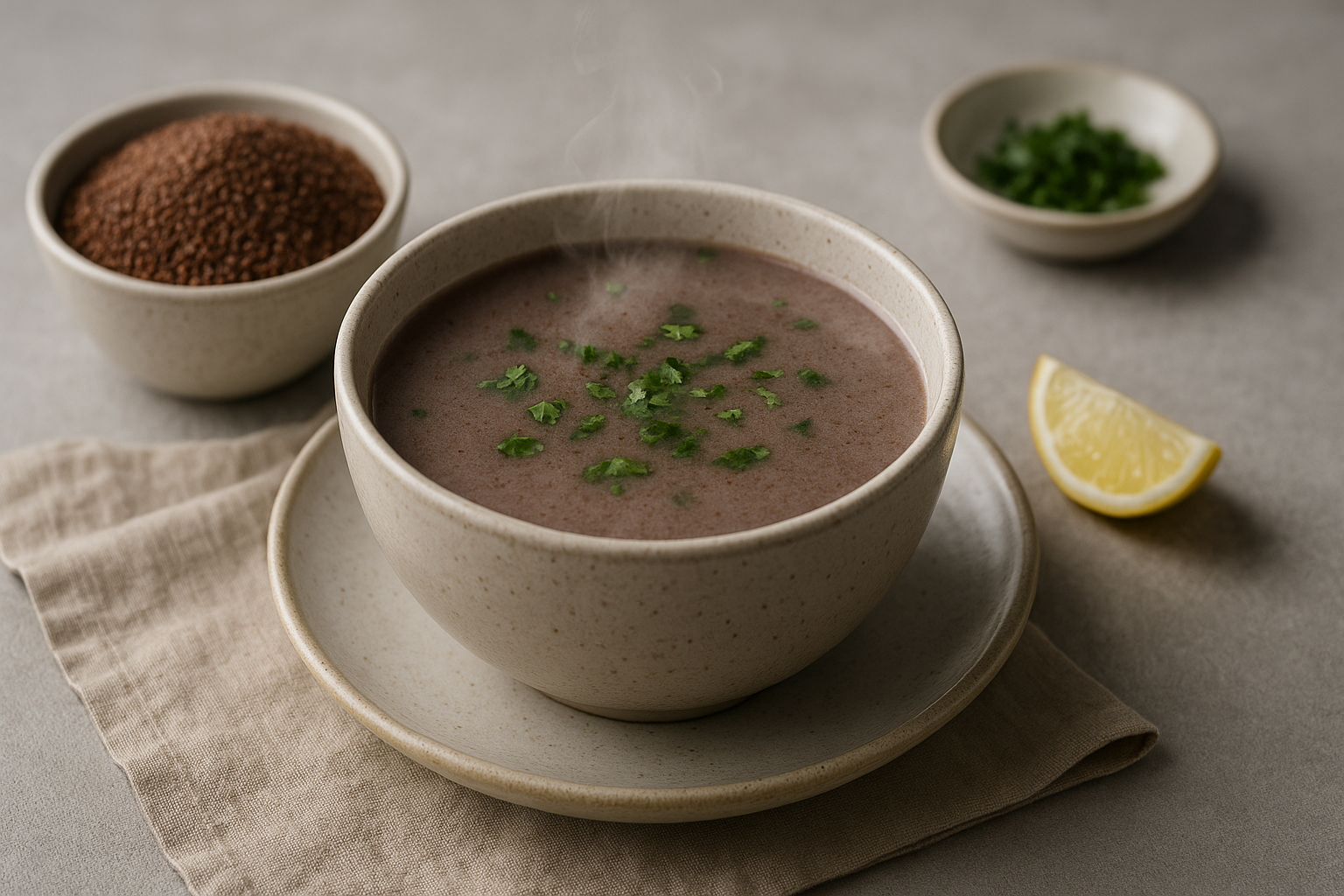
I first fell hard for ragi ambali at my aunt's place after coming in from the sun looking absolutely finished. She handed me a steel tumbler of this pale mauve-ish drink with chopped onions, curry leaves and a tiny squeeze of lime. I was skeptical, not gonna lie. It looked too simple. But one sip and my whole body went ahhh. That's the only way to explain it. Cool, earthy, tangy, filling without being heavy. Since then I've had it in villages, homes, roadside breakfast joints, millet cafes, and my own kitchen where I've messed it up more than once. So this post is basically me rambling lovingly about why ragi ambali is brilliant in summer, what the actual benefits are, and how I make it at home.
First, what even is ragi ambali?
#Ragi ambali is a traditional drink or thin porridge made from ragi, which is finger millet. In Telugu homes you'll hear ambali, in some Kannada homes it's closer to ragi ambli, and there are a bunch of local versions with tiny changes in thickness, fermentation and seasoning. Some people make it savory with buttermilk, salt, green chilli, onions, coriander, cumin, maybe ginger. Others keep it very plain. A few even do a sweeter version with jaggery, though for summer I am firmly on team savory. It cools better somehow. Or maybe that's just in my head. Still counts.
The basic idea is dead simple. You cook ragi flour with water so it loses its raw taste, cool it, then mix it with buttermilk or curd and water. If you let it sit and ferment lightly, even better. That slight tang? That's the magic. It tastes alive. And these days that matters because fermented foods are having a huge moment again in 2026. Everywhere I look there's kefir soda, gut shots, cultured coconut yogurt, and fancy chef menus talking about live ferments like they invented the concept. Meanwhile our grandmothers are like, yes beta, we've been doing this forever.
Why people keep calling it a summer superdrink... and honestly they're not wrong
#Let's not do that thing where we turn one food into a miracle and act like it can solve your whole life. Ragi ambali is not magic. But it is genuinely useful, especially in hot weather. Ragi itself is a whole grain millet with fiber and important minerals. It's often mentioned for its calcium content, which is one of the standout things about finger millet compared to many other cereals. It also has iron, potassium, some protein, and naturally occurring polyphenols. If you make ambali with curd or buttermilk, you also add hydration, electrolytes, and if it's fermented properly, a dose of beneficial microbes too.
- It helps with hydration because you're basically taking in water, salt, and buttermilk in an easy, drinkable form
- It's filling but not too heavy, which is ideal when lunch sounds exhausting in peak heat
- Ragi has fiber, so it tends to keep you full longer than sugary drinks that vanish in ten minutes
- The fermented version can be easier on the gut for some people, and a lot of folks say it feels soothing on the stomach
- Because it has a lower glycemic impact than many refined grain drinks, lots of people prefer it as a steadier energy option
Now, little reality check here. If you have a medical condition, especially around blood sugar, kidneys, digestion, whatever, don't use a food blog as your only source of truth. Talk to a doctor or dietitian. I know, boring disclaimer, but necessary. Also some people don't do great with too much millet every single day, and some need to watch oxalates. Food is personal. Still, for many healthy people, one glass of ragi ambali in summer is just... good sense.
The health part, but in normal-people language
#What I like about ragi ambali is that the benefits are practical. I don't drink it because of some abstract future wellness promise. I drink it because by late morning in May I become weirdly grumpy and tired and hungry-but-not-hungry. Ambali fixes that better than cold coffee, better than random packaged juice, and definitely better than those fluorescent sports drinks. It gives me this slow steady fullness. No sugar crash, no greasy regret. Just calm. Again, sounds dramatic. But if you've worked through an Indian summer afternoon, you get it.
A lot of current nutrition conversations in 2026 are moving away from hyper-processed food and back toward climate-smart grains, regional eating, and gut-friendly traditional prep methods. Millets are still very much part of that. Even after the huge millet spotlight of the last few years, chefs, home cooks, and food startups haven't dropped them. In fact, I keep seeing smarter millet products now. Fresh stone-ground flours, better ready-to-mix batters, small-batch fermented millet drinks, even cafe menus doing savory millet smoothies, which... okay some of those are trying too hard. But ragi ambali doesn't need reinventing. It already works.
The older I get, the more I think real summer food isn't the flashy stuff. It's the humble things that know exactly what your body needs before you do.
My favorite way to make ragi ambali at home
#I've tried the shortcut versions and they are fine-ish. But the method below is the one I trust. It gives proper texture, no raw flour smell, and that nice gentle tang if you let it rest. There are people who mix ragi flour directly into buttermilk and call it done. Sorry, no. That tastes chalky and sad. Cook it first. Please.
Ragi Ambali Recipe - savory summer version

Ingredients:
- 1/2 cup ragi flour
- 2 cups water to cook the ragi
- 1 to 1 1/2 cups chilled buttermilk or thin curd
- 1/2 to 1 cup extra cold water, as needed
- 1/2 tsp salt, or to taste
- 1 small onion, very finely chopped
- 1 green chilli, finely chopped
- 1 tbsp coriander leaves, chopped
- 6 to 8 curry leaves, chopped or torn
- 1/2 tsp roasted cumin powder
- 1 tsp grated ginger
- squeeze of lime, optional

Method:
1. In a bowl, mix the ragi flour with about 1/2 cup water first. Make it into a smooth lump-free slurry.
2. Bring the remaining water to a simmer in a saucepan.
3. Lower the heat and pour in the ragi slurry slowly, stirring continuously so it doesn't clump.
4. Cook for 6 to 8 minutes on low heat until it thickens and the raw smell disappears. It should look glossy.
5. Cool completely. This part matters a lot. If it's warm and you add curd, the taste goes weird.
6. Once cool, whisk in buttermilk or thin curd, salt, cumin, ginger, onion, chilli, coriander and curry leaves.
7. Add extra cold water to get a drinkable consistency. I like it thinner than porridge, thicker than chaas.
8. Rest it 30 minutes for flavors to mingle, or refrigerate for 2 to 4 hours.
9. For a slightly fermented taste, leave the cooked ragi base covered at room temp for 6 to 8 hours before adding buttermilk, depending on weather.
10. Serve cold in a steel tumbler if you want the full emotional experience.
A tiny note on fermentation because people ask me this all the time. In very hot weather, the cooked ragi base can ferment faster than you think. So don't leave it forever and then blame me when it turns aggressively sour. Six hours might be enough. Taste and decide. I usually make the cooked base at night, let it sit a bit, then refrigerate and mix with buttermilk in the morning. Works beautifully.
A few mistakes I've made so you don't have to
#- Adding curd before the ragi base cooled. Bad idea. The flavor got oddly cooked and split-ish.
- Skipping the slurry step and dumping flour into hot water. Lumps. So many lumps.
- Making it too thick because I thought it would feel richer. Nope. In summer, drinkable is better.
- Overdoing the chilli. Cooling drink means cooling drink, not punishment.
- Using sour curd plus a long fermented base. It became mouth-puckeringly intense, and not in a cute way.
How I like to serve it, depending on the mood
#This is where homes differ a lot, and I love that. Some mornings I want plain ambali, just salt and buttermilk. Clean, simple, no fuss. Other days I go all in with onion, coriander, crushed cumin, ginger, and a lot of curry leaves. If I'm having it as a mini meal, I pair it with roasted green chilli, a small piece of pickle, or even leftover cucumber slices. In villages you'll sometimes see people drink it alongside raw onion or a simple chutney. That combo on a hot day? Elite, honestly.
- For breakfast: keep it slightly thicker and pair with a small idli or leftover dosa
- Mid-morning after being out in the heat: make it thin, extra cold, and salty
- Post-workout in summer: add more buttermilk and a pinch of roasted cumin
- When the stomach feels off: skip onion and chilli, use just salt, cumin and a little ginger
And yeah, before somebody says it, ice cubes are fine. Traditionalists may protest. I hear them. But if it's 41 degrees and my kitchen fan is just moving hot air around, I'm adding ice.
Where I've had really memorable versions
#I still think the best ragi ambali is homemade, usually by somebody's mother, grandmother, aunt, or that one neighbor who refuses to measure anything but somehow gets it perfect every single time. But I have noticed more millet-forward cafes and regional restaurants putting versions of ambali on seasonal menus lately. Hyderabad and Bengaluru especially are leaning harder into local grains in a way that feels less tokenistic than a couple years ago. There are newer millet cafes and breakfast spots opening in tech-heavy neighborhoods because people want traditional food that still fits modern routines. Some of these places are excellent. Some serve expensive ambali in pottery cups and call it artisanal hydration, which makes me laugh a little, but hey, if it gets more people drinking it, fine.
One of my recent favorites was at a small regional food festival pop-up where they served ragi ambali with tiny pearl onions and a whisper of green chilli. Nothing fancy. Another good one I had came from a millet-focused kitchen that had also put out jowar salads, barnyard kheer shots, and what they called fermented grain coolers. A bit much branding-wise, but the ambali itself was solid. There's also this broader 2026 thing happening where restaurants are chasing hyper-local, low-waste, heat-smart menus, and honestly ragi fits that beautifully. It's hardy, traditional, affordable-ish, and not trying too hard.
What makes good ragi ambali good, in my opinion
#Texture, first. It should not feel gritty. If it does, either the flour was poor quality or the cooking wasn't right. Second, balance. The earthy depth of ragi needs enough salt and tang to wake up. Third, temperature. Slightly chilled is best for me, though some elders prefer room temp and say it's gentler. Maybe they're right. I still like it cool. Fourth, freshness in the add-ins. Old limp onions ruin the vibe. Fresh curry leaves matter more than people think. Also cumin. Don't skip cumin. It ties everything together in this subtle warm way.
And this might be controversial but I don't like over-garnished ambali. No pomegranate, no microgreens, no bizarre seed mix on top. Stop that. Let ragi taste like ragi. Maybe I've become old and cranky, who knows.
If you're new to ragi, here's the taste expectation check
#Ragi ambali is not sweet, glossy, dessert-y health food. It's earthy. Rustic. A little nutty, a little tangy, sometimes faintly smoky depending on the flour. The color can throw people off at first because it's not exactly conventionally pretty. But give it a fair chance. The first sip may feel unusual if you're used to fruit juices or lassi. By the third sip, though, it starts making sense. Then suddenly you're craving it on hot afternoons and texting your mom for her version of the recipe. That's usually how it goes.
I remember making a batch for a friend who usually survives on iced americanos and protein bars. He looked at the tumbler like I was challenging him to a dare. Then he drank half, paused, and said, wait this is actually good. That "actually" offended me a bit, but also proved my point.
A quick word on ingredients, because quality matters more than you'd think
#Try to get fresh ragi flour from a store with good turnover or from a local mill if you can. Stale flour tastes dusty. Some brands are too fine, some too coarse. You'll figure out your favorite after a couple tries. Buttermilk should be fresh and pleasantly tangy, not sharp and old. If using curd, whisk it till smooth before adding. The onion should be crisp, coriander bright, ginger fresh. This is a simple drink, so every little thing shows up. There is nowhere to hide. Kind of rude, but true.
So, is it worth making regularly in summer?
#For me, yes. A hundred percent yes. It's inexpensive, deeply local, nourishing, and weirdly comforting. It sits in that sweet spot between drink and meal, which is perfect when the weather steals your appetite. It's also one of those recipes that makes me feel connected to people before me, and I know that sounds sentimental and maybe a tiny bit cheesy, but food does that. Every time I stir that ragi slurry into hot water I remember kitchens with stone floors, steel tumblers sweating on counters, the smell of curd rice somewhere in the background, somebody yelling from another room, ceiling fan going click-click-click...
Anyway. If you've never made ragi ambali, start this week. Don't overcomplicate it. Keep it savory, keep it cool, and adjust till it tastes like something you'd want to drink again tomorrow. That's the whole game really. And if you already grew up with it, maybe this is your sign to bring it back into the regular summer rotation instead of waiting for nostalgia to do all the work.
That's my little love letter to ragi ambali. Humble, practical, not flashy, and somehow better than half the overpriced wellness drinks on the market right now. If you try it, I hope your first sip gives you that same ahhh moment I had years ago. And if you're into these kinds of food memories and kitchen ramblings, go wander around AllBlogs.in too, there's always some tasty rabbit hole to fall into.