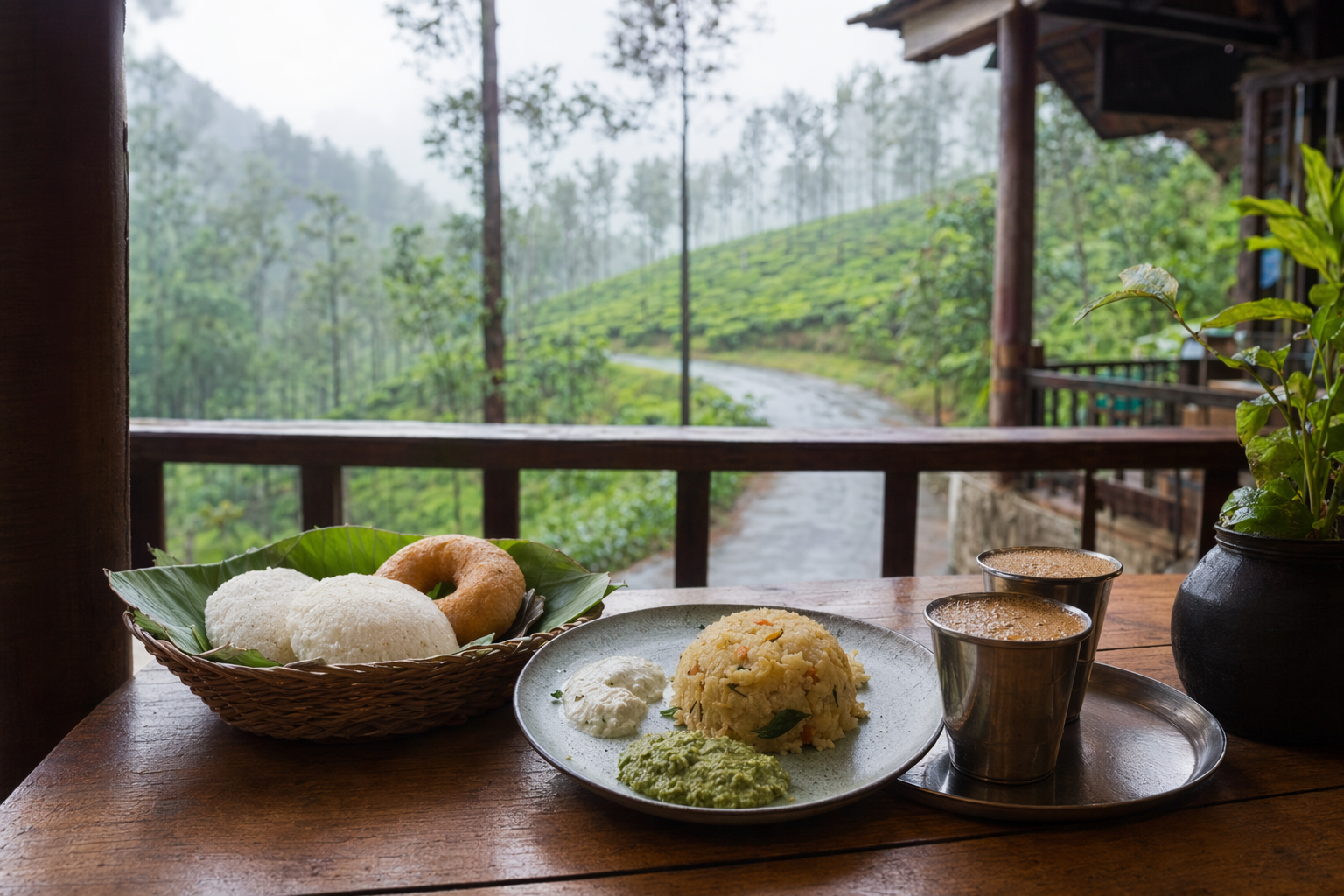
The best breakfast I had in Coorg happened before the roads got properly wet. Not before rain, because in monsoon Coorg doesn’t really do “before rain” in any sensible way. It is always raining somewhere, or about to rain, or pretending it stopped while secretly dripping from every leaf. I mean before the roads turned into those shiny black ribbons where your driver suddenly becomes quiet, grips the steering wheel with both hands, and everybody in the car stops making jokes. That kind of before.
I was staying on a coffee estate outside Madikeri, not too far from the Siddapur side, where the slopes look like somebody folded a green blanket over the hills and then spilled coffee plants, pepper vines, silver oak, wild ferns, and mist all over it. Coorg, or Kodagu if we’re being proper, is famous for coffee for a reason. The estates are not just pretty backdrops for Instagram reels, although yes, everybody does that now. They are working landscapes. Arabica and Robusta grow under shade trees, pepper climbs up the trunks, cardamom hides in damp corners, and during monsoon the whole place smells like wet soil, crushed leaves, wood smoke, and coffee pulp memories. That smell alone is worth waking up for.
The 6:15 a.m. estate walk, half asleep and fully hungry
#I woke up at 5:40 because the rain on the tiled roof was being dramatic. Not heavy exactly, more like thousands of tiny fingers tapping and tapping. My room had that slightly cold, damp feel of hill-station mornings, the bedsheet never fully dry, socks from yesterday still questionable, and my stomach making those rude little noises. Breakfast was at 7, but the estate owner, a soft-spoken Kodava gentleman with a terrifyingly good sense of direction, had said the previous night, “Come before breakfast. We’ll walk. Roads will be slushy later.” I almost said no. I am not noble before coffee.
But I went. And honestly, this is one of those travel decisions that sounds small and becomes the whole story later. We walked past coffee bushes beaded with rain, past pepper vines twisting around shade trees, past one small stream that had become a loud brown thing overnight. Leeches were mentioned. I pretended to be brave. Me and another guest from Bengaluru kept checking our ankles like city idiots. Somewhere in the distance, a koel called, then gave up. The owner picked a coffee cherry, split it, and showed us the beans inside, slick and pale. “Now everyone wants estate-to-cup,” he said, smiling. “Earlier people just wanted strong coffee.”
Estate-to-cup is the 2026 food travel mood, basically
#That line stayed with me because it’s exactly what travel food feels like right now. In 2026, or at least in the food-travel circles I keep bumping into, people are tired of just checking off famous restaurants. They want the origin story. They want breakfast in the place where the ingredient grows. Coffee cupping at the estate, pepper plucked from the vine, honey from the local boxes, jackfruit from the tree near the cowshed, and somebody’s grandmother explaining why you don’t rush akki rotti on a wet morning. It’s not new for locals, obviously. But for travelers, it’s become the new luxury. Not gold-plated dessert. Not some foam situation. Just a hot breakfast where the coffee didn’t travel farther than you did.
Coorg fits that trend almost too perfectly. It has homestays that are actually homes, old plantation bungalows, boutique estate retreats, and simple farm stays where breakfast is included and dinner depends on what the kitchen auntie feels like making. Travelers are also mixing Coorg with Chikmagalur, Sakleshpur, and Wayanad now, doing what people call coffee-belt slow travel. I don’t love every trendy travel phrase, but slow travel in monsoon makes sense because the weather forces you to slow down anyway. You cannot outrun Coorg rain. It will catch you at a bend near Suntikoppa and laugh.
Breakfast arrived like a warm argument against leaving
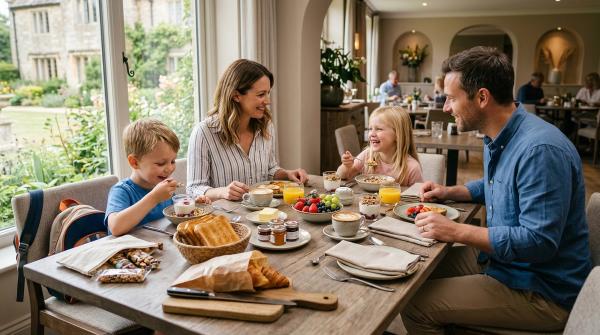
#By the time we came back, my shoes were muddy and my hair had expanded into its own weather system. The breakfast was laid out on a long verandah facing the estate, and this is where I stopped pretending to be a calm travel writer. There was coffee first, of course. Proper filter coffee, dark and fragrant, with milk boiled until it had that sweet, comforting thickness. Some estates serve black coffee for tasting, especially if they’re proud of their single-estate roast, but the morning cup I wanted was the kind you hold with both hands. Slightly bitter, slightly smoky, not burnt. It tasted like the rain had been invited into it.
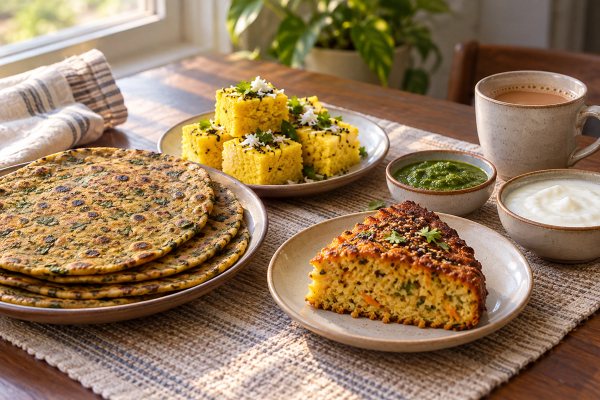
Then came akki rotti, rice flatbreads cooked on a hot tava, edges just crisp, middle soft and steamy. There was coconut chutney that had green chilli bite, a small bowl of butter, and a dark, glossy pork pickle on the side for those who wanted it. Kodava food is famous for pandi curry, the pork dish sharpened with kachampuli, that dark sour vinegar made from Garcinia fruit, but breakfast on estates can be gentler. Still, Coorg people don’t always obey tourist breakfast categories. You may get kadambuttu, those soft rice dumplings, with a leftover curry from last night. You may get noolputtu, delicate string hoppers, with coconut milk or curry. You may get neer dosa, idli, scrambled eggs, or puttu depending on the household. And honestly, the best breakfasts are the ones that don’t look like a hotel buffet trying to please everybody.
The monsoon plate: bamboo shoot, mushrooms, jackfruit, and that sour magic
#Monsoon changes the Coorg kitchen. That’s the part I loved most. In dry-season travel, people talk about views and waterfalls. In monsoon, the ingredients start talking louder. Bamboo shoot curry appears, earthy and slightly funky in the best way, cooked with spices and sometimes coconut. Wild mushrooms, called kumm in local conversations, are treasured but also treated carefully because nobody wants adventurous mushroom poisoning, thanks. Tender greens show up. Jackfruit, depending on the timing, becomes chips, curry, or sweet dumplings. Kachampuli goes into curries and gives that deep sour note which I now crave at stupid times, like while answering emails.
One auntie at the estate kitchen told me, “Rain food should wake the body.” She said this while adding more pepper than I expected into a vegetable curry. Coorg pepper is not shy. It has heat, but also perfume, and when it’s raining sideways outside, pepper makes total sense. It clears your head. It makes your second cup of coffee feel deserved. There was also a tiny dish of homemade orange marmalade, from the old Coorg orange tradition, though orange cultivation has had its ups and downs over the years. I spread it on toast just to be polite and then went back for more because it was bitter-sweet and not too sugary, which is my favorite kind of jam, if anyone is keeping notes.
Why “before wet roads” matters in Coorg monsoon
#If you haven’t driven in Coorg during heavy rain, let me say this with love: don’t be casual about it. The roads are beautiful, yes, curling through coffee estates, valleys, little towns, and sudden viewpoints, but monsoon makes them slippery. Potholes hide under brown water. Fog comes and goes like a moody cat. Landslides can happen on hill roads in the wider region, and even smaller estate roads get slushy enough to trap cars that thought they were tougher than they are. Locals know when to leave. Travelers, especially the ones with packed itineraries, often learn late.
That is why breakfast early is not just romantic, it’s practical. Eat before the day’s rain thickens. Leave before school traffic, market traffic, and tourist SUVs start meeting each other on narrow bends. If you’re heading from Madikeri towards Abbey Falls, Mandalpatti, Talacauvery, or down toward Virajpet and Nagarhole side, ask your host about road conditions that morning. Not yesterday. That morning. Coorg weather has commitment issues. I’ve seen a clear lane turn into a mini stream in twenty minutes. I’ve also seen the sun come out right after I cancelled a plan, which felt personal.
Monsoon travel in Coorg is not about conquering the weather. It’s about eating hot food, listening to locals, and knowing when to stay put with another cup of coffee.
A small breakfast table can teach you more than a famous viewpoint
#At that estate breakfast, there were only six of us at the table. A couple from Chennai who had come for their anniversary, one solo cyclist from Pune who looked permanently damp but happy, the Bengaluru guest and me, and the owner’s mother, who sat down only after insisting everyone eat more. This is the kind of food travel I keep chasing. Not because it’s fancy. Actually the plates were mismatched and one spoon had a bent handle. But every dish had a reason. The rice for the rotti came from a nearby supplier. The honey was local. The pepper was from the estate. The coffee was roasted in small batches, not with some giant brand story, but because the family liked controlling the roast.
We talked about how more travelers are asking for breakfast walks now. Earlier people wanted bonfires and barbecue, the owner said. Now they ask if they can see coffee berries, learn brewing, buy beans, do tastings. Some guests even want no-waste cooking sessions, which is another big travel food thing recently. Banana peels becoming chutney, jackfruit seeds being roasted, coffee grounds going into compost, souring agents made traditionally instead of bottled shortcuts. I like this trend, mostly. Sometimes it gets packaged too neatly and starts feeling like a wellness brochure, but when it’s real, it’s lovely.
Coffee tasting after breakfast, because moderation is a rumor
#After breakfast, when any sensible person would stop, we did a small coffee tasting. Not a formal cupping with all the slurping and scoring sheets, though I secretly enjoy that drama. This was simpler. Three brews: one estate Robusta, one Arabica blend, and one darker roast made for milk coffee. Coorg grows both Arabica and Robusta, and Robusta has been getting more respect lately, especially with specialty roasters experimenting with careful processing, honey methods, naturals, and better fermentation. The old snobbery around Robusta is fading a little. Good. Some of the most satisfying South Indian filter coffees depend on Robusta’s body and crema-like strength.
The Robusta was bold, chocolaty, a little earthy, and it stood up beautifully to milk. The Arabica had more fruit and softness, but on that rainy morning I wanted the Robusta. It felt like wearing a thick sweater from the inside. The owner also showed us pepper drying trays, though monsoon drying is tricky, and explained how estates now host more experiential travelers: coffee walks, brewing workshops, birding breakfasts, spice lunches. It’s become part hospitality, part agriculture education, part feeding strangers until they surrender. I support this business model.
If you do leave the estate: Madikeri bites and Kodava meals
#By 10 a.m. we decided to go into Madikeri, because travelers are greedy and apparently one perfect breakfast is not enough. The road was already slick, the kind that reflects tree branches like black glass. We went slow. In town, if you’re curious about Kodava food beyond homestay kitchens, Coorg Cuisine in Madikeri is one of the names people often recommend for pandi curry, kadambuttu, bamboo shoot dishes when available, and other local plates. East End Hotel is an old Madikeri institution for no-nonsense meals and snacks. Big Cup Cafe on the Madikeri route has become a familiar stop for coffee and quick bites, especially for road trippers who want something cleaner and predictable. Are these hidden gems? No. But not every good food stop needs to be hidden behind a waterfall and a secret handshake.
What I will say, though, is that the most memorable Kodava meals I’ve had were still in homes and homestays. There’s a rhythm to them. Rice, curry, pickle, something peppery, something sour, something fried if you’re lucky. Pandi curry with kadambuttu is the classic, dark and rich with kachampuli, but don’t ignore the vegetable dishes. Bamboo shoot curry in season, pumpkin curry, colocasia leaves, stir-fried greens, and chutneys that look simple but have serious attitude. Also, Coorg honey and homemade wines pop up everywhere, though quality varies. I bought a passion fruit wine once that tasted like a college mistake. The honey, however, was gorgeous.
The new luxury is not a buffet, sorry
#One thing I’ve started noticing on food trips is how bored I am of big hotel buffets. I know, controversial maybe. Buffets are convenient, especially with kids or big groups, but in places like Coorg they can flatten everything into the same sad triangle: toast, omelette, poha, cut fruit. Nothing wrong with poha, don’t come for me. But when you’re sitting in one of India’s most exciting coffee and spice landscapes, why eat like you’re at an airport lounge?
The better 2026 travel breakfast, for me, is hyperlocal and small. A short menu. Seasonal dishes. Good coffee with traceability. Maybe a QR code if needed, but please don’t make me scan something just to learn the chutney has coconut in it. Travelers are increasingly looking for regenerative and community-based stays, places that employ local cooks, source locally, reduce plastic, and don’t turn every estate into a theme park. Coorg needs that balance badly. Too much traffic, too much waste, too much “quick weekend escape” energy can hurt the very landscape everyone comes to admire. Eat local, yes. But also drive slower, carry back your trash, and don’t ask estate workers to pose like props. Basic manners, but you’d be suprised.
What to eat at a Coorg estate breakfast if you get lucky
#- Akki rotti with coconut chutney, especially if it comes hot from the tava and not from a warming tray.
- Kadambuttu with curry, even at breakfast. Rice dumplings are soft, comforting, and perfect for rainy weather.
- Noolputtu or neer dosa with coconut milk, vegetable curry, or whatever the house serves without fuss.
- Bamboo shoot curry during monsoon season, if your host says it’s available and properly prepared.
- Estate filter coffee, then black coffee if they offer a tasting. Try both. You’re in Coorg, behave accordingly.
- Local honey, jackfruit preparations, homemade marmalade, and pepper-heavy sides that make you sit up straighter.
A few practical notes, because rain is pretty until it isn’t
#- Start early. For estate walks and onward drives, mornings are usually your friend, even if they’re misty and damp.
- Ask locals about road conditions before heading to Mandalpatti, Talacauvery, remote estate roads, or waterfall routes.
- Wear shoes with grip. Those cute flat sandals will betray you on mossy steps. I learnt this the undignified way.
- Carry a light rain jacket, extra socks, and a small bag for wet clothes. Umbrellas are useful until wind gets involved.
- Book estate breakfasts or homestay meals in advance. Many kitchens cook to count, and that’s exactly why the food tastes fresh.
- Respect coffee estates as workplaces, not just scenery. Don’t wander without permission, and watch for leeches in wet undergrowth.
That last cup before the road turned silver
#We left the estate later than planned, of course. There was always one more cup. The rain had softened for a while, and the road outside the gate looked innocent, which is how monsoon roads trick you. I remember standing under the verandah, shoes still muddy, holding a packet of beans I had bought from the family, and thinking that this is what I want more of when I travel: mornings that taste like the place. Not just a destination checked off, not just photos of mist and waterfalls, but breakfast with weather in it. Coffee with soil in the story. Rice rotti made by hands that know the right heat without checking a timer.
Coorg in monsoon is not convenient in the polished vacation way. Your clothes won’t dry. Your plans will change. Your car may smell faintly of wet shoes. But if you wake up early, walk through a coffee estate before the roads go slick, and sit down to a breakfast of hot akki rotti, peppery curry, local honey, and filter coffee while the hills disappear and reappear in mist, you’ll understand why people keep coming back. I do, anyway. And next time I’m staying two extra days, because one rainy breakfast was not enough, not even close. For more food-soaked travel stories and little itinerary temptations, I usually end up browsing AllBlogs.in with coffee in hand.