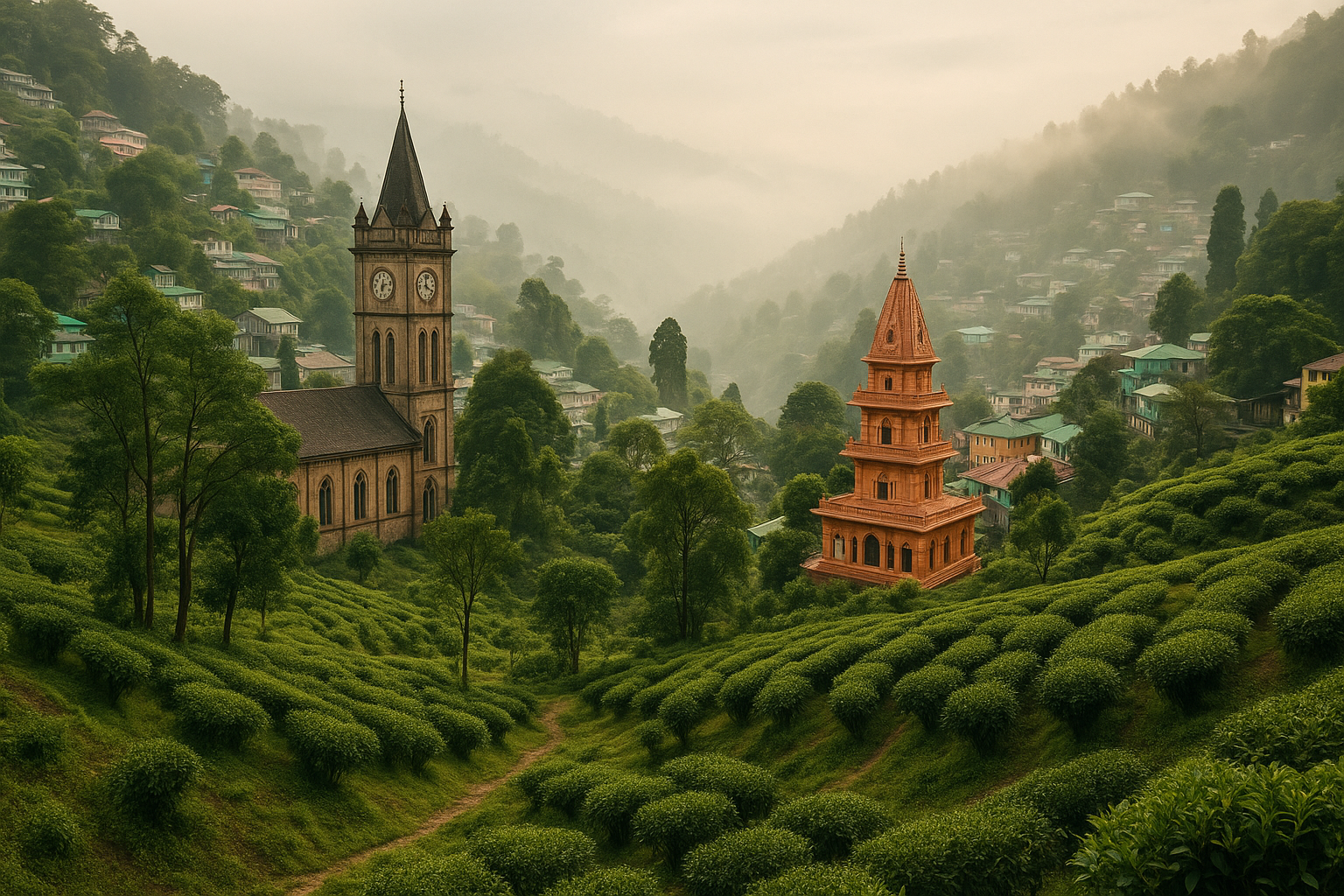
If you’re anything like me, you love the idea of “hill station summer” but not the reality of it… aka 3-hour traffic jams for a 12 km stretch, parking fights, and paying ₹250 for chai that tastes like sadness. I’ve done the usual circuit (Manali, Mussoorie, Shimla, Munnar, etc) and yeah, they’re beautiful. But sometimes you just want mountains without the crowd soundtrack.
So over the last couple of years, me and my friends (and once, me and my mom… bad idea because she walks faster than me) started doing these smaller, lesser-known hill getaways. Places that don’t scream “tourist hotspot” yet. Some are not totally unknown, but still… you can sit by a river and hear the river. Wild concept.
This post is for that mood. Eight hill stations / mountain towns that felt refreshingly under-the-radar, plus the practical stuff people always ask me later—how to reach, where to stay, what it costs, what to eat, what to avoid, and small things that can ruin your trip if you don’t know (like arriving on a Monday when half the eateries are shut, or trusting Google Maps on a forest road…).
Also, quick reality check: mountains aren’t “safe” automatically. Weather is getting weird everywhere, landslides do happen, and some roads go from perfect to broken in one night. So I’m including safety + seasonal tips too, not just dreamy descriptions.
Before you pick a hill station: a couple very Indian, very real summer travel notes
#So, summer in Indian hills is not one single season. April can be chilly at night in a lot of places. May-June is peak rush. By late June / July, monsoon can start depending on the region—Himachal, Uttarakhand, North East, Western Ghats all behave differently.
Couple things I do now (after learning the hard way):
- I check road conditions on local Instagram pages + recent Google reviews, not just news. News comes when it’s already bad.
- I keep at least one “buffer day” in the plan if the route has landslide-prone stretches.
- If I’m doing remote areas, I keep cash. UPI works in many places now, but there’s always that one village where signal disappears the moment you need it.
- Please don’t litter. Yeah I sound preachy. But man, the amount of chips packets I saw near waterfalls last summer… it’s heartbreaking.
Budget-wise, these places are still cheaper than the big names, but prices have generally gone up across the board after the post-COVID travel boom. Expect decent homestays from around ₹1,200–₹3,000 a night in most of these, and nicer boutique stays often ₹4,000–₹8,000+ depending on weekends/season.
1) Shoja (Himachal) – small, piney, and kinda addictive
#Shoja is one of those places where you reach and immediately slow down. It’s near Jalori Pass (between Banjar Valley and Ani side) and it’s not “a town” exactly—more like a sleepy cluster of cottages and homestays in thick deodar forest.
What I loved: mornings. No honking. Just birds and the smell of wood smoke. I stayed in a wooden homestay where the aunty served hot aloo parathas with homemade butter and I was basically a kid again.
Don’t miss:
- Jalori Pass at sunrise (carry a jacket even in May, trust me)
- Serolsar Lake trek (easy-moderate, 4–5 km one way depending on where you start)
- A slow evening walk on the little forest trails behind the stays
How to reach: Most people come via Aut (on Chandigarh–Manali highway), then Banjar, then climb up. If you’re on public transport, buses till Banjar/Jibhi are easier, then local taxi.
Stays + price: Lots of cosy cabins and homestays. I paid around ₹2,200/night for a simple room with views. Cabins with balconies and better heating can go ₹4,000–₹7,000 in peak season.
Food: Mostly homestay meals (simple but sooo satisfying). A few cafes exist around Jibhi area if you want more options.
Safety/season tip: The Jalori road can get rough after heavy rain and fog can be thick. Drive slow, and avoid night driving if you’re not used to mountain roads.
2) Sainj Valley (Himachal) – Great Himalayan National Park vibes, minus the circus
#Everyone’s heard of Tirthan now, right? Sainj Valley is like its quieter cousin. It’s in the Great Himalayan National Park region too, but fewer “reels crowd” (for now). I went here on a whim because our original plan got messed up due to weather, and honestly it became the highlight.
The valley feels lived-in. You’ll see apple orchards, small wooden houses, locals heading to fields, kids playing on narrow bridges. And the river—cold, fast, and loud.
What to do (without over-planning):
- Stay near Neuli / Sainj and do short hikes to nearby villages
- Ask locals about waterfall points (they’ll tell you the real ones, not the “Google famous”)
- If you’re into birding, carry binoculars. I’m not even a bird person but even I got excited.
How to reach: Same approach as Banjar side—get down at Aut, then head towards Sainj.
Stay cost: Homestays are usually ₹1,500–₹3,500. Some eco-stays charge more but include meals.
Local food: Siddu (when you find it), rajma-chawal, thukpa type stuff in small dhabas. Mostly you eat what’s cooked at home stays.
Safety: Because it’s near a national park, be respectful. Don’t blast music on trails. Also, river looks inviting but currents are no joke.
3) Chaukori (Uttarakhand) – Himalayan views that made me shut up for once
#Chaukori is in Kumaon, and I swear the first time I saw the Panchachuli range from there, I just… stopped talking. Which is rare for me.
It’s not a “busy hill station” at all. It’s more like a ridge with tea gardens and a few stays. The vibe is slow, old-school. People read books here. Like actual books.
What to do:
- Sunrise and sunset viewpoints (ask your host, they’ll direct you)
- Walk through the tea estate area
- Short day trips towards Munsiyari side or Berinag (depending on your time)
How to reach: Kathgodam is the nearest major railhead. Then it’s a long drive (6–8 hours depending on breaks and road conditions). If you’re doing it by bus, it becomes a whole thing—possible but tiring.
Stays: Simple hotels and homestays. I paid around ₹2,500 with meals included. Nicer heritage-style stays can be ₹5,000–₹9,000.
Food: Kumaoni thali if your homestay offers it (mandua roti, bhatt ki churkani). Even maggi tastes better when you’re staring at snow peaks, ok.
Season tip: April to June is lovely. Monsoon months can be risky because Uttarakhand roads are prone to slips. If you’re going in late June/July, keep backup plans and check local advisories.
4) Pangot (near Nainital, Uttarakhand) – For people who want forest, not mall road
#Pangot is technically close to Nainital but feels like a different world. It’s a birding hotspot, yes, but even if you don’t care about birds you’ll care about the forest. Thick oak, pine, mist, and that damp earthy smell that makes you breathe deeper.
I came here after a chaotic Nainital weekend (never again on a long weekend, pls). In Pangot, by 8 PM, it’s quiet enough to hear your own thoughts… which can be scary, but also nice.
Things to do:
- Early morning bird walk (local guides are worth it)
- Drive towards Kilbury forest area
- Just sit outside with chai. No guilt.
How to reach: From Kathgodam, drive to Nainital and then 15–20 km further towards Pangot. Road is narrow but manageable.
Stay cost: Lots of cottages and eco-lodges. Roughly ₹2,000–₹6,000 depending on season and whether meals are included.
Food: Limited outside options. Most stays provide meals. Carry snacks if you’re picky.
Safety: Forest roads can get foggy. Don’t drive late night if you’re not confident. Also, monkeys are thieves. Keep windows closed when you’re not around.
5) Daranghati (Himachal) – raw, remote, and not for “I need a cafe” people
#Daranghati Sanctuary area (near Rampur side) is not your typical hill station scene. It’s more wild. More rural. More… real. I’m saying this because some folks go expecting cute cafes and end up bored or uncomfortable.
I went because I wanted to see a side of Himachal that isn’t curated for tourists. We stayed near the sanctuary edge in a basic place—hot water was like, “maybe yes maybe no” depending on mood.
What’s good:
- Forest walks and insane valley views
- Very low crowd
- Night sky if it’s clear (we saw more stars than I could count)
How to reach: You’ll likely come via Shimla/Narkanda or via Rampur side, depending on your route. A private vehicle helps.
Stay cost: Homestays/basic guesthouses ₹1,200–₹3,000. Don’t expect luxury unless you’ve pre-booked something specific.
Food: Home-cooked. Simple. Dal, sabzi, rice, roti. And it hits different after walking all day.
Safety + responsible travel: This is sensitive forest area. Don’t litter, don’t light fires casually, and don’t go wandering deep without a local guide. Also, mobile network can be patchy—tell someone your plan.
6) Dzüko Valley base (Nagaland side) – not exactly “easy”, but worth the sweat
#Ok so Dzüko Valley isn’t a “hill station” in the colonial sense. It’s a valley trek, and the base experience is the hill getaway part. But it’s one of the most unreal places I’ve walked through in India, so I’m including it.
We started from the Nagaland side (Viswema route). The climb is steep in parts and my knees were cursing me, not gonna lie. But then you reach those wide open grassy stretches and it feels like a painting.
What to do:
- Trek to Dzüko Valley (preferably with local guide or group)
- Camp overnight if weather allows (carry proper gear)
How to reach: Fly to Dimapur, then drive to Kohima, then to Viswema. Local taxis are available, but planning in advance helps.
Costs: Guide + transport + stay can vary a lot. Budget around ₹2,500–₹6,000 per person for a basic trek setup (more if you want porters/better gear/comfort).
Food: Basic trek food. In Kohima, please try Naga cuisine properly—smoked pork dishes, bamboo shoot flavors, axone style preparations (it’s intense, in a good way).
Safety: Weather can change fast. Don’t do this in heavy rains. Also, keep ID handy—some North East routes/checkpoints may ask, and it’s normal. Be respectful, don’t act weird about it.
7) Lava & Loleygaon (West Bengal) – misty forests, tiny bakeries, and slow mornings
#North Bengal has this special kind of mountain mood—mist that rolls in suddenly, prayer flags fluttering, and roads that curve like they’re teasing you. Lava and Loleygaon (near Kalimpong district) are small, green, and honestly perfect if you want a quiet break without going deep into Sikkim.
I did this trip with a friend who loves photography and he basically made us stop every 2 minutes. Annoying then, grateful now.
What to do:
- Neora Valley National Park edge viewpoints (permits/guides sometimes required depending on route)
- Canopy walk in Loleygaon (short, fun)
- Early morning views if the sky clears (Kanchenjunga can show up like a surprise guest)
How to reach: NJP (New Jalpaiguri) is the main railhead. Then taxi/shared cab to Lava/Loleygaon. Roads are decent but winding.
Stay cost: Homestays ₹1,200–₹3,000. Some newer properties ₹4,000–₹7,000.
Food: Simple meals, momos, thukpa, local veg/non-veg thalis. There are small bakeries too—warm buns and tea in fog feels illegal it’s so good.
Season tip: April–June is pleasant. Monsoon brings leeches and slippery trails, so carry salt/repellent and proper shoes.
8) Yercaud (Tamil Nadu) – the “chill hill” nobody brags about (and that’s why it’s nice)
#Yercaud doesn’t get the Ooty/Kodaikanal hype, and I’m kinda glad. It’s in the Shevaroy Hills (Eastern Ghats), and it’s one of the easiest hill getaways if you’re coming from Bengaluru/Chennai/Salem side.
It’s not extreme mountains. It’s more like… breezy, green, and relaxed. Coffee smell, quiet roads, and viewpoints where you can actually stand without being pushed.
Things to do:
- Loop road drives and viewpoints (Lady’s Seat, etc)
- Short hikes around the lake area
- Visit local coffee/spice shops (don’t buy the first thing you see, compare a bit)
How to reach: Nearest big access is Salem. From Salem it’s about 1.5–2 hours drive, with hairpin bends.
Stay + cost: Lots of resorts and homestays. Budget stays ₹1,500–₹3,000. Mid-range resorts ₹3,500–₹7,000. Premium places can go ₹8,000+ on weekends.
Food: South Indian breakfast here is a win—idli, vada, pongal. Also try local pepper chicken in small restaurants if you eat non-veg.
Safety: Pretty safe overall, but like anywhere—don’t do isolated viewpoints late night. Roads can get foggy early morning.
Small, practical stuff that made these trips better (or saved them)
#Not doing a perfect checklist-y list because honestly nobody follows it. But here’s what helped me:
- Start early. Like actually early. Leaving at 6 AM saves you from half the traffic and half the headache.
- Book stays with flexible cancellation if you’re travelling near monsoon edges. Plans change fast in the hills.
- If you get motion sickness, carry meds. Those hairpin bends don’t care about your ego.
- For remote places (Daranghati, parts of Sainj), download offline maps and keep a powerbank.
Also, I’ve noticed a trend lately—people are choosing homestays over big hotels, especially in Himachal/Uttarakhand and North Bengal. It’s not just budget. It’s that you get local food, local stories, and way better guidance on what’s worth doing. Like in Shoja, our host told us to go to Serolsar early because later it gets windy and cloudy. If we’d followed random internet timing, we would’ve missed the clear views.
The best hill trips aren’t the ones with the most “spots”. It’s the ones where your shoulders drop and you stop checking your phone every ten minutes.
Typical budget reality (because nobody tells you clearly)
#For 3–5 day trips to these lesser-known hills, a realistic budget per person (sharing rooms) usually lands somewhere like:
- Backpacker-ish: ₹7,000–₹12,000 (public transport, simple homestays, local food)
- Comfortable: ₹12,000–₹25,000 (private cab for parts, nicer stays, a couple paid activities)
- “I want comfort only”: ₹25,000+ (resorts, private vehicle throughout, guided experiences)
Prices jump on long weekends, and in peak May-June. Also, North East trips (like Dzüko base) can get pricier because of logistics—still worth it, but plan it properly.
So… which one should you pick?
#If you want easy + comfy: Yercaud or Pangot.
If you want forest + quiet + not-too-hard travel: Shoja or Chaukori.
If you want raw nature and don’t need cafes: Sainj and Daranghati.
If you want that “I did something different” story: Lava/Loleygaon.
If you want a proper adventure with bragging rights (and sore legs): Dzüko.
And yeah, I know I said “unexplored” but nothing is truly unexplored anymore, right? Still, these places felt less chaotic than the usual hill circuit. That’s the point.
If you’re planning a summer escape soon (or even for Summer 2026, if you’re the organised type), I’d honestly pick one of these and just… go slower than usual. Take fewer photos. Eat the local food. Talk to the aunties running the homestays. They’ll tell you where the real views are.
Anyway, if you like this kind of not-too-polished, actually-on-ground travel writing, I’ve been reading a bunch of similar posts on AllBlogs.in too. Worth a scroll when you’re stuck in office and daydreaming about mountains.