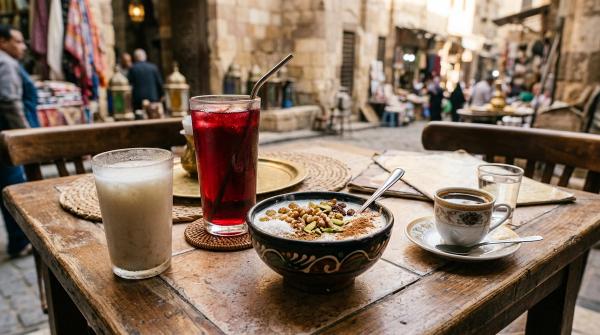
Sooner or later, a West African food day calls for something cold.
Maybe you have been weaving through a busy market in the heat. Maybe you are waiting for grilled meat to come off the fire. Maybe there is a plate of jollof rice, thieboudienne, fried plantain, peanut stew, or spicy fish in front of you, and water just does not feel like enough.
Then someone hands you a chilled drink. It might be deep red and tart, creamy and tangy, or sharp with fresh ginger. And suddenly the whole meal makes more sense.
That is the beauty of West African street drinks.
They are not just “soft drinks” in the background. They are part of the food culture: homemade, colorful, refreshing, and full of personality. For travelers, especially those who do not drink alcohol, they are one of the easiest and most enjoyable ways to taste local flavors.
This guide focuses on three drinks you are likely to meet again and again: bissap, baobab juice, and ginger drink, also known in different places as sobolo, zobo, bouye, and gnamakoudji.
Quick Answer Summary
#West African street drinks are usually non-alcoholic drinks made with ingredients such as hibiscus, ginger, baobab fruit pulp, spices, sugar, and water. The three classics to know are:
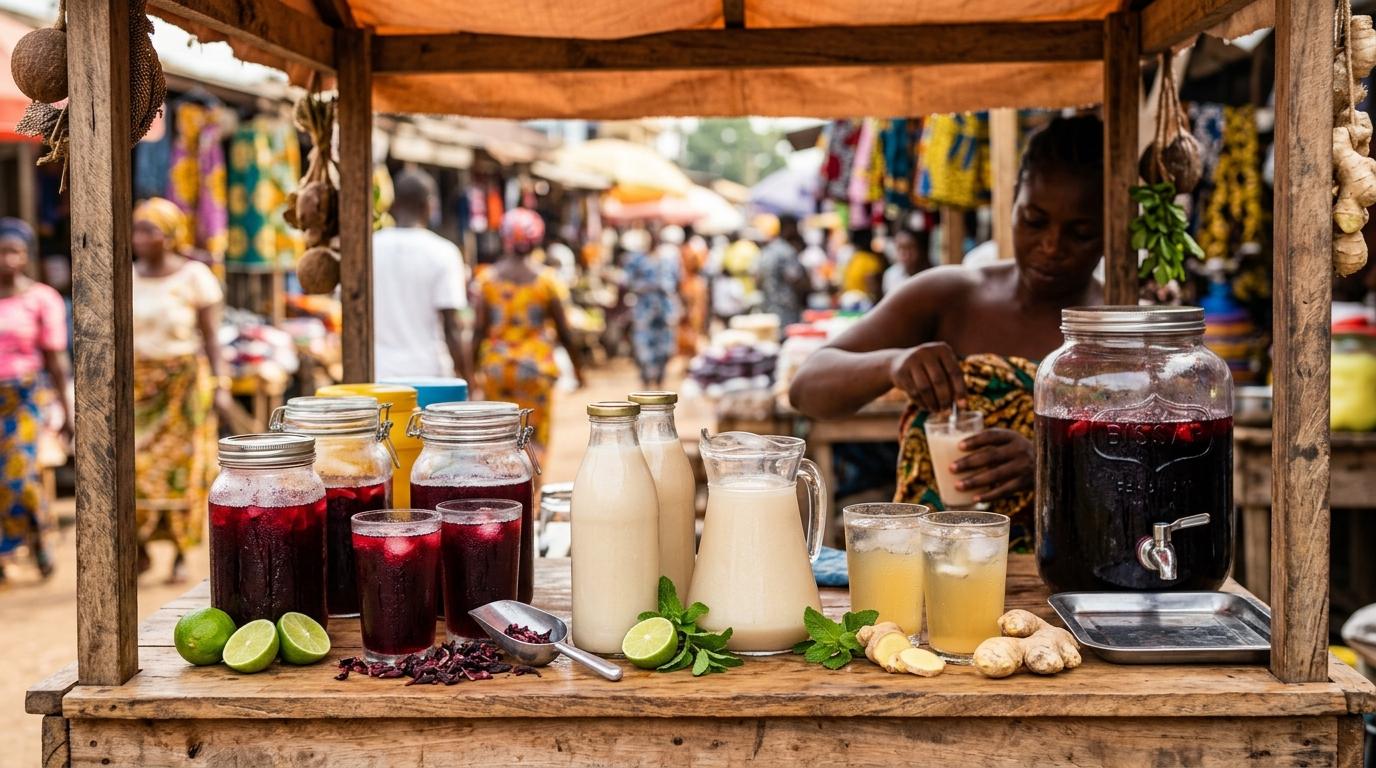
- Bissap, sobolo, or zobo: a deep red hibiscus drink that is tart, floral, fruity, and often sweet.
- Bouye or baobab juice: a creamy, tangy drink made from baobab fruit pulp, sometimes with milk.
- Gnamakoudji or ginger drink: a strong, spicy ginger beverage sometimes called West African ginger beer, though it is usually non-alcoholic.
When buying from street stalls, pay attention to how the drink is stored, whether ice is added, and whether the vendor’s setup looks clean. If your stomach is sensitive, start with established cafés, restaurants, or sealed bottled versions when available.
Also, be ready for sweetness. Many traditional versions are made quite sweet.
Why These Drinks Matter to Food Travelers
#West African drinks are not just there to fill a glass. They change the way a meal feels.
A cold bissap can cut through smoky grilled meat. A fiery ginger drink can hold its own next to fried snacks and spicy sauces. A creamy glass of bouye can soften the heat of peppery food. They refresh, balance, and sometimes wake you up a little.
They are also a gift for travelers who do not drink alcohol. In many West African restaurants, especially abroad, the non-alcoholic drinks can be more interesting than the cocktails. Instead of settling for soda, you can ask for bissap, sobolo, zobo, baobab juice, bouye, ginger drink, or gnamakoudji.
The names change from country to country, and even from household to household. But the idea is familiar across the region: local ingredients turned into cold, flavorful drinks made for sharing.
Bissap, Sobolo, or Zobo: The Hibiscus Drink Travelers Notice First
#If one drink stops you by color alone, it is probably bissap.
It is usually a deep red or purple-red drink made from dried roselle hibiscus. Depending on where you are, you may hear it called bissap, sobolo, or zobo.
What bissap tastes like
#A good bissap drink is tart, floral, and refreshing. People often compare it to cranberry juice because of the sharpness, but hibiscus has its own flavor: brighter, more floral, and a little earthy.
Most versions are sweetened, and some are very sweet. Depending on the recipe, bissap may also include mint, ginger, cloves, cinnamon, pineapple, vanilla, or other aromatics.
Some versions are clean and crisp. Others are spiced, syrupy, and almost dessert-like.
Where you might find it
#You may see bissap sold:
- In chilled bottles at markets or small shops
- In tied plastic bags from street vendors
- In large jugs or coolers at food stalls
- At cafés and casual restaurants
- On menus at West African restaurants abroad
In Ghana, ask for sobolo. In Nigeria, look for zobo. In Senegal and many Francophone settings, bissap is the name you will hear most often.
How to order it
#At a restaurant or café, you can ask:
- “Do you have bissap?”
- “Is it very sweet?”
- “Can I have it less sweet?”
- “Can I have it without ice?”
At street stalls, the drink is often made in a large batch, so the sugar level is usually already fixed. If you care about sweetness, cafés and restaurants may give you more flexibility.
A cautious health note
#Hibiscus is widely enjoyed, but concentrated hibiscus may not be suitable for everyone in large amounts. If you are pregnant, nursing, or taking medication that could be affected by hibiscus, it is smart to check with a healthcare professional before drinking it regularly.
That does not mean one glass should make you nervous. It is just worth knowing, especially if you are traveling and trying many new things at once.
Baobab Juice or Bouye: Creamy, Tangy, and Unlike Anything Else
#Baobab juice, often called bouye in Senegal, is made from the fruit of the baobab tree. The fruit pulp is naturally dry and powdery, with a tangy flavor. It is mixed with water, sometimes milk, and then strained or blended into a drink.
If bissap is bright and sharp, bouye is softer, creamier, and more mellow.
What baobab juice tastes like
#Bouye is tangy, lightly fruity, and gently sweet. The texture can be smooth and creamy, or slightly chalky in a pleasant way. Some versions are thin and refreshing. Others are richer, almost like a light milk drink.
It is not the easiest flavor to describe if you have never had it before. Think creamy, tart, fruity, and a little earthy all at once.
What to watch for
#Because bouye is usually mixed with water, and sometimes milk, hygiene matters.
If you are buying it from a street stall, take a quick look before you order:
- Is it chilled?
- Is the container covered?
- Does the stall look clean?
- Are cups being handled properly?
- Is it served in sealed bottles or bags?
If you have a sensitive stomach, try bouye first at a restaurant, café, or from a sealed bottle where available. You still get the experience, but with a little less risk.
How to pair it
#Bouye works beautifully with spicy food. Its creamy texture can calm peppery heat and make bold dishes feel more balanced.
Try it with:
- Spicy stews
- Grilled meat
- Peppery rice dishes
- Fried snacks
- Hot sauces or chili-heavy meals
Just keep in mind that bouye can be filling, especially if it is made with milk. If you are about to eat a big meal, start with a small glass.
Ginger Drink or Gnamakoudji: The Fiery West African Ginger Beer
#The phrase West African ginger beer can be confusing, because in many places it does not mean alcoholic beer.
Most of the time, people are talking about a strong ginger drink made with fresh ginger, water, sugar, and sometimes citrus, mint, pineapple, or spices. In parts of West Africa, especially Francophone areas, it is called gnamakoudji.
What it tastes like
#Gnamakoudji does not whisper. It arrives.
It is spicy, sharp, warming, and refreshing all at once. Even served ice-cold, it can leave a little heat in your throat. If you are used to mild ginger ale, this may feel much stronger.
Some versions are lightly sweet. Others are very sweet. Some are smooth, while others have a serious ginger burn. That heat is part of the fun, but it can surprise you on the first sip.
Why non-drinkers often like it
#For travelers who do not drink alcohol, ginger drink can feel more grown-up than soda. It has bite. It has energy. You can sip it slowly with a meal instead of feeling like you are just drinking something sugary on the side.
If you love bold flavors, order it. If you are sensitive to spice, ask how strong it is before getting a full glass.
Best food pairings
#Ginger drink is especially good with rich, fried, smoky, or spicy food.
Try it with:
- Fried plantain
- Grilled meat
- Fried fish
- Savory snacks
- Spicy rice dishes
- Peppery sauces
The ginger cuts through heaviness and stands up to bold seasoning, which is why it works so well with street food.
Street Stall Hygiene and Ice Checks
#Street drinks can be one of the best parts of eating your way through West Africa. They can also be where travelers need to pay a little extra attention.
This is not about being scared. It is just practical travel common sense.
Look at the stall before you order
#Before buying a drink, pause for a moment and observe.
Ask yourself:
- Is the drink covered?
- Is it kept cold in a cooler or refrigerator?
- Are cups, bottles, or ladles handled cleanly?
- Does the vendor have steady customers?
- Is the stall area reasonably clean?
- Are drinks pre-bottled, bagged, or poured into reusable cups?
A busy stall does not guarantee safety, but fast turnover is usually a good sign. Covered containers, clean handling, and chilled storage are also reassuring.
Be careful with ice
#Ice is easy to forget about.
A drink can look perfectly fine, but the ice may have been made with water your body is not used to. If you are unsure, ask for the drink without ice. A chilled bottle or sealed bag is often the better choice.
At restaurants abroad, ice may be less of a concern, especially where filtered water and standard food safety practices are used. Still, when traveling, it is always fine to ask.
Think about water
#Many street drinks are mixed with water. That is normal. The question is whether the water source will agree with your stomach.
If you have just arrived, have a sensitive stomach, or often get sick from water when traveling, start slowly. Try drinks from established cafés, restaurants, or sealed bottled options first. Once you feel settled, you can decide how adventurous you want to be.
Plastic bag drinks
#In some places, cold drinks are sold in small tied plastic bags. If you have not seen this before, it may surprise you, but it is very common and practical.
To drink it, you usually bite or tear a tiny corner and sip from the bag. Go slowly. If the bag is very full and you squeeze too hard, you may end up wearing half of it.
Just make sure the bag looks clean and properly sealed before drinking.
Ordering Tips for Non-Drinkers
#West African street drinks are excellent options for travelers who avoid alcohol. Still, it helps to ask a few clear questions.
Ask what is non-alcoholic
#Most bissap, sobolo, zobo, bouye, and gnamakoudji served at street stalls and casual restaurants are non-alcoholic. But if you are unsure, ask.
Useful questions include:
- “Is this non-alcoholic?”
- “Is it homemade?”
- “Is it very sweet?”
- “Does it have milk?”
- “Can I have it without ice?”
- “Can you make it less sweet?”
Ask about milk if needed
#Bouye may be made with only water, or it may include milk. If you avoid dairy, always ask before ordering baobab juice.
Bissap and ginger drink are usually water-based, but recipes vary, so it never hurts to check.
Start with one glass
#If you want to taste several drinks, start small.
These drinks can be sweeter, stronger, or more filling than expected. Ginger drink may feel exciting at first and intense by the end. Bouye can be richer than it looks. Bissap may be much sweeter than you imagined.
Try one, enjoy it, then move on to the next.
Food Pairings: What to Drink With What
#There are no strict rules, but a few pairings make natural sense.
Bissap with smoky and rich food
#Bissap’s tartness works well with rich, smoky, or oily dishes.
Try it with:
- Grilled meat
- Suya
- Dibi
- Jollof rice
- Peanut stew
- Fried snacks
The acidity brightens the meal and keeps rich food from feeling too heavy.
Ginger drink with fried and spicy food
#Gnamakoudji is great when the food is bold, fried, or heavily seasoned.
Try it with:
- Fried plantain
- Grilled fish
- Fried fish
- Savory snacks
- Peppery rice dishes
Its ginger heat gives the meal a little extra spark.
Bouye with spicy dishes
#Baobab juice is creamy, tangy, and calming, which makes it a good match for spicy food.
If a dish turns out hotter than expected, bouye can be a comforting choice. Just remember that it may be filling, especially if it contains milk.
Sweetness Cautions, Because These Drinks Can Be Very Sweet
#Many traditional West African drinks are made for refreshment, generosity, and celebration. Sweetness is often part of that.
But if you prefer lightly sweet drinks, your first sip may surprise you.
Street versions are often made in large batches, so the sugar level is usually fixed. In cafés or restaurants, you may be able to ask for less sugar if the drink is made to order.
If you are watching your sugar intake, treat these drinks like sweet beverages, not like plain tea or water.
What to Try First
#If you are new to non-alcoholic African drinks, here is a simple way to begin:
- Start with bissap or sobolo if you like tart, fruity, floral drinks.
- Try gnamakoudji if you enjoy ginger, spice, and strong flavors.
- Choose bouye if you want something creamier, tangier, and more filling.
If you are at a West African restaurant abroad, ask the staff what they recommend with your meal. You may get a house version tied to a specific country, family recipe, or regional style.
That is part of the fun. These drinks are familiar across borders, but they are never exactly the same everywhere.