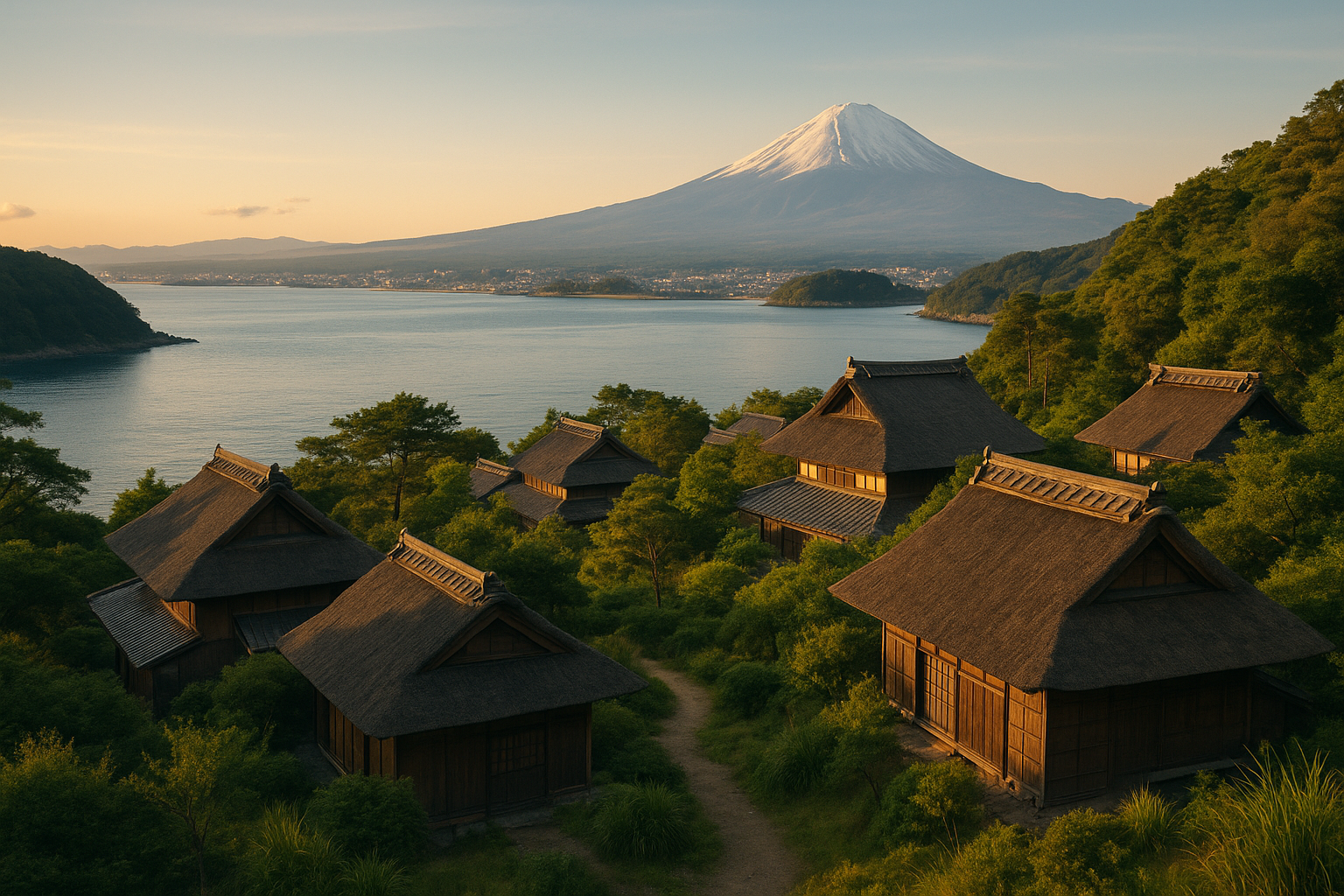
So, um, I didn't just go to Japan. I kind of fell down the rabbit hole. You know how we talk about “seasons” like winter, summer, monsoon etc? Japan took that idea, sliced it into 72 tiny pieces and said, this is our year. These tiny slices are called microseasons – like “spring winds melt the ice” or “rice seedlings grow thick”. It sounds poetic, but when you travel around one microseason, the whole vibe of the country actually feels different.
I did a 10‑day trip where I tried to time it to one microseason around early spring, and trust me, planning the itinerary around those little seasonal moments changed the whole trip. It wasn’t just “go see Tokyo, Kyoto, Osaka”. It was more like, ok, this 10 days is about plum blossoms, warming weather, seasonal sweets, limited edition drinks, local festivals… and of course, how much my poor Indian wallet can handle in yen.
First, What the Heck Is a Microseason & Why You Should Care
#Basically, the traditional Japanese calendar splits the year into 24 solar terms and each of those into 3 microseasons. So 24 x 3 = 72 tiny moods of nature. Stuff like:
- “East wind melts the ice” – when winter is still there but kind of loosening up
- “First cherry blossoms” – pretty obvious and crazy popular for tourists
- “Cold rains sometimes fall” – moody, very anime weather vibes
For us as travellers from India, planning a 10‑day “microseason trip” basically means: instead of randomly picking dates, you time your travel to a very specific natural moment. For example, plum blossoms in late Feb/early March, fireflies in early June, or red maple leaves in November. And then you choose locations that really show that off.
Best Time from India for a Microseason Trip (And Flight / Budget Reality Check)
#From India, honestly the most practical microseason windows for 10 days are:
- Late Feb – mid March: plum blossoms, early sakura in some areas, still chilly but manageable with layers
- Late March – mid April: famous cherry blossom microseasons, peak crowds, peak prices, peak Instagram
- Late Oct – late Nov: autumn foliage, crisp air, gorgeous light for photos, slightly less tourist chaos than sakura
- Early June: rainy season starting but amazing green landscapes, hydrangeas, and slightly lower hotel prices
From Delhi / Mumbai / Bangalore, return flights to Tokyo usually hover around ₹45,000–₹80,000 depending on airline and timing. Directs with ANA/JAL can be expensive but super comfortable, while one-stops via Singapore, Bangkok, KL, Doha etc can be cheaper. If you’re planning around a popular microseason like full sakura, prices will spike, so book at least 2–3 months in advance.
Japan is open now for individual tourism with normal visa rules. For Indians, you still need to apply for a short‑term tourist visa through the Japanese embassy/consulate or VFS, and they really like proper documents: ITRs, bank statements, confirmed itinerary etc. Safety‑wise, Japan is still one of the safest places I’ve ever walked around, even late night in Tokyo. Just be mindful of their rules – mask usage is more relaxed than during Covid peak, but people still wear it in crowded trains or when unwell, and no one is loud on trains. I had to keep reminding myself, bro, this is not Delhi Metro.
Rough 10-Day Microseason Itinerary (Tokyo–Hakone–Kyoto–Nara–Osaka)
#I’ll share the basic structure of what worked for me. You can plug this into different microseasons – just tweak specific spots to match the seasonal highlight (plum vs sakura vs autumn leaves etc).
Very rough flow:
- Day 1–3: Tokyo – city energy + seasonal parks + markets
- Day 4: Hakone – hot springs, Fuji views if weather uncle is kind
- Day 5–7: Kyoto – temples + seasonal gardens + traditional streets
- Day 8: Nara – day trip for deers and ancient vibes
- Day 9–10: Osaka – food, nightlife, last‑minute shopping
This fits nicely with a 7‑day JR Pass (if you activate it from Day 4 or 5 onwards), though these days you must calculate if a pass is actually worth it. With recent JR price hikes, sometimes point‑to‑point tickets are cheaper depending on your route. For long shinkansen legs like Tokyo–Kyoto–Osaka, still usually worth checking passes though.
Tokyo (Days 1–3): Microseason in the Big City
#My microseason was around early spring, when plum blossoms were popping but full sakura hadn’t gone crazy yet. Tokyo in that time feels like winter is leaving but still doing drama. Cold wind but sun suddenly hits your face and you’re like, ok, life is not that bad.
If you’re doing any spring microseason, I’d say:
- Hit Ueno Park and Shinjuku Gyoen: even before full cherry blossoms, you get early bloomers, plum trees, and seasonal wagashi (traditional sweets) in nearby cafes.
- Walk around Yanaka Ginza: old-school shitamachi area, small shops, cats everywhere, seasonal snacks changing constantly.
- In autumn microseason, swap Ueno for Rikugien Garden or Hama‑rikyū – their autumn light and maples are insane.
Accommodation wise, for a mid‑range Indian traveller, you’re looking at around ¥8,000–15,000 per night (roughly ₹4,500–₹9,000) for a clean business hotel or small hotel room. Capsule hotels and hostels start from ¥3,000–5,000, but if you’re not used to sleeping in a tiny pod, first night can feel… like sleeping in a drawer.
I stayed in Asakusa in a small hotel, which was perfect. Senso‑ji temple at sunrise feels totally different in each microseason. In spring there were stalls selling seasonal sweets, and in autumn they had roasted sweet potato carts. One aunty there saw me struggling with coins and just laughed and helped me pay – she didn’t speak English, I barely speak Japanese, but somehow, money always finds its way.
Hakone (Day 4): Onsen Weather & Fuji Mood Swings
#Btw, here’s something cool I didn’t really plan – the microseason changes how onsen (hot spring) towns feel. In winter or early spring, soaking in an outdoor onsen while cold wind hits your face is legendary. In shoulder seasons like late spring or autumn, the scenery is the main character.
Hakone is super easy from Tokyo using the Romancecar or regular trains. Once there, grab the Hakone Freepass which covers buses, ropeways, pirate ship on Lake Ashi etc. I stayed in a ryokan (traditional inn) with half‑board, around ¥18,000 per person (with dinner and breakfast). It was expensive for my budget but honestly, worth it as a one‑night splurge.
For microseason travellers:
- Spring: misty mountains, a few leftover patches of snow, early flowers, perfect for onsen.
- Autumn: the hills around Hakone turn pure red and gold. So many domestic tourists come just for that color.
- Rainy season: more clouds, but the moss and greenery feels like Ghibli movie.
Fuji was shy the day I went. Barely peeped out of the clouds over Lake Ashi. I still did the ropeway over Owakudani where they sell those black eggs boiled in volcanic water. There’s a belief eating one egg adds seven years to your life. I ate two, so now I am basically immortal, no?
Kyoto (Days 5–7): Where Microseasons Actually Hit You Emotionally
#Kyoto is where I really felt this microseason concept. In Tokyo, seasons are there but mixed with neon and trains. In Kyoto, the trees, temples, river, even the sweets shops – everything changes with the season, properly.
In my 10‑day plan, I made Kyoto the core of the microseason. If you’re going during:
- Early spring microseason: focus on plum blossoms at Kitano Tenmangu, early sakura near Philosopher’s Path, and seasonal matcha sweets in Gion.
- Cherry blossom microseason: Maruyama Park, Kiyomizu‑dera night illuminations, and walking along Kamogawa river in the evening.
- Autumn microseason: Eikando, Tofuku‑ji, and Arashiyama for foliage – some temples have night light‑ups that feel straight out of a painting.
Stay somewhere with easy bus / subway access because Kyoto’s bus network can get crowded. I stayed near Karasuma Oike, business hotel style, around ¥9,000 per night. Honestly very decent – compact but super clean, heated toilet, pajamas in the room (which I absolutely stole the vibe of, not the actual pajamas 😅).
One evening I was walking near Pontocho Alley, and a small sweets shop had a sign for seasonal wagashi inspired by that microseason – something like “mists over the river” made from bean paste and translucent jelly. I had no clue what was inside, just pointed and ordered. It was delicate, mildly sweet, and I suddenly understood why Japanese people get poetic about weather. Meanwhile, me and my friend from Bangalore were like, "Bro this is next level, our kaju katli is feeling very basic right now."
Food Tips for Indians in Kyoto
#I won’t lie, as an Indian you might miss spice after day 3. But Japanese food is so seasonal it’s actually fun to hunt the limited stuff.
- Look out for seasonal bento in convenience stores – Lawson/7‑Eleven often have microseason-inspired packaging and ingredients.
- Try seasonal frappes / lattes at chain cafes – sakura latte, chestnut latte in autumn, matcha everything in Kyoto.
- If you’re vegetarian, download HappyCow app. Kyoto has decent veg/vegan cafes, especially around Kawaramachi and near temples.
Budget for food: If you mix konbini meals (¥500–800), local noodle shops (¥800–1,200) and occasional nice dinners (¥2,000–3,000), an average of ¥2,500–3,500 per day on food is realistic if you’re not going full luxury.
Nara Day Trip (Day 8): Deers, Temples & Chill Vibes
#Nara is like that calm cousin who doesn’t talk much but always has nice stories. From Kyoto or Osaka, it’s an easy day trip. I took a morning train from Kyoto, around 1 hour.
The microseason impact here is subtle but beautiful – in spring, the lawns around Todai‑ji temple are soft green, trees slowly flowering. In autumn, the park is full of crunchy leaves and very aesthetic deer photos. Those deers though… they look cute but some of them will straight up bully you for biscuits.
There are deer crackers you can buy, and they actually bow if you bow to them. Not joking. One deer bowed so nicely and then almost head‑butted me because I was too slow to feed him. Don’t mess with hungry deers.
Osaka (Days 9–10): End with Food & Neon
#For the last two days of a microseason trip, I liked ending in Osaka. It’s less “poetic nature” and more “I will eat till I drop”. The seasonal feeling shows up more in food and fashion here – limited edition street snacks, seasonal takoyaki toppings, different flavours of KitKat and drinks in convenience stores.
Around Dotonbori, you’ll see giant signboards and queues for famous places. But don’t just follow only the TikTok spots. I randomly ducked into a tiny izakaya (Japanese pub) in a side street where the owner had a seasonal menu board with small plates, including grilled seasonal fish and veggies. He saw us struggling and just brought three recommendations, all fantastic. We used Google Translate to chat; he said he gets many travelers these days, but Indians are still relatively few compared to Western tourists.
Osaka hotels near Namba / Shinsaibashi area are great for nightlife and transport. Expect similar prices as Tokyo: ¥8,000–14,000 per night for midrange. For budget, there are hostels in the ¥3,000–5,000 range as well.
Money, Transport & Practical Stuff (From an Indian Lens)
#A few real talk points that I wish someone had broken down for me:
- IC Cards: Suica/PASMO in Tokyo area, ICOCA in Kansai – nowadays many are digital via smartphone. Super handy for trains, convenience stores etc.
- JR Pass: With new prices, calculate carefully. For my Tokyo–Hakone–Kyoto–Nara–Osaka loop, a 7‑day pass was roughly break even with some flexibility. For shorter routes, you might skip it and buy individual shinkansen tickets.
- Cash vs card: Japan is much more cash‑friendly still, but QR and card usage has grown a lot. I used a mix of forex card + some yen cash. Small shrines, local buses, and old shops often prefer cash.
- Indian sim vs eSIM: I just took an eSIM data plan bought online, activated at Narita airport Wi‑Fi, worked fine across cities.
One thing: don’t underestimate how much walking you’ll do. Some days I clocked 25,000+ steps. Wear good shoes, not some fancy thing just for Instagram. My friend wore new sneakers and by Day 3 his feet were dead, he was walking like a retired grandfather.
How to Actually Choose Your Microseason
#If you’re planning now or even for next year, here’s how I’d think about it:
- Decide your vibe: flowers, autumn colours, snow, or lush green rainy moods.
- Check Japan’s 72 microseasons calendar online (there are English translations now).
- Match it with Indian holidays / your leave situation. 10 days + 2 travel days is perfect.
- Look at festival schedules – Kyoto, Tokyo, and local areas have events specific to that microseason, like illuminations, special shrine rituals etc.
Sakura microseason is obviously super tempting, but also the most crowded and expensive. Honestly, I feel late February plum season or mid‑November autumn season is nicer for a first trip. Slightly quieter, still insanely beautiful, and accommodation is a little easier to book.
Final Thoughts: Japan Feels Different When You Travel by Microseason
#When I came back home to India, what stayed in my head wasn’t just the big famous places. It was those small shifts – how the konbini drinks changed, how people talked about weather, different limited edition snacks, the colour of trees along Kamogawa, the way everyone pauses to notice one flower that just opened.
If you plan your 10‑day trip loosely around one microseason, you’ll automatically slow down and pay attention. You won’t try to “do all of Japan” (please don’t, 10 days is short). Instead, you’ll do a few places deeply, in one very specific mood of the year. And that, honestly, makes it feel less like typical tourism and more like… you lived there for a tiny moment.
Anyway, if you’re still figuring out your dates or routes, keep this microseason idea in mind when you’re scrolling for inspo. And if you want more chilled, real‑talk travel stories and itineraries like this, I’ve found a lot of good stuff on AllBlogs.in – proper desi perspectives, not just generic copy‑paste guides.