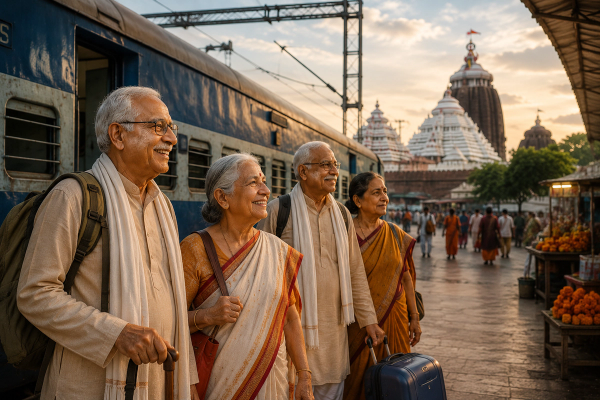
Every summer, same story. The plains start feeling like a giant tandoor, ceiling fans become decorative items, and suddenly everyone is searching "cool places in India in summer" like their life depends on it. Mine kinda did too, not gonna lie. Over the last few years I’ve done the usual hill stations, then got a bit tired of the crowds, the selfie chaos, the insane hotel surge pricing, all of it. So I started looking beyond the obvious Shimla-Manali-Mussoorie circuit and found something way better — smaller hill towns, quieter roads, cleaner air, slower mornings, and that nice feeling that you’ve stumbled onto a place before it became too famous.
This list is basically for people who want a proper cool summer escape in India but don’t want to spend the whole trip stuck in traffic behind ten Innovas and one angry tourist bus. These are hidden hill towns, or at least hidden-ish. Some are slowly getting noticed now, sure, but they still have that local, unhurried vibe. I’ve either stayed in these places or passed enough time there to tell you what actually matters — weather, roads, stay options, food, what to skip, what to wake up early for, and where your network might just vanish. Which, honestly, can be a blessing.
If you ask me, the best hill town is not always the prettiest one on Instagram. It’s the one where you sleep with a blanket in May, drink chai looking at pine or tea gardens, and don’t hear honking every 40 seconds.
1) Tirthan Valley, Himachal Pradesh — not exactly a town, but wow, what a breather
#Okay so Tirthan is technically more of a valley with small villages like Gushaini and Nagini, but people usually use the name like one place. And honestly, for a summer break, it’s gold. It sits near the Great Himalayan National Park side, and the whole vibe is softer than the louder Himachal spots. River on one side, deodar forests, trout farms, wooden homestays, sleepy dogs, and evenings that turn chilly fast. I went there after a noisy work month and I swear the sound of the river fixed my mood before anything else did.
Best months are April to June for cool weather and clear days, though even post-monsoon is lovely if roads are fine. Budget homestays usually start around ₹1,500 to ₹3,000 a night, nicer riverside cottages can go ₹4,500 to ₹8,000 or more in peak season. Jalori Pass day trip is worth it if the road is open, and from there Serolsar Lake trek is easy enough for normal people, not just hardcore trekkers. Food is mostly simple North Indian, trout if you eat fish, maggi in viewpoints because of course. Important thing — roads in Himachal can change mood very quickly after rain, so check local updates before leaving Aut. And carry cash. UPI works in many places now, but not everywhere all the time.
2) Chaukori, Uttarakhand — the kind of quiet that feels unreal
#Chaukori is one of those places people from Uttarakhand mention casually and you think, wait, why is everyone not talking about this? It’s in Kumaon, and on a clear day the Himalayan views are just ridiculous. Nanda Devi, Panchachuli, all that snowy drama right in front of you. But unlike more commercial hill stations, Chaukori still feels small and personal. Less market madness, more tea gardens and long silences.
I stayed in a basic room with a balcony, probably one of the best value stays I’ve had in the hills. Morning tea there hit different, no fancy café needed. Expect guesthouses and mid-range hotels roughly from ₹1,200 to ₹4,500. This is not a nightlife place at all, so don’t come expecting mall road energy. Come for sunrise, walks through tea estates, and nearby village drives. Summers stay pleasant, usually light woollens for early mornings are enough. Road approach from Almora side is scenic but winding, so if you get motion sickness, pls don’t act brave and skip the medicine. You’ll regret it. Badly.
3) Yercaud, Tamil Nadu — a calmer South India hill break that people weirdly ignore
#When people think cool summer places in South India, they jump to Ooty or Kodaikanal first. Fair enough. But Yercaud in the Shevaroy Hills is easier, quieter, and often less expensive. It’s near Salem, so accessibility is pretty good, and the temperature drop feels amazing after the heat below. Coffee plantations, orange groves, viewpoints, old-school lake boating, slightly faded charm... I liked that it didn’t try too hard to impress me.
Summer weekends can get busier now than before, especially with short-road-trip crowds, but it’s still manageable. Stay options range from budget lodges around ₹1,000-₹2,000 to plantation stays and decent resorts between ₹3,500 and ₹7,000. Try local filter coffee, pepper chicken, and simple Tamil meals instead of only café food. If you like viewpoints, Lady’s Seat is nice, though honestly I enjoyed random roadside stops more. Good place for families too because the roads are decent and it’s not too physically demanding. Just avoid public holiday rush if possible, otherwise parking becomes a whole thing.
4) Shoja, Himachal Pradesh — tiny, misty, and almost suspiciously pretty
#Shoja feels like a place someone made up while half asleep. Small village, wooden homes, clouds moving in and out, birds going mad in the mornings, and this sense that time forgot to speed up here. It’s close to Jalori Pass, so many people club it with Tirthan, but I think Shoja deserves its own spot. It’s more intimate somehow. Less to 'do', more to feel. Yeah that sounds cheesy, but true.
Accommodation is mostly homestays, cabins, small guesthouses — around ₹1,800 to ₹5,500 depending on the view and season. If you need luxury with ten amenities, this isn’t really that place. But if you want a blanket, mountain air, home-cooked rajma-chawal, and a porch with fog rolling through, perfect. There are lovely short walks around, and birdwatchers get weirdly excited here. Network can be patchy. I actually loved that, though at one point I had to walk downhill to send one urgent message, so... mixed feelings. Safety-wise it’s peaceful, but monsoon months can bring landslide-related delays, so summer is easier.
5) Landour, Uttarakhand — not fully hidden, but still far softer than Mussoorie below
#Yes yes, some people will say Landour is not hidden. Fine. But compared to Mussoorie’s main drag, it absolutely feels like an escape. Upper Landour has old cantonment charm, colonial houses, steep lanes, deodars, and cooler air without as much commercial mess. I like going there early morning before the bakery queues and weekend crowd thicken up. That hour, with the mist and dogs and church bells, is kinda magic.
Stays are pricier than some others on this list. Think ₹3,500 on the lower side and easily ₹8,000+ for boutique properties, especially in peak summer. Worth it if the budget allows, not gonna lie. Café culture is strong here now, but don’t reduce Landour to cinnamon rolls and photos. Walks to Sister’s Bazaar, quiet corners near Kellogg church area, and old viewpoints are the real thing. Since it’s cantonment territory, respect silence and local rules. Parking is limited, roads are narrow, and weekends are chaotic, so weekdays are much better. Also, if you’re taking parents along, choose a stay carefully because the slopes are no joke.
6) Jibhi, Himachal Pradesh — now trending, still lovely if you go a little slower
#Jibhi is no secret-secret anymore. Reels found it, of course they did. Still, once you step away from the busiest cluster and stay by the stream or in nearby hamlets, it remains beautiful. Wooden bridges, waterfalls, pine forests, cafés with lazy dogs, and those A-frame cottages people are obsessed with. Some of it is overhyped, some of it deserves the hype.
Current prices have gone up a lot compared to a few years back. Budget beds can still be found from ₹800-₹1,200 in hostels or basic rooms, but nice cottages and boutique stays usually sit around ₹3,000 to ₹9,000 depending on season and aesthetics, because apparently aesthetics cost extra now. Best time is March to June and then again September-November. The Jibhi waterfall is easy, Chehni Kothi side trips are interesting, and café food is decent though a bit repetitive after two days. Please don’t expect proper ATMs and super smooth internet everywhere. Workation people come here a lot, but backup dongle plus patience is necessary. Like, very necessary.
7) Chatpal, Jammu & Kashmir — green, raw, and still under most people’s radar
#This one surprised me big time. Chatpal, in south Kashmir’s Shangus area, has that open meadow-and-forest look that makes you stop talking for a sec. It’s not polished tourism, which is exactly why I liked it. The road journey itself is scenic, and once you reach, the whole area feels fresh, uncrowded, and almost old-world. In summer, it’s properly cool without being freezing. Perfect for people who want Kashmir scenery without rushing only to the usual names.
Now, practical bit. Travel conditions in Jammu & Kashmir can change depending on weather and local administration advisories, so always check the latest on-ground situation before finalising. That’s just common sense. Stay options here are limited compared to Srinagar or Pahalgam, mostly guesthouses, JKTDC type properties when available, and local homestay-style arrangements. Budget maybe ₹1,500 to ₹4,000 in many cases, though availability shifts. Carry essentials, warm layers for night, and don’t come expecting polished luxury. But the landscape... honestly, gorgeous. If you’re respectful and travel sensibly, it can be one of the most rewarding quiet escapes.
8) Ziro, Arunachal Pradesh — cool air, pine hills, and a completely different rhythm
#Ziro is one of those places that stays with you. Not just because it’s pretty, though it really is, but because the cultural vibe feels different from typical hill station tourism. Apatani villages, paddy fields, bamboo houses, pine-covered slopes, cooler weather, and a kind of gentle stillness that’s hard to describe without sounding dramatic. I went in a shoulder season and that was ideal — fewer crowds, softer light, and enough time to just sit and watch village life without being in a hurry.
For Indian travellers, permits are usually part of planning Arunachal trips, so check the latest Inner Line Permit rules before going. Don’t leave this for the last minute. Accommodation has improved a lot — homestays, guesthouses, boutique eco-stays. Rough range ₹1,500 to ₹6,000, and festival periods obviously cost more. Local food can be simple but really good, with smoked meats, rice, thukpa-style meals, and lots of seasonal variation. If you hear about the Ziro Music Festival, yes it’s popular, but outside festival dates the place is calmer and in some ways better. Roads can be tiring from Assam side, so keep buffer time. Northeast travel rewards patience, that’s what I learnt.
9) Haflong, Assam — a hidden hill town that people somehow keep forgetting
#The only hill station in Assam, and still so many people skip it. Haflong has lakes, rolling hills, viewpoints, birds, and a nice mix of cultures. It doesn’t scream for attention, which maybe is why I found it refreshing. There’s a worn-out charm to parts of it, sure, but that’s not a bad thing. The evenings are cool, and if you get a room overlooking the hills, you’ll understand why it deserves more love.
Rail connectivity and road connectivity have improved in phases, though travel time can still be longer than maps make it seem. Hotels and guesthouses are available around ₹1,200 to ₹4,500, with a few better properties going higher. Try local-style meals if you can arrange them, not just standard hotel paneer-butter-masala stuff every night. Nearby viewpoints and Haflong Lake are easy additions. Weather is best in the cooler months and summer shoulder period, while monsoon can get very heavy. Do check rainfall forecasts, because Northeast rain does not play around. At all.
10) Kalpa, Himachal Pradesh — for mountain drama without the Manali circus
#Kalpa in Kinnaur is not unknown, but compared to major Himachal hill stations, it still feels wonderfully understated. And the view of the Kinner Kailash range? Unreal. Sharp peaks, apple orchards, Buddhist-Hindu cultural mix, prayer flags, wooden architecture — it all comes together beautifully. Summer days are pleasant and nights can get properly cold, which is exactly what a summer escape should do in my opinion.
The route from Shimla side is long but stunning. Also tiring. Don’t underestimate distances in Himachal because a 220 km mountain drive can feel like a full-day emotional event. Rooms can start around ₹1,500-₹2,500 in basic guesthouses and go up to ₹6,000 or more for good-view hotels. Try local Kinnauri food where available, though options can be limited in smaller properties. Suicide Point gets mentioned a lot, but I preferred just walking through villages and watching the evening light hit the peaks. If you continue toward Sangla or Chitkul, even better. Just keep an eye on road updates because landslides and repair work happen pretty often.
11) Kurseong, West Bengal — Darjeeling’s quieter cousin with way less drama
#Kurseong is one of my favourite 'why is nobody talking about this enough?' places. It has tea gardens, toy train history, colonial-era schools, good weather, and fewer tourist crowds than Darjeeling. Not zero crowds, obviously, but less. It also feels more lived-in, less performative. I spent an afternoon just walking through misty roads with little shops selling momos and tea, and genuinely didn’t need an itinerary.
Stays range quite widely — ₹1,200 for simple lodges up to ₹6,500 or more for heritage-ish or tea estate style properties. If you can get a tea garden view room, do it. Local food is a happy mix: momos, thukpa, Bengali meals, Nepali dishes, bakery snacks. Eagle’s Crag viewpoint, Dow Hill area, and tea gardens are easy options. Summer is pleasant, monsoon is lush but wet and foggy, and winter has a charm of its own. One thing though — roads and traffic around the wider Darjeeling hills can become unpredictable during peak vacation dates, so build in extra time. That one saved me from missing a shared cab connection once.
12) Lambasingi, Andhra Pradesh — the cool foggy wildcard
#If someone told me years ago that Andhra has a hill spot where you can actually feel cold and see fog drifting through the trees, I’d have probably raised an eyebrow. But Lambasingi is real, and while it’s more famous in winter for low temperatures, it also works as a refreshing summer break compared to the coastal heat. It’s near Visakhapatnam district side, surrounded by greenery, pepper farms, coffee patches, and that slightly moody weather hill lovers enjoy.
This is not a polished hill station with endless cafes and shopping strips, so go with the right expectations. Early mornings are the best part. Stays are still somewhat limited but growing — basic resorts, cottages, local guest arrangements, usually around ₹1,500 to ₹5,000 depending on comfort. Road trippers from Vizag come often now, especially weekends, so weekday travel is smarter. Carry a light jacket even in warmer months because dawn can feel cooler than expected. Nearby viewpoints and plantations are more the attraction than ticking off monuments. Sometimes that’s enough, actually more than enough.
A few real-world travel tips before you pick your hill town and run
#Summer travel in Indian hills has changed a bit lately. More people are discovering lesser-known destinations, which is great for local tourism but also means hidden places don’t stay hidden forever. So if you want that calm vibe, book early for long weekends, avoid peak holiday dates, and don’t assume you’ll find a walk-in room everywhere. Homestays have become the best option in many of these towns — cheaper than resorts, better food, and usually better local advice too. In several hill areas, state governments have also been stricter about road safety, vehicle checks, and weather-based movement during heavy rain or landslide risk. Good thing, honestly. Listen to local warnings, don’t do hero-giri for content.
- For budget travellers, ₹1,500 to ₹3,000 per night is still possible in many hidden hill towns if you book basic stays and avoid peak dates
- For comfort without going fully luxe, ₹3,500 to ₹7,000 is the sweet spot in most places now
- Carry one warm layer even in May or June because nights can turn unexpectedly cold
- Cash, power bank, offline maps, motion sickness tablets — boring stuff, but lifesavers
- Eat local when possible. Simple pahadi, northeastern, Tamil, or Kashmiri home-style meals often beat the generic menu items
And one more thing, maybe the most important. Please travel gently. These small hill towns are already dealing with waste, water pressure, random construction, and tourist behaviour that is... let’s say not always great. Don’t blast music in quiet valleys, don’t litter, don’t demand city-level convenience in fragile mountain places, and don’t treat locals like background props in your vacation story. A lot of these towns still feel special because they haven’t been fully overrun yet. Let them stay that way.
So, which hidden hill town should you choose?
#If you want rivers and forests, pick Tirthan or Shoja. If Himalayan views matter most, Chaukori or Kalpa. For café-ish mountain energy with some crowd but still charm, Jibhi or Landour. For South India cool weather without the usual chaos, Yercaud or Lambasingi. For culture and a different pace, Ziro. For underrated eastern hill scenes, Kurseong or Haflong. And if you want something raw and less talked about, Chatpal is a strong maybe.
Honestly, you can’t go very wrong with any of these if your goal is simple — escape the heat, slow down a bit, and come back feeling like your head has been aired out. That’s what these places did for me anyway. Some gave me better views, some better food, some better sleep. A couple gave me zero network and weirdly, that was the best gift. If you’re planning your next cool-weather break and want more grounded travel reads like this, have a look at AllBlogs.in. Pretty useful rabbit hole, not even kidding.