Japan was one of those places that sat in my head for years. You know how some countries feel a bit far away, a bit expensive, a bit too polished for your messy travel style? That was Japan for me. I thought it would be amazing, yes, but also confusing, silent, too proper maybe. Then I finally went from India and... honestly, it surprised me in the best way. It’s organised but not cold. Expensive in parts, yes, but not impossible. And for Indians specifically, the best time to visit Japan really depends on what kind of trip you want. Cherry blossoms? Snow? Autumn leaves? Budget shopping? Fewer crowds? It changes a lot month to month. So this isn’t one of those robotic “March good, April good” type guides. I’m telling you what actually feels practical if you’re traveling from India, dealing with long flights, yen conversion panic, food adjustments, and that one family member asking if you’ll get proper veg food there.
Also, quick useful bit before we get into the months. Japan is generally very safe, super clean, and public transport is absurdly efficient. Like, embarrassingly efficient if you compare it with our daily train drama back home. Indian passport holders usually need a visa before travel, and rules can update, so please check the Japanese embassy or VFS site before booking anything. Flight prices from Delhi, Mumbai, Bengaluru and Chennai go up sharply in cherry blossom season and autumn, while winter and the rainy stretch can be better value. Typical budget? A decent mid-range trip from India can easily cost ₹1.2 lakh to ₹2.2 lakh per person for around a week to 10 days including flights, hotels, transport and food, depending on season. Backpackers can do it cheaper, luxury people can obviously burn money very fast there.
So when is the best time overall? Short answer - late March to April, and then October to November
#If you just want the simplest answer, here it is. For most Indian travelers, the best months are late March to April for sakura season, and October to November for cool weather plus autumn colours. These are the postcard months, and yeah, they’re popular for a reason. Pleasant temperatures, lots happening, easy walking weather, nice light for photos, and less extreme weather compared to humid summer or freezing deep winter. But... and this is a big but... they are also crowded and pricier. I went during one peak period and one shoulder period, and weirdly, some of my fav moments happened when Japan was less "Instagram famous" and more normal.
If you want the prettiest Japan, go in spring or autumn. If you want the easiest-on-wallet Japan, look at January, February, June or early December. If you want a bit of both, aim for late May or late October.
January to March: cold starts, plum blossoms, then full-on sakura madness
#January in Japan is crisp, quiet-ish after New Year, and kind of underrated. Tokyo, Osaka and Kyoto are cold but manageable if you’re from North India and can handle proper winter layers. Hokkaido is proper snow world. If you love snowfall, skiing, onsen towns and fewer international crowds in cities, January can actually be fantastic. Hotel rates in some cities are better than spring, though ski regions can get expensive. I made the mistake of underpacking thermals because I thought, arre, I’ll manage. I did not manage. Dry cold hits differently there. Hands gone, lips gone, enthusiasm also nearly gone till I found hot canned coffee from vending machines. Lifesaver.
February is still winter, but it starts feeling more eventful. Snow festivals become a big thing, especially if you head north. Sapporo Snow Festival is the famous one and it’s genuinely stunning from what friends told me, though I skipped it and still regret that a little. In cities like Tokyo, you get clearer skies and less rain. Mount Fuji views are often sharper in winter too. For Indian honeymooners or couples who like cozy travel, this is a solid month. Just note veg food is available in major cities, but in smaller towns you need to check ingredients carefully because even “vegetable” soup can hide fish stock. That happened to me. Twice. Trust me, learn the phrase for no meat, no fish, no dashi if you’re strict vegetarian.
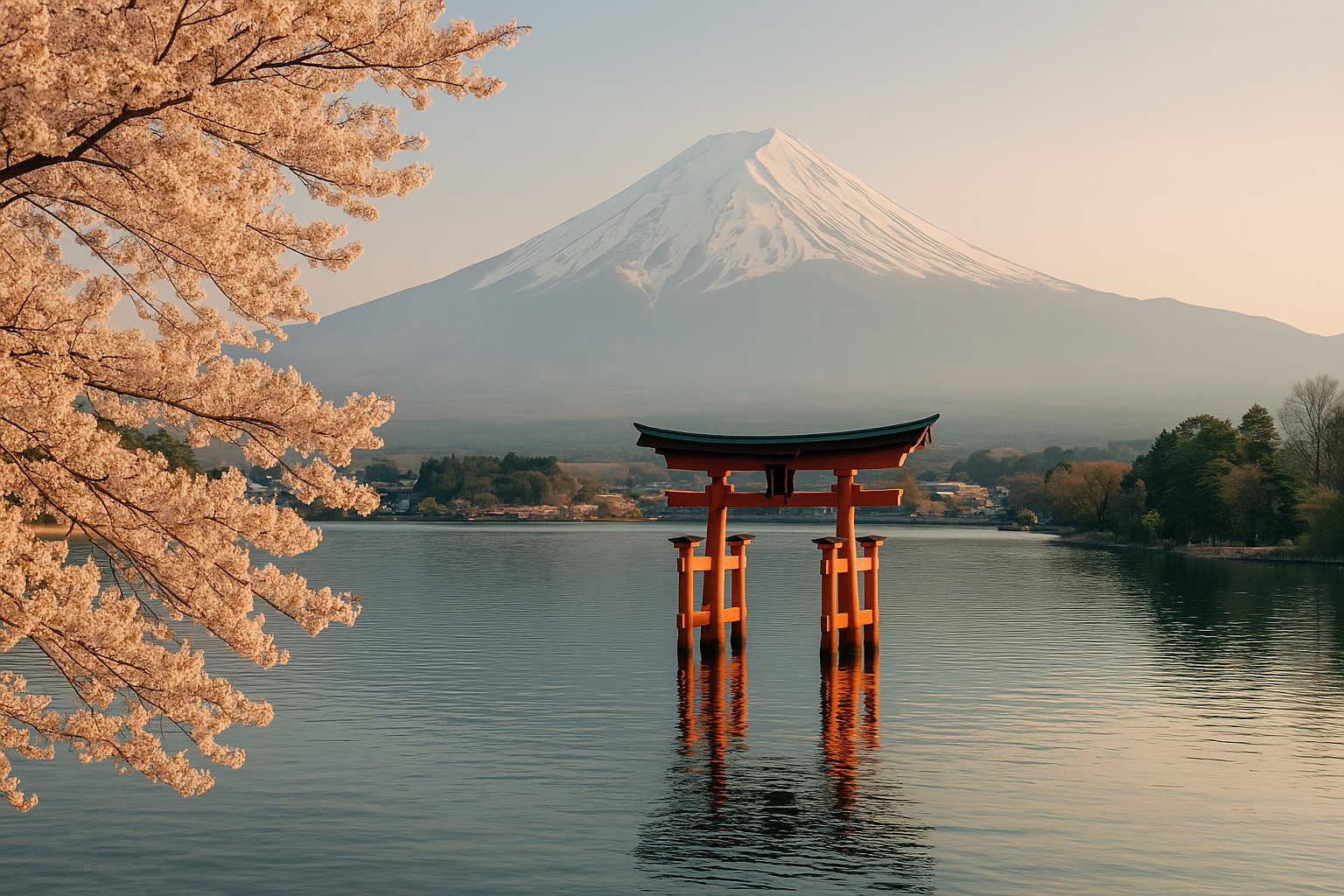
March is where things start changing fast. Early March is still chilly, but by late March, the cherry blossom wave starts moving through southern and central Japan depending on the year. Forecasts matter here because sakura timing shifts. This is one of those times where booking late can wreck your budget. Flights from India climb, hotels in Kyoto become kind of ridiculous, and the prettiest parks get packed. But still... if seeing sakura has been your dream, I get it. It’s beautiful in a quiet, emotional way that photos don’t fully capture. Families picnicking under pink trees, office workers stopping for quick photos, old temples with petals blowing around - very filmi, honestly.
April and May: peak beauty, nice weather, and then Golden Week chaos
#April is maybe the most popular answer to “best time to visit Japan for Indians,” and fair enough. In many parts of Japan, this is the sweet spot. Spring flowers, cool mornings, comfortable afternoons, easier walking days, and just a cheerful energy everywhere. If you’re planning your first Japan trip and want Tokyo, Kyoto, Osaka, Nara type classic route, April works beautifully. But don’t expect peace and empty temples. Kyoto especially gets crowded enough to test your patience. I reached one famous spot at what I thought was early morning and there were already tripods, tour groups, matching caps, the whole scene. Still worth it? Yes. Relaxing? Not exactly.
Now May is interesting. Early May includes Golden Week, one of Japan’s busiest domestic holiday periods. If your dates clash with that, prices rise and trains, attractions, and hotels fill up fast. Avoid it if you can. But late May? Very good. Honestly maybe one of the smartest times for Indians who want decent weather without spring peak insanity. Fresh greenery, less chill, and generally smoother travel. If your parents are traveling with you and can’t do extreme cold or too much humidity, late May is really comfortable. You’ll also get a wider range of hotel prices, from business hotels around ¥8,000 to ¥15,000 a night in many cities, while nicer stays or ryokan experiences can go much higher.
June and July: rainy season begins, but budget travelers should not ignore this
#Most people kind of dismiss June because of the rainy season, and yeah, it’s not the dream month for first-timers chasing perfect blue skies. But it’s not nonstop disaster either. More like wet stretches, humid air, cloudy days, then random lovely moments in between. Hydrangeas bloom, temple gardens look lush, and crowds thin out in some places. I actually enjoyed Kyoto in light rain more than I expected. It made everything feel slower and softer. Plus umbrellas in Japan are weirdly affordable and available everywhere, so you won’t suffer too much if you forget one.
- June is often good for lower hotel prices compared to sakura or autumn peak
- Temple visits and city wandering still work, just wear good shoes because slippery pavements are no joke
- If you hate humidity, though, skip June and especially late July
July starts moving into proper summer. It gets hot, sticky, and a little draining if you’re doing full sightseeing days. Think Mumbai humidity but with more walking and better trains. On the plus side, summer festivals begin, fireworks events pick up, and mountain areas or northern regions become more attractive. If you’re into anime events, pop culture shopping, or city nightlife, summer can still be fun. Just slow down your itinerary. Don’t try to do Tokyo from 8 am to 11 pm like some travel reel told you. You’ll melt.
August and September: festival energy, typhoon watch, and mixed advice from me
#August is one of those months I half recommend and half don’t. See, if you’re a student on a fixed holiday calendar, this may be the easiest time to go. And Japan does have amazing matsuri festival vibes in summer. Fireworks, yukata, street food, music, all that. But weather wise? Phew. Hot, humid, and tiring. Some regions can also be very crowded because of local holiday travel. Theme parks are packed. Walking-heavy itineraries become exhausting. If you’re coming from India and already live through brutal summers, you might think you’re prepared. I thought the same. Yet after one afternoon in Osaka in humid heat, I was desperately hunting for vending machines and air-conditioned convenience stores every 20 mins.
September begins to cool a little toward the end, but it’s also a month when typhoons can affect parts of Japan. Important point here - Japan handles weather disruption very efficiently, but trains and flights can still get delayed or cancelled. So if you travel in September, keep some flexibility in your plan and don’t schedule every connection too tightly. Travel insurance is not glamorous advice, I know, but in Japan it’s worth it. Safety overall is excellent, streets feel safe even late, and emergency systems are strong, but weather-related changes happen. For budget-conscious Indian travelers, late September can sometimes offer better deals before autumn crowds fully hit.
October and November: my personal favorite, no contest
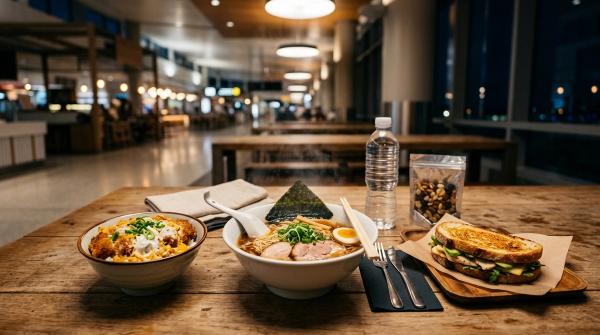
#If you ask me personally, and not the generic internet, I’d say October is the best month to visit Japan for Indians who want balance. Weather is cooler, skies are often nicer, walking all day becomes enjoyable again, and the country starts shifting into autumn colours depending on region and elevation. Tokyo feels sharp and alive, Kyoto gets this golden light in the evenings, and day trips become way more fun because you’re not fighting heat or spring crowds at full force. There are still tourists, obviously, but I found it mentally easier. Trains felt calmer, hotel hunting wasn’t as painful, and I could actually enjoy ramen without sweating.
November is even more dramatic if you love autumn leaves. Red, orange, yellow everywhere in temple gardens, mountain routes, and old streets. Kyoto and Nikko are gorgeous then, and even city parks become lovely. This season has become hugely popular, so don’t assume it’s some secret. Book early. But if you want a Japan trip that feels cinematic and comfortable, November is brilliant. For Indian families, older parents, photographers, and people who just like “nice weather without too much drama”, this is a winner. Temperatures are cool, not harsh, and food somehow feels more comforting too. Hot udon in November hits different, seriously.
December: festive lights, lower crowds in some weeks, and a nice surprise if you plan smart
#December is actually more flexible than people think. Early December can be great, especially for cities. Autumn leaves may still linger in some places, winter illuminations start glowing, shopping districts look festive, and there’s a nice end-of-year atmosphere. Mid to late December gets busier around holiday periods and the New Year shutdown pattern matters because some businesses close around year-end. Still, if you travel in early December, you might get that sweet combination of lower pressure, cooler weather, and decent hotel options. Not dirt cheap, but better than peak spring in many cases. I found Tokyo especially charming in the evening then - clean streets, lights everywhere, convenience store snacks in hand, no major rush, just vibes.
Best season based on what kind of Indian traveler you are
#This part matters because not everyone wants the same Japan. Some people want postcard views. Some want lower cost. Some want shopping and anime. Some are going with parents who need comfort. Some are vegetarian and want easier city access. So here’s the practical version, no overthinking.
- For first-time Indian travelers: late March to April or October to November. Easiest overall experience.
- For budget travelers: January, February, June, or early December usually give better value, except special event periods.
- For honeymoon couples: late March, April, October and November are the most romantic-looking, yeah I said it.
- For snow lovers: January and February, especially Hokkaido, Nagano, or onsen towns.
- For families with parents: late May, October, and early November are comfortable and less physically tiring.
- For students on vacation: August is possible, but prepare for heat and crowds. Don’t expect magical weather.
Stuff Indians should know before choosing the month - money, food, transport, and small shocks
#Japan is no longer some impossible luxury destination, but it does reward planning. Accommodation ranges a lot. Capsule hotels can start from around ¥3,000 to ¥6,000 in some places, business hotels often sit around ¥8,000 to ¥15,000, while nicer central hotels and ryokans can jump much higher. In cherry blossom and autumn periods, these rates can spike fast. Transport is smooth but not always cheap if you keep taking long-distance trains without planning. The Japan Rail Pass isn’t automatically the best deal for everyone anymore, so calculate your routes first. Sometimes regional passes are smarter. IC cards like Suica or ICOCA are super handy for local travel. Get one. Makes life easy.
Food wise, non-veg Indians will have a blast. Sushi, ramen, katsu, yakitori, curry rice, convenience store meals, all sorted. Vegetarians can absolutely travel well in Tokyo, Kyoto, Osaka and other major cities now because vegan and vegetarian options have improved a lot, but you still need to check ingredients. Jain travelers need extra prep. Indian restaurants exist in major tourist zones, though honestly I’d say don’t rely on them daily unless you really need a comfort meal. Also, Japan is very cash-friendly in some places even now, though cards are accepted much more widely than before. Keep some cash on you always. And please don’t speak loudly on trains like we do on family WhatsApp calls. You’ll feel the silence instantly and correct yourself in two seconds.
My honest recommendation if you’re going from India for 7 to 10 days
#If this is your first trip and you want the smoothest all-round experience, go in April if your budget allows, or October if you want a slightly calmer trip. If money matters more than seasonal beauty, choose late May or early December. If your heart is fixed on snow, do February. If your dream is sakura, be ready to book early and spend more. That’s the trade-off. Me, I’d go back in late October without even thinking twice. Good weather, easier walking, nice foliage starting, and less of that frantic “must photograph every blossom before it falls” energy.
Japan has this funny way of making you feel efficient and emotional at the same time. One minute you’re figuring out train platforms like a serious grown-up, next minute you’re standing under a maple tree or in a tiny ramen shop thinking wow, this place really is special yaar. So the best time to visit Japan for Indians isn’t just about weather. It’s about what version of Japan you want to meet. The dreamy one, the snowy one, the budget one, the festival one, the slow quiet one. Pick that, then pick your month. And if you’re still planning and comparing routes and costs and all that slightly headache stuff, check out more travel reads on AllBlogs.in. Pretty useful, not gonna lie.